Reviewed · BERLIN TOURS
Berlín y el Nacionalsocialismo. Group Tour in Spanish
Berlin’s central streets still hold the outline of Hitler’s government, and this four-hour Spanish walking tour connects those scattered sites into one clear story. You begin with the political crisis after the Treaty of Versailles, follow the rise of Hitler and the Nazi state, and finish at the site of the Führer Chancellery and bunker.
I like the chronological approach, since it helps you understand how Germany moved from the Weimar Republic to dictatorship instead of treating each monument as an isolated stop. I also like the route’s physical variety: embassies, government buildings, memorials, and the former bunker area all show different parts of Nazi Berlin.
The main consideration is pace. Four hours on foot, with public transport needed for the route, can feel demanding, and one review found some pauses unnecessary. This is best for you if you want serious political history rather than a short list of photo stops.
Key points to know before booking
- The route follows Hitler’s rise and fall, from the Treaty of Versailles through the Weimar Republic, Nazi rule, and the final days in the bunker.
- The Berlin-Rome-Tokyo Axis is explained outside the Italian and Japanese embassies, giving the wartime alliance a real place on the map.
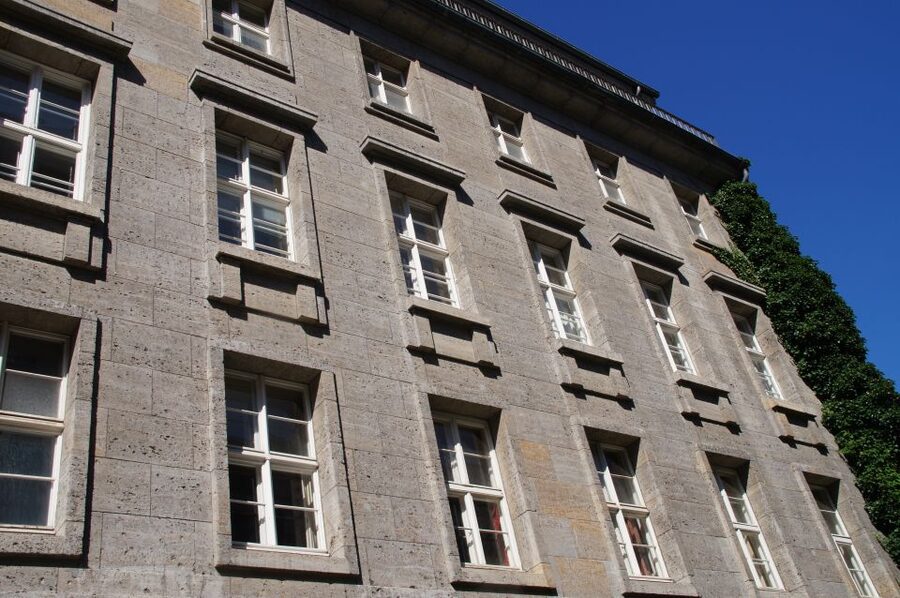
- Wilhelmstrasse supplies the clearest look at Nazi government power, including the Luftwaffe Ministry and the former Propaganda Ministry.
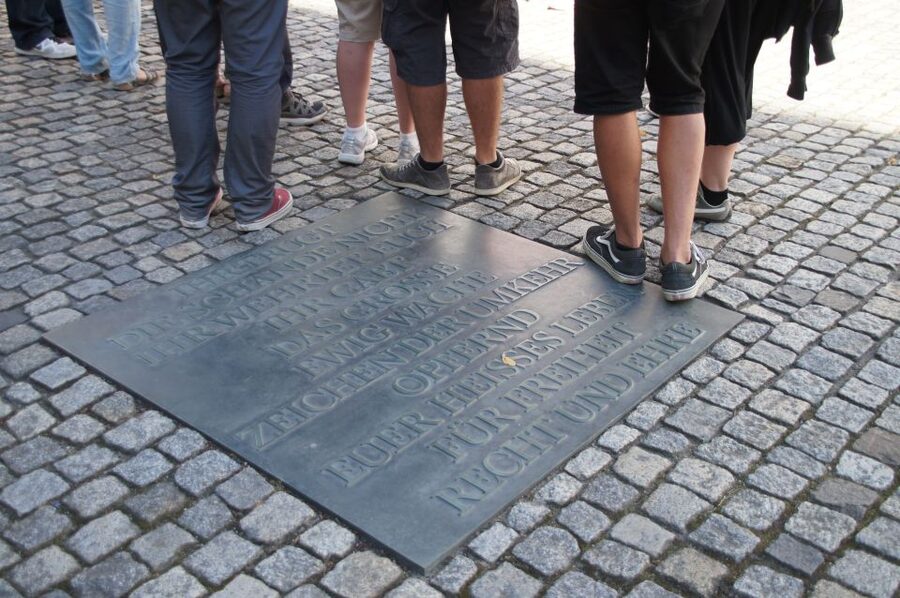
- The tour visits the site of the Sinti and Roma memorial, linking Nazi ideology to the persecution of specific communities.
- You finish at the former Führer Chancellery and bunker site, not inside a surviving bunker.
- The tour costs $29 and runs in Spanish, with a Berlin AB transport ticket required separately.
A serious tour of Berlin’s Nazi past
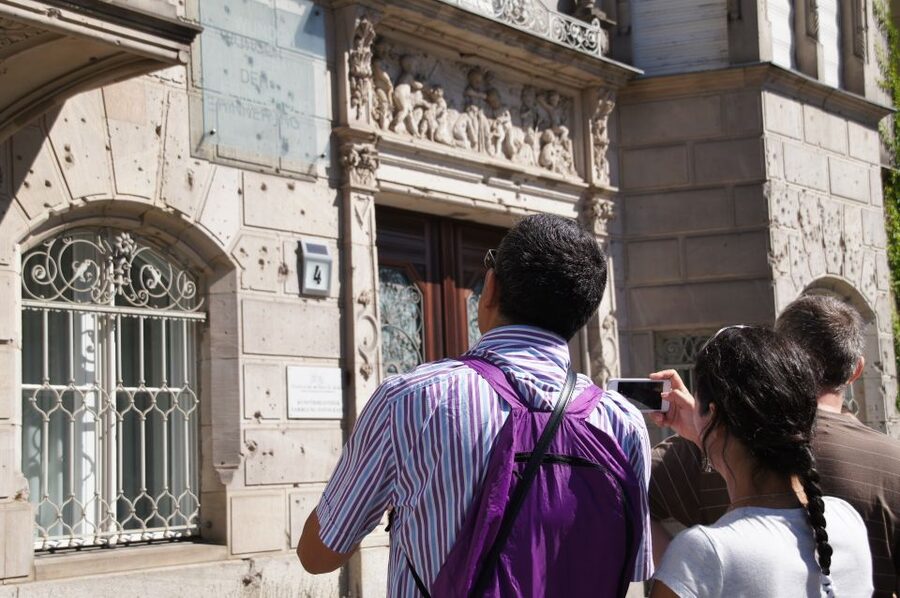
This is not a general Berlin sightseeing walk with a few Nazi references added along the way. The entire route focuses on National Socialism, its political roots, its machinery of control, and its collapse in 1945.
That focus matters. Berlin contains many layers of history, and it is easy to pass a government building without knowing what happened there. A good guide gives the streets a sequence: postwar resentment, economic and political instability, Hitler’s rise, propaganda, military expansion, persecution, and defeat.
You should expect the tone to remain sober. This subject calls for care, and the route deals with dictatorship, war, and mass murder. The purpose is not to make the Nazi era seem dramatic or glamorous. It is to show how power was built and how ordinary civic spaces became part of a criminal state.
The tour is led in Spanish. Guides named Sam, Martín, and Celia have been associated with recent departures, with particular praise for their information, patience, and willingness to help. The guide can make a major difference here because the buildings alone do not explain themselves.
A few more half-days in Berlin worth comparing
- Berlin: Reichstag, Dome and Government District Guided Tour
★ 4.7 · 18,288 reviews - Berlin: 1-Hour City Tour by Boat with Guaranteed Seating
★ 4.3 · 16,993 reviews - Berlin: Boat Tour Along the River Spree
★ 4.4 · 11,252 reviews
Starting at Alexanderplatz and setting the timeline
The meeting point is easy to identify: look for a green flag marked tours en español beside the only entrance to the Fernsehturm, between the television tower and Alexanderplatz station, near Espresso House.
This is a useful place to begin because Alexanderplatz is one of Berlin’s main transport hubs. It also gives you a practical chance to arrive early, find the flag, and check that you have your Berlin AB ticket. The transport ticket is not included in the $29 price.
The opening section covers the Treaty of Versailles and the Weimar Republic. That background is essential. Without it, Hitler’s rise can appear as a sudden event caused by one man’s speeches. The guide instead places it within Germany’s defeat in the First World War, the political strains of the republic, and the conditions that allowed extremist politics to gain ground.
I appreciate this kind of introduction because it gives you a framework for the rest of the walk. When you later hear about propaganda, military planning, or the Nazi vision for Berlin, you already understand the political road that led there.
Do not expect a museum-style presentation with objects or indoor exhibits. The value comes from the guide’s explanation and the locations you see along the way.
Hitler’s rise and Goebbels’s propaganda machine
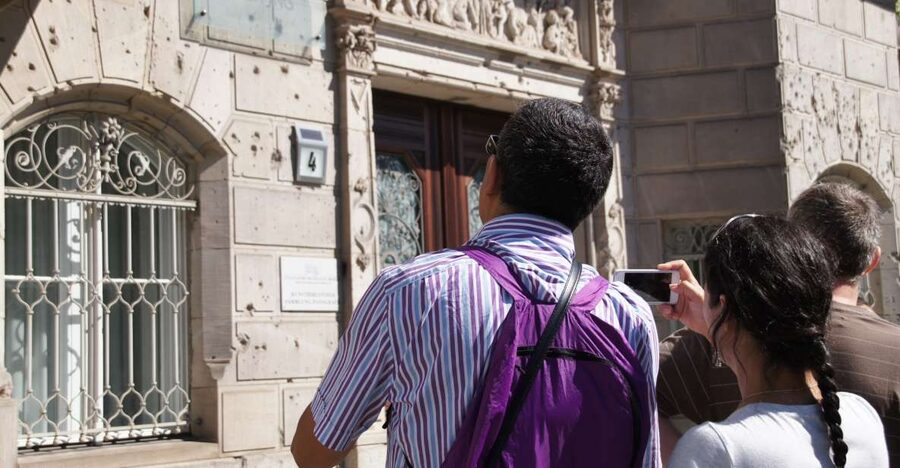
The tour then examines Hitler’s rise to power and the work of leading Nazi figures, including Joseph Goebbels and his propaganda programs.
Goebbels is important to this route because propaganda was not a side project of the regime. It shaped public messages, political loyalty, and the way the government presented itself. The discussion helps you see how modern communication tools were used to build support, suppress opposition, and turn ideology into daily political pressure.
This part should be especially useful if you want more than military history. The tour is not limited to battles, generals, or buildings connected to Hitler. It also examines the methods used to control opinion and create the image of a unified national cause.
A walking tour can handle this topic well because you move through the city where those messages were delivered and administered. At the same time, the experience depends heavily on the guide. The available feedback is very positive overall, with a 4.8 rating from 36 reviews, and specific praise for Sam’s information, Martín’s guiding, and Celia’s patience. Still, the amount of detail and the length of each stop may vary with the group and guide.
The Sinti and Roma memorial and the plan for Germania
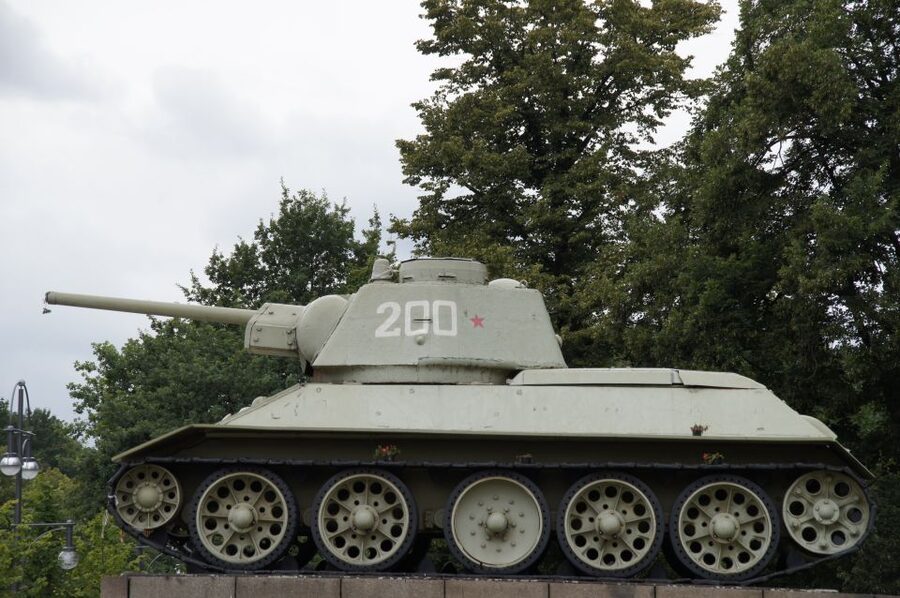
One of the important stops is the Memorial to the Sinti and Roma Victims of National Socialism.
This site gives the tour a needed human focus. The Nazi state did not persecute only political opponents or Jewish communities. Sinti and Roma people were also targeted by Nazi racial policy and murdered in large numbers. A visit here helps connect the ideology discussed earlier with the people harmed by it.
The tour also explains Nazi plans for a future Germania, imagined as a monumental capital for a world empire. This vision reveals how architecture and city planning were tied to political power. The goal was not simply to improve Berlin for its residents. It was to create a capital that projected domination on an enormous scale.
For you, the contrast between the grand plans and the present city is instructive. The regime imagined a transformed Berlin, but the city you walk through contains fragments, gaps, memorials, and ordinary streets rather than the finished imperial capital. The guide’s explanation helps you understand what the Nazis wanted Berlin to communicate.
Same city, a completely different kind of day:
- Discover Berlin Half-Day Walking Tour
★ 5.0 · 9,624 reviews - Berlin: Hop-on Hop-off Bus Tour with Live Commentary
★ 4.3 · 8,579 reviews - Berlin: Government District around the Reichstag Guided Tour
★ 4.7 · 8,447 reviews - Berlin: Reichstag, Plenary Chamber, Cupola & Government Tour
★ 4.6 · 8,422 reviews
The Berlin-Rome-Tokyo Axis outside the embassies
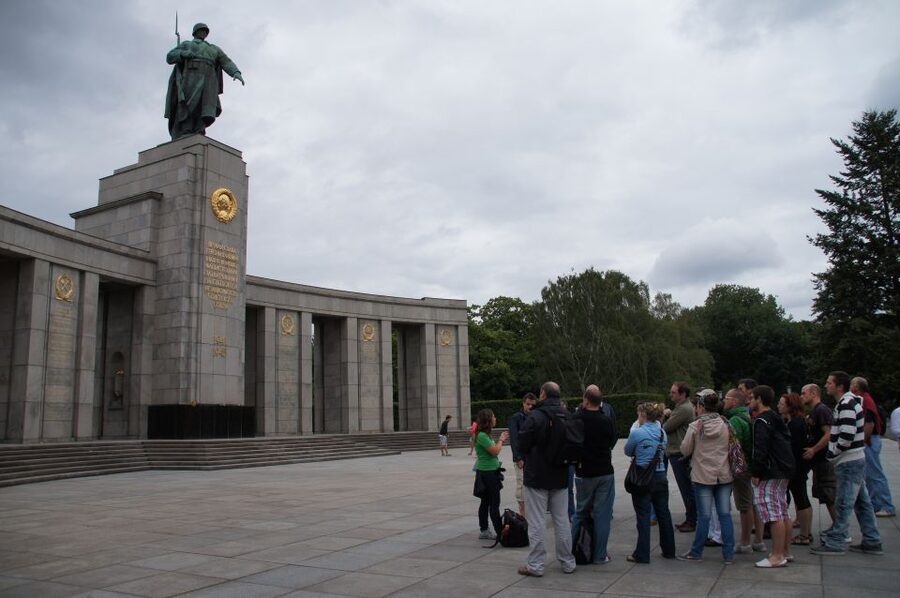
The route continues to the Italian and Japanese embassies, where the guide discusses the Berlin-Rome-Tokyo Axis.
Seeing the embassies gives the alliance a useful geographic anchor. Rather than hearing only a list of wartime partners, you learn how Germany’s relationship with Italy and Japan was represented in Berlin’s diplomatic quarter.
The stop is outside the embassies, so you should not expect an interior visit. Its value is interpretive. The buildings and their surroundings help show how foreign policy, diplomacy, and military partnership were presented in the capital.
This is also a good example of the tour’s larger method. It uses places that still exist, or whose locations can still be identified, then adds the political meaning that is no longer visible. Berlin has changed, but the street plan allows you to connect the present city with the decisions made there.
Walking Wilhelmstrasse to the Luftwaffe Ministry
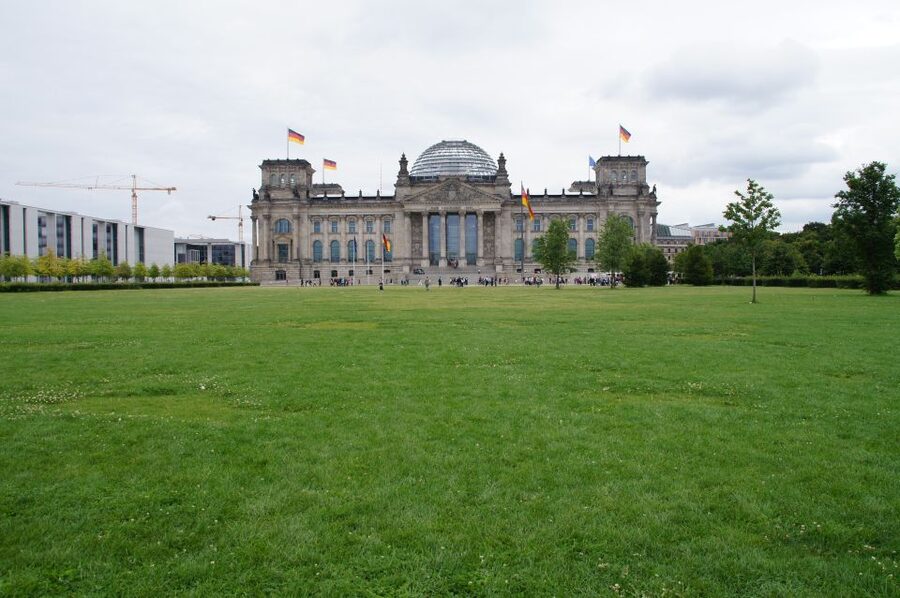
Wilhelmstrasse is one of the strongest sections of the route. The street was tied to German government power, and walking along it makes the concentration of ministries easier to understand.
The tour includes the former Luftwaffe Ministry, also known as the Air Defense Ministry. This building is a reminder that Nazi rule was supported by a large administrative system. Hitler was the central figure, but the regime depended on ministries, officials, military planners, propaganda workers, and bureaucrats.
The guide also points out the former Nazi Propaganda Ministry. Together, these stops show two sides of the state: military preparation and control of public information.
I like this stretch because it moves the discussion away from the idea that Nazism was created only in Hitler’s private headquarters. Government buildings make the system look more complicated and more disturbing. Dictatorship required offices, paperwork, messages, budgets, uniforms, and institutions.
Because the tour lasts four hours, you have time to hear that wider explanation. The tradeoff is that the walk may feel long if you prefer quick sightseeing. One piece of feedback specifically found some pauses unnecessary, so this may not suit you if you want a brisk route with very little standing.
The former Führer Chancellery and bunker site
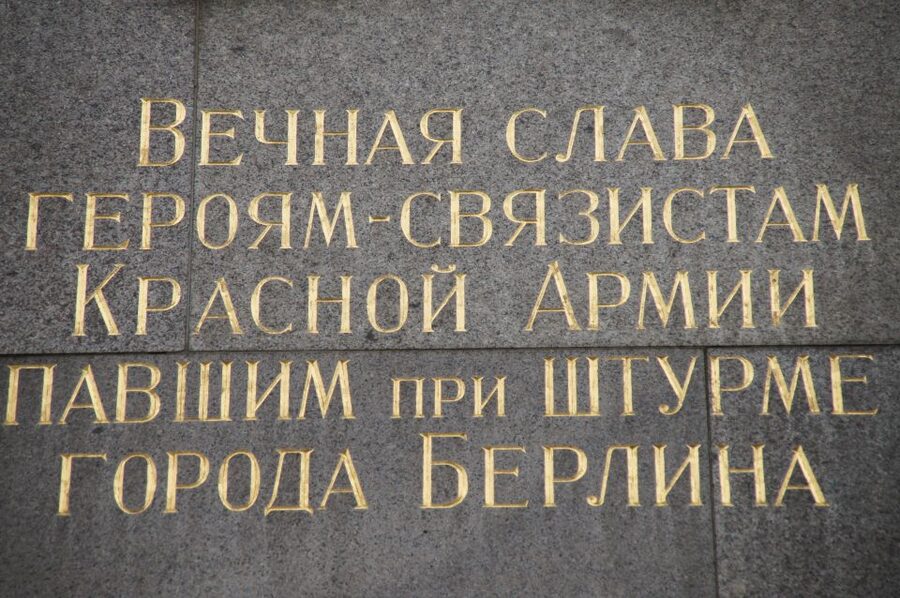
The final part of the tour reaches the exact area where the Führer Chancellery once stood and where Hitler spent his final days in the bunker.
The bunker itself is not presented as a surviving attraction to enter. You finish at the site and learn what happened there during the last phase of the war. That distinction matters because some people arrive expecting an underground structure or a preserved room. The experience is about location and explanation, not an interior visit.
Ending here gives the tour a clear shape. You begin with the political conditions that helped Hitler gain power and finish with the collapse of his government. The same city that was planned as the capital of a future empire became the setting for the regime’s final days.
I find this ending more useful than a dramatic presentation would be. The site is not a shrine, and it should not be treated as one. The guide’s context helps keep the focus on consequences, defeat, and the damage caused by the dictatorship.
What $29 buys you
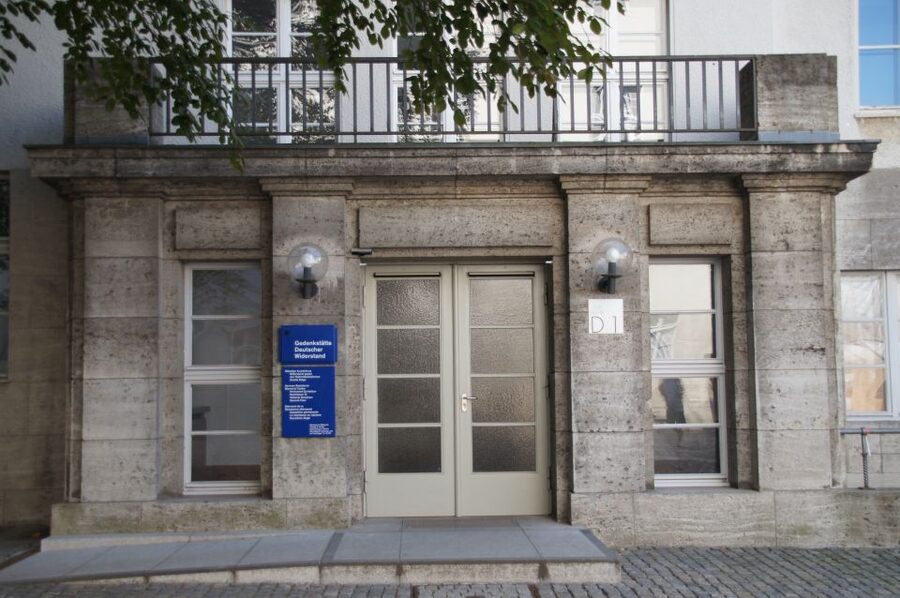
At $29 per person, this is a reasonably priced half-day tour if you want a structured introduction to Nazi Berlin. You are paying for four hours with a Spanish-speaking guide, not for museum admission or private transport.
That price is particularly useful for visitors who want the historical connections explained in their own language. You could walk past several of these locations on your own, but you would need to research the timeline, identify the buildings, and work out how the sites fit together.
Remember to add the cost of a public transport ticket for zones AB. The ticket is required and is not included. You should treat it as part of the total cost when comparing this tour with other Berlin activities.
The booking terms are also flexible. You can cancel up to 24 hours before the start for a full refund, and you can reserve now and pay later. Those policies are useful when your Berlin schedule is still shifting, but they do not change the fact that you need the transport ticket on the day.
Who will get the most from this walk
I would choose this tour if you want political context, Nazi-era government sites, and a Spanish-speaking guide who can explain how the pieces connect.
It suits:
- First-time visitors who want a focused introduction to the Third Reich in Berlin
- Spanish speakers who prefer to handle difficult historical subjects in Spanish
- People interested in propaganda, government, diplomacy, architecture, and military administration
- Visitors who want to understand the city beyond the major museums
- Anyone comfortable spending four hours on a walking route with public transport
It may be less suitable if you want a light sightseeing outing, frequent indoor stops, or a short route. The subject is serious, the tour is long, and much of the value comes from listening carefully at outdoor locations.
The tour is listed as wheelchair accessible. Even so, you should remember that it is a walking experience using public transport, so practical comfort may depend on the route on the day and the transport connection being used.
Practical advice for a smoother morning or afternoon
Arrive at the Alexanderplatz meeting point early enough to find the green flag without rushing. The location is beside the television tower entrance, between the tower and the railway station, near Espresso House.
Bring your Berlin AB transport ticket. This is the one detail most likely to cause trouble if you overlook it. Since the ticket is not part of the tour price, arrange it before meeting the guide.
Wear shoes suitable for four hours of walking and standing. The route covers several separate sites, including Wilhelmstrasse and the former government district. Berlin weather can also change quickly, so a light rain layer is sensible, though the tour information does not specify weather arrangements.
Keep your expectations focused. You will not see Hitler’s bunker interior, and you will not enter the Italian or Japanese embassies. You will see the locations, hear their political context, and follow the story through the city.
Should you book Berlín y el Nacionalsocialismo?
Book it if you want a serious, well-priced introduction to Berlin under National Socialism and prefer to learn in Spanish. The $29 cost is fair for four hours of guiding, especially because the route links the Treaty of Versailles, Hitler’s rise, Goebbels’s propaganda, Germania, the Axis powers, Wilhelmstrasse, and the bunker site into one narrative.
The strongest reason to choose it is the combination of clear historical sequence and real locations. The main caution is the length and the need for a separate AB transport ticket. If you are ready for a sober walking tour rather than a casual city stroll, this is a practical way to understand how Nazi power shaped central Berlin and how that regime ended.
FAQ
How long does the tour last?
The tour lasts four hours.
What language is the tour conducted in?
The live tour guide speaks Spanish.
How much does the tour cost?
The listed price is $29 per person.
Where is the meeting point?
Meet beside a green flag marked tours en español, next to the only entrance to the Fernsehturm at Alexanderplatz. It is between the television tower and Alexanderplatz station, near Espresso House.
Do I need a public transport ticket?
Yes. You need a Berlin public transport ticket for zones AB, and it is not included in the tour price.
Does the tour visit Hitler’s bunker?
The tour ends at the exact site where the Führer Chancellery once stood and explains Hitler’s final days in the bunker. It does not state that you enter a surviving bunker structure.
Does the tour visit the Italian and Japanese embassies?
The tour explains the Berlin-Rome-Tokyo Axis in front of the Italian and Japanese embassies. An interior visit is not included.
Is the tour wheelchair accessible?
Yes, the activity is listed as wheelchair accessible.
Can I cancel the booking?
You can cancel up to 24 hours in advance for a full refund. You can also reserve now and pay later.
Just added in Berlin
- Berlin & The Third Reich Private Guided Tour★ 5.0 · 3 reviews
- Third Reich Quest Experience in Berlin★ 4.5 · 7 reviews
- Private Analogue Photography Experience in Berlin★ 5.0 · 3 reviews
- Berlin Urbex Adventure and History Tour★ 5.0 · 9 reviews
- The Beauty of Berlin by Bike: Private Tour★ 5.0 · 59 reviews
- Berlin: Guided Bike tour of the Berlin Wall and Third Reich★ 5.0 · 160 reviews
- Beyond Currywurst: Berlin’s Hidden Street Food & Culture Tour★ 5.0 · 100 reviews
- Berlin Third Reich & Cold War Walking Tour With A Guide★ 5.0 · 7 reviews
Berlin Tours, compared.
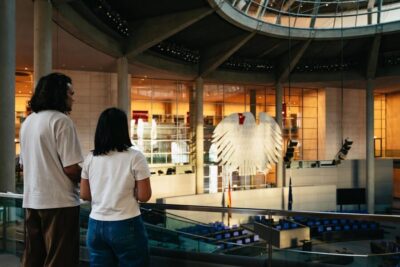
Reichstag, Dome and Government District Guided Tour
Read our review →
Reichstag, Plenary Chamber, Cupola & Government Tour
Read our review →