Reviewed · BERLIN TOURS
Private Alternative Berlin Tour -Murals, Graffiti and Squats
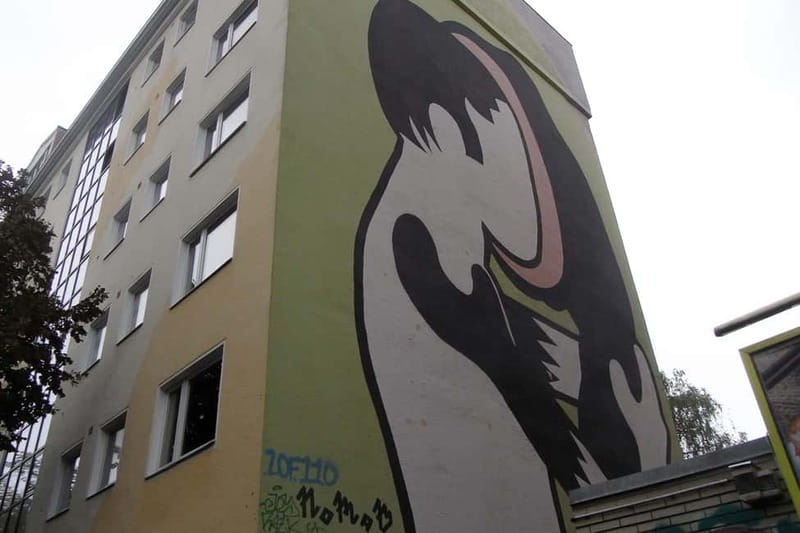
Berlin’s alternative culture is written across its walls. On this private tour, you move from grand redevelopment at Potsdamer Platz to punk-era hangouts, art courtyards, squats, and the long mural strip at East Side Gallery. The city’s political past and its street art share the same canvas.
I like the private format, which lets guide Nadav Jacob or Jacob adjust the pace and spend more time on the subjects that catch your interest. I also like the practical hotel pickup and follow-up WhatsApp help, useful when you want advice on what to see after the tour. The main drawback is that the tour relies on public transport, so you must buy a ticket and allow for some movement between sites.
Key points
- A private route through Berlin’s alternative culture: Travel with your own group of up to six people rather than joining a large party.
- Real variety in 2.5 hours: See Potsdamer Platz, Dead Chicken Alley, Haus Schwarzenberg, East Side Gallery, and Oberbaum Bridge.
- Flexible guiding: Nadav Jacob and Jacob can adjust the start time, pickup point, and focus of the tour.
- Public transport is part of the experience: Budget roughly 4 to 10 euros for transport and wear comfortable shoes.
- Useful follow-up help: A 3A picture folder and WhatsApp availability add context before and after the walk.
Berlin’s alternative story, from cheap rooms to street art
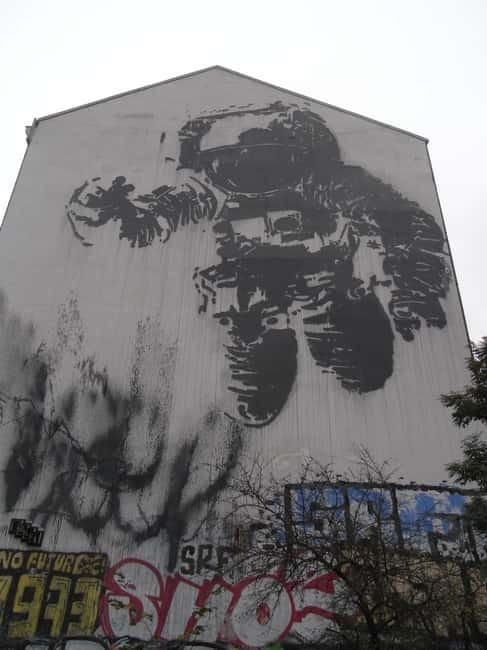
Before and after the Berlin Wall fell, housing in many parts of the city was cheap. Artists, hippies, punks, musicians, and people simply looking for a freer way to live moved into damaged postwar buildings and abandoned structures in former East Berlin.
That setting allowed squats, house projects, galleries, and improvised communities to take shape. Some disappeared as rents rose and buildings changed hands. Others became part of Berlin’s public identity, especially through murals, graffiti, and independent art spaces.
I like that this tour treats graffiti as more than decoration. You learn how political change, empty buildings, creative freedom, and later gentrification shaped the city you see today. The guide connects past and present living art, so the walls become clues to Berlin’s social story.
You should not expect a museum-style tour with every stop neatly preserved. Alternative culture changes quickly. A mural may be painted over, a squat may be gone, or an art space may look different from one visit to the next. That uncertainty is part of the subject, but it also means the guide’s explanation matters.
A few more half-days in Berlin worth comparing
- Berlin: Reichstag, Dome and Government District Guided Tour
★ 4.7 · 18,288 reviews - Berlin: 1-Hour City Tour by Boat with Guaranteed Seating
★ 4.3 · 16,993 reviews - Berlin: Boat Tour Along the River Spree
★ 4.4 · 11,252 reviews
Why the private group format matters
The tour costs $302 for a group of up to six people. That is a serious price for 2.5 hours, but the calculation changes if you fill the group. Split among six, it comes to about $50 per person. For two people, the per-person cost is much higher.
The value comes from the format rather than from admission tickets. You receive hotel pickup, a professional guide, a private route, public-transport guidance, a picture folder, and help by WhatsApp before and after the tour. There is no separate entrance charge described for the main stops.
The private setup also gives you room to ask questions. Nadav Jacob is described as an easy-going guide who can personalize the route, while Jacob has been praised for adjusting the starting time and location and for explaining things clearly. If you care more about squats, graffiti, music, architecture, or the Wall, tell your guide early.
You will need to pay separately for public transport, estimated at 4 to 10 euros, and for food, coffee, or snacks during a break, estimated at 5 to 15 euros. These are small costs beside the tour price, but it is useful to know that the advertised amount is not the full day’s spending.
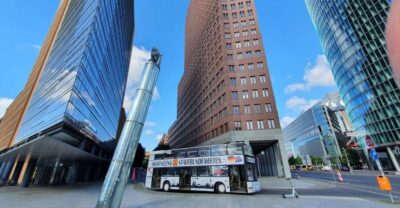
Potsdamer Platz shows the city’s sharpest contrast
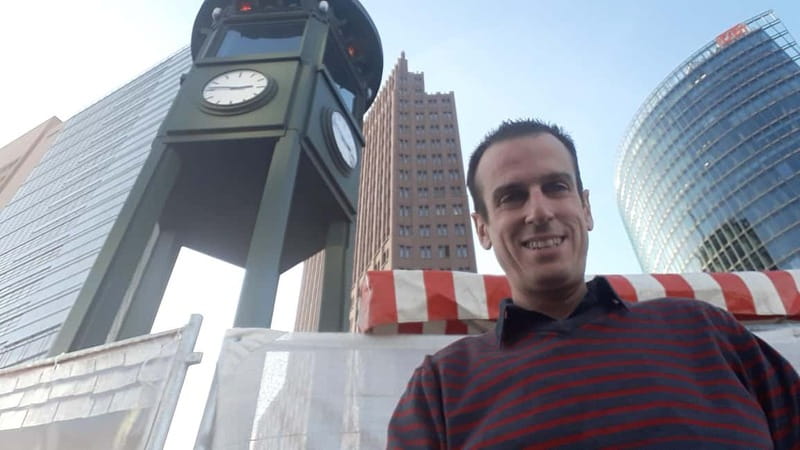
The tour begins with pickup in Berlin and a public-transport ride of about 15 minutes. The first major stop is Potsdamer Platz, where you spend around 30 minutes with the guide.
This is a smart opening because Potsdamer Platz helps explain the pressure that changed Berlin. The area represents large-scale rebuilding and the new city that followed reunification. From there, the tour can set up a useful contrast with the rougher, less formal places associated with alternative Berlin.
You then stop at a viewpoint for about 10 minutes. The exact viewpoint is not specified, so ask your guide what you will see from it and how it connects to the route. This short stop adds a pause after the first major explanation, but it is not a long sightseeing break.
The early part of the tour is less about graffiti alone and more about understanding the city’s split identity. Berlin can move from polished redevelopment to improvised art within a short ride. That change is one of the reasons this experience works better with a guide than with a simple list of street-art addresses.
Dead Chicken Alley brings the art close
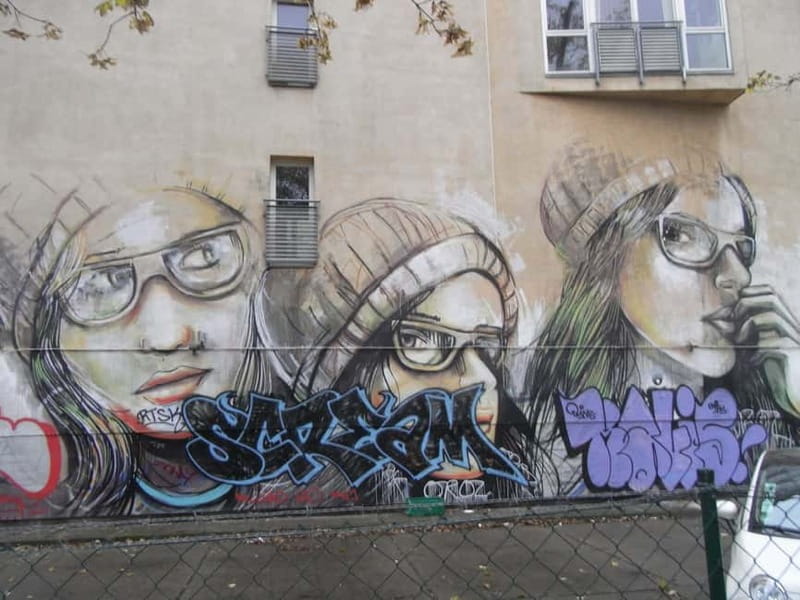
After another public-transport ride of about 10 minutes, you reach Dead Chicken Alley for a 10-minute guided visit.
The name alone signals the kind of place this tour seeks out: small-scale, eccentric, and connected to Berlin’s alternative scene. You can expect art and atmosphere rather than a conventional monument. The stop is brief, so keep your eyes open and listen closely while the guide points out details you could easily miss.
This is also where the private format helps. In a large group, a narrow art space can feel rushed. With your own small party, you can ask about the artwork, the people who used the space, and how alternative projects fit into the city’s changing neighborhoods.
Do not expect every stop to offer a long walk or a major viewpoint. Some are short, focused visits. Dead Chicken Alley works as a compact burst of street culture between larger stops.
Same city, a completely different kind of day:
- Discover Berlin Half-Day Walking Tour
★ 5.0 · 9,624 reviews - Berlin: Hop-on Hop-off Bus Tour with Live Commentary
★ 4.3 · 8,579 reviews - Berlin: Government District around the Reichstag Guided Tour
★ 4.7 · 8,447 reviews - Berlin: Reichstag, Plenary Chamber, Cupola & Government Tour
★ 4.6 · 8,422 reviews
Alexanderplatz and Haus Schwarzenberg connect public space with creative space
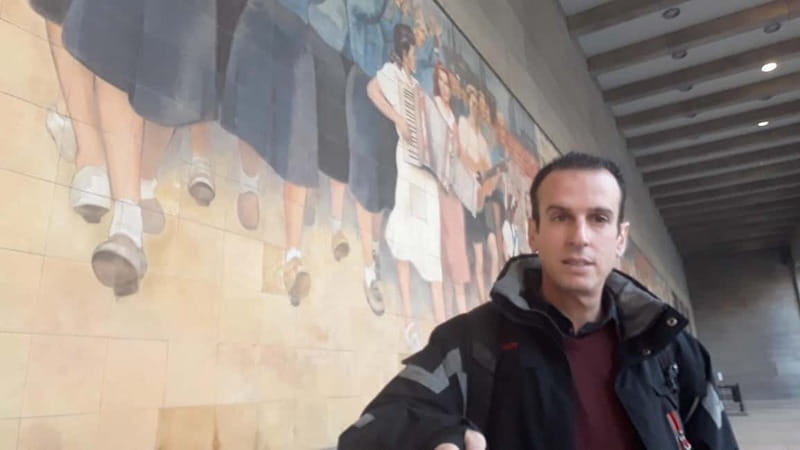
Alexanderplatz receives about 20 minutes of guided attention. The square is one of Berlin’s best-known public places, and placing it in this tour gives you a wider view of how mainstream city life and alternative expression overlap.
From there, the route continues to Haus Schwarzenberg for roughly 20 minutes. This stop is central to the tour’s theme because it brings you closer to the art spaces, murals, and independent culture associated with Berlin’s alternative identity.
I would pay attention to the guide’s storytelling here. One of the strongest details about Nadav Jacob is his ability to describe the past in a way that makes places easier to picture. He is also described as more than an academic source, with a gift for telling stories and adapting the discussion to personal interests.
That makes Haus Schwarzenberg a good place to ask specific questions. You might ask how the site changed over time, how artists used the buildings, or how the city’s rising costs affected alternative projects. The supplied information does not promise access to private interiors, so expect a guided look at the public setting rather than a behind-the-scenes building tour.
East Side Gallery is the tour’s longest art stop
Another 10-minute public-transport ride takes you to East Side Gallery, where you spend about 45 minutes. This is the longest stop and the clearest link between Berlin’s Wall history and its mural culture.
The former Wall is not only a political symbol. At East Side Gallery, it also became a long public surface for painted work. The murals turn a structure once meant to divide people into a place for public expression. Your guide can help you read the art in relation to the city’s past, rather than treating it as a simple photo backdrop.
Forty-five minutes gives you time to look carefully and hear the background without sprinting from one image to the next. You may find this is the tour’s most familiar stop, but the guide’s context can make it more useful than a quick independent visit.
There is one practical point to remember: East Side Gallery is an open urban site, not a quiet gallery. The experience depends on the condition of the murals, the pace of the group, and the amount of space available at the time. Comfortable shoes will help, especially since this stop follows several rides and walking sections.
Friedrichshain-Kreuzberg shows alternative Berlin today
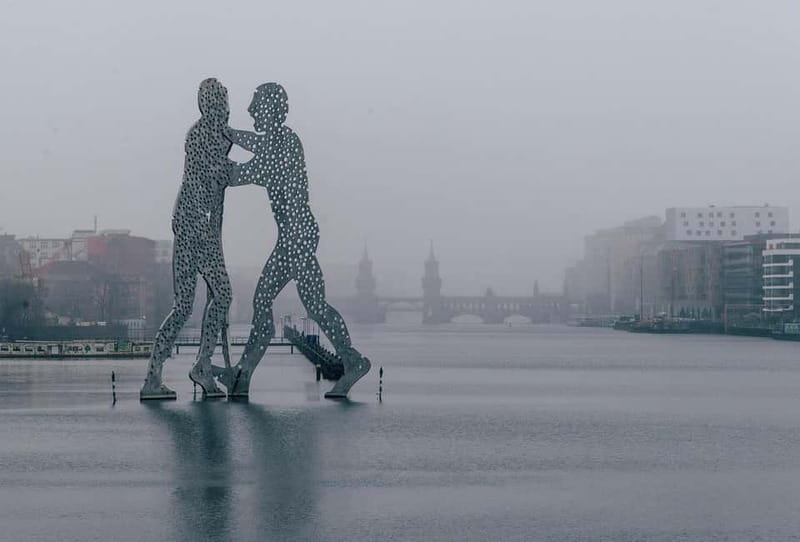
The tour then moves through Friedrichshain-Kreuzberg for about 15 minutes. This section helps connect the historical story with the present.
The area is associated in the tour’s description with hippie, punk, and alternative life, as well as ongoing gentrification. That combination is important. Berlin’s creative districts are not frozen versions of the past. They continue to change as rents, businesses, residents, and public attitudes shift.
I like this part because it keeps the tour from becoming a romantic story about abandoned buildings and old squats. You hear about the freedom created by cheap housing, but also about what happens when a neighborhood becomes more desirable. The guide can explain how past alternative projects still influence the city, even when the original conditions no longer exist.
The stop is only 15 minutes, so expect a concise introduction rather than a long neighborhood walk. If this is your main interest, tell the guide. The private format may allow more attention here, within the fixed length of the tour.
Oberbaum Bridge closes with a strong Berlin view
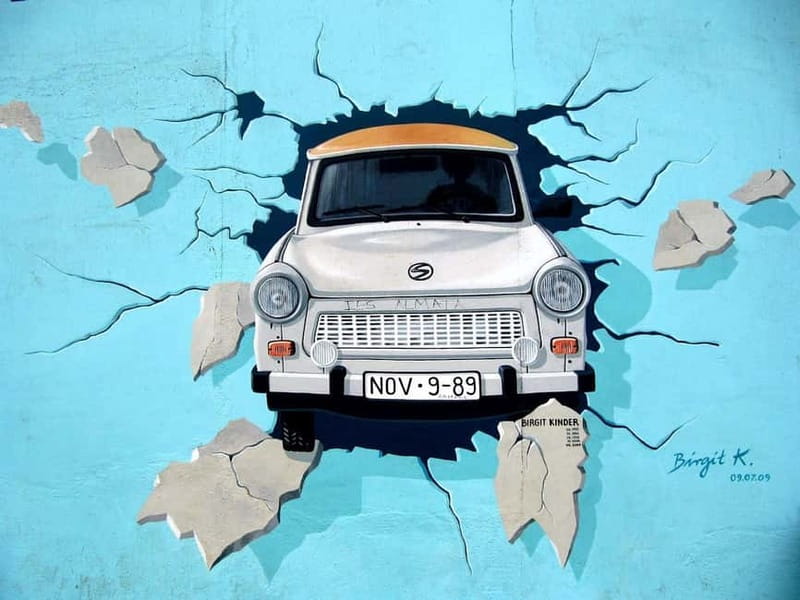
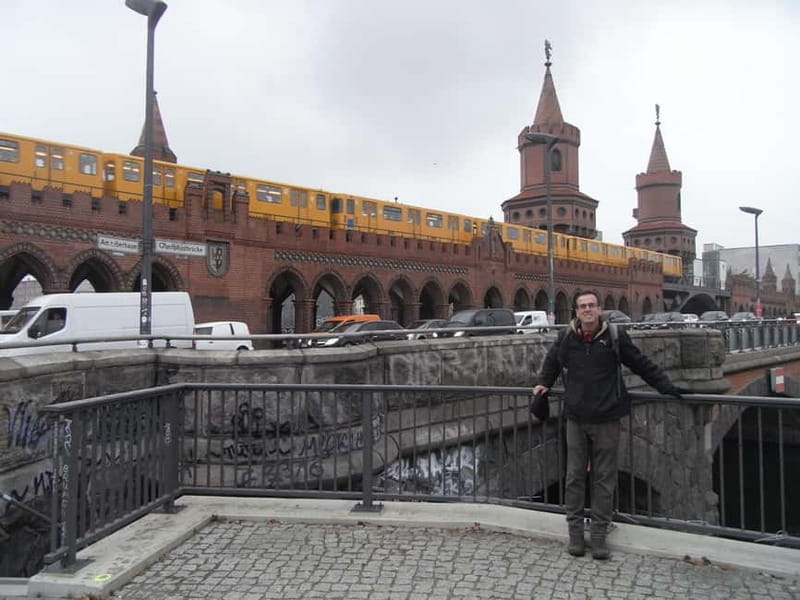
The final stop is Oberbaum Bridge, with about 10 minutes of guided explanation. It is a fitting ending because the bridge connects Friedrichshain and Kreuzberg, two districts closely tied to Berlin’s changing social and artistic life.
The stop is short, but it gives the route a clear finish. After seeing murals, small art spaces, former Wall sections, and alternative neighborhoods, you get a final point from which to think about how divided parts of the city became connected.
You may want to ask your guide for a recommendation on what to visit next. WhatsApp availability after the tour is included for suggestions and information, so you can keep exploring with more direction instead of guessing which parts of Berlin fit your interests.
The guide makes the difference
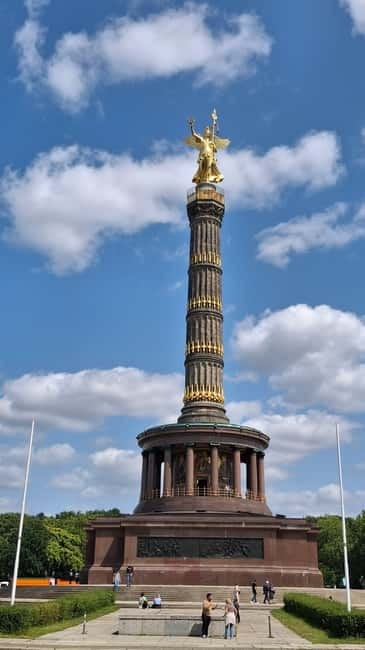
Street art is easy to see and hard to understand. A private guide gives you the missing context: who made the work, why certain buildings mattered, how the Wall shaped the city, and why some alternative projects lasted while others faded.
Nadav Jacob has been praised for being friendly, professional, flexible, and well informed about Berlin and its alternative scene. He can personalize the route and give extra attention to subjects that interest you. Jacob has also been praised for being entertaining, easy to understand, and flexible about the starting time and location.
Those details matter because this is not a fixed hop-on, hop-off route. Your guide is part of the main value. When you book, state your interests clearly. A guest curious about punk history may want a different emphasis from someone focused on murals, architecture, or the Wall.
The 3A picture folder adds another useful layer. It is described as an interactive explanation of Berlin’s alternative style, giving you something to refer to during or after the experience. The exact contents are not specified, so treat it as supporting material rather than a full guidebook.
Who should book this Berlin tour
I would recommend this experience to you if you want more than Berlin’s standard landmarks. It suits people interested in graffiti, murals, squats, punk culture, informal art spaces, and the social changes that followed reunification.
It is also a good match for first-time visitors who want hotel pickup and a guide to handle the public-transport connections. You do not need special walking ability, and the activity is described as easy walking combined with public transport. Still, wear comfortable shoes and expect to move between several urban stops.
The tour is less suitable if you want a long, slow art walk in one neighborhood. The route covers many places in 2.5 hours, so the experience is broad rather than deeply focused on one district. You may also prefer another option if you want formal museum interiors, guaranteed access to squats, or a tour devoted only to the Berlin Wall.
The private price makes the most sense for a group of four to six. Solo visitors or couples should decide if personal attention, hotel pickup, and flexibility justify the higher cost per person. With a full group, the price becomes easier to defend.
Practical details before you book
The tour lasts 2.5 hours, with starting times based on availability. Pickup is included from your hotel reception or another location you specify. Confirm the meeting point when booking, especially if you want to start somewhere other than your hotel.
The tour is conducted in English and is for a private group of up to six people. Public transport is used during the route, and tickets are not included. Set aside about 4 to 10 euros for transport, plus 5 to 15 euros if you plan to buy coffee, food, or a snack during the break.
You can cancel up to 24 hours before the start for a full refund, and you can reserve now while paying later. Those policies are useful if your Berlin schedule is still changing.
Should you book it?
Book this tour if you want Berlin explained through its murals, alternative spaces, and changing neighborhoods, not just through palaces and museums. The best reasons to choose it are the private group, the flexible guides, the mix of major and lesser-known stops, and the chance to shape the conversation around your interests.
Think twice if $302 feels steep for a short tour or if you want long visits at fewer locations. For a group of six, the price is reasonable for a private experience. For two people, it is a premium choice, but the personal attention and hotel pickup may make it worthwhile.
FAQ
How long does the Private Alternative Berlin Tour last?
The tour lasts 2.5 hours.
How much does the tour cost?
The price is $302 for a private group of up to six people.
Is hotel pickup included?
Yes. Pickup is included from your hotel reception or another location you specify.
Is the tour private?
Yes. The tour is offered for a private group of up to six people.
What language is the tour conducted in?
The live tour guide speaks English.
Does the tour include public transport tickets?
No. Public transport is used, but tickets are not included. Allow about 4 to 10 euros for transport.
What places are visited?
The route includes Potsdamer Platz, a viewpoint, Dead Chicken Alley, Alexanderplatz, Haus Schwarzenberg, East Side Gallery, Friedrichshain-Kreuzberg, and Oberbaum Bridge.
What should I bring?
Bring comfortable shoes. The experience combines easy walking with public transport.
Can I cancel the tour for a refund?
Yes. You can cancel up to 24 hours in advance for a full refund.
Just added in Berlin
- Berlin & The Third Reich Private Guided Tour★ 5.0 · 3 reviews
- Third Reich Quest Experience in Berlin★ 4.5 · 7 reviews
- Private Analogue Photography Experience in Berlin★ 5.0 · 3 reviews
- Berlin Urbex Adventure and History Tour★ 5.0 · 9 reviews
- The Beauty of Berlin by Bike: Private Tour★ 5.0 · 59 reviews
- Berlin: Guided Bike tour of the Berlin Wall and Third Reich★ 5.0 · 160 reviews
- Beyond Currywurst: Berlin’s Hidden Street Food & Culture Tour★ 5.0 · 100 reviews
- Berlin Third Reich & Cold War Walking Tour With A Guide★ 5.0 · 7 reviews
Berlin Tours, compared.
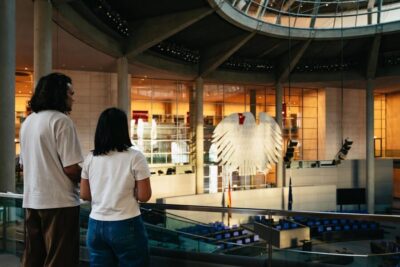
Reichstag, Dome and Government District Guided Tour
Read our review →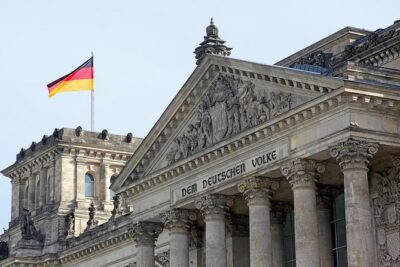
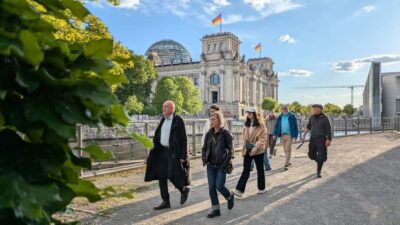
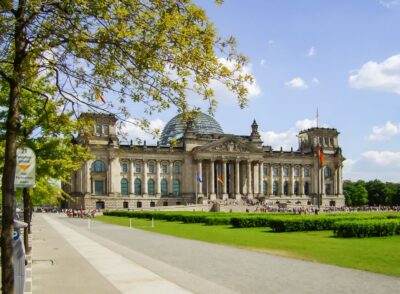
Reichstag, Plenary Chamber, Cupola & Government Tour
Read our review →