
Reviewed · SKIP THE LINE
Residence of Munich private tour with skip the line ticket
Munich’s former royal palace is far larger than it first appears. Behind the entrance at Residenzstrasse 21, you’ll find more than 136 rooms, several courtyards, and centuries of Wittelsbach family history packed into one city-center visit. A private guide helps you make sense of the scale instead of wandering through room after room on your own.
I like the skip-the-line entry, which saves useful time, and I like the personal format. Guides Genny and Freya have been praised for making the palace both clear and enjoyable, with stories about King Ludwig II, Napoleon, royal romances, and the people who lived here. The main caution is that the Cuvilliés Theater may not be included, despite the extended-tour description. One visitor paid an extra €5 and visited it independently.
Key points to know before booking
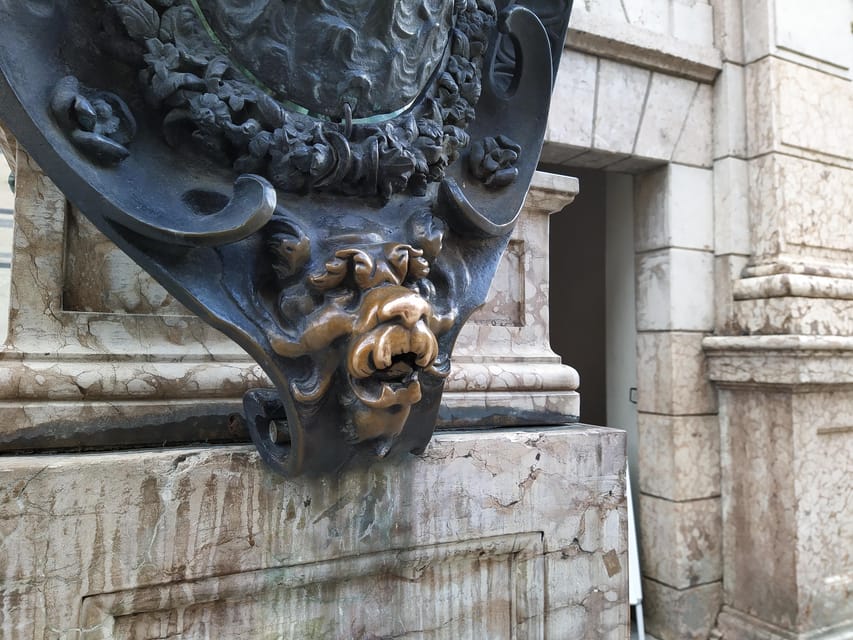
- A huge royal residence in a compact tour: The visit focuses on the most important rooms and courtyards within a 2 to 2.5-hour time frame.
- Private guiding makes the difference: You can ask questions and keep the attention on the parts of Bavarian royal life that interest you most.
- Skip-the-line admission is included: Your entrance ticket is covered, so you do not need to arrange a separate palace ticket.
- Strong guide feedback: Genny is praised for moving smoothly through the palace, while Freya is described as both fun and well informed.
- The theater needs checking: The Cuvilliés Theater may be an optional extra costing €5, rather than part of the standard visit.
- Plan for a strict bag policy: Backpacks, bags, plastic bottles, drinks, and plastic bags are not allowed inside and must go to the wardrobe.
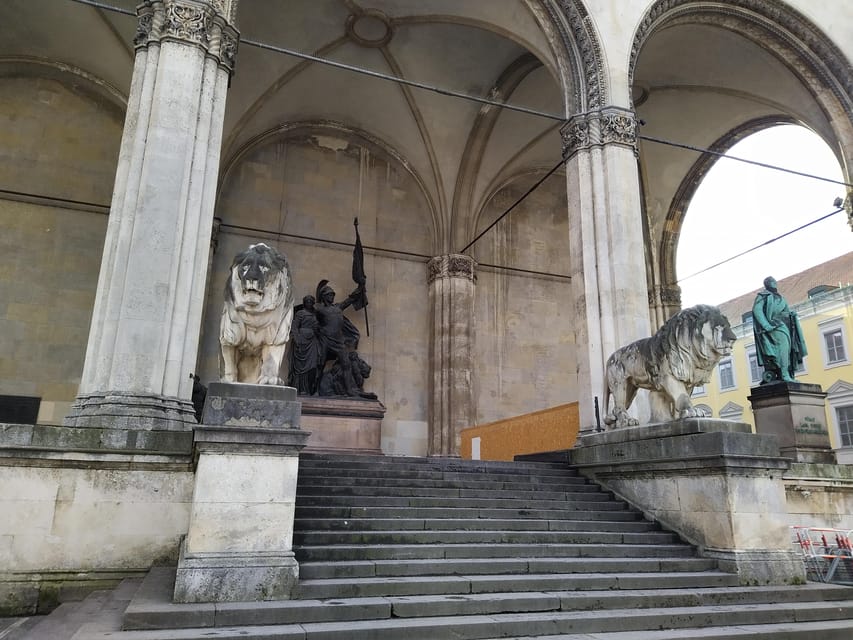
Entering the Wittelsbach palace in central Munich
The Munich Residence was the former home of the Wittelsbach royal family, Bavaria’s ruling dynasty for many centuries. It is not a single grand hall with a few side rooms. The complex covers about 40,000 square meters, with courtyards, apartments, ceremonial spaces, and museum rooms that reflect different periods of its long life.
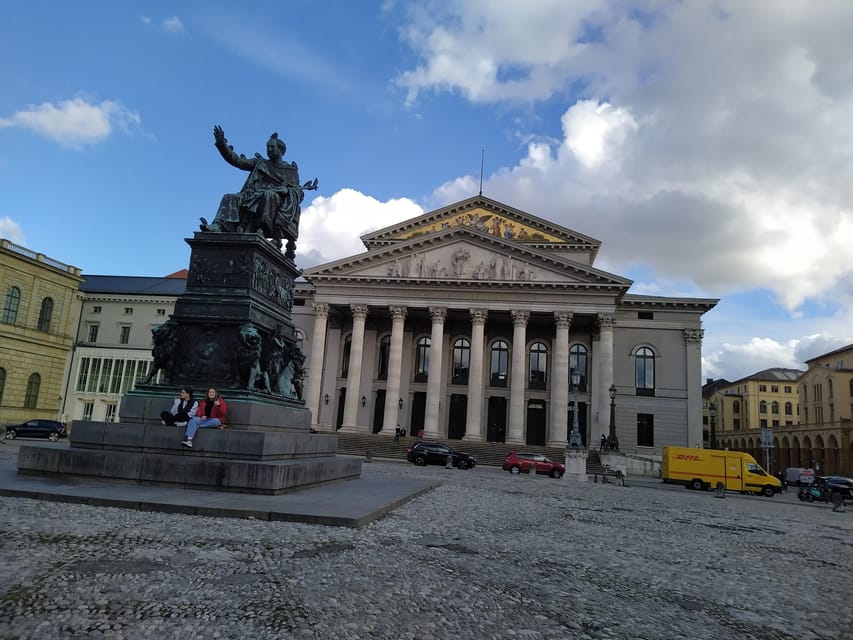
You meet your guide near the entrance at Residenzstrasse 21, close to the Munich Opera House. This central location makes the tour easy to fit into a day of sightseeing around the old city. Look for the guide near the entrance rather than waiting somewhere across the square.
The skip-the-line ticket is useful here. The value is not only the minutes saved at the door. It gives your guide a clean starting point, allowing the visit to begin with the palace rather than with ticket arrangements.
This is a private tour or a small-group experience, depending on the booking option. I prefer the private format for a building this large because you can stop when something catches your attention. If you are interested in royal architecture, Bavarian politics, or Ludwig II, you can ask for more detail. If you mainly want the visual highlights, your guide can keep the pace moving.
More skip-the-line entries in Munich:
- Munich: Nymphenburg Palace Skip-the-Line Private Guided Tour
★ 4.8 · 10 reviews - Munich: Alte Pinakothek Skip-the-Line & Guided Walking Tour
★ 4.9 · 9 reviews - Skip-the-Line: Berlin Wall Museum at Checkpoint Charlie
★ 4.1 · 2,041 reviews
Why the 136 rooms need a guide
The Residence can be hard to read on your own. You move through spaces built, altered, damaged, and rebuilt over different periods. Without context, it is easy to notice the decorations but miss how the palace worked as a home, court, and political center.
Your guide’s job is to point out the important rooms rather than march you through every possible corner. The tour description promises a focus on the key areas of this enormous complex, which is a sensible approach in a two-hour visit.
Expect an overview of the courtyards and the final generations connected with the palace. You’ll also hear about the royal family’s private lives, including love affairs and family relationships. These personal details help turn a large museum into a place inhabited by real people, not just a chain of decorated rooms.
The tour also touches on King Ludwig II, whose taste and imagination are central to Bavaria’s royal story. His name often brings to mind fairy-tale castles, but this visit places him within the broader setting of the Munich court. You’ll hear about his creativity and about the relationship between Bavaria and Napoleon.
The guide is especially valuable when the building’s story becomes complicated. The Residence was completely destroyed during the Second World War and later reconstructed. The rooms you see today therefore represent both the original royal project and the enormous work of bringing the palace back.
Courtyards, ceremonial rooms, and royal stories
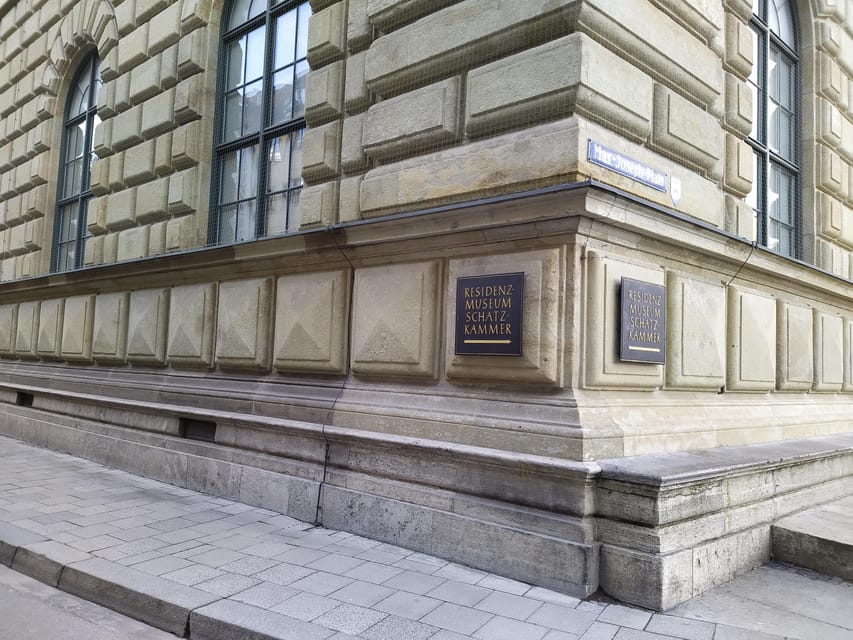
The courtyards help you understand the physical size of the Residence. They break up the palace into sections and show how the complex grew over time. From there, the interiors give you a sense of the public and private sides of court life.
Some rooms were designed to impress visitors and support official business. Others reflect family life and personal taste. A good guide explains the difference, so you can read the palace as a working royal residence rather than a collection of attractive interiors.
I would pay close attention to the transitions between spaces. A change in scale, decoration, or purpose can reveal how the Wittelsbach family wanted to be seen. The tour is not simply about ornate rooms. It is about power, status, family connections, and the effort required to maintain a royal household.
The stories about love affairs and family relationships add a lighter human touch. You may find that these details stay with you longer than a list of dates. They also make the palace more approachable if you are interested in people and politics but do not usually spend hours in museums.
The private setting gives you a chance to ask for clarification. If a name or event is unfamiliar, you can pause and ask. That is harder to do in a large public group where the guide must keep moving.
Reconstruction after destruction
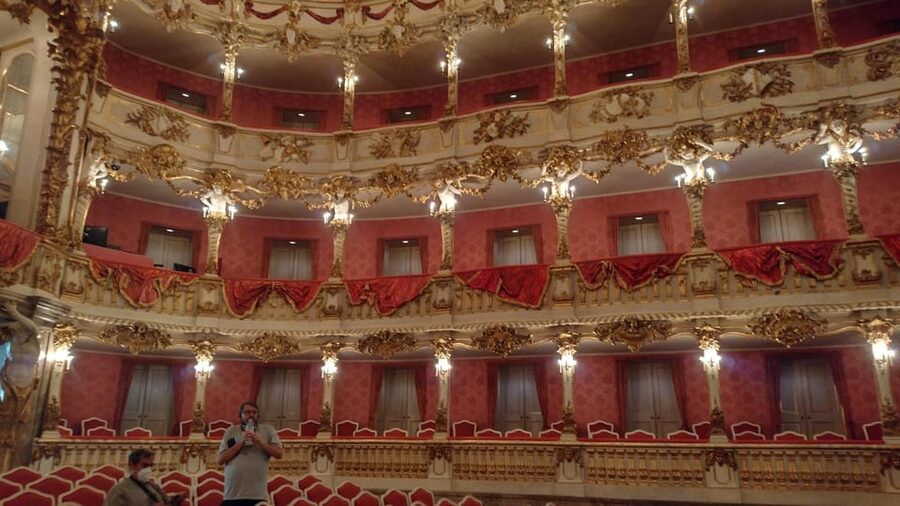
One of the most important parts of the visit is understanding that the Residence you see today has been rebuilt. The palace was destroyed, and the reconstruction required careful work to restore its rooms and public identity.
That fact changes the way you look at the interiors. You are seeing an effort to preserve Bavarian history after a major loss, not an untouched palace frozen in time. Your guide can explain the reconstructed work and help you consider what survives, what was restored, and how the complex now functions as a museum.
This is also where the tour’s short length becomes both a strength and a limit. Two hours, or up to 150 minutes, is enough for a clear overview of the main areas. It is not enough to study every room in detail. If you want a complete museum visit at your own pace, you may need extra time before or after the guided tour.
The best approach is to let the guide provide the framework, then return independently to any section you want to examine more closely, if museum access and opening arrangements allow. The supplied experience information does not promise additional unguided time, so check the day’s details before planning a long second visit.
A few more half-days in Munich worth comparing
- Munich: Third Reich & WWII Walking Tour
★ 4.6 · 6,181 reviews - Dachau Concentration Camp Memorial Site Tour from Munich by Train
★ 4.5 · 5,637 reviews - Third Reich Walking Tour Munich
★ 4.5 · 4,291 reviews - Munich Hop-On Hop-Off Tour: 1-Day or 2-Day Ticket
★ 4.3 · 4,161 reviews
What the guides add
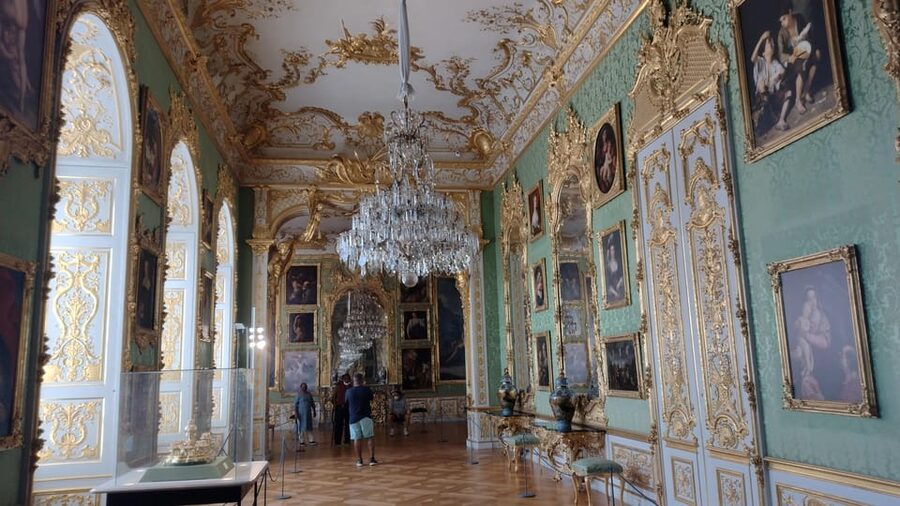
The strongest part of this experience is the human guide. Genny is specifically praised for getting a visitor through the palace efficiently while providing information in each room. That matters in a complex where it would be easy to lose track of time or miss the main highlights.
Freya is described as both fun and well informed. Those qualities are useful here. The Residence needs enough explanation to make sense, but a dry recital of dates would make the rooms blur together. A guide who can balance facts with entertaining stories gives the visit a better rhythm.
The available languages are English and German. You should select the language that lets you ask natural questions and follow stories without effort. A private or small-group format also means you are not simply listening from the back of a crowd.
The guides are local artists, according to the experience description. That suggests a focus on seeing the palace not only as a historic building but also as a work of design and reconstruction. Still, the exact route and emphasis may vary by guide, so tell your guide at the start what interests you most.
If you enjoy architecture, ask for more attention to the courtyards and rebuilt interiors. If royal personalities are your main interest, ask about Ludwig II, Napoleon, and the family stories. The more clearly you state your priorities, the more useful a private tour can be.
The Cuvilliés Theater question
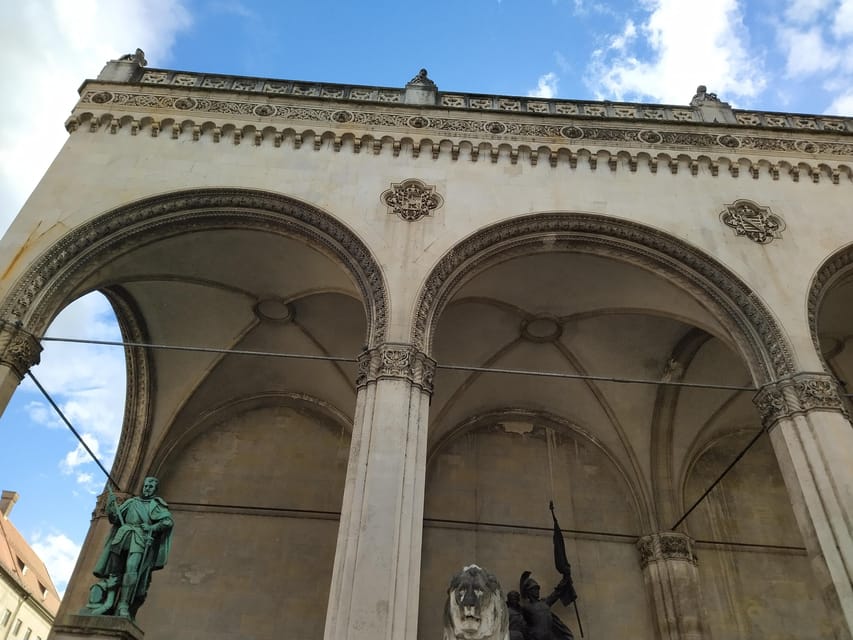
The extended version is described as including an outside look at the Residence and a visit to the Cuvilliés Theater. However, you should confirm this before booking or at the meeting point.
One recent booking experience found that the theater was not part of the tour and required an additional €5 ticket. The theater itself took only about 5 to 10 minutes to visit independently, according to that account. That makes the extra cost modest, but it is still important to know what your package covers.
The theater is a separate stop from the main Residence rooms, so it may appeal most to visitors with a special interest in court performance spaces and decorative design. If it matters to you, ask directly: Is the Cuvilliés Theater ticket included, and will the guide accompany you inside?
Do not assume that the phrase extended version means the same thing for every departure. The supplied information is not fully consistent on this point. Treat the theater as an optional addition unless your booking confirmation clearly says otherwise.
Is $139 a fair price?
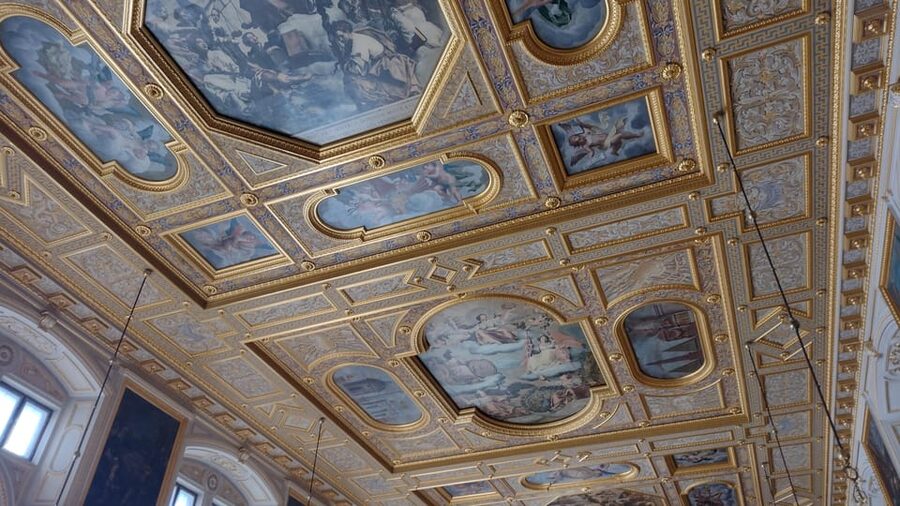
At $139 per person, this is not a budget museum visit. The value rests on the private guide and the included entrance ticket, not on the ticket alone.
For a first visit to Munich, I can see the case for paying more. The Residence is large, historically layered, and easy to experience without a clear sense of how its parts fit together. A guide gives you a route, explains the reconstruction, and selects the rooms that matter most.
The price makes less sense if you are happy to read labels, move slowly on your own, and spend as much time as you like in the museum. Independent visitors may prefer to save the money and explore without a fixed two-hour schedule.
The tour is also a better buy for two or more people who value personal attention. With a private group, you are paying for a shared guide rather than joining a large crowd. That can make the cost easier to justify, especially if you want to ask questions or need a clear overview before exploring Munich on your own.
Remember to budget separately for the Cuvilliés Theater if it is not included in your booking. The reported €5 charge is small compared with the tour price, but it can affect your expectations.
Timing, restrictions, and practical preparation
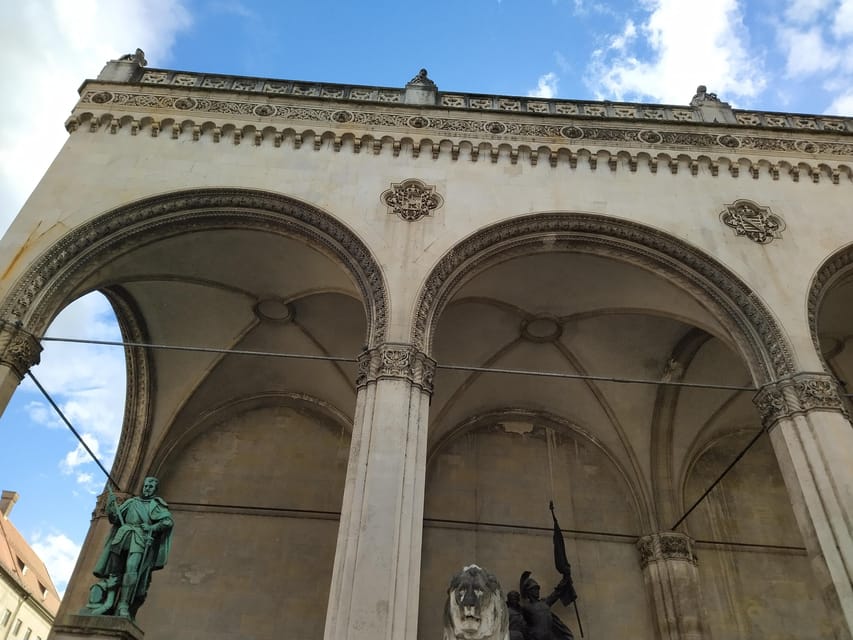
The tour lasts two hours to 150 minutes. That is enough for the major highlights, but you should not expect a slow examination of every one of the 136 rooms. Wear comfortable shoes and arrive ready to keep moving through a large complex.
The wardrobe rules require attention. Backpacks, bags, plastic bags, plastic bottles, drinks, alcohol, and other prohibited items cannot be taken inside. Bags must be deposited at the wardrobe, so travel light and avoid bringing anything you will need during the visit.
The experience is not suitable for children under 12, wheelchair users, or people with mobility impairments. It is also not suitable for people with pre-existing medical conditions. These restrictions are significant, so consider another Munich activity if anyone in your party falls into one of these groups.
The tour is offered in English and German. You can cancel up to 24 hours before the activity for a full refund, and the reserve-now, pay-later option keeps you from paying at the time of booking. Starting times vary, so check availability before building the rest of your day around it.
Who should book this Residence tour?
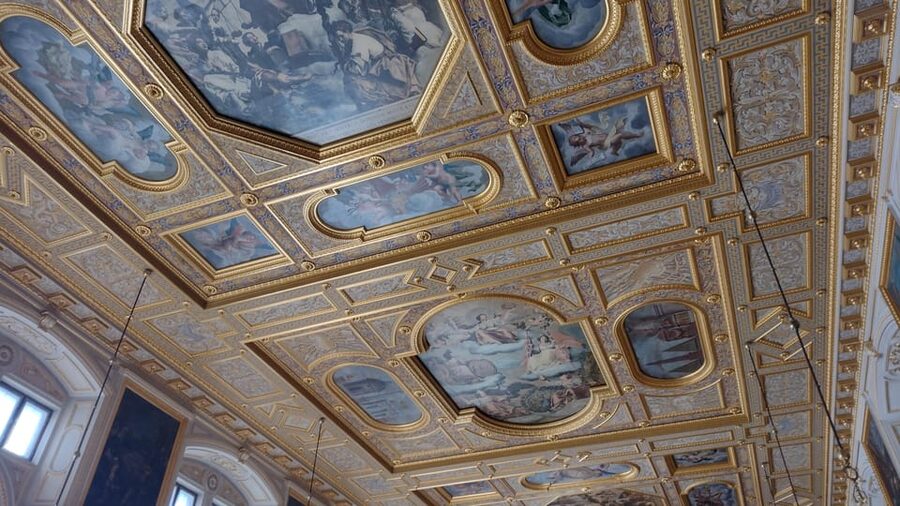
I would choose this tour if you want the palace explained rather than simply visited. It suits first-time visitors to Munich, history fans, and anyone who finds large royal complexes confusing without a guide.
It is also a good match for couples, families with older teenagers, and small groups who want a more personal visit. The age limit means it is not designed for younger children, and the physical restrictions rule it out for some visitors.
You should think twice if you prefer complete independence, dislike fixed schedules, or want to inspect every room at your own pace. The tour gives you a strong framework, but it cannot replace a long self-guided museum session.
My booking advice
Book the Munich Residence private tour if the guide’s interpretation is as important to you as the building itself. Genny and Freya have received especially strong praise for clear, friendly guiding, and the private format should help you get more from the palace’s courtyards, royal rooms, and reconstructed interiors.
Before paying, confirm two details: the exact tour length and the status of the Cuvilliés Theater. If the theater is a must-see, ask about the extra €5 ticket and whether the guide joins you there.
For a focused introduction to Bavaria’s royal center, the $139 price can be worthwhile. You get skip-the-line admission, a professional guide, and a sensible route through a very large museum. Just arrive with light luggage, realistic expectations about the time available, and a clear idea of which stories you want to hear.
FAQ
Where does the tour meet?
You meet the guide near the entrance to the Munich Residence at Residenzstrasse 21, close to the opera.
How long does the tour last?
The tour lasts between two hours and 150 minutes, depending on the option and schedule available.
Is the entrance ticket included?
Yes. The professional guide and entrance ticket are included.
Is skip-the-line entry included?
Yes. The activity includes skip-the-ticket-line admission.
Which languages are available?
The live tour guide is available in English or German.
Is the Cuvilliés Theater included?
The information provided describes the extended version as including the theater, but one booking experience required a separate €5 ticket and visited it independently. Confirm this point before booking.
Can I cancel for a full refund?
Yes. You can cancel up to 24 hours in advance for a full refund.
Just added in Munich
- Private transfer: Vilshofen to Munich with 2h sightseeing stop★ 5.0 · 6 reviews
- Pub crawl incl. Oktoberfest museum guided tour with beer tasting (private)★ 5.0 · 5 reviews
- South Tyrolean specialties and wine tasting★ 5.0 · 5 reviews
- Size Matters Beer Tour Munich★ 4.6 · 105 reviews
- Short & sweet: Tasting the Viktualienmarkt★ 4.8 · 37 reviews
- Secret Food Tours Munich★ 4.8 · 5 reviews
- Munich: Romantic Wine Experience for Two at Viktualienmarkt★ 4.2 · 14 reviews
- Munich: Resistance against Hitler – Historical Walking Tour★ 5.0 · 5 reviews
Skip the Line, compared.
Skip-the-Line: Berlin Wall Museum at Checkpoint Charlie
Read our review →

Neuschwanstein Castle Tour with Skip the Line from Hohenschwangau
Read our review →
Zwinger Skip-the-Line & 2-Day Hop-On Hop-Off Bus
Read our review →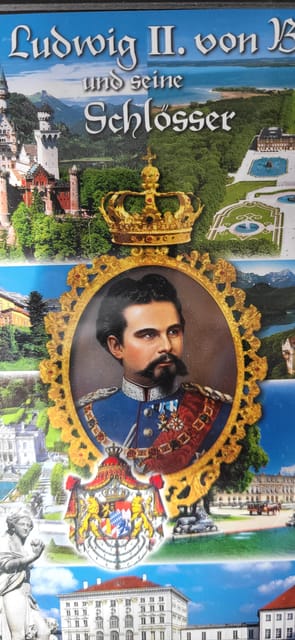
Füssen: Bike Hire and Neuschwanstein Castle Skip-the-Line
Read our review →
Half-Day Skip-the-Line Neuschwanstein Castle Tour
Read our review →
Dresden Castle Skip-the-Line Entry & 2-Day Hop-On Hop-Off
Read our review →Browse the lists this tour appears in