
Reviewed · WALKING TOURS
Berlin: David Bowie & 1970s Berlin Guided Walking Tour
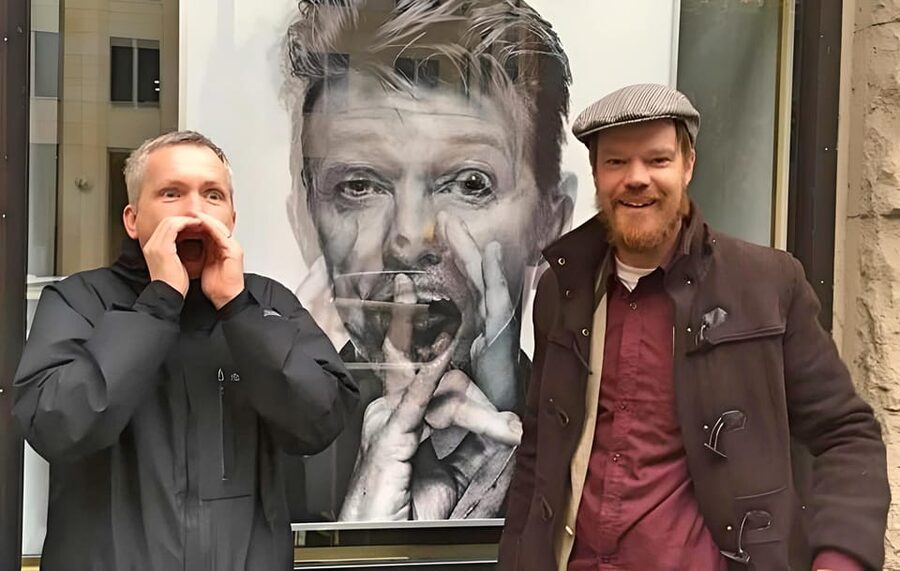
David Bowie’s Berlin was not a backdrop. It was a working part of the music. This three-hour tour connects the clubs, cafés, railway stations, Cold War sites, recording studios, and neighborhoods that shaped his Berlin years and the albums Low, Heroes, and Lodger. I especially like the use of music clips and old photographs on the route, and the way the tour links Bowie’s private life to Berlin’s divided, uneasy culture.
I also like that the experience goes far beyond a single fan pilgrimage. You’ll see places such as the Hansa Studios and Topography of Terror, while learning how Berlin functioned in the 1970s. The main drawback is practical: this is not a simple three-hour stroll. You’ll use buses, trains, and the subway, pay separately for transport, and cover a lot of ground.
Key points at a glance
- Bowie’s Berlin in three hours: Follow the story from Cold War West Berlin to his former home and favorite haunts.
- Hansa Studios: See the recording location linked with the creative peak of Bowie’s Berlin period.
- Music in context: Guides use songs, photographs, and video to connect places with Low and Heroes.
- More than a Bowie tour: Learn about Berlin’s Wall, arts scene, clubs, political tension, and changing neighborhoods.
- Transit is part of the route: Bring or buy a Berlin day pass because several stops are too far apart to walk.
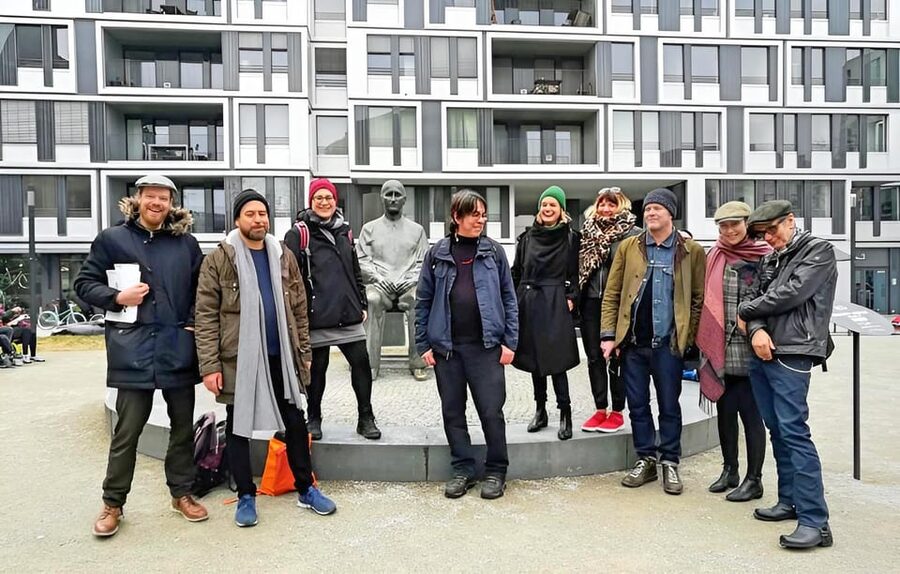
- Guide quality matters: Dan, Lee, Ronen, Martin, Klaus, Rachel, and other English-speaking guides have led this experience.
Why Bowie’s Berlin still matters
When Bowie arrived in West Berlin in 1976, he was looking for distance from the pressures of fame, personal problems, and the music business. Berlin offered something very different from London, Los Angeles, or New York: a divided city surrounded by East Germany, full of political tension, artists, nightclubs, damaged streets, and room to disappear.
That setting shaped the sound as much as the lyrics. The Berlin albums are not conventional sightseeing souvenirs. They carry a sense of uncertainty, machinery, isolation, and sudden beauty. A good guide helps you hear those qualities differently by placing the music beside the city where it was made.
I like this tour because it does not treat Bowie as an isolated celebrity. You learn about Iggy Pop, the club scene, Berlin’s Cold War borders, and the creative circles that made the city attractive to artists. You also get a useful introduction to how much Berlin has changed since the 1970s.
The guide is central to the experience. The tour is led in English by historians, professors, doctoral students, journalists, art critics, and published authors. Past guides have included Dan, Lee, Ronen, Martin, Klaus, Rachel, Nadav, and Jim. The strongest guides bring personal energy to the story, but they also explain the city beyond Bowie.
More Walking Tours in Berlin
- Discover Berlin Half-Day Walking Tour
★ 5.0 · 9,624 reviews - Berlin: Third Reich and Cold War 2 Hour Walking Tour
★ 4.9 · 6,830 reviews - Berlin: Discover Berlin Walking Tour
★ 4.9 · 5,998 reviews
Starting near the Spree and the Tränenpalast
The stated meeting point is Ständige Vertretung, a memorabilia-filled café at Schiffbauerdamm 8. Depending on the selected option, the route can begin elsewhere, so check your confirmation carefully before setting out.
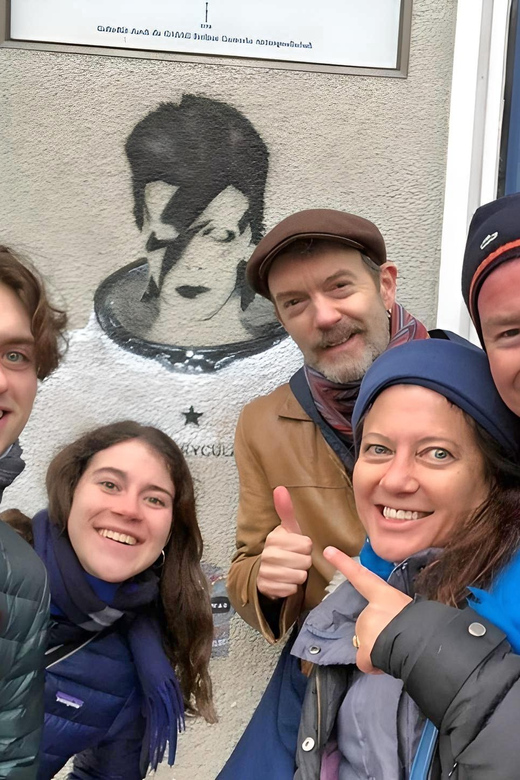
The early stops include Bertolt-Brecht-Platz and the Tränenpalast. These places widen the story beyond music. Bertolt Brecht’s name connects Berlin with theater, political art, and writers who used culture to question authority. The Tränenpalast, or Palace of Tears, recalls the harsh personal side of Berlin’s division, where people said goodbye at a crossing point between East and West.
This opening works well because Bowie’s Berlin only makes sense when you understand the city’s pressure. The clubs and recording studios were exciting, but they existed beside checkpoints, walls, restrictions, and a constant awareness of the East.
Do not expect a long museum visit at every stop. The tour is designed around outdoor explanation, movement, photographs, and conversation. You may look into or pass by cultural sites rather than spend extended time inside them.
Anhalter Bahnhof, Martin-Gropius-Bau, and the Wall
Anhalter Bahnhof is one of the tour’s more atmospheric places. The former railway station recalls Berlin’s divided past and the damage left by war and political separation. It also helps you picture the fractured city that attracted Bowie and other artists.
The nearby Martin-Gropius-Bau and Topography of Terror shift the focus toward Berlin under dictatorship and division. Topography of Terror is especially important because it documents the institutions of Nazi persecution at a site once used by the Gestapo and SS. That history is not a footnote to the Bowie story. It is part of the heavy historical setting in which modern West Berlin developed.
You’ll also encounter the Berlin Wall and the former Potsdamer Platz area. The city you see now can make the 1970s hard to imagine. Modern buildings and open public spaces have replaced many of the empty or divided areas that once defined the city.
I appreciate this part of the route because it prevents the tour from becoming a string of celebrity addresses. The guide can show how Bowie’s songs fit into a city marked by walls, surveillance, memory, and artistic resistance.
Hansa Studios and the sound of Heroes
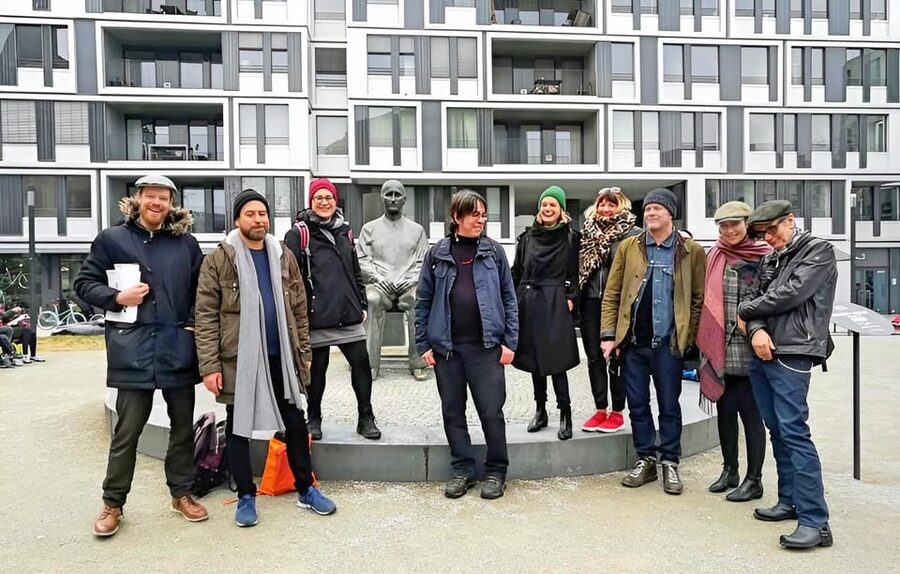
Hansa Studios is the emotional center of the tour for many Bowie fans. Bowie recorded at the studio during the period associated with Heroes, and the building is closely tied to the image of West Berlin looking toward the Wall.
The experience does not turn the studio into a theme-park attraction. You should expect an exterior visit and an explanation of the recording story rather than a full studio tour. That is still valuable. Standing near the building while hearing the background to the music gives the album a physical location.
Guides may play excerpts from Heroes and Low, using the music to explain specific moments and moods. This is one of the best features of the experience. Instead of hearing a list of facts, you hear how a song connects to a place, a period, or an event.
If you know every Bowie album already, the guide can still add value through lesser-known stories and local context. If you are only familiar with the major singles, the tour may send you back to the albums with new ears.
Same city, a completely different kind of day:
- Berlin: Reichstag, Dome and Government District Guided Tour
★ 4.7 · 18,288 reviews - Berlin: 1-Hour City Tour by Boat with Guaranteed Seating
★ 4.3 · 16,993 reviews - Berlin: Boat Tour Along the River Spree
★ 4.4 · 11,252 reviews - Berlin: Hop-on Hop-off Bus Tour with Live Commentary
★ 4.3 · 8,579 reviews
KaDeWe, Bahnhof Zoo, and West Berlin nightlife
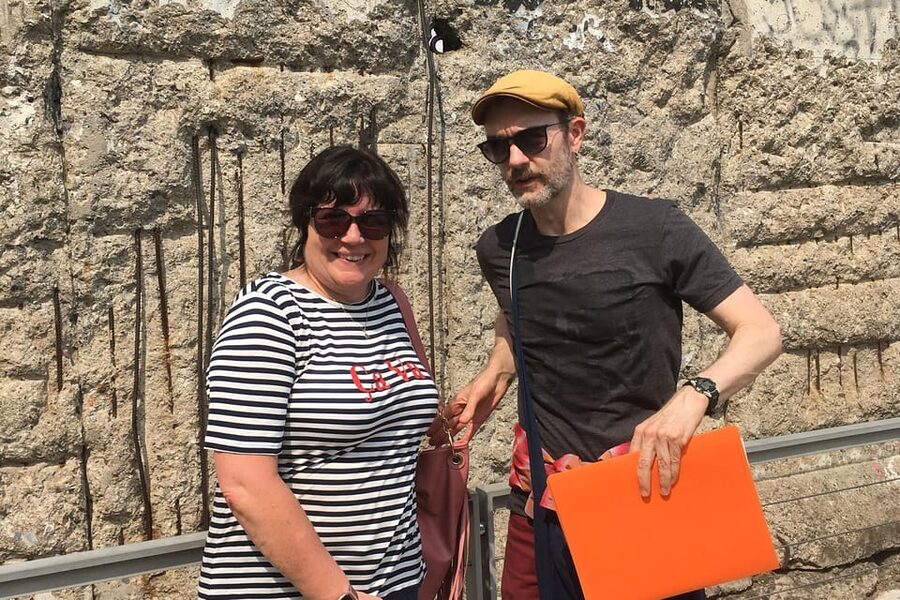
The route continues through famous West Berlin locations, including KaDeWe and Zoologischer Garten Station, commonly called Bahnhof Zoo. These places show a different side of the city from the Wall and memorial sites.
KaDeWe represented the consumer world of West Berlin. Its department-store setting contrasts with the rougher, more bohemian areas where Bowie and Iggy Pop spent time. Bahnhof Zoo was a major transport hub and a symbol of the city’s rough-edged urban life.
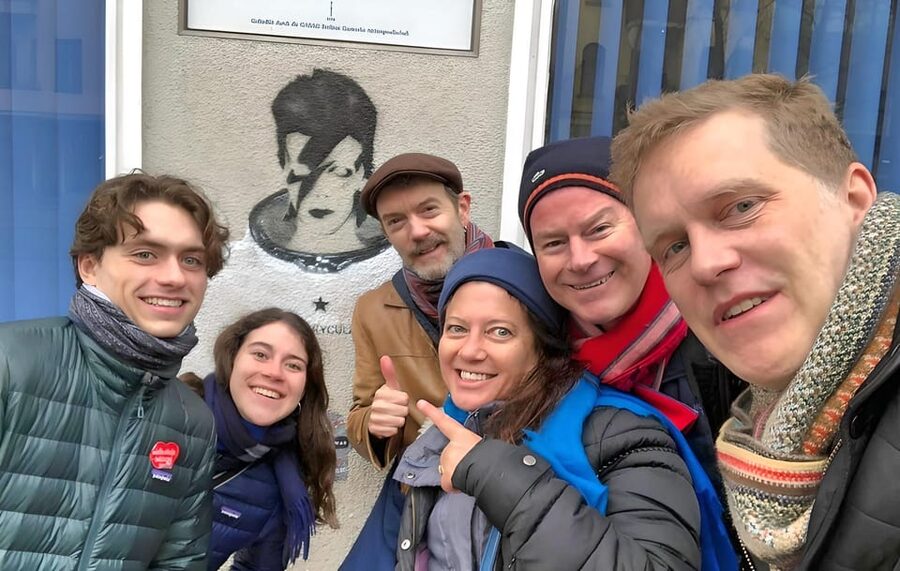
The tour also points out locations connected with the former Dschungel Club and other places where Bowie and Iggy Pop socialized. The club itself is no longer operating in its 1970s form, so do not expect a preserved interior. The value is in understanding the scene that once occupied these streets.
You’ll hear about cafés, musicians, artists, and the unusual social life of West Berlin. This is where the tour feels most like cultural history rather than a standard music walk. Bowie was not simply recording in isolation. He was living among people who had chosen Berlin because it felt different from the rest of the Western world.
Bowie and Iggy Pop’s former home
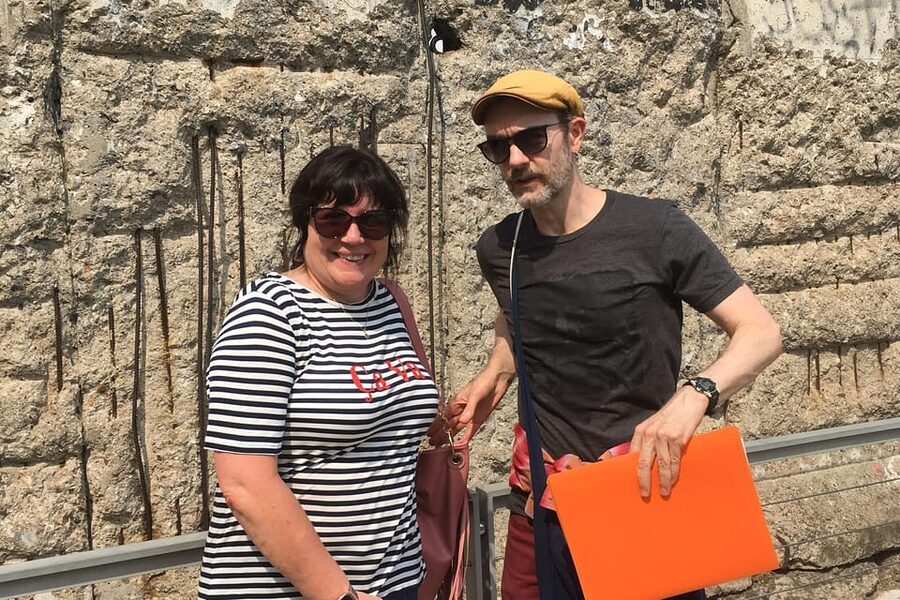
One of the most personal stops is the flat Bowie shared with Iggy Pop. Seeing the building and surrounding neighborhood gives you a more ordinary image of the artist. This was not a stage set or a grand mansion. It was part of daily life in a neighborhood where Bowie could walk, shop, and attempt to live normally.
The address is private, so the experience is about the exterior and the story rather than entering the property. Be respectful. You are visiting a residential setting, not a public attraction.
This part of the route can be especially meaningful if you are interested in the relationship between Bowie and Iggy Pop. Their Berlin years overlapped creatively and socially, and the tour places their work side by side. Iggy’s The Idiot and Lust for Life are part of the same artistic story, not unrelated side notes.
The surrounding area also helps explain the appeal of Berlin’s everyday life. The tour can point you toward streets and local places that do not appear on a normal sightseeing route. Some people choose to walk around the neighborhood afterward, taking in the setting at a slower pace.
Neues Ufer Café and Bowie’s daily life
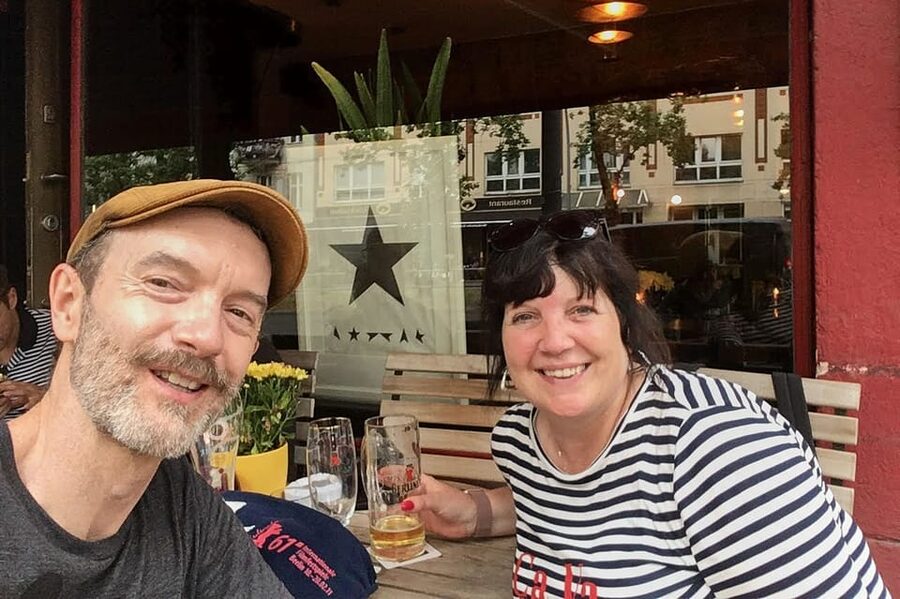
Neues Ufer Café is another important stop. Bowie was known to spend time there, and the café remains linked with his Berlin period. It gives the tour a more relaxed counterpoint to the Wall, memorials, and recording studio.
You should not assume the tour includes food or drink. Meals and refreshments are not included, and the schedule may not allow a long café break. Still, the location is useful because it shows how Bowie’s Berlin was made up of ordinary routines as well as major artistic moments.
The café stop also suits people who are interested in Christopher Isherwood and Berlin’s literary history. One guide has been known to include the apartment where Isherwood lived when relevant to the group’s interests. That kind of extra connection is possible, but it depends on the guide and the pace of the day.
A tour that moves by foot, bus, and train
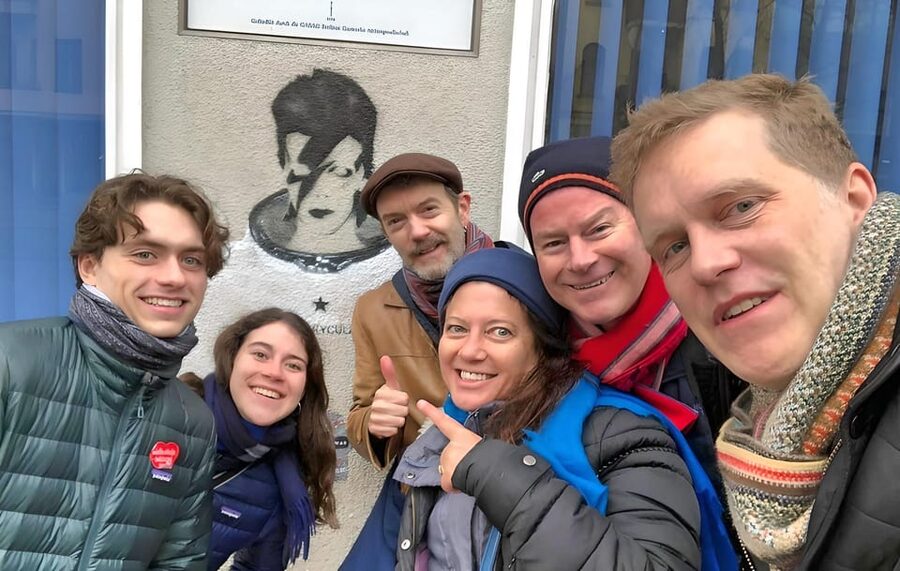
The word walking tour can be slightly misleading here. You will walk, but the route crosses several parts of Berlin, so public transport is necessary. Expect to use trains, buses, or the subway between some key locations.
Buy a Berlin day metro pass before the tour if you can. Public transport is not included in the $135 price. If you cannot arrange a ticket beforehand, the guide can help you buy one at the first station, but that takes time from the tour.
This mixed format has two clear benefits. First, you cover far more of Bowie’s Berlin than a compact neighborhood walk could offer. Second, you learn how to use Berlin’s transport system, which can help during the rest of your stay.
The tradeoff is pace. You may stand on platforms, transfer between services, and walk on uneven city streets. One useful tip is to wear supportive shoes and dress for changeable Berlin weather. Arrive about 10 minutes early, since a late start can make an already busy route feel rushed.
How much value do you get for $135?
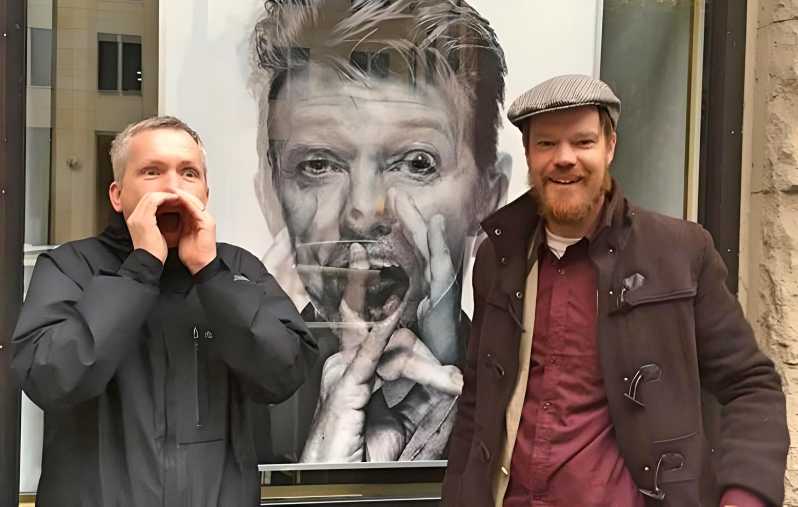
At $135 per person, this is a costly tour, especially if you are traveling alone and the booking requires payment for two people. One booking experience specifically raised that concern, so check the minimum group size before paying.
The price makes more sense if you choose a private or small-group option and care about the subject enough to ask questions. You are paying for three hours with a specialist guide, not simply for access to monuments. Public transport, food, and drinks cost extra.
I would not choose this tour if you only want a quick photo at Hansa Studios. You can visit many public locations independently. The value comes from the connections: Bowie and Iggy Pop, music and politics, cafés and clubs, the Wall and the recording room, old photographs and present-day streets.
The guide also saves you research time. Dan, Lee, Ronen, Martin, and others have been praised for using music, video, and photographs to bring the period into focus. Strong guides explain not only what happened, but why Berlin mattered to Bowie’s creative change.
Who will enjoy it most?
This is an obvious choice for serious Bowie fans, especially anyone drawn to Low, Heroes, and Lodger. You will appreciate the chance to see the former home, Hansa Studios, Neues Ufer Café, former nightlife locations, and the streets connected with Bowie’s daily life.
You do not need to be an expert. Several parts of the tour focus on Berlin’s political and cultural past, so a partner or parent who is less interested in Bowie can still find plenty to enjoy. The music gives the history a strong thread, while the city gives the music a clearer setting.
The tour is also a good fit if you want to explore neighborhoods beyond the standard central sights. It helps if you have already taken a general Berlin history or Wall tour, since you’ll understand the background more quickly. If this is your first historical tour in Berlin, the guide will still provide context, but the amount of information may feel dense.
Families with older children and teenagers may enjoy it if they can manage three hours of walking and transit. The route is not presented as a children’s attraction, and young children may find the historical explanations or transport changes tiring.
Practical details before you book
The experience lasts three hours and is offered in English. Private and small-group formats are available, though the exact option affects the meeting point and price.
Free cancellation is available up to 24 hours before the start time, and you can reserve now and pay later. Confirm the starting location because the stated meeting point may vary by selected option.
Bring a transit pass or enough time to buy one at the first station. Wear sturdy shoes, carry water, and leave room in your schedule afterward. The final stop and exact finish point matter if you want to book dinner immediately after, so confirm those details in advance.
Guides sometimes give the group extra time, but you should not count on that. The route includes many stops, and the best experience comes when you allow the guide to tell the story rather than rushing from one address to the next.
Should you book the Bowie Berlin tour?
Book it if you want the city and the music explained together. The strongest part is not any single building. It is the way the guide links Hansa Studios, Bowie’s flat, Iggy Pop, the clubs, the Wall, and everyday West Berlin into one clear story.
I would especially recommend it for fans who have listened to Low and Heroes for years but have never visited Berlin. It also works for curious music lovers who want a different way into Cold War history.
Skip it if you prefer a short, self-guided route, dislike public transport during organized tours, or are mainly looking for indoor attractions. At $135, plus transport, the cost is hard to justify for a casual Bowie listener.
For the right person, though, this is a memorable use of an afternoon. You leave with more than a set of photographs. You understand why Bowie’s Berlin sounded so strange, tense, and alive.
FAQ
How long is the David Bowie Berlin tour?
The tour lasts three hours.
What language is the tour offered in?
The live guided tour is offered in English.
Where does the tour meet?
The stated meeting point is Ständige Vertretung, a memorabilia-filled café at Schiffbauerdamm 8, 10117 Berlin. The starting point can depend on the selected option, so check your booking details.
Which Bowie-related sites are included?
The route includes Hansa Studios, Bowie’s former home, Neues Ufer Café, the former Dschungel Club area, KaDeWe, Bahnhof Zoo, and other locations connected with Bowie’s Berlin years.
Does the tour include public transport?
No. Public transport tickets are not included. You will need to use Berlin buses, trains, or the subway during the tour.
Should I buy a transit pass before the tour?
Yes. A Berlin day metro pass is advised because some locations are too far apart to walk. If you cannot buy one in advance, the guide can help you purchase it at the first metro station.
Is food or drink included?
No. Food and drinks are not included in the tour price.
Can I cancel the booking?
You can cancel up to 24 hours in advance for a full refund. Reserve now and pay later is also available.
Just added in Berlin
- Berlin & The Third Reich Private Guided Tour★ 5.0 · 3 reviews
- Third Reich Quest Experience in Berlin★ 4.5 · 7 reviews
- Private Analogue Photography Experience in Berlin★ 5.0 · 3 reviews
- Berlin Urbex Adventure and History Tour★ 5.0 · 9 reviews
- The Beauty of Berlin by Bike: Private Tour★ 5.0 · 59 reviews
- Berlin: Guided Bike tour of the Berlin Wall and Third Reich★ 5.0 · 160 reviews
- Beyond Currywurst: Berlin’s Hidden Street Food & Culture Tour★ 5.0 · 100 reviews
- Berlin Third Reich & Cold War Walking Tour With A Guide★ 5.0 · 7 reviews
Walking Tours, compared.



Berlin’s Best: 2 Hour Walking Tour Third Reich and the Cold War
Read our review →
Third Reich Berlin: Hitler and WWII Walking Tour
Read our review →Browse the lists this tour appears in