Reviewed · BERLIN TOURS
Produce Techno and House Music in Berlin
Berlin’s club sound comes into clearer focus when you sit at the machines that make it. In Andy Sexton’s studio, you spend two hours building a house or techno track rather than simply hearing about the scene. I like the hands-on format and the chance to work with both modern and vintage gear. The small group also means this is a real lesson, not a lecture delivered over someone’s shoulder.
The main consideration is time. Two hours is enough to create a short track and learn a practical workflow, but not enough to master music production. At $147 per person, this makes the most sense if you want personal instruction, access to professional equipment, and a finished piece of music, not just a quick look inside a studio.
Key Points
- Build a track from scratch: Program drums and synthesizers, then shape them into a house or techno arrangement.
- Learn with Andy Sexton: Andy teaches in English and explains both the technical steps and the thinking behind making music.
- Use serious studio equipment: The room includes professional software, modern and vintage music gear, microphones, piano, guitar, and percussion.
- Keep the group small: A maximum of four participants gives you a better chance to ask questions and take a turn at the controls.
- Finish with a club-ready mix: The session includes arranging and mixing down the track for playback in a club.
- No prior experience required: Beginners can start from the basics, while experienced makers can focus on workflow and structure.
Why This Studio Session Fits Berlin
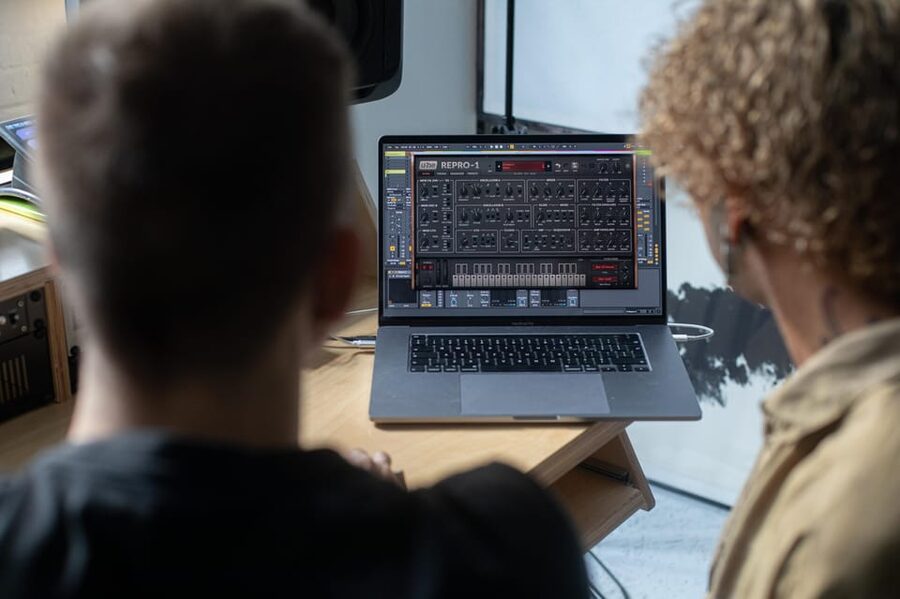
Berlin is closely tied to underground house and techno, and this activity lets you look at that culture from the production side. You are not only visiting a club district or hearing a guide explain Berlin’s music scene. You are working through the steps that turn a beat, a bass line, and a few electronic sounds into a track.
That difference matters. Club music can seem simple from the dance floor, but producing it calls for choices about rhythm, tone, repetition, arrangement, and timing. Andy’s lesson gives you a practical way to understand those choices. You can hear how a drum machine changes the feel of a groove, how a synthesizer is shaped into a bass line, and how separate sounds are organized into a track.
I also like that the session is built around making something. You leave with more than a general impression of electronic music. The goal is to create your own small track within the time available, and one participant extended the session to complete a piece to take home. An extension is not part of the standard two-hour booking, so treat that as a possible extra rather than a promise, but it shows how easily the session can become absorbing for people who want more time.
A few more half-days in Berlin worth comparing
- Berlin: Reichstag, Dome and Government District Guided Tour
★ 4.7 · 18,288 reviews - Berlin: 1-Hour City Tour by Boat with Guaranteed Seating
★ 4.3 · 16,993 reviews - Berlin: Boat Tour Along the River Spree
★ 4.4 · 11,252 reviews
Arriving at the Brick Studio Building
Your meeting point is the front door of a large industrial building made of reddish-brown brick. You should arrive a few minutes early and look for Andy at the entrance. Transportation to and from the studio is not included, so you need to arrange your own way there.
The setting fits the activity. This is not a staged attraction built to resemble a recording studio. You meet at a working studio in the heart of Berlin’s clubbing district, then move straight into the production process. The industrial surroundings provide useful context for the city’s electronic music culture, though the activity itself takes place indoors and is focused on the equipment and lesson.
Since the meeting point is described by appearance rather than by a named landmark in the supplied details, check your booking information carefully before setting out. Giving yourself a few extra minutes is wise, especially if you are unfamiliar with Berlin’s clubbing district.
The First Thirty Minutes: Getting Comfortable With the Tools
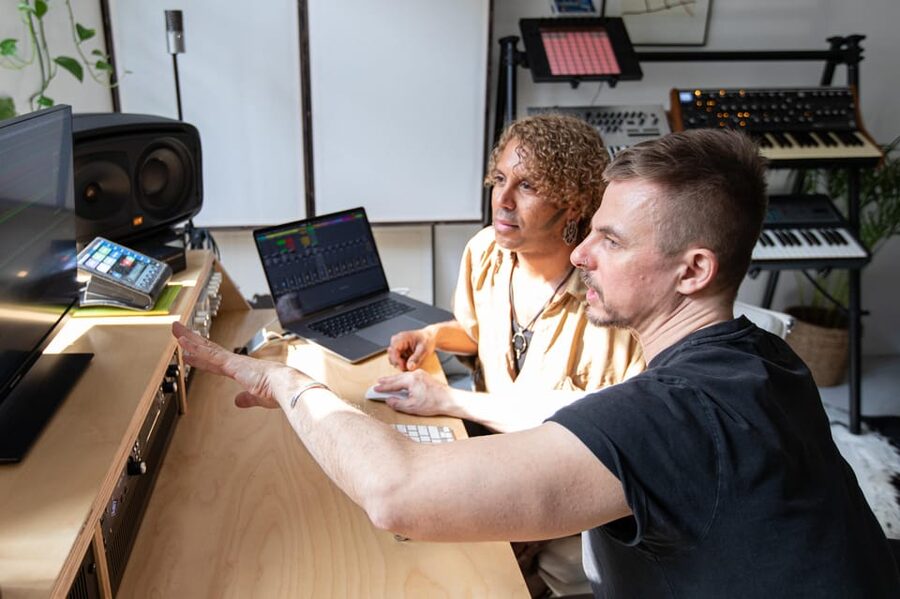
Andy begins with an introduction to the basic tools and the way they fit together. You do not need previous music production experience, so a beginner can ask simple questions without feeling behind. The lesson is also suitable for people who already make music and want a clearer process for building grooves and arranging tracks.
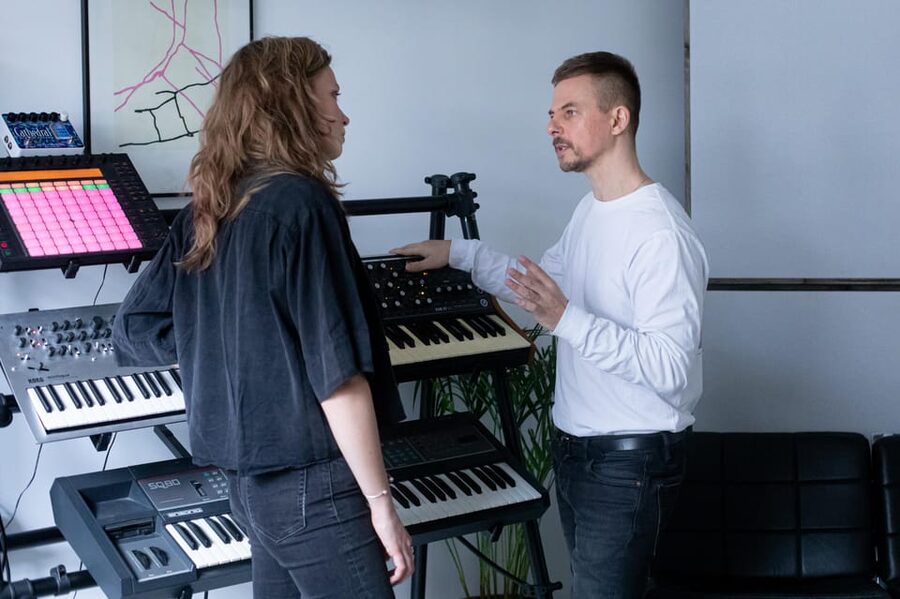
You will work with professional music production software along with hardware synthesizers and drum machines. The studio also has modern and vintage gear, so the session can show you two sides of electronic production. Modern software offers control and flexibility, while hardware gives you physical knobs, keys, and buttons to adjust.
This opening section is important because electronic music production can look confusing at first. A room full of cables, controls, screens, and instruments can overwhelm a new producer. Andy’s role is to give those tools a purpose. Instead of pressing buttons at random, you start to see how a drum pattern, a bass sound, and a melodic part relate to one another.
The teaching also includes Andy’s own philosophy and working methods. That is useful because you are not only copying a sequence of instructions. You are learning how to approach a track, organize your work, and make decisions when a sound or section is not working.
Programming Drum Machines and Synthesizers
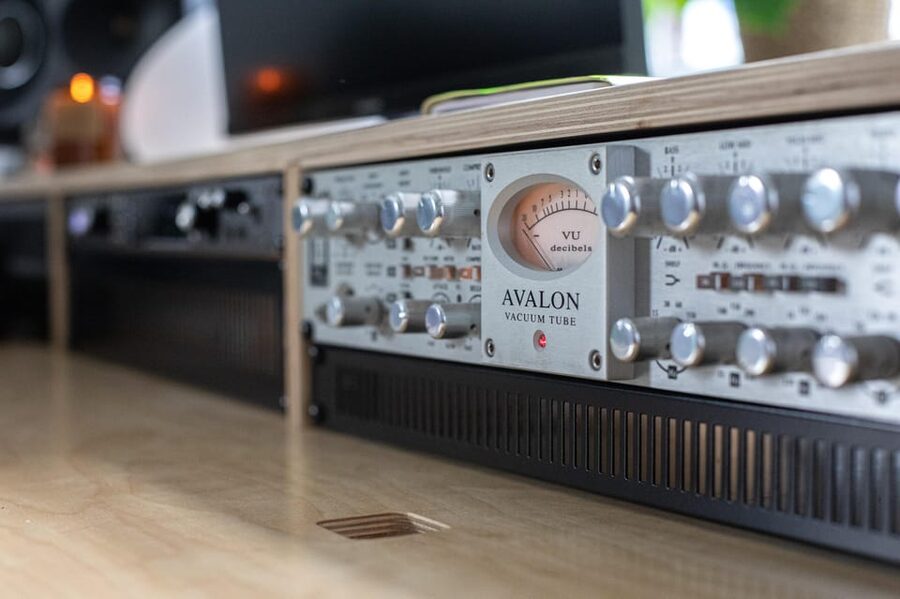
The rhythmic foundation comes from the drum machines. You learn how to program a beat and create the repeating pulse that gives house and techno their drive. Even a basic pattern involves choices about kick drums, percussion, spacing, and repetition. Small changes can make the groove feel heavier, busier, or more open.
Next comes synthesizer programming. You can shape electronic sounds and use them as bass, lead, or supporting parts. The exact equipment used may vary, but the activity promises an introduction to synthesizer programming rather than a fixed demonstration of one particular model.
This is one of the strongest parts of the session for beginners. A synthesizer is easier to understand when you hear a change immediately. Adjusting a control and listening to the sound become connected actions. You begin to understand why producers spend so much time on what can seem like a tiny difference in tone.
The studio has acoustic instruments too, including piano, guitar, and percussion. They are not listed as a separate required part of the lesson, so do not book this expecting a full acoustic recording session. Still, their presence gives Andy more ways to add a sound or explain how electronic and acoustic elements can work together.
Same city, a completely different kind of day:
- Discover Berlin Half-Day Walking Tour
★ 5.0 · 9,624 reviews - Berlin: Hop-on Hop-off Bus Tour with Live Commentary
★ 4.3 · 8,579 reviews - Berlin: Government District around the Reichstag Guided Tour
★ 4.7 · 8,447 reviews - Berlin: Reichstag, Plenary Chamber, Cupola & Government Tour
★ 4.6 · 8,422 reviews
Turning Loops Into a Track
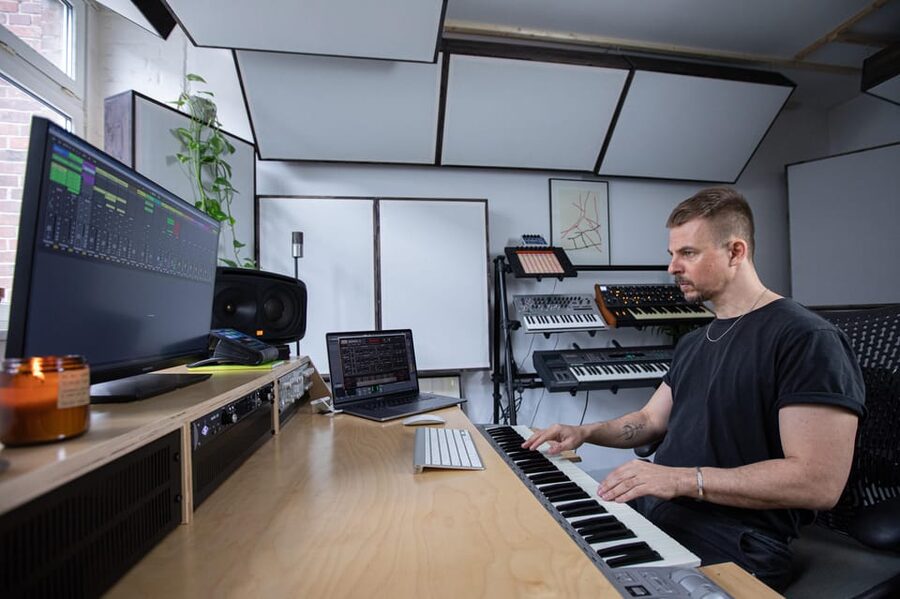
Once the core sounds are ready, Andy helps you record and arrange them in the production software. This is where the activity moves beyond playing with gear. You start deciding what belongs at the beginning, what should enter later, and how the track should build and change.
House and techno often rely on repetition, but repetition does not mean a track can be assembled without thought. Arrangement is about holding attention while keeping the groove intact. You may work with sections that add or remove drums, bass, or synthesizer parts. The point is to create movement without losing the central rhythm.
Andy’s teaching approach appears to work well for both complete beginners and people who already make music. Beginners get a clear route through the process. More experienced participants can focus on structure, workflow, and the move toward a more professional approach.
The four-person limit helps here. You are not promised a one-to-one lesson, but a group of four is small enough for questions and direct involvement. If several people attend, you should expect to share control of the equipment and software. The benefit is that you can also learn by watching other participants make choices.
Mixing the Track for Club Play
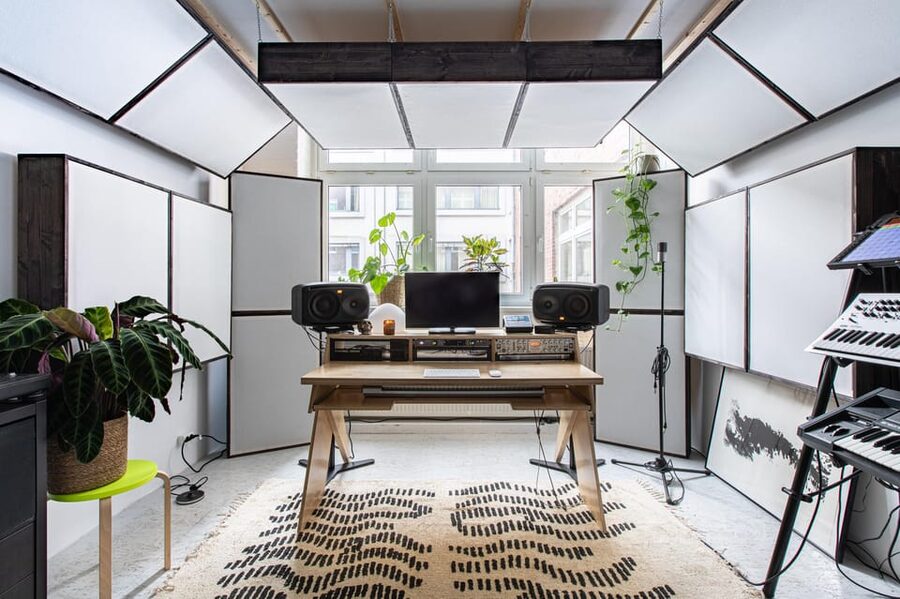
The final production stage is a mixdown, prepared for playing in a club. This does not mean you will become a mixing engineer in one session. It means you get an introduction to how the parts are balanced and prepared so the track works as a complete piece.
Mixing is a valuable inclusion because it shows that the creative work does not end when the notes and beats are recorded. Volume, clarity, and the relationship between sounds all affect the result. A groove that felt strong while you were building it may need adjustment when all the parts play together.
The two-hour limit becomes most noticeable here. You can learn the main ideas and finish a modest track, but you will not cover every professional mixing technique. I would approach this as a useful first look at the final stage, not as a full engineering course.
Still, finishing with a mix gives the session a satisfying shape. You begin with an empty project and end with a track prepared for club playback. That progress is one reason the price can make sense for someone who wants a serious introduction rather than a passive demonstration.
What Makes Andy’s Teaching Effective
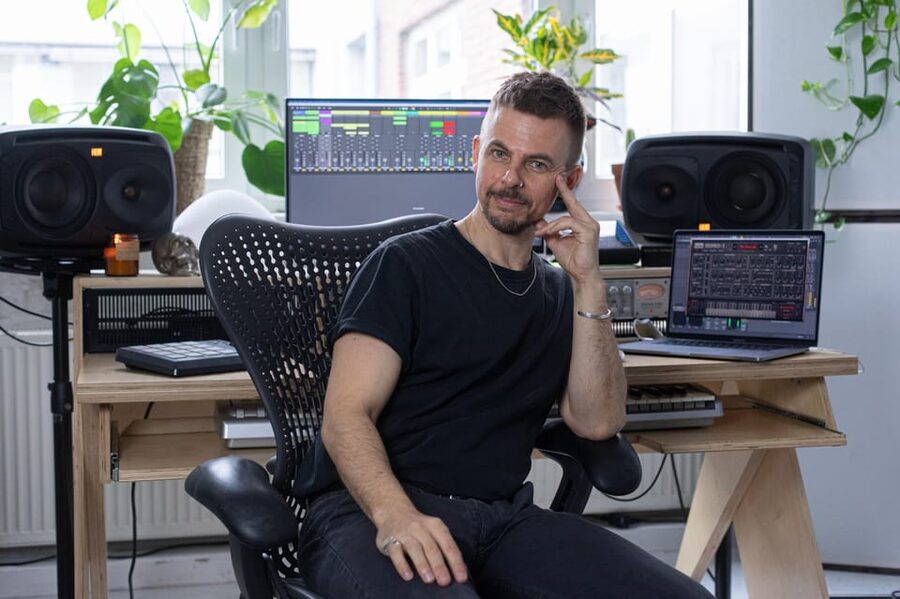
Andy Sexton is described as friendly, professional, and good-humored. More important for this kind of lesson, he explains both the process and the reasoning behind it. One participant found that Andy’s methods and frameworks remained useful beyond the session, which is a good sign for anyone hoping to continue making music afterward.
The activity also appears to handle different needs with care. A session involving a cognitively impaired participant was adapted with empathy, and a song was created despite language barriers. The official teaching language is English, so you should be comfortable receiving instruction in English, but the session has shown flexibility when communication is not straightforward.
That does not mean every participant will receive a custom private course. The group can include up to four people, and the standard session lasts two hours. Still, Andy’s role is more involved than simply pressing play on a prebuilt track. You are encouraged to contribute ideas and make decisions.
Who Should Book This Activity
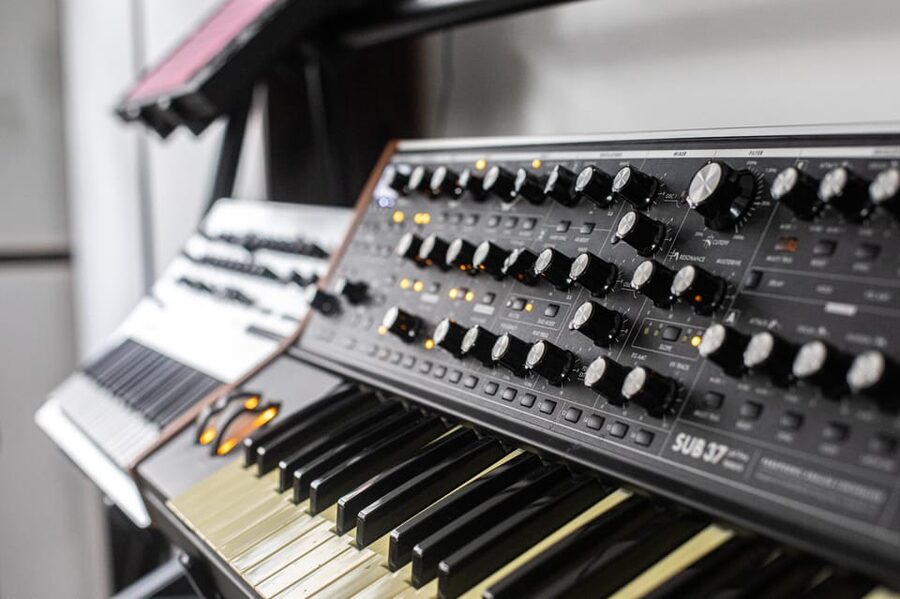
This is a strong choice for a beginner who has always wanted to make electronic music but did not know where to start. You do not need to own a computer, synthesizer, drum machine, or recording software. The studio provides access to the equipment and gives you a clear starting point.
It also suits a musician who already has some experience but wants to improve workflow and arrangement. The session can help you think about how to structure a track, develop a groove, and move from experimentation toward a finished piece.
Music fans with no plan to become producers can enjoy it too, especially if Berlin’s techno culture is part of the reason for your visit. Making a track helps you hear the city’s club music with more attention. You start noticing how the pieces fit together instead of treating techno as one large wall of sound.
Families can consider it for children aged 10 and older, but the child should have a real interest in music production. This is a studio lesson, not a general children’s activity. Smoking, alcohol, drugs, and littering are not allowed.
When $147 Is a Fair Price
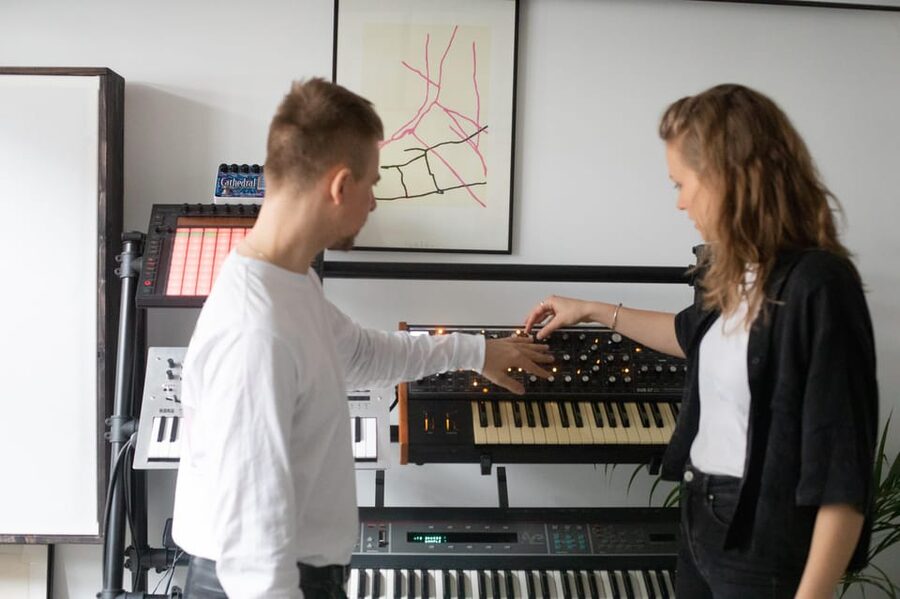
At $147 per person, the activity is not a cheap way to fill two hours. You are paying for a small group, a professional studio, access to software and hardware, and Andy’s instruction. The value rises if you are genuinely curious about producing music or want to leave with a track you helped create.
The price is harder to justify if you only want a quick introduction to Berlin’s nightlife. A club visit, music museum, or ordinary sightseeing activity would be a better match for that goal. This session asks you to pay attention, make choices, and take part.
The limited group size helps protect the value. With no more than four participants, you should receive more practical time than in a large workshop. The session does not promise a polished commercial release, but it gives you access to tools and guidance that would cost far more to arrange privately.
Free cancellation up to 24 hours before the activity also reduces the risk of booking, and you can reserve now and pay later. Those policies are useful if your Berlin plans are still changing.
Timing, Access, and Practical Details
The activity lasts two hours, with start times based on availability. Plan for a focused session rather than a relaxed drop-in visit. Arrive a few minutes before the scheduled time at the front door of the brick industrial building.
Instruction is in English. The studio is wheelchair accessible. Transportation, meals, and drinks are not included, so plan those separately.
The minimum age is 10, and children under 10 cannot take part. The small-group format is limited to four participants, which makes it especially important to book ahead if your dates are fixed.
Should You Book Andy’s Berlin Production Session?
Book it if you want to make music, not just hear about it. The strongest reasons are the practical format, Andy Sexton’s personal instruction, the mix of modern and vintage equipment, and the chance to finish a track within the session.
Skip it if you are looking for nightlife, a general Berlin tour, or a polished recording produced entirely for you. Two hours will give you a useful start, not mastery. For a curious beginner, an aspiring producer, or a music fan who wants to understand Berlin techno from the inside, $147 is a reasonable price for a small, focused studio lesson.
FAQ
Where does the music production session take place?
It takes place in Andy Sexton’s music studio in the heart of Berlin’s clubbing district. The meeting point is the front door of a large industrial building with reddish-brown brick.
How long does the activity last?
The standard session lasts two hours. Starting times depend on availability.
Do I need previous music production experience?
No. The activity is designed for beginners and includes an introduction to synthesizer and drum machine programming.
What language is the session taught in?
The instructor teaches in English.
How many people can join the session?
The group is limited to four participants.
What will I learn to do?
You will learn to program synthesizers and drum machines, record and arrange a house or techno track, and mix it down for club play.
Is the studio wheelchair accessible?
Yes, the activity is wheelchair accessible.
What is included in the price?
The price includes access to professional music production software, modern and vintage music gear, instruction in synthesizer and drum machine programming, recording and arranging a track, and mixing it down for club playback. Meals, drinks, and transportation are not included.
Just added in Berlin
- Berlin & The Third Reich Private Guided Tour★ 5.0 · 3 reviews
- Third Reich Quest Experience in Berlin★ 4.5 · 7 reviews
- Private Analogue Photography Experience in Berlin★ 5.0 · 3 reviews
- The Beauty of Berlin by Bike: Private Tour★ 5.0 · 59 reviews
- Berlin: Guided Bike tour of the Berlin Wall and Third Reich★ 5.0 · 160 reviews
- Berlin Urbex Adventure and History Tour★ 5.0 · 9 reviews
- Beyond Currywurst: Berlin’s Hidden Street Food & Culture Tour★ 5.0 · 100 reviews
- Berlin Third Reich & Cold War Walking Tour With A Guide★ 5.0 · 7 reviews
Berlin Tours, compared.
Reichstag, Dome and Government District Guided Tour
Read our review →


Reichstag, Plenary Chamber, Cupola & Government Tour
Read our review →