
Reviewed · RUHR TOURS
Münster: Private Guided Sculptures Tour on a Rickshaw
Münster’s best art may be sitting beside a street, tucked into a courtyard, or placed in a park rather than hung inside a museum. This private rickshaw tour gives you a comfortable way to connect those scattered works with the city around them, while your guide explains why they are there.
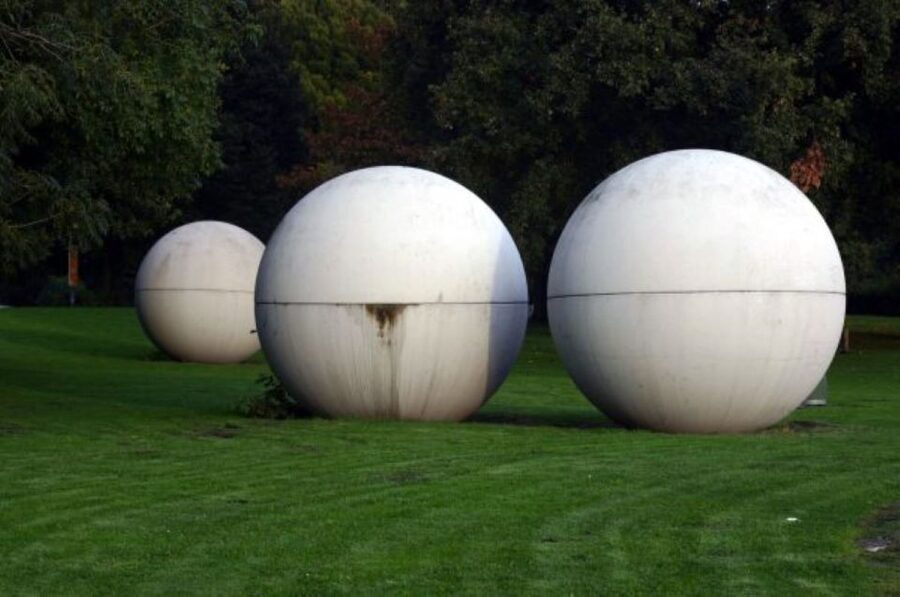
I like the chance to see major names such as Donald Judd, Claes Oldenburg, Rosemarie Trockel, and Bruce Nauman without planning your own route. I also like the local history woven into the ride, beginning at the Old City Hall and continuing through the story of a sculpture project that returns every 10 years.
The main limitation is time. Ninety minutes is enough for a lively introduction, but not enough to linger over every piece or spend much time exploring Münster on foot afterward. If you want a slow art study, this works best as a first look rather than a complete course in contemporary sculpture.
Key points to know before booking
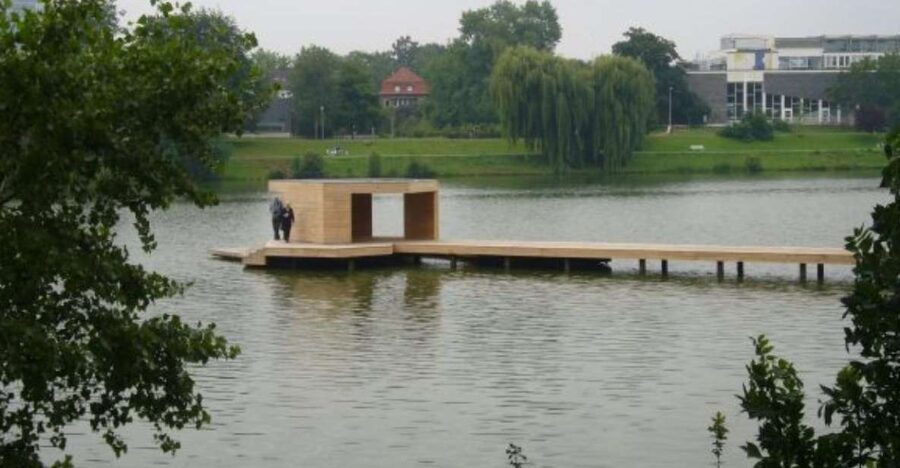
- The art is spread through the city: You see sculptures in public streets, parks, and courtyards instead of visiting one enclosed gallery.
- The project began in 1977: Every 10 years, Münster hosts a new edition, and selected works remain in the city afterward.
- The ride begins at Old City Hall: Meet your guide in front of the building, next to the rickshaw.
- The tour is private: You get a guide for your own group, with commentary in English or German.
- The guides add personal context: Barbara and Beate have been praised for friendly delivery and strong background on the art and city.
- The format suits families and first-time visitors: Children have enjoyed the accessible ride, and the moving route helps you cover more ground than a short walk.
Why Münster’s permanent sculpture collection is worth your time
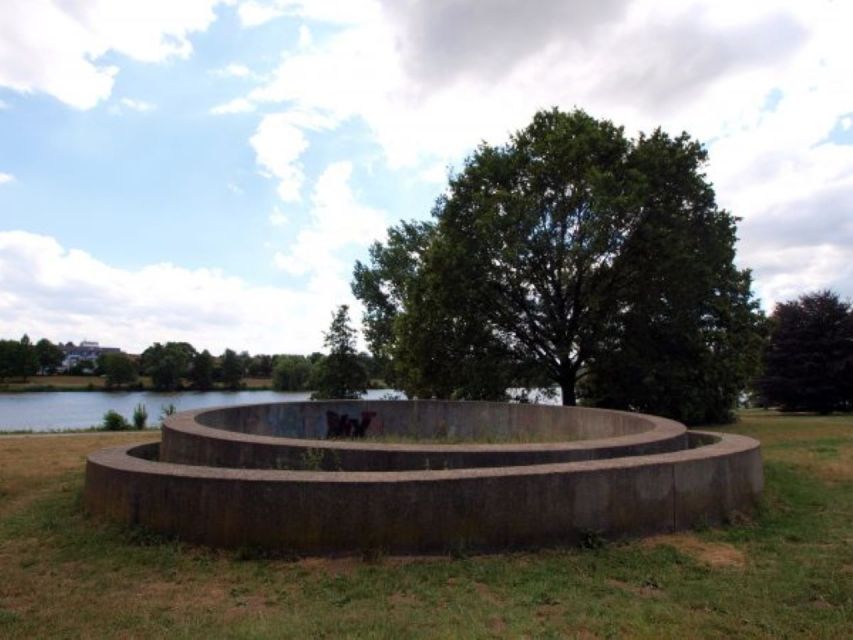
Münster’s Sculpture Projects are unusual because they are not simply a temporary art show that disappears when the exhibition closes. The project began in 1977 and returns every 10 years. Works from past editions have remained in the city, creating an open-air collection that changes the way you move through Münster.
That idea is the heart of this outing. You are not only looking at objects. You are learning how a city can make room for contemporary art over decades, even when that art is large, strange, quiet, or hard to understand at first glance.
The pieces are placed in everyday settings. A sculpture may share space with a road, a square, a green area, or a courtyard. This can make the art feel more connected to ordinary life than a museum display. It also means you need help finding the works and understanding why each location matters.
I like this approach for visitors who are curious about modern art but do not want to spend an afternoon reading wall labels. A good guide can point out the artist, explain the work’s place in the project, and give you enough background to form your own view.
A few more half-days in Munster worth comparing
- Münster: Old Town Highlights Guided Tour
★ 4.7 · 286 reviews - Münster: Nachtwächter-Führung (Erlebnistour)
★ 4.4 · 213 reviews - Münster: Private Guided Rickshaw City Tour
★ 4.8 · 143 reviews
Starting beside the Old City Hall
The meeting point is in front of Münster’s Old City Hall. Your guide will be next to the rickshaw, so the starting point is straightforward rather than hidden inside a large building or busy transport hub.
Beginning here gives the tour a useful historical anchor. The Old City Hall is more than a pickup point. Your guide introduces its history before taking you into the city, setting up the contrast between Münster’s older civic identity and its bold modern art program.
You then climb aboard the rickshaw for the 90-minute route. The vehicle lets you cover several parts of the city without making the tour feel like a long march between stops. You can watch the streets pass by while listening to the commentary, then focus on a sculpture when the rickshaw reaches it.
The exact order of the artworks can vary, so you should think of this as a guided circuit rather than a fixed museum sequence. That flexibility is useful in a city where the art is spread across different types of public space.
What the rickshaw adds to the experience
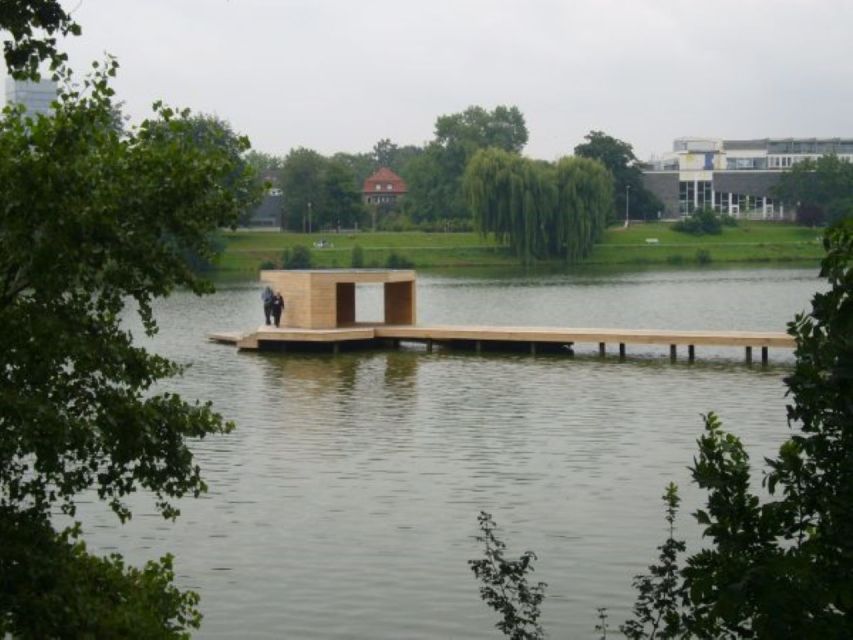
The rickshaw is the practical reason to choose this tour instead of simply searching for Münster’s sculptures on your own. It gives you a moving viewpoint and saves energy between works. You can see more of the city in 90 minutes than you likely would on foot while stopping to study each installation.
It also keeps the tour personal. This is a private group experience, not a large scheduled walk. You can listen to the guide’s explanation without trying to stay beside a crowd, and the guide can respond to the interests of your group.
There is a small tradeoff. A rickshaw ride is good for seeing the city, but it is not the same as spending 10 or 15 minutes at every artwork. If one piece catches your attention, you may wish for more time to look, ask questions, or take photographs.
That is why I would use this tour as an orientation. It helps you identify the works and neighborhoods you want to revisit later. The ride itself becomes part of the experience, with the city passing around you instead of remaining a backdrop between indoor attractions.
Meeting artists from Donald Judd to Rosemarie Trockel
The route includes work by a wide range of artists. You may see sculptures by Bruce Nauman, Rosemarie Trockel, Claes Oldenburg, Donald Judd, Jorge Pardo, Per Kirkeby, Ilya Kabakov, Thomas Schütte, Martha Rosler, and Daniel Buren.
That list matters because the artists do not all approach public space in the same way. Some works are bold and easy to spot. Others may be more restrained or may interact with their surroundings in a way that is not obvious at first. Your guide helps you slow down and consider the choices behind the placement, materials, and scale.
Claes Oldenburg and Donald Judd are especially useful names for visitors who want a clear introduction to major modern and contemporary artists. Rosemarie Trockel and Martha Rosler add different perspectives to the route, while works by Ilya Kabakov, Thomas Schütte, and Daniel Buren broaden the range of styles you encounter.
The tour does not promise a full lecture on every artist. Instead, you get a practical introduction to selected works as you move through Münster. That balance suits a city visit, especially if you want art to sit alongside local history rather than take over your entire day.
Do not expect every sculpture to offer an immediate, easy meaning. Contemporary public art can be playful, severe, puzzling, or deliberately open-ended. The value of the guide is not just identifying each artist. It is helping you see how the piece functions in the city and why it became part of the long-running project.
Same city, a completely different kind of day:
- Münster: Night watchman tour through the picturesque old town by lantern light
★ 4.8 · 65 reviews - Münster: Beer Tasting Rickshaw Tour
★ 4.7 · 56 reviews - Private Christmas Tour in Münster including Glühwein
★ 4.9 · 54 reviews - Münster: Old Town Historical Walking Tour by “Geo Epoche”
★ 4.7 · 51 reviews
The city history between the sculptures
The art is the main subject, but the tour also gives you a view of Münster’s past and present. The route begins with the Old City Hall and moves through streets, parks, and courtyards, so you see how the city’s older fabric accommodates newer ideas.
I like this combination because it prevents the sculptures from feeling like isolated stops. A guide can explain the work while also telling you what you are looking at in the surrounding city. That makes the ride useful even if you are unsure how much contemporary art you normally enjoy.
The historical context can also make certain works easier to understand. A sculpture placed in a civic setting carries a different weight from one placed in a quiet courtyard. The guide’s job is to connect those details without turning the 90 minutes into a dense academic talk.
Past feedback highlights this strength. Barbara has been praised for her friendly manner and broad background on both the sculptures and their meaning in Münster’s cityscape. Beate has also been singled out for a warm, effective style. The available feedback names those guides, but you should not assume one particular person will lead every departure.
Several people also found the ride itself worthwhile because it revealed parts of Münster they had not seen before. That is an important benefit: even if you already know the central sights, the sculpture route can send you into less familiar corners of the city.
Why this works for families and mixed-interest groups
A museum visit can be difficult when one person wants art, another wants local history, and children want to keep moving. This rickshaw format gives the group a shared activity with a clear time limit and regular changes of scene.
A family review specifically noted that the children enjoyed the experience and found the guide friendly and capable. That does not mean every child will be equally interested in every sculpture, but the ride adds movement and variety. You are not asking young visitors to walk quietly through galleries for 90 minutes.
The private format helps too. Your group can listen at its own pace and ask questions without feeling that it is holding up a large party. If your children have short attention spans, the changing streets may keep them engaged better than a static exhibition.
The tour also suits adults who are new to contemporary art. You do not need prior knowledge of the artists. The guide supplies the basic context, then lets you decide what you think of the work. That is a better introduction than trying to decode a citywide collection from a map alone.
Price, timing, and what the 90 minutes deliver

The listed price is $58 per person. That is not the cheapest way to see public art, but the price covers a private rickshaw ride and a live guide rather than simple transport from one point to another.
The value depends on your group. For a couple or family that wants a private outing, the combination of transport, local commentary, and an art-focused route can make sense. You are paying for the guide’s selection and interpretation, as well as the convenience of moving between works.
For a solo visitor or a strict budget traveler, the cost may feel high for 90 minutes. Münster’s sculptures are in public spaces, so you could seek out some of them independently. The catch is that you would need to research the locations and would miss the guide’s explanation of the project and its connection to the city.
The short duration is both a strength and a weakness. It fits neatly into a morning or afternoon and leaves you time for other sights. It also means you should not book it expecting a detailed discussion of every artist named in the program.
I would schedule it early in your stay if possible. The tour can give you a map in your head, show you which works interest you most, and help you decide what to revisit on foot. Since the experience takes place outdoors, wear clothing suited to the weather. Rain or cold could affect how comfortable you feel on the rickshaw.
Cancellation is flexible: you can cancel up to 24 hours before the start for a full refund. You can also reserve now and pay later, which is useful when your Münster plans are still taking shape.
English or German, with a guide for your group
The live tour is offered in English and German. When you book, choose the language that lets you follow detailed explanations comfortably, since the value of the experience rests heavily on the guide’s commentary.
A private group is a useful choice if your party has particular interests. You might ask more about one artist, focus on the city’s public spaces, or keep the conversation simple for younger participants. The tour is not designed as an anonymous ride past monuments. The interaction with the guide is a central part of it.
The strongest feedback focuses on clear information, friendliness, and an engaging pace. One German-language response described the information as interestingly presented, while another called the tour varied and enjoyable. Those comments point to the quality you should look for: not just facts, but explanations that make unfamiliar works easier to approach.
Who should book this Münster sculpture tour?
I would recommend it to anyone who wants an efficient introduction to Münster’s public art, especially on a first visit. It is also a good pick for families, couples, and small private groups who prefer a personal guide to a standard walking tour.
It suits you particularly well if:
- You want to see several parts of Münster without walking between every sculpture.
- You enjoy contemporary art but want help with the background.
- You are visiting with children or a mixed-interest group.
- You want local history included alongside the art.
- You plan to return to favorite works on foot later.
I would hesitate if your main goal is a slow, scholarly study of each installation. The route covers a lot in 90 minutes, and the rickshaw format favors movement and overview. You may leave with a list of works to explore further rather than complete answers about them all.
The perfect approach is to treat the ride as a lively first chapter. Let the guide introduce the project, notice which artists or locations appeal to you, then use your remaining time in Münster to see your favorites again at your own pace.
Should you book it?
Book this tour if you want public art, city history, and easy transport in one private outing. The long-running Sculpture Projects give Münster a special character, and a guide helps you notice works you might otherwise pass without a second glance.
At $58 per person, it offers the most value for groups that care about personal commentary and do not want to plan a sculpture route themselves. The main caution is the 90-minute limit. If you accept that this is an introduction, not an exhaustive art seminar, the rickshaw is a smart and enjoyable way to get oriented.
FAQ
Where does the Münster rickshaw sculpture tour begin?
Meet your guide in front of Münster’s Old City Hall. The guide will be standing next to the rickshaw.
How long does the tour last?
The tour lasts 90 minutes.
Is the tour private?
Yes. The experience is offered for a private group.
Which languages are available?
The live tour guide can conduct the experience in English or German.
Which artists might I see?
The tour includes works by artists such as Bruce Nauman, Rosemarie Trockel, Claes Oldenburg, Donald Judd, Jorge Pardo, Per Kirkeby, Ilya Kabakov, Thomas Schütte, Martha Rosler, and Daniel Buren.
Can I cancel the booking?
You can cancel up to 24 hours before the tour for a full refund. You can also reserve now and pay later.
Just added in Munster
- Private crime city tour by rickshaw including guide★ 5.0 · 21 reviews
- Münster: Private pub crawl with insider guide & free shots★ 4.6 · 11 reviews
- Münster Old Town: Outdoor Escape Game★ 4.1 · 14 reviews
- Münster: Private Guided Rickshaw City Tour★ 4.8 · 143 reviews
- Münster Escape Tour Kreuzviertel★ 4.2 · 8 reviews
- Münster: Old Town Crime Mystery Tour★ 4.0 · 35 reviews
- Münster: Beer Tasting Rickshaw Tour★ 4.7 · 56 reviews
- Private Christmas Tour in Münster including Glühwein★ 4.9 · 54 reviews
Ruhr Tours, compared.
BVB Signal Iduna Park: Stadium Access and Self-Guided Tour
Read our review →

Borusseum Borussia Dortmund Museum Entry Ticket
Read our review →
Oberhausen: HOUSE OF MAGIC – powered by Ehrlich Brothers
Read our review →
Browse the lists this tour appears in