
Reviewed · HISTORICAL TOURS
Leipzig: Historical Tour Waldstraßenviertel with GEO Epoche
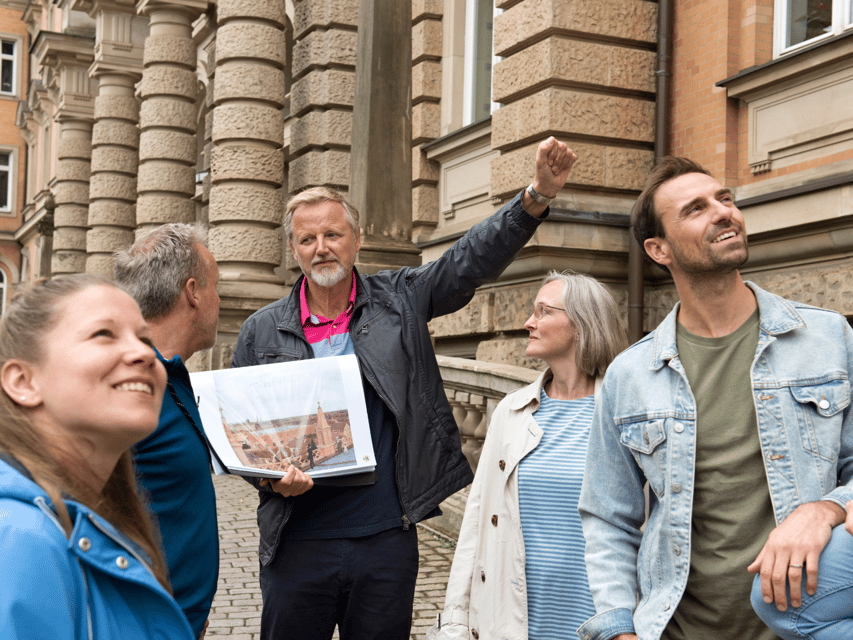
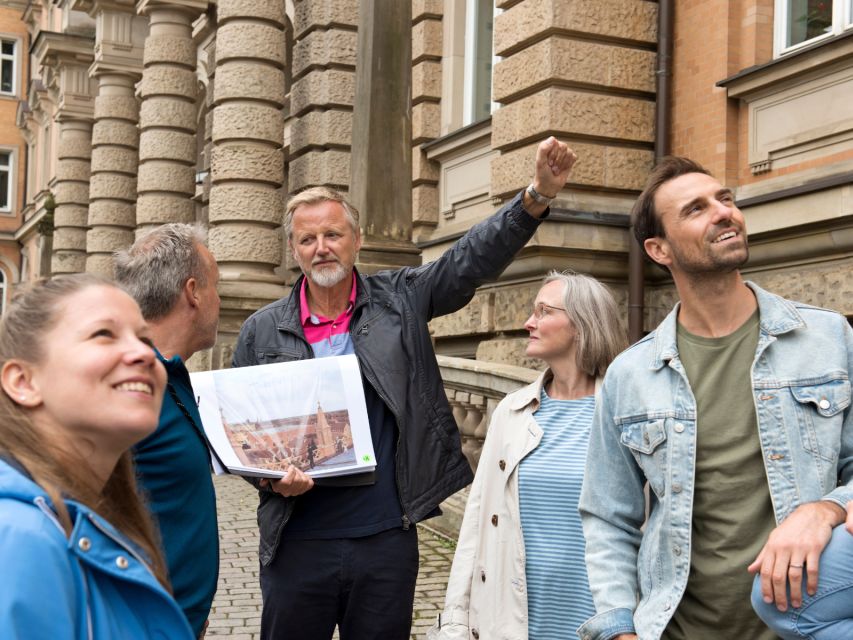
Leipzig’s Waldstraßenviertel tour mixes old streets, major turning points, and surprising local tales. You may hear about Jewish life, the Wilhelminian period, the world wars, and the end of the Battle of the Nations, all while walking through one of the city’s best-known historic areas. I like the two-hour length and the route’s unusual link to GEO Epoche, which gives the tour a clear history-first purpose.
I also like that the guide brings small stories to places you could easily pass without a second glance, including Rosental and the old Funkenburg Festival area. The main caution is focus: this is not guaranteed to be a detailed tour of the district’s villas, architects, or interiors. One recent tour instead gave notable attention to Red Bull Arena and Rosental, which may surprise you if grand residential buildings are your main goal.
Key points before you book

- A two-hour walk through Waldstraßenviertel: The tour uses Leipzig’s northern district as a starting point for stories reaching far beyond its streets.
- History from 1700 to the world wars: Expect material on Jewish life, the Wilhelminian period, the Battle of the Nations, and changing city life.
- The route may include Rosental and Red Bull Arena: The exact balance can differ from your expectations of a purely architectural neighborhood walk.
- A German-speaking live guide: The tour is not offered in English according to the available details.
- Rain or shine: Wear comfortable shoes and bring clothing suited to the weather.
- $29 for two hours: That is a fair price for a live history walk if you understand that the emphasis is broader than villa architecture.
Starting at the Tänzerin fountain on Jahnallee
Your meeting point is the fountain called Tänzerin at Waldplatz, outside Jahnallee 18, 04109 Leipzig. This is a useful spot because it places you right at the edge of the Waldstraßenviertel, rather than sending you first through a long transfer from the center.
Arrive ready to walk. The tour lasts two hours, and the ground-level route takes place outdoors. You should wear comfortable shoes and suitable clothing, since the walk runs in rain or shine. Pets are not allowed, and the experience is not suitable for people with mobility impairments.
The exact starting time depends on availability when you book. The guide is live and the tour is in German. That language point matters more than the low price: if you do not follow German comfortably, you may miss the jokes, quick explanations, and smaller historical details that make a walking tour worthwhile.
The company behind the experience is Eat the World GmbH. A tour brochure is included, along with the guide’s commentary. I would treat the brochure as a helpful reminder, not as a substitute for understanding German during the walk.
More History Tours in Leipzig
- Leipzig: City History Canal Sightseeing Tour on a Motorboat
★ 4.7 · 6,232 reviews - Leipzig: 1.5-Hour Historical Walking Tour in German
★ 4.7 · 2,217 reviews - Leipzig Old Cemetery: 75-Minute Dark History Tour
★ 4.6 · 181 reviews
Waldstraßenviertel beyond pretty façades
Waldstraßenviertel is the setting, but this is not presented as a simple architecture tour. The neighborhood gives the guide a way to talk about how Leipzig changed over several centuries, from events around 1700 through the Wilhelminian period and into the world wars.
That broader approach can be a strength. You are not simply looking at façades and hearing dates. You are asked to connect streets and places with the people and events that shaped the city. The tour promises surprising facts and anecdotes, so the appeal lies partly in finding out what happened in places that look ordinary today.
Still, keep your expectations in check. If you want the names of builders, detailed accounts of residents, or a close look inside old apartment buildings, this may not be the right walk. A recent participant expected a stronger focus on the villas and architecture of Waldstraßenviertel but found the route concentrated elsewhere. That does not make the tour poor, but it does show the importance of reading the subject as Leipzig history through the district, not only district architecture.
Stories of 1700 and Jewish life
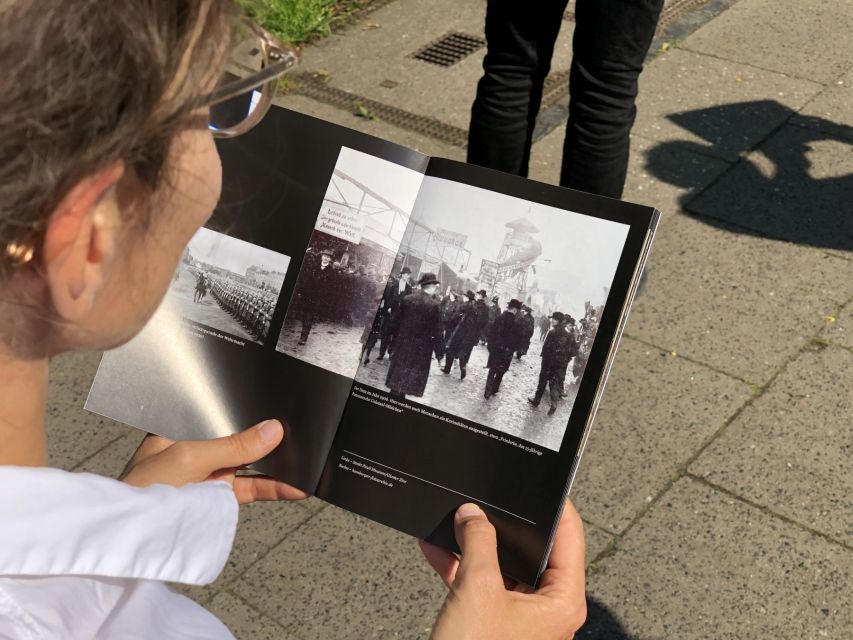
One part of the route reaches back to events of 1700. The supplied details do not specify every stop or explain exactly which episode receives the most time, so you should expect a guided account rather than a fixed list of monuments.
The tour also includes stories of Jewish life in Leipzig. This is one of its most valuable themes because it moves the walk away from rulers, battles, and grand public events. You hear about the people and communities who helped shape the city, and you are invited to think about how their lives fit into Leipzig’s changing streets.
The guide’s role matters here. The experience is built around spoken explanation, not a museum display with long captions. A good guide can connect a name, a building, or a street corner with a larger human story in a way that sticks. The strongest direct praise in the available feedback goes to the guides themselves, with one participant calling the guide excellent and another describing both the selected tour and guide as very good.
No guide names are provided, so you cannot request a particular person in advance based on the available information. The quality of the individual guide will shape the pace and detail of your experience.
Wilhelminian Leipzig and the changing city

The Wilhelminian period gives the walk another useful layer. Leipzig’s old streets are not frozen displays. Their buildings and public spaces reflect changing wealth, politics, industry, and social life, even when the tour does not stop to explain every façade in architectural detail.
I like this as a way to see the district because it encourages you to compare past and present. The tour description specifically promises city highlights that show how times have changed. That may mean the guide points out contrasts between older uses and today’s city, rather than treating history as a string of isolated facts.
Again, the exact route matters. Some people come to Waldstraßenviertel wanting a classic villa-quarter walk. For them, the attraction is the district itself, its grand streets, and the people who built and occupied its homes. This tour may provide some of that context, but it also moves into wider Leipzig subjects. Ask yourself which kind of walk you want before paying: architecture with historical background, or a history tour that uses the neighborhood as its stage.
Same city, a completely different kind of day:
- Leipzig: 1.5-Hour Public Tour with Night Watchman Bremme
★ 4.6 · 3,116 reviews - Combo Tour in Leipzig: Guided City Tour & City Sightseeing
★ 4.7 · 2,317 reviews - Leipzig: 2-Hour Guided Walking Tour in German
★ 4.8 · 1,612 reviews - Leipzig: 13-Stop Hop-on/Hop-off Bus Ticket
★ 4.6 · 1,468 reviews
The Battle of the Nations and Leipzig’s past
The Battle of the Nations is another central theme. You will hear about the battle and, specifically, the events surrounding its end. The available information does not promise a visit to the main battlefield sites or a museum entry, so think of this as an interpretive walking tour rather than a full military-history excursion.
That distinction helps you judge the $29 price. You are paying for two hours of live explanation and a planned route, not admission to a major attraction or transportation to a distant monument. If you enjoy placing Leipzig’s streets into a larger European story, the subject adds real value. If you want battlefield geography, maps, or a long military lecture, you may need a separate experience.
The tour’s method is appealing: hear what happened, then learn where the story belongs in the city. That connection between event and place is one of the best reasons to choose a guided walk. You can always read a timeline later. It is harder to know which street corner, park, or open space carries a local memory unless someone points it out.
Rosental, August the Strong, and an unexpected turn
Rosental is one of the places that can broaden the route beyond the residential quarter. Here, the guide may tell the story that August the Strong nearly built a palace there. The detail is memorable because it is a near-miss rather than a surviving monument. You are left considering how different Leipzig might look if that plan had become reality.
This is also where the tour’s character becomes clear. It is willing to follow a good story, even when that story is not about a standing building in Waldstraßenviertel. For some people, that makes the walk more lively and less predictable. For others, it feels like a detour from the advertised neighborhood theme.
The annual Funkenburg Festival is another unusual subject named for the tour. The available details do not say what format the festival takes or exactly where the guide discusses it, so you should not expect a full event program or a festival visit. Instead, it appears as one of the local stories that helps explain the area’s past and how Leipzig has remembered or re-created it.
Why the GEO Epoche connection matters
The route was developed together with the history magazine GEO Epoche. That does not turn the walk into a magazine seminar, and it does not guarantee a particular academic level. It does suggest a deliberate effort to build the tour around historical events, sources, and anecdotes rather than only pointing out attractive streets.
For you, the practical benefit is a stronger sense of purpose. The walk has several linked themes: 1700, Jewish life, the Wilhelminian period, the world wars, the Battle of the Nations, Rosental, and the Funkenburg Festival. The result should feel more like a guided story about Leipzig than a standard list of buildings.
The trade-off is breadth. Two hours is enough to introduce many topics, but not enough to explore each one at great length. You will likely get a selection of stories rather than a full account of any single period. I see that as a good fit for a first visit or for anyone who enjoys connecting different chapters of a city’s past.
What the mixed feedback means for your decision

The overall rating is 3.2 from four reviews, so you should not book this expecting universal agreement about the route. The positive comments focus on the guide and the overall tour experience. That praise matters because a history walk lives or dies by its presenter.
The main criticism is not that the guide lacked energy. It is that the tour did not match one participant’s understanding of the theme. That person expected information about the district’s builders, residents, and architecture, perhaps with a look inside one or more buildings. Instead, the route included Red Bull Arena and Rosental, with the August the Strong story about a possible palace.
That is useful information, not merely a complaint. It tells you to read Waldstraßenviertel as the geographic starting point, not as a promise that every minute will focus on residential architecture. If you are happy with Leipzig’s wider story, the unexpected stops may be a plus. If you want a focused architectural survey, choose a tour that clearly promises façades, architects, interiors, and villa history.
There was also a serious booking problem on one occasion. The tour did not take place, and the participant only received notice two days later, after waiting at the meeting point. The money was refunded, but the experience still wasted time. This appears to be an isolated operational failure in the available feedback, yet it is worth checking your confirmation and messages before setting out.
Is two hours worth $29?
At $29 per person, the price is reasonable for a two-hour live tour with a guide and brochure, especially if you value context more than sightseeing speed. You get a planned walk, local anecdotes, and several historical periods in one compact experience.
The value drops if you expect entry to buildings, a small-group guarantee, transport, or an English-language presentation. None of those are included in the supplied details. This is an outdoor walking experience, and the main product is the guide’s storytelling.
I would also compare the cost with your schedule. Two hours is long enough to give Leipzig a proper historical frame but short enough to fit between other plans. Since cancellation is free up to 24 hours before the start, and you can reserve now and pay later, the booking terms make it easier to keep plans flexible. Check the available start time before you commit.
Who will enjoy this Leipzig walk?
I would recommend it to you if you like city history told through places, enjoy unexpected side stories, and can follow German with ease. It suits someone who wants more than a quick look at Leipzig but does not want to spend half a day in a museum.
It is also a good option if you already know the main center and want to see a different part of the city. The route’s subjects reach from 1700 to the world wars, so you get a broad introduction rather than one narrow historical period.
I would be cautious if your priority is the architecture of Waldstraßenviertel. The guide may discuss the neighborhood, but the route can also lead toward Red Bull Arena and Rosental. You should also skip it if you need step-free access or cannot manage a two-hour walk.
FAQ
Where does the tour meet?
The meeting point is at Jahnallee 18, 04109 Leipzig, by the Tänzerin fountain at Waldplatz.
How long does the tour last?
The walking tour lasts two hours.
What language is the tour in?
The live tour guide speaks German. The available information lists German as the tour language.
What historical subjects are covered?
The tour includes events from 1700, Jewish life stories, the Wilhelminian period, both world wars, the Battle of the Nations, the Funkenburg Festival, and changing aspects of Leipzig.
Does the route focus only on Waldstraßenviertel architecture?
No. The route explores the Waldstraßenviertel but can also include subjects and places such as Rosental and Red Bull Arena. It is not presented as an architecture-only tour.
What should I bring?
Bring comfortable shoes and clothing suited to the weather. The tour takes place outdoors in rain or shine.
Are pets allowed?
No. Pets are not allowed on the tour.
Can I cancel the booking?
Yes. You can cancel up to 24 hours in advance for a full refund. You can also reserve now and pay later, subject to the booking terms.
Should you book it?
Book this tour if you want a German-language history walk with a broad reach, a strong guide, and local stories that may take you beyond the postcard view of Waldstraßenviertel. At $29, it offers solid value for two hours of live interpretation.
Skip it if you want a tightly focused study of villas, builders, residents, and interiors. For that purpose, the route may wander too far from your goal. Before booking, confirm the language, weather forecast, starting time, and your expectations about Red Bull Arena and Rosental. That small bit of preparation should help you get the kind of Leipzig history walk you actually want.
Just added in Leipzig
- City tour on foot, by S-Bahn and tram★ 4.5 · 12 reviews
- Schkeuditz: 4-Hour Vintage East German Trabant Rental★ 4.9 · 15 reviews
- Leipzig City Centre: Scavenger Hunt Self-Guided Tour★ 4.4 · 114 reviews
- Tour on Lake Cospuden★ 4.7 · 58 reviews
- Leipzig: True or false? Walking Tour and Interactive Game★ 4.8 · 28 reviews
- Leipzig: “SoKO Leipzig”, unique Escape Room, 60 minutes★ 4.6 · 20 reviews
- Leipzig Spirits Manufacture: Guided Tour and Tasting★ 4.8 · 79 reviews
- Leipzig: Scavenger Hunt Self-Guided Tour★ 4.7 · 11 reviews
Historical Tours, compared.

City History Canal Sightseeing Tour on a Motorboat
Read our review →


Browse the lists this tour appears in