
Reviewed · ATTRACTION TICKETS
Hamburg: Kunsthalle Entrance Ticket
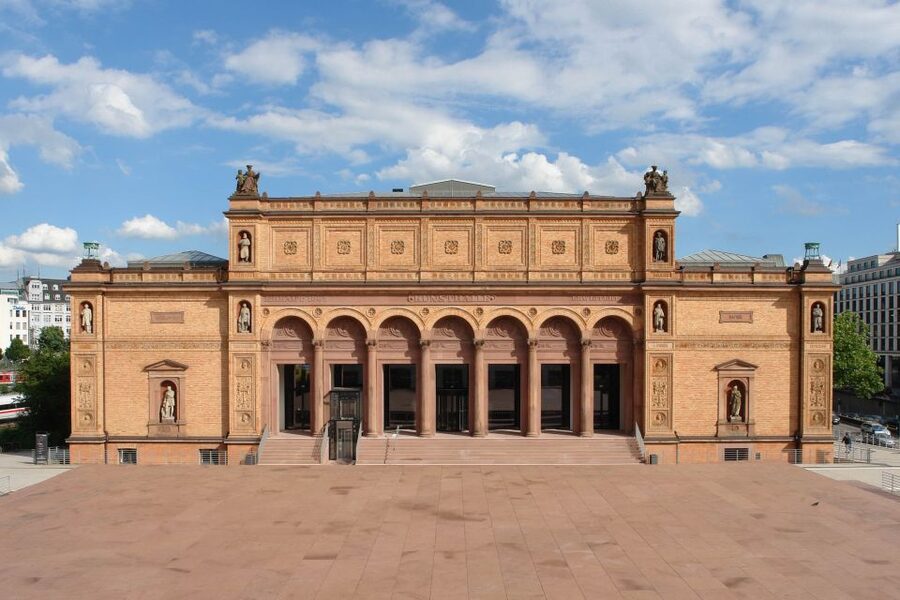
Hamburg’s Kunsthalle gives you eight centuries of European art in one thoughtful visit, with the famous Wanderer above the Sea of Fog as its biggest draw. I like the unusual sweep from northern German medieval painting to contemporary works, and I like that you can visit at your own pace rather than follow a fixed tour. The main drawback is size: casual art lovers may feel overloaded unless they choose a few sections and take breaks.
I also like the museum’s practical setup, including lockers for large bags and the option of a free app or a €6 audio guide in English or German. The café and restaurant add useful breathing space, though lunch or dinner is an extra cost and the full collection deserves more than a hurried hour.
Key Points for Planning Your Kunsthalle Visit
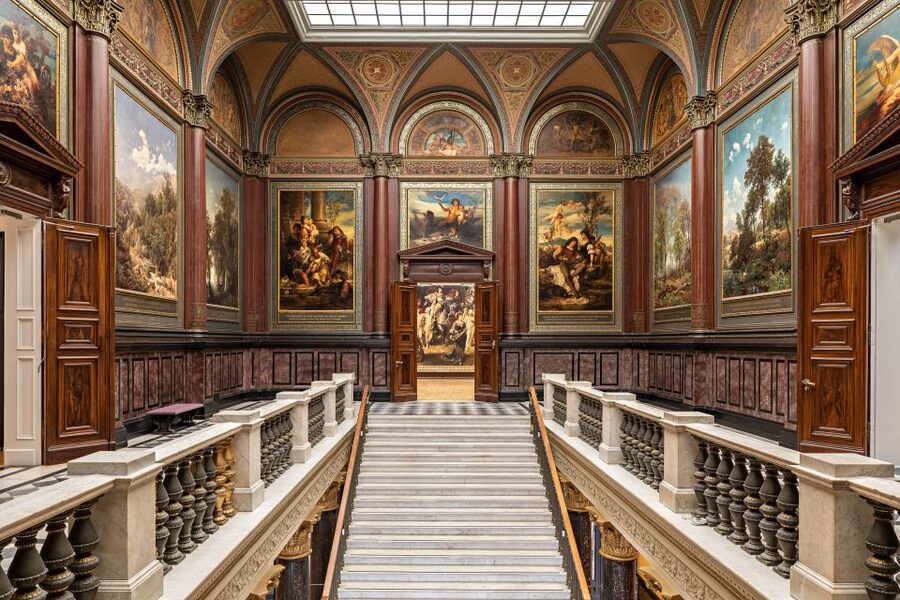
- Eight centuries under one roof: Move from medieval altarpieces and Renaissance portraits to contemporary installations.
- Caspar David Friedrich’s masterpiece: See Wanderer above the Sea of Fog, the museum’s most famous single work.
- Strong German collection: Look for Friedrich, Philipp Otto Runge, Max Liebermann, Paula Modersohn-Becker, and Max Beckmann.
- Major international names: Rembrandt, Holbein, Munch, Klee, Warhol, Richter, Nauman, and Nan Goldin are part of the collection.
- Self-guided flexibility: Spend a few hours or use the ticket throughout the one-day validity period.
- Useful museum breaks: Café Das Liebermann and The Cube provide places to rest, eat, and regroup.
Why Hamburg’s Kunsthalle Deserves a Place in Your Day
The Hamburger Kunsthalle is not a small specialist gallery that you can squeeze between a train arrival and lunch. It ranks among Germany’s largest and most important art museums, and its collection covers eight centuries. That breadth is the reason to visit.
You can begin with religious art from the Middle Ages, move through the Renaissance and Dutch Golden Age, then reach Romanticism, Impressionism, modern art, and international contemporary work. The result is a large-scale lesson in how European art changed over time.
I find this kind of museum especially useful early in a city visit. It gives you context for German culture and introduces artists you may encounter elsewhere in northern Germany. It also rewards repeat visits, since one day is enough for a strong overview but not enough for every room.
Your admission covers the permanent collection. Current special exhibitions may also be part of the museum experience, but the information supplied here does not specify which exhibitions are showing or whether any added fee applies. Check the museum’s current program before you go if a temporary exhibition is important to you.
More Attraction Tickets in Hamburg
- Hamburg: Hamburg Dungeon Admission Ticket
★ 4.7 · 5,745 reviews - Hamburg: International Maritime Museum Entrance Ticket
★ 4.7 · 547 reviews - Hamburg Dungeon Admission Ticket
★ 4.5 · 438 reviews
Starting with the Old Masters
The old master rooms provide a particularly strong beginning. The northern German medieval section includes altarpieces by Bertram von Minden and Master Francke. These works are valuable not only as religious paintings, but also as records of medieval visual culture in northern Europe.
You will see a different pace and purpose here than in later galleries. Medieval altarpieces were made for worship, so their scale, arrangement, and repeated sacred images matter. Give yourself time to look at the detail rather than treating this section as a quick passage to the better-known names.
The Renaissance collection brings works by Lucas Cranach the Elder, Hans Holbein, and Paris Bordone. Here, painting becomes more interested in individual identity, status, clothing, and the visible world. Holbein is especially useful for seeing how a portrait can communicate social position without needing a long explanation.
The Dutch Golden Age section includes Rembrandt van Rijn, Pieter de Hooch, and Anton van Dyck. These rooms broaden the story beyond German art and show the variety of seventeenth-century painting, from intimate interiors to portraiture and dramatic technique.
If you have limited time, I would not try to see every Old Master equally. Choose a few artists, read the wall text, and compare the way each period handles faces, light, and space. That approach will give you more than racing through the galleries with a checklist.
Finding Caspar David Friedrich’s Wanderer
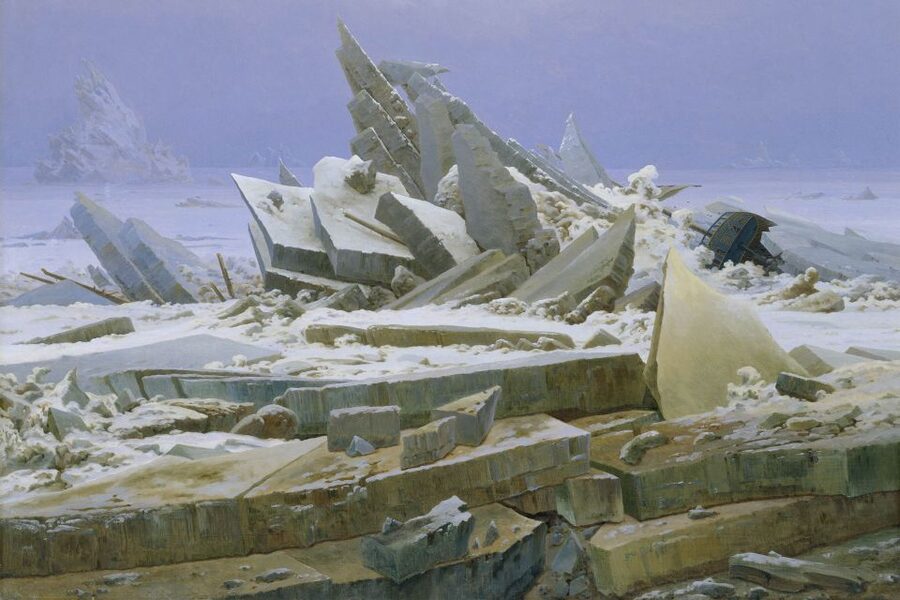
Caspar David Friedrich is the name most visitors will already know, and the museum’s collection of his work is one of its major strengths. His Wanderer above the Sea of Fog is the star attraction.
The painting shows a solitary figure seen from behind, standing above a cloud-filled mountain scene. Its power comes from the open question of what the figure is thinking and what the view means. You do not need a specialist lecture to appreciate it, but you will get more from it if you pause instead of taking a quick photograph and moving on.
Friedrich’s work belongs to German Romanticism, a period when nature often carried emotional and spiritual meaning. The painting is not simply a mountain view. It places you behind the figure and asks you to share his position, while the fog blocks any easy answer about what lies ahead.
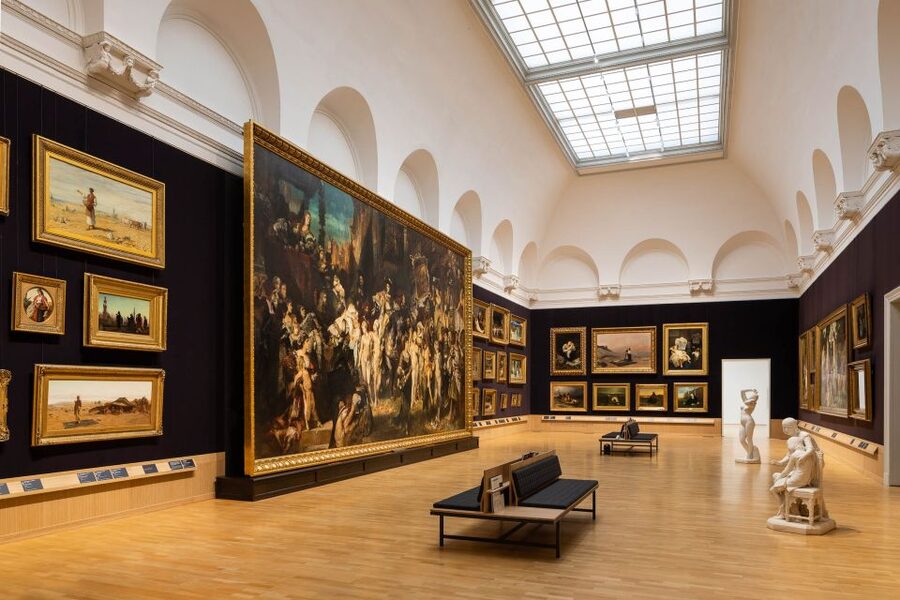
The nineteenth-century collection also includes Philipp Otto Runge and Max Liebermann. Alongside them are important works by French Realists and Impressionists. This makes the period useful for comparison: you can watch art shift from symbolic and emotional scenes toward direct observation, modern life, changing light, and looser brushwork.
You should allow extra time for the nineteenth-century rooms if Friedrich is your main reason for coming. The museum has extensive holdings from this period, so it is not just a one-picture stop.
From Romanticism to Modern Art
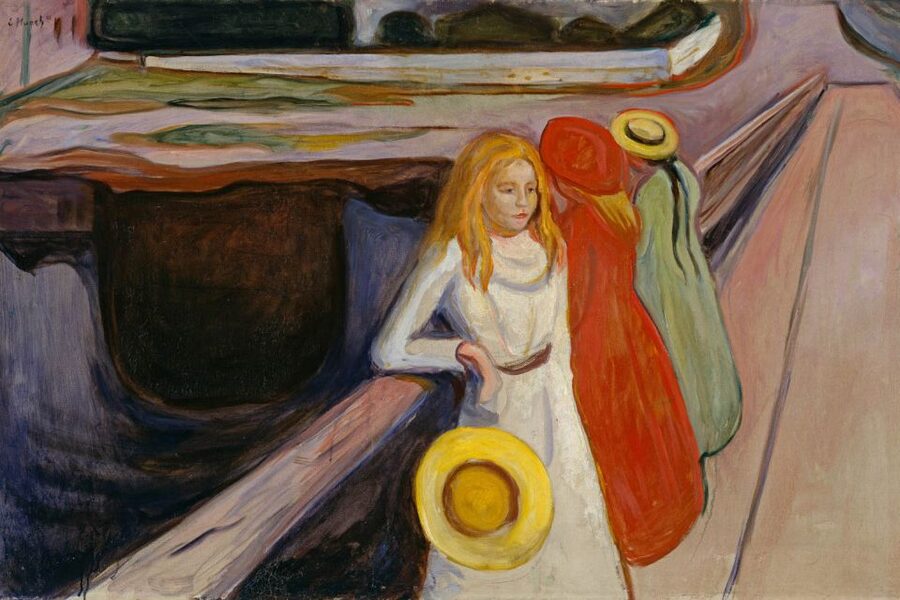
The modern collection gives the first half of the twentieth century a clear presence. Works by the Brücke group are a major feature, joined by art from Edvard Munch, Paul Klee, Wilhelm Lehmbruck, Paula Modersohn-Becker, Lovis Corinth, and Max Beckmann.
This is where the museum’s historical sequence becomes especially useful. After the controlled portraits and carefully constructed scenes of earlier centuries, modern artists often distort bodies, intensify color, simplify shapes, or leave the surface visibly unsettled. You can see artists responding to new social pressures and new ways of looking.
Munch brings psychological force. Klee offers a more playful and abstract language. Lehmbruck is important for sculpture, while Modersohn-Becker gives the collection a strong female modernist voice. Corinth and Beckmann add further views of German modern art, each with a distinct handling of the human figure and the painted surface.
I like this section because it does not reduce modern art to one style. You will find different answers to the same broad problem: how can art describe a changing world? Take your time with the artists whose work initially seems strange. A second look often helps.
Same city, a completely different kind of day:
- Hamburg: Sex and Crime in St. Pauli Tour for Ages 18+
★ 4.7 · 15,447 reviews - Hamburg: 1.5-Hour Harbor and Speicherstadt Day Cruise
★ 4.6 · 14,200 reviews - Hamburg: 90-Minute Evening Lights Harbor Cruise
★ 4.5 · 7,728 reviews - Hamburg: 2-Hour XXL Port of Hamburg Cruise Tour
★ 4.7 · 6,979 reviews
Contemporary Art with International Reach
The contemporary collection carries the story into the present and gives the museum a more international reach. The named artists include Bruce Nauman, Gerhard Richter, Jenny Holzer, Nan Goldin, Andy Warhol, Richard Serra, and Sigmar Polke.
This part of the visit asks more from you than a traditional portrait or landscape painting. Some works may depend on text, material, scale, repetition, or an idea rather than a familiar subject. The point is not always to identify what an object represents. Instead, notice how the work changes the way you use the room or read an image.
Warhol connects the museum to mass media and popular culture. Jenny Holzer brings language into public and visual space. Richard Serra is known for the physical weight of sculpture, while Gerhard Richter and Sigmar Polke show different ways of questioning the nature of painting itself.
This is also the area most likely to divide an art-loving group. One person may linger over a contemporary work while another prefers Friedrich or Rembrandt. That is normal. The museum’s broad collection lets each person choose a different route, so you do not need to stay together in every room.
How Much Time Should You Allow?
The ticket is valid for one day, not for a fixed guided time slot. That flexibility matters because the Kunsthalle is too large for a sensible one-hour visit if you want to see both historic and modern sections.
For a first visit, I would plan at least two to three hours. That gives you time for the major periods, Friedrich, a few Old Masters, and a look at modern or contemporary art. If you enjoy museums, plan longer and use the café as a natural pause.
You can also split the visit into two sessions during the same day if the admission rules and opening schedule allow it. The supplied information confirms one-day validity, but it does not give exact reentry conditions, so ask at the ticket desk before leaving the building.
A useful route is to choose three anchors:
- One medieval or Renaissance work
- Friedrich’s Wanderer above the Sea of Fog
- One modern or contemporary room
Then add the periods that interest you most. This keeps the visit focused and prevents the familiar museum problem of seeing everything while remembering almost nothing.
Audio Guide, App, and Independent Visiting
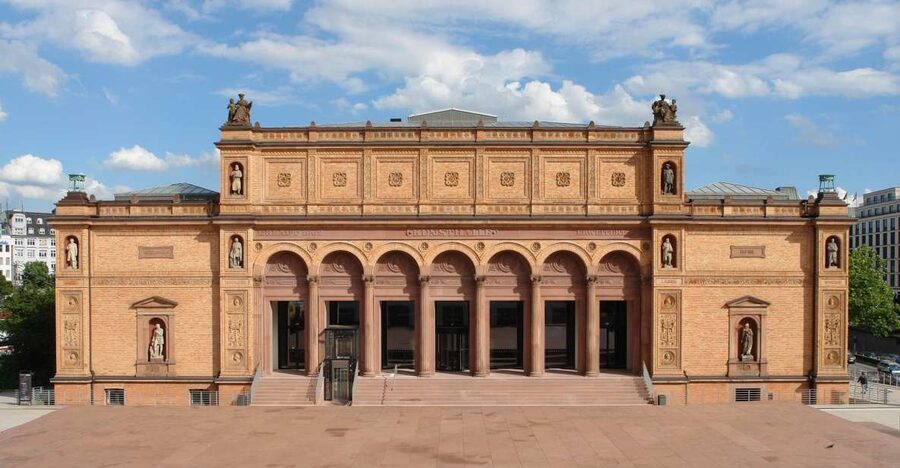
The Kunsthalle does not require you to join a tour. You explore independently, which suits anyone who likes to linger or skip rooms.
Audio guides are available in English and German. A loan device costs €6 at the ticket desk, and the guide covers both the permanent collection and current special exhibitions. You can also download the Hamburger Kunsthalle app free of charge and access the audio guide there.
The app is the better value if you have a charged phone and prefer not to pay the rental fee. The loan device may be more convenient if you want to conserve your battery or avoid using your own phone while looking at art.
I would not automatically take an audio guide for every room. Use it selectively for Friedrich, the medieval collection, or artists you do not know. Too much commentary can turn a relaxed museum visit into homework.
No guide names are provided because this is an admission visit rather than a tour led by a named person. You should expect museum interpretation and optional audio commentary, not a live guide accompanying you from gallery to gallery.
Café Das Liebermann and The Cube
A long museum visit needs a proper pause, and the Kunsthalle offers two food and drink options.
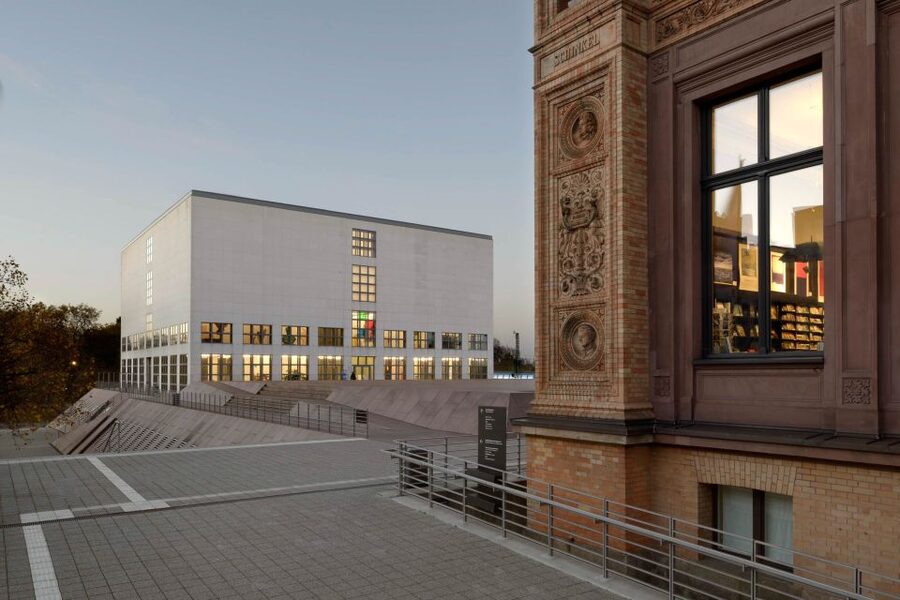
Café Das Liebermann is in the museum’s impressive pillared hall, in its former location after refurbishment. It is suited to a drink or a snack and gives you a chance to sit before returning to the galleries.
The Cube is located in the Gallery of Contemporary Art and has views toward the Inner Alster Lake. Its daytime menu includes snacks and lunch, while the evening menu offers à la carte dinner.
These restaurants are not included in the admission price, so treat them as conveniences rather than part of the ticket value. The view from The Cube may make it worthwhile for a meal, while the café is the simpler choice if you only need a short break.
I would avoid planning your entire museum schedule around a specific restaurant seating time. The supplied information does not give opening hours or reservation details, and art exhibitions should remain the main reason for your visit.
Price, Practical Details, and Access
At about $21 per person, the ticket is fair value if you plan to spend several hours with the permanent collection. You are paying for scale and range rather than a short landmark viewing. One ticket takes you from medieval northern German painting to major twentieth-century and contemporary artists.
The value is weaker if you only want to see one famous painting and leave. In that case, check the museum’s opening hours and current admission terms before booking, since your visit may not use the full collection.
Large bags, backpacks, umbrellas, suitcases, and trolleys must be deposited. The museum has lockers, but the stated rule also says bags larger than DIN A4 must be left. Travel light if possible, especially if you are visiting between hotel checkout and a train departure.
The museum is wheelchair accessible. Language support is available in English and German through the audio guide, and the museum app offers another way to follow the collection.
Free cancellation is available up to 24 hours in advance, and you can reserve now while paying later. Those terms help if your Hamburg schedule is still changing, but they do not remove the need to check the selected date and availability.
Who Will Get the Most from This Museum?
You should book the Kunsthalle if you want a serious art museum with a broad historical range. It suits first-time visitors who want German art, as well as repeat visitors who already know Friedrich and want to explore modern or contemporary rooms.
It is also a good choice for mixed-interest groups. One person can focus on Rembrandt, another on Munch or Warhol, and both can meet later for coffee. The self-guided setup makes that easy.
Families and casual museum visitors should set a modest goal rather than promise to see everything. Pick a handful of works, take a break, and let younger visitors choose a favorite room. The size can be tiring, and the experience works best when you do not force every gallery.
The museum is less suited to anyone seeking a small, quick attraction or a live guide with a fixed story. There is no named guide included, and the collection demands some personal choice.
Should You Book the Hamburger Kunsthalle?
I would book this ticket if you have at least two hours in Hamburg and want more than a single famous painting. The combination of Friedrich, northern German medieval art, Dutch masters, nineteenth-century French painting, German modernism, and contemporary artists gives you real range for the price.
Go with a plan, use the free app if you want context, and leave room for a café break. If your schedule is tight, make Friedrich and one additional period your priority. The museum is large, but that is also its strength: you can shape the day around your own interests.
FAQ
How long is the Hamburg Kunsthalle ticket valid?
The ticket is valid for one day. The supplied information does not specify a fixed visit duration or exact reentry conditions.
What does the entrance ticket include?
It includes entrance to the Hamburger Kunsthalle and access to the permanent collection.
Is the audio guide included in the ticket price?
The audio guide is available in English and German, but a loan device costs €6 at the ticket desk. You can also use the Hamburger Kunsthalle app free of charge.
Can I use the audio guide for special exhibitions?
Yes. Audio guides are offered for the collection areas and current special exhibitions.
What famous painting can I see at the museum?
The collection includes Caspar David Friedrich’s Wanderer above the Sea of Fog.
Which artists are represented in the collection?
Artists named in the collection include Rembrandt, Lucas Cranach the Elder, Hans Holbein, Edvard Munch, Paul Klee, Max Beckmann, Andy Warhol, Gerhard Richter, Jenny Holzer, and Richard Serra.
Is the Kunsthalle wheelchair accessible?
Yes, the museum is wheelchair accessible.
Can I bring a large backpack or suitcase?
Large bags, backpacks, umbrellas, suitcases, and trolleys must be deposited. Lockers are available, and bags larger than DIN A4 are included in the storage requirement.
Can I cancel the booking?
You can cancel up to 24 hours in advance for a full refund. The reservation option also allows you to book now and pay later.
Just added in Hamburg
- Hamburg: St. Pauli Food and Bier Tour★ 4.7 · 5 reviews
- Hamburg: Private Tour Red Light District Walking Tour★ 4.7 · 227 reviews
- St. Pauli Tour: Drag-Attack with Barbie Stupid & Lee Jackson★ 4.8 · 280 reviews
- St. Michael’s, Elbe Tunnel & Harbor 2-Hour Hamburg Tour★ 4.9 · 21 reviews
- Satt Pauli – der kulinarische Rundgang durch St. Pauli★ 4.8 · 12 reviews
- Hamburg: Safari tour in St. Pauli★ 4.9 · 11 reviews
- Radtour um die Alster & durch traumhafte Alsterviertel★ 4.9 · 34 reviews
- Hamburg: Reeperbahn Comedy Club★ 4.3 · 53 reviews
Attraction Tickets, compared.

Munich Hop-On Hop-Off Tour: 1-Day or 2-Day Ticket
Read our review →

Browse the lists this tour appears in