Reviewed · BERLIN TOURS
Berlin: 2.5-Hour Neighborhood Tour of Neukölln
Neukölln is more than Berlin’s hip cafés and late-night reputation. This 2.5-hour walking tour follows the district from the village-like lanes of Bohemian Rixdorf to its worker housing, civic buildings, old prison, public pool, and multicultural present. Guide Tobias has led especially personal tours, with stories about the city crest, urban growth, and places many Berlin visitors miss.
I like the way the walk joins very different chapters of Neukölln instead of treating the district as a single stereotype. I also like the focus on buildings you can actually read: the Town Hall, Rollberg housing, the Innstrasse complex, and the old pool façade. The main consideration is pace. Two and a half hours gives you a useful introduction, but not enough time for long interior visits or a slow look at every stop.
Key points at a glance
- Richardplatz and Bethlehem Church: See the village-like center of old Rixdorf and the church connected with the Bohemian Protestant refugees.
- Rollberg housing district: Learn how a proletarian residential area was planned and built, with a possible look at the distinctive Atriumhäuser.
- Civic Neukölln: Admire the Town Hall, former district court, former prison, and old public pool.
- Karl-Marx-Strasse: Follow one of Neukölln’s main commercial streets and its arcade.
- Local cultural landmarks: Discover Saalbau Neukölln and, depending on the route, the Neuköllner Oper and former Kindl brewery spaces.
- Practical format: A live guide leads in German or English, and a private meeting point can be arranged for your group on request.
Why Neukölln makes a smart Berlin walking tour
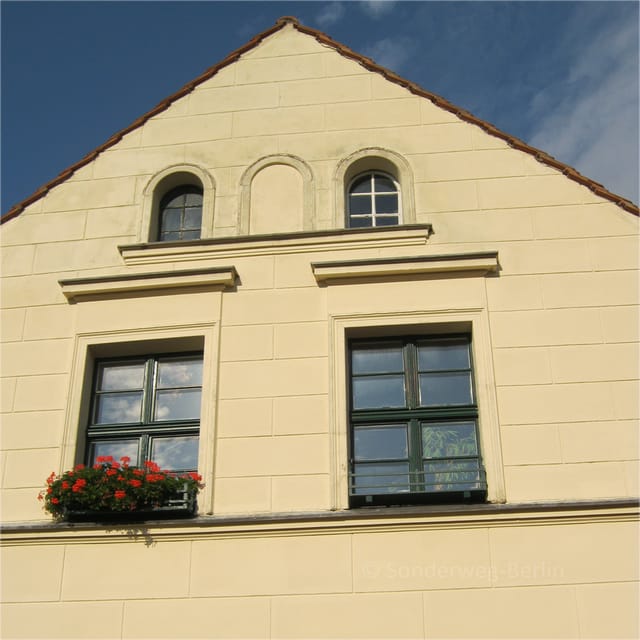
Central Berlin gets the grand monuments. Neukölln gives you the city’s everyday structure: courts, schools, housing, churches, swimming facilities, theaters, shops, and streets shaped by migration and changing fortunes.
That makes this a good choice if you have already seen the Brandenburg Gate and Museum Island, or if you want a side of Berlin that feels less staged for sightseeing. The route is about how a district works and changes. You’ll hear why Rixdorf became Neukölln in 1912, and how the name change was tied to an image problem.
Rixdorf had gained a reputation as a place for frivolous entertainment. With the approval of Wilhelm II, the city adopted the name Neukölln, hoping to leave that reputation behind. It is a small detail, but it explains how politics, public image, and urban identity can shape a place long after its streets are built.
The tour also reaches further back. The Bohemian Exulanten, Protestant refugees, settled here alongside the German population in the 18th century. Their presence helps explain why the area around Richardplatz still feels different from the broad avenues and dense apartment blocks elsewhere in Neukölln.
A few more half-days in Berlin worth comparing
- Berlin: Reichstag, Dome and Government District Guided Tour
★ 4.7 · 18,288 reviews - Berlin: 1-Hour City Tour by Boat with Guaranteed Seating
★ 4.3 · 16,993 reviews - Berlin: Boat Tour Along the River Spree
★ 4.4 · 11,252 reviews
Richardplatz and the Bohemian village
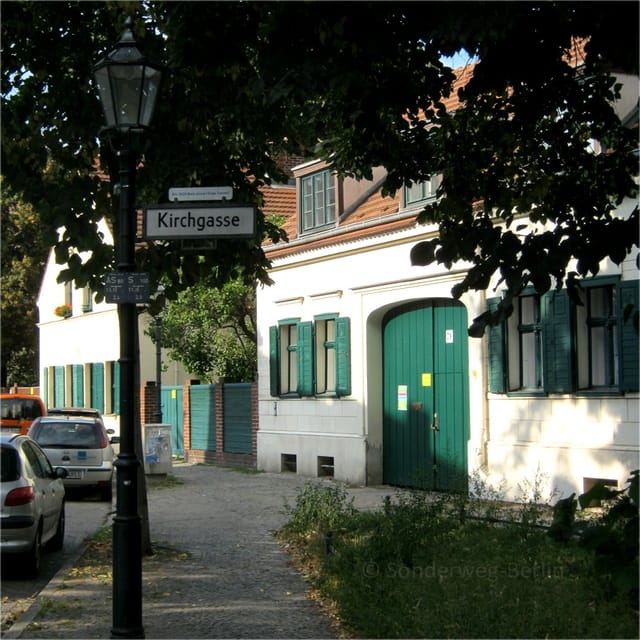
Richardplatz is likely to be the emotional center of the walk. The square retains a village-like atmosphere, giving you a sharp contrast with the busy urban district around it.
Here, the story of Neukölln becomes more than a tale of modern Berlin. You can connect the settlement’s older religious roots with the district’s later expansion. The Bohemian exile houses are a key part of that story, as is Bethlehem Church on Richardplatz.
I like this section because it gives you a clear sense of time. You are not simply looking at old buildings and being told they are old. You are seeing how a small settlement became part of a much larger city while keeping traces of its earlier character.
Bethlehem Church is also a useful stop for understanding the religious life of the Bohemian community. The tour presents puritanism and Protestant faith as forces that shaped daily life, not just as background labels in a history book.
Do not expect a large museum-style visit here. The value is in the street setting, the relationship between the buildings, and the guide’s explanation. If you prefer interiors and formal displays, this portion may feel brief. If you like reading a neighborhood through its layout, it is one of the strongest parts.
From Rixdorf to the Neukölln Town Hall
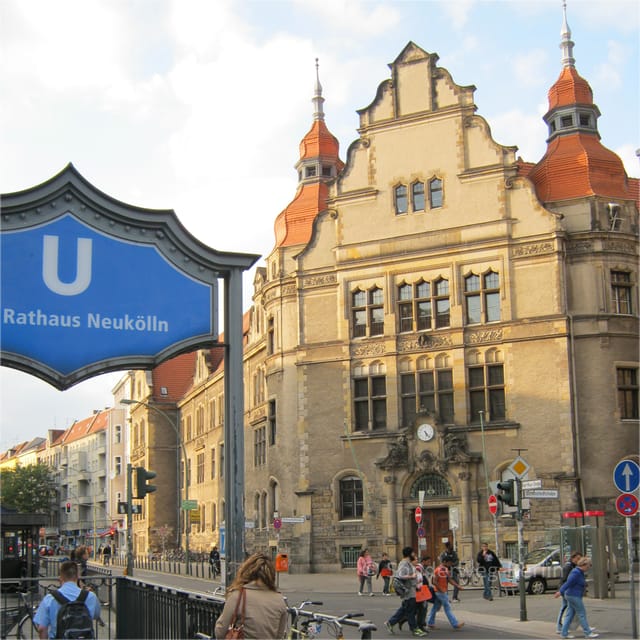
The Town Hall brings a different kind of Neukölln into view. Its architecture reflects civic ambition and the growing importance of the district south of Berlin.
The building is not just a photo stop. It helps show how Neukölln presented itself as a serious city with its own administration, public services, and sense of identity. Set beside the district’s older village center, it also shows the shift from settlement to urban municipality.
The walk includes the old district court and former prison as well. These buildings add the less decorative side of civic life. A town is not only churches, markets, and grand façades. It also needs courts, detention facilities, and systems for managing a growing population.
I find this mix useful because it keeps the tour from becoming an architecture stroll without context. You get attractive buildings, but you also hear what they were built to do. The contrast between official civic architecture and worker housing gives the route a stronger social focus.
The guide’s explanation matters here. Tobias has been praised for making subjects such as the city crest and urban development easy to follow, with a relaxed manner rather than a stiff lecture. If your guide is Tobias, expect plenty of historical context and room for conversation. Other tours are offered in German or English.
Rollberg and the story of worker housing
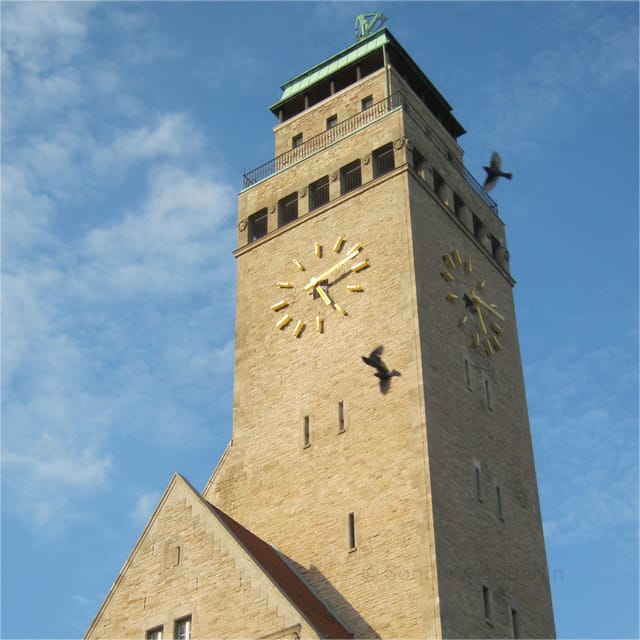
The Rollberg district is where the walk turns toward working-class Berlin. You’ll learn about the proletarian residential district and the planning ideas behind it.
Housing often tells you more about a city than a monument does. Apartment blocks show who was expected to live there, how much space families were given, and what planners thought a decent neighborhood should provide. At Rollberg, the buildings help explain Neukölln’s industrial and social growth.
The Atriumhäuser, or atrium houses, are a particularly interesting part of this section. Their design gives the housing complex a character beyond rows of standard façades. The route also includes the outstanding housing complex on Innstrasse, another chance to look closely at how architecture shaped daily life.
You should pay attention to the relationship between private homes and shared space. Even without a formal interior visit, the arrangement of entrances, courtyards, and façades can tell you how the development was meant to function.
The tradeoff is that architecture tours ask you to look carefully. If you want nonstop famous sights, this section may seem quiet. Give it time. The reward is a better understanding of the people who built and occupied Neukölln, not just the people who governed it.
Same city, a completely different kind of day:
- Discover Berlin Half-Day Walking Tour
★ 5.0 · 9,624 reviews - Berlin: Hop-on Hop-off Bus Tour with Live Commentary
★ 4.3 · 8,579 reviews - Berlin: Government District around the Reichstag Guided Tour
★ 4.7 · 8,447 reviews - Berlin: Reichstag, Plenary Chamber, Cupola & Government Tour
★ 4.6 · 8,422 reviews
The old public pool and cultural Neukölln
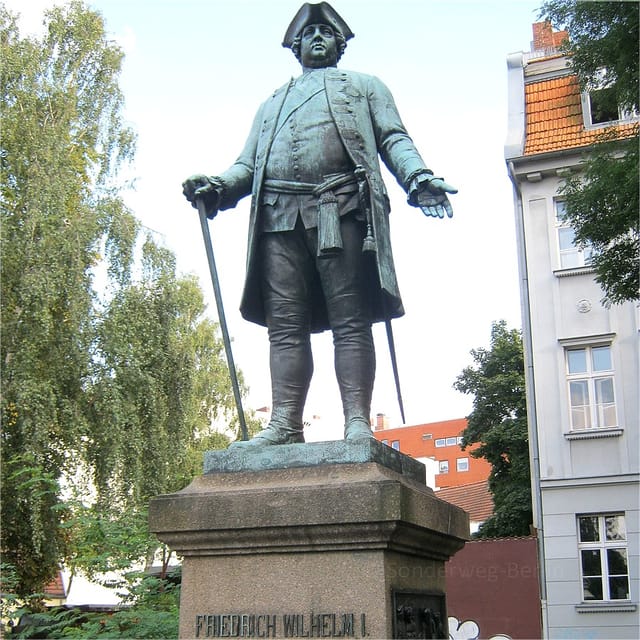
The façade of the old Neukölln public pool is another practical landmark with a larger story behind it. Public pools were part of the city’s investment in health, leisure, and civic services. Its façade adds visual variety after the court, prison, and housing stops.
Saalbau Neukölln brings culture into the route. The building represents another part of city life: performance, community activity, and public gathering. Together, the pool and Saalbau help you see that Neukölln’s identity was formed not only by housing and administration, but also by places where people met and spent free time.
The exact route can include additional cultural and industrial details. One reported outing reached the Neuköllner Oper, the former brewing room of the Kindl brewery, and the Atriumhäuser on Rollberg. These additions suggest that the walk can be tailored or adjusted, especially when a private arrangement is made.
Because the meeting point and route may vary by option, ask what your version includes when booking. That is particularly useful if you have your heart set on the old brewery space or the opera. The published highlights point to the main Neukölln landmarks, but the final shape may depend on your group and guide.
Karl-Marx-Strasse and the modern district
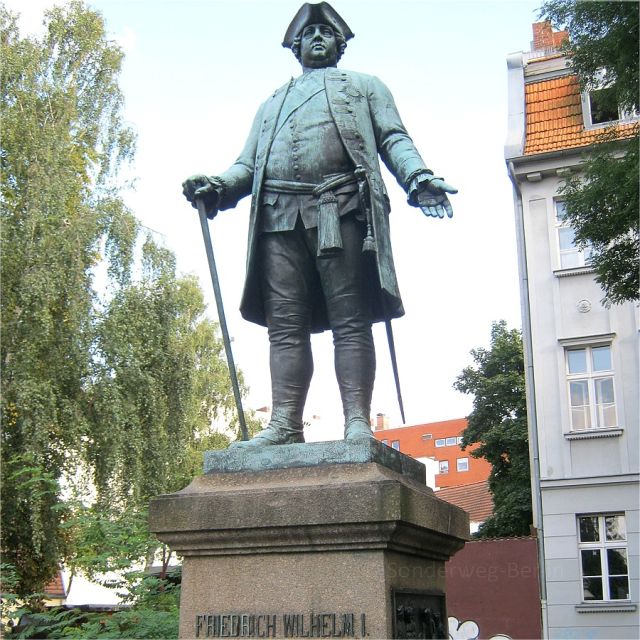
Karl-Marx-Strasse gives you Neukölln at street level. The arcade is one of the tour’s more urban stops, moving you away from historic village lanes and formal civic buildings.
This is where the district’s modern identity comes through most clearly. Shops, movement, changing businesses, and many cultural influences have made the street an important public corridor. The tour does not present multicultural Neukölln as a simple slogan. Instead, it places that present beside the older settlement, the refugee community, worker housing, and city administration.
I appreciate that the route does not erase the district’s rougher or more ordinary parts. You are not being led from one polished attraction to another. You are seeing the streets that connect the major landmarks, and that makes the history easier to understand.
The arcade may appeal to you if you enjoy urban details that are easy to miss on your own. It is not a grand monument, so it benefits from a guide who can explain why it matters and how it fits the street’s development.
What the guide adds to the experience
The guide is the key reason to book this rather than simply follow a map. Neukölln has plenty of buildings, but the connections between them are not obvious without local explanation.
Tobias is the named guide associated with especially well-received tours. His approach is described as personal, relaxed, and lightly humorous. He has explained the city crest, the growth of Neukölln, and the background of individual buildings in a way that keeps the walk conversational.
That style suits this route. The subject is broad, stretching from the Middle Ages to present-day Berlin. A formal lecture could make it feel heavy. A casual guide who can connect a church, a town hall, a housing block, and a former brewery will make the timeline easier to hold in your head.
The tour is also suitable for German- or English-speaking visitors. If you want a private walk, you can request a meeting point, date, and time for your group. That flexibility is useful, but confirm the final details before you arrive, since the meeting point may vary by booking option.
Is $23 a fair price?
At $23 per person, this is a reasonable price for a 2.5-hour guided walk, especially if you value local history more than a long list of ticketed interiors.
Your payment covers the live guide, not food, drinks, or personal spending. Since the experience is primarily outdoors, the cost is going toward interpretation and route planning. You are paying for someone to connect the district’s scattered pieces, not for admission to a major museum.
The value rises if you are interested in architecture, social history, migration, or lesser-known Berlin neighborhoods. It also makes sense for repeat Berlin visitors who have already covered the central sights. For a first-time visitor with only one day in Berlin, I would choose the city’s major landmarks first.
At $23, I would not expect a full meal break or extensive interior access. Think of it as a focused orientation to Neukölln. You may want to eat before or after, since food and drinks are not included.
The tour offers free cancellation up to 24 hours before the start, and you can reserve now and pay later. Those terms help if your Berlin schedule is still shifting. The activity is listed as wheelchair accessible, though you should still confirm the exact meeting point and route when arranging a private option.
Who should book this Neukölln walk?
I would recommend it to you if you enjoy:
- Neighborhood history over postcard sightseeing
- Architecture that includes housing, civic buildings, and public facilities
- Berlin’s Protestant, working-class, and immigrant stories
- Small details such as a city crest, an arcade, or a former prison
- A guide-led route with time for questions and conversation
It is less suited to you if you want a fast tour of Berlin’s biggest monuments, a museum-heavy outing, or a route built around food and nightlife. The walk is about context. It asks you to notice how a district grew.
The 2.5-hour length is long enough to make the neighborhood feel coherent without taking up a whole day. Wear comfortable shoes and come ready to walk outdoors. The activity is wheelchair accessible, but because the meeting point can vary, confirm the arrangements in advance.
Should you book it?
Book this Neukölln tour if you want Berlin beyond the standard center and like the idea of learning through streets, façades, housing, and public buildings. The strongest sections are Richardplatz and the Bohemian village, the contrast between civic Neukölln and Rollberg housing, and the guide’s ability to connect old Rixdorf with the multicultural district you see today.
I would choose it after visiting Berlin’s main sights, or as a way to spend a morning or afternoon in a part of the city you might otherwise pass by. The price is fair, the route is focused, and the German or English format makes it easy to fit into many itineraries.
Ask about the exact route if the former Kindl brewery space, Neuköllner Oper, or a private meeting point matters to you. If those details line up, this is a thoughtful, local-scale introduction to Neukölln rather than another quick march between famous landmarks.
FAQ
How long is the Neukölln neighborhood tour?
The walking tour lasts 2.5 hours.
Where does the tour meet?
The meeting point may vary depending on the option you book. A meeting point, date, and time can also be arranged for your group upon request.
What languages are available?
The live tour guide can lead the experience in German or English.
Is the tour wheelchair accessible?
Yes, the activity is listed as wheelchair accessible.
What landmarks are included?
The route highlights the old district court, former prison, Neukölln Town Hall, Rollberg housing district, Innstrasse housing complex, old public pool façade, Saalbau Neukölln, the Karl-Marx-Strasse arcade, Bohemian Rixdorf, and Bethlehem Church on Richardplatz.
Will I visit Richardplatz?
Yes, Richardplatz and Bethlehem Church are included among the tour highlights, along with the exile houses in Bohemian Rixdorf.
Are food and drinks included?
No. Food, drinks, and personal expenses are not included.
Who leads the tour?
The experience includes an expert live guide. Tobias is one named guide associated with the tour, and the walk is available in German or English.
Can I cancel the booking?
Yes. You can cancel up to 24 hours in advance for a full refund. You can also reserve now and pay later.
Just added in Berlin
- Berlin & The Third Reich Private Guided Tour★ 5.0 · 3 reviews
- Third Reich Quest Experience in Berlin★ 4.5 · 7 reviews
- Private Analogue Photography Experience in Berlin★ 5.0 · 3 reviews
- Berlin Urbex Adventure and History Tour★ 5.0 · 9 reviews
- The Beauty of Berlin by Bike: Private Tour★ 5.0 · 59 reviews
- Berlin: Guided Bike tour of the Berlin Wall and Third Reich★ 5.0 · 160 reviews
- Beyond Currywurst: Berlin’s Hidden Street Food & Culture Tour★ 5.0 · 100 reviews
- Berlin Third Reich & Cold War Walking Tour With A Guide★ 5.0 · 7 reviews
Berlin Tours, compared.
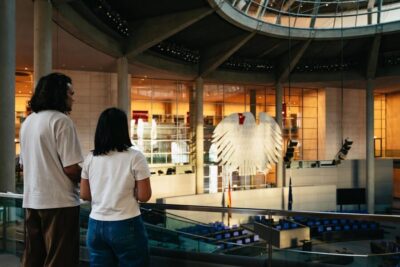
Reichstag, Dome and Government District Guided Tour
Read our review →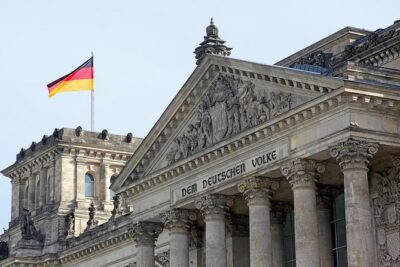
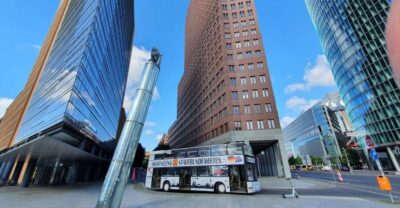
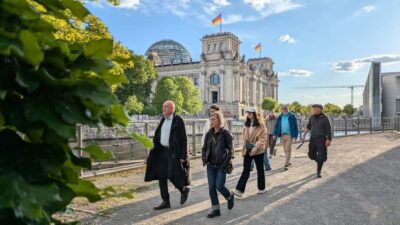
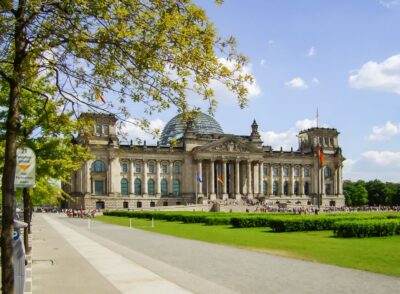
Reichstag, Plenary Chamber, Cupola & Government Tour
Read our review →