Reviewed · BERLIN TOURS
Berlin: Battle for Seelow Heights WW2 tour -Clash of Titans
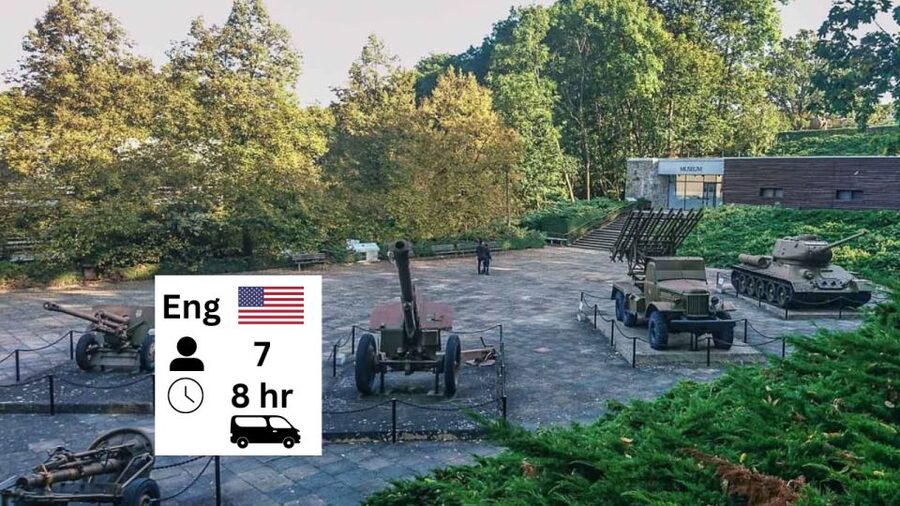
The Battle of Seelow Heights is one of World War II’s great overlooked confrontations, and this tour puts you directly on its ground. About 1.5 hours east of Berlin, you’ll see the museum, German trench positions, tank obstacles, and the broad terrain that helps explain why the battle was so costly.
I like the small group of eight and the way guides Matt and Matthew make room for questions, maps, and tactical explanation. I also like the mix of indoor and outdoor history: the museum gives you the framework, while the field stops show how infantry, armour, artillery, and defensive positions worked together.
The main drawback is the long day and the walking over uneven ground. This tour is not suitable for people with mobility impairments, and you’ll need comfortable shoes, snacks, and rain gear because it runs in all weather.
Key points to know before booking
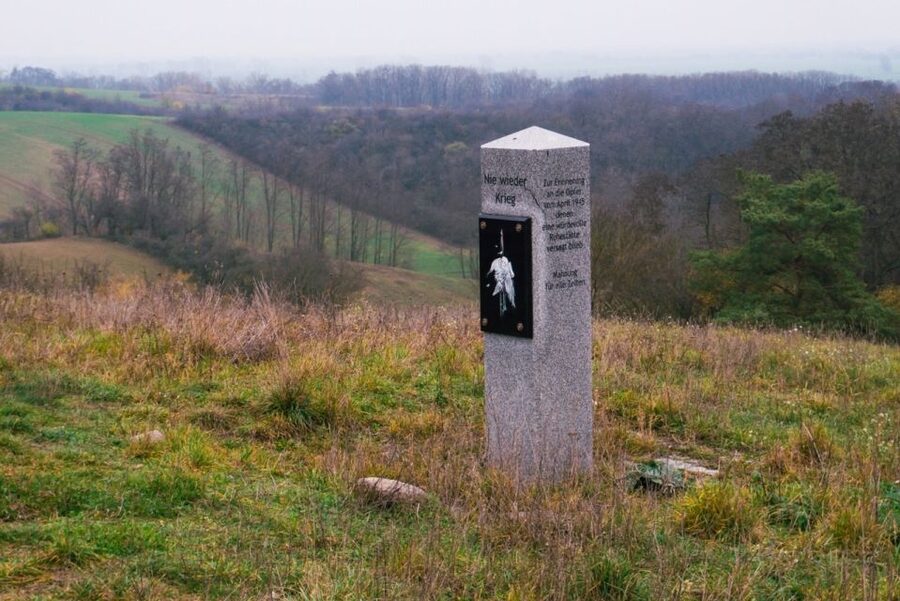
- A rare Eastern Front focus: Seelow Heights is often missed by visitors who stick to central Berlin’s major war sites.
- A guide-led battlefield study: Matt or Matthew uses supporting material to explain troop movements, tactics, and the human cost of the fighting.
- Four distinct stops: The museum, Reitwein, Dolgelin, and Jahnsfelde each add a different part of the story.
- Real defensive remains: You’ll walk through German trench positions and see remnants of tank obstacles.
- Comfortable transport: The air-conditioned and heated vehicle includes Wi-Fi and a small bottle of water.
- Best for serious history fans: At $152 per person, the price makes the most sense if you want detailed battlefield interpretation rather than a quick sightseeing trip.
Why Seelow Heights matters
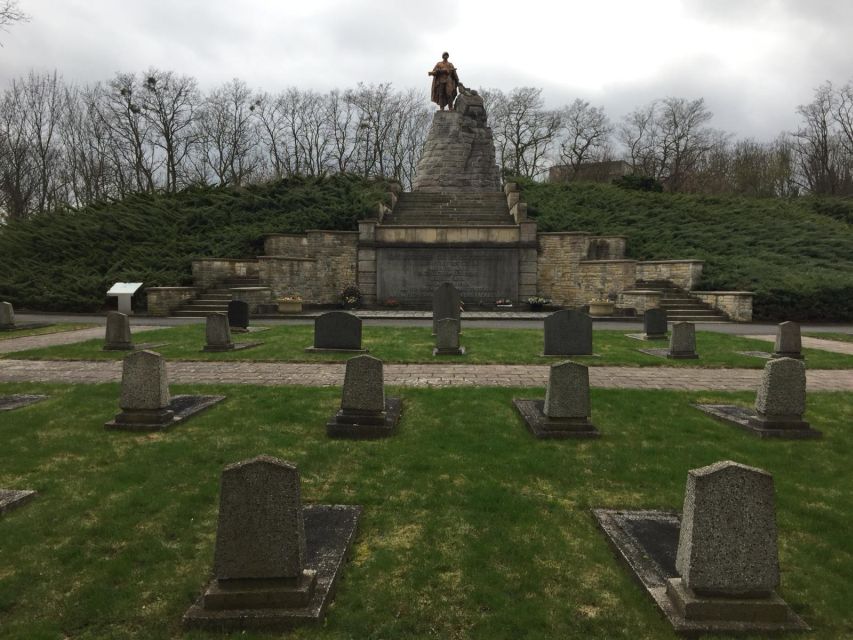
Seelow is an ordinary-looking town with an extraordinary wartime story. In April 1945, the heights became the scene of a massive Soviet assault against German defensive positions protecting the route to Berlin.
The scale was enormous. The tour explains the clash between roughly 768,000 Soviet troops, supported by more than 22,000 tanks, artillery pieces, and aircraft, and about 150,000 German defenders. Numbers like these can feel abstract in a book. On the ground, the open fields, rising terrain, and defensive remnants give those figures more meaning.
This was not a simple story of one army moving forward. You’ll learn how infantry attacks depended on artillery, armoured vehicles, engineering work, defensive lines, and the condition of the terrain. The guide also explains the smaller battles inside the larger battle, which helps you understand why progress was difficult and losses were so severe.
I think this setting works best for people who already know the broad outline of World War II and want to understand one particular operation. If your interest is mainly Berlin’s museums, monuments, or the political history of the Nazi period, this will feel more specialised and military in focus.
A few more half-days in Berlin worth comparing
- Berlin: Reichstag, Dome and Government District Guided Tour
★ 4.7 · 18,288 reviews - Berlin: 1-Hour City Tour by Boat with Guaranteed Seating
★ 4.3 · 16,993 reviews - Berlin: Boat Tour Along the River Spree
★ 4.4 · 11,252 reviews
Leaving Berlin for the Oder countryside
The day begins at the main vehicle entrance of the Park Inn by Radisson Berlin Alexanderplatz Hotel, opposite the Burger King entrance. Look for the guide holding a Battle for Seelow Height Tour sign, and arrive 15 minutes early.
The drive to Seelow takes about 1.5 hours. That travel time is part of the trade-off. You lose some morning sightseeing time in Berlin, but you gain access to a battlefield that is not within the usual city tour circuit.
The vehicle is air-conditioned and heated, which matters on a full-day trip. Wi-Fi is available inside, and a small bottle of water is included. One guide also provided a hot drink and biscuit on a previous tour, though that is not listed as a standard inclusion, so I would not plan on it.
Bring food for the road. Snacks and meals are not included, and eight hours is a long stretch if you leave Berlin without breakfast or lunch. Comfortable shoes are essential. A raincoat or umbrella is wise too, since the tour goes ahead in bad weather and rain ponchos are supplied if needed.
The Seelow Heights War Museum
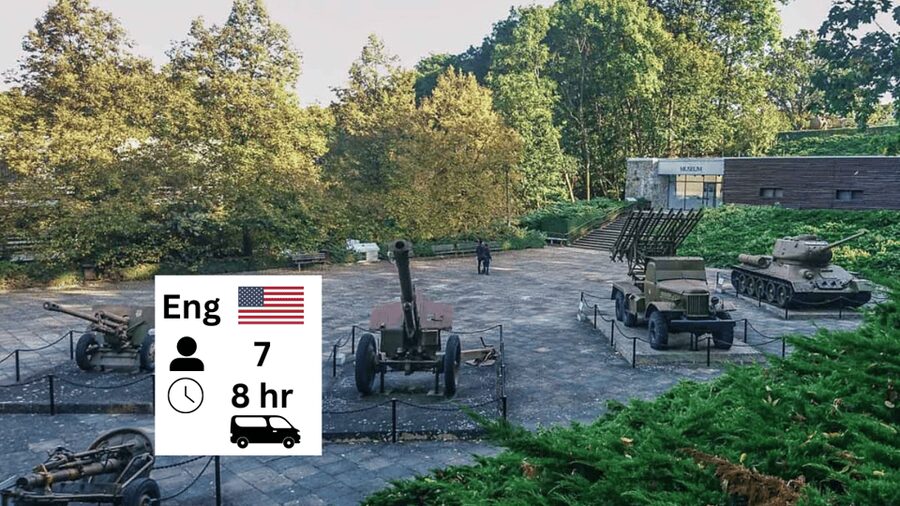
The first main stop is the Gedenkstätte and Museum Seelower Höhen. You’ll have a guided visit, time to look around, and a chance to take in the surrounding views.
The museum is small, but that can be an advantage. Rather than trying to cover every part of the Eastern Front, it focuses your attention on the Seelow Heights battle. Artefacts, maps, and displays provide the basic sequence of events before you go out to the actual positions.
Pay close attention to the maps. They help turn the visit from a collection of objects into a clear military story. You’ll see how the defensive positions related to the approaching Soviet forces, why the heights mattered, and how the terrain shaped the attack.
This is also where the guide’s skill matters most. Matt is praised for using supporting material to put facts into context and for explaining complex operations in a way that works for people with different levels of military knowledge. He is also willing to answer questions beyond the immediate battle, including other parts of World War II and the later East German period.
The museum visit lasts about 1.5 hours, including the guided portion and free time. That is enough time to gain a firm base without spending the entire day indoors.
German trenches and the view from the heights
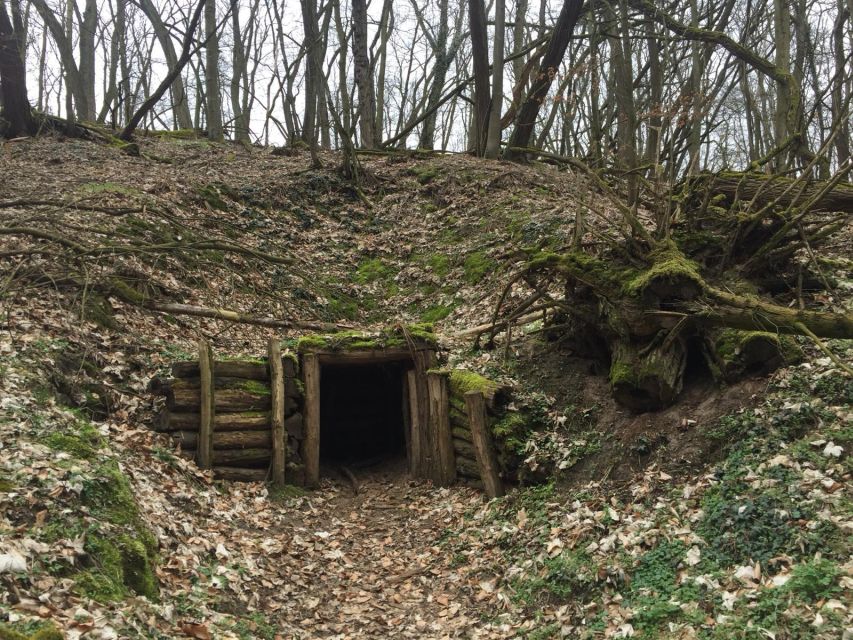
After the museum, the tour becomes more physical. You’ll visit German trench positions and view the battlefield from elevated ground.
The trenches are important because they show the defensive side of the battle in practical terms. You can consider where soldiers took cover, how defensive lines affected movement, and why an attacking force could face such difficulty even with overwhelming numbers.
The view also helps explain the battle’s scale. Rather than seeing isolated remains, you can look across the terrain and imagine the relationship between defensive positions, roads, open ground, and advancing forces. The guide connects the physical setting with infantry tactics and combined-arms operations.
This is not a polished attraction with a large visitor infrastructure. You are going to a battlefield site, not a theme park version of one. That means the experience can feel more direct, but it also means uneven walking surfaces and exposure to the weather.
Take your time at these outdoor stops. The most useful question to ask is not only what happened here, but why this position mattered. The guide’s explanations of offensive and defensive operations are the reason to choose this tour over simply driving out to Seelow on your own.
Same city, a completely different kind of day:
- Discover Berlin Half-Day Walking Tour
★ 5.0 · 9,624 reviews - Berlin: Hop-on Hop-off Bus Tour with Live Commentary
★ 4.3 · 8,579 reviews - Berlin: Government District around the Reichstag Guided Tour
★ 4.7 · 8,447 reviews - Berlin: Reichstag, Plenary Chamber, Cupola & Government Tour
★ 4.6 · 8,422 reviews
Reitwein: a short stop with a wider view
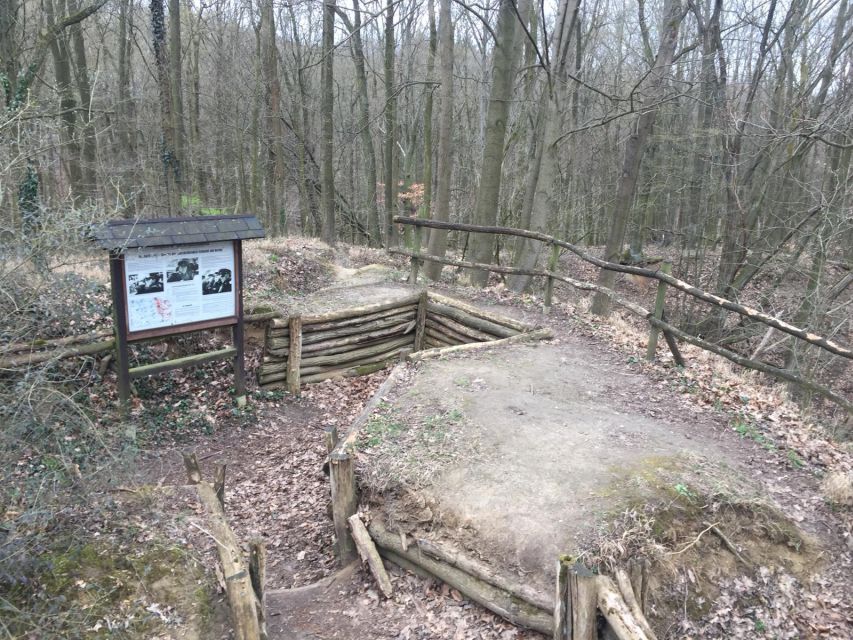
Reitwein is the next listed stop, with about 20 minutes for a guided visit and walking.
This is a shorter stop, so expect a focused explanation rather than a long museum visit. Its value comes from placing another point into the battle plan. After the main museum, you’ll be able to connect the village and surrounding terrain with the larger movement of forces.
A short stop can also be useful after the intensive museum visit. You have time to get out, walk, and reset before the next section. Do not expect a large collection of artefacts here. The emphasis is on location and battlefield interpretation.
Dolgelin and the human scale of the battle
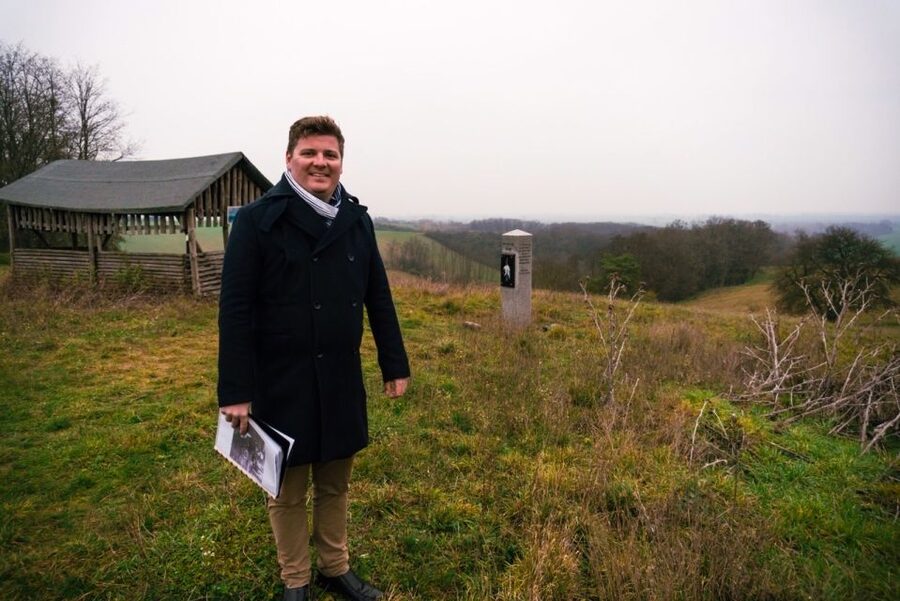
The tour then continues to Dolgelin for about 45 minutes, including a guided visit and walk.
By this point, the broad numbers from the museum should begin to feel more specific. The guide can explain how larger strategic plans translated into fighting around individual places, routes, and defensive points. That shift from army-level movements to local action is one of the most useful parts of the day.
The tour also gives room for personal stories and the human cost of the battle. That matters because tactical language can make the fighting sound tidy. Terms such as offensive operation, defensive line, and combined arms describe real military methods, but they also involved severe suffering and loss.
The strongest version of this tour holds both ideas together. You learn how the operation worked, while keeping sight of the soldiers and civilians affected by it.
Jahnsfelde and the final field stop
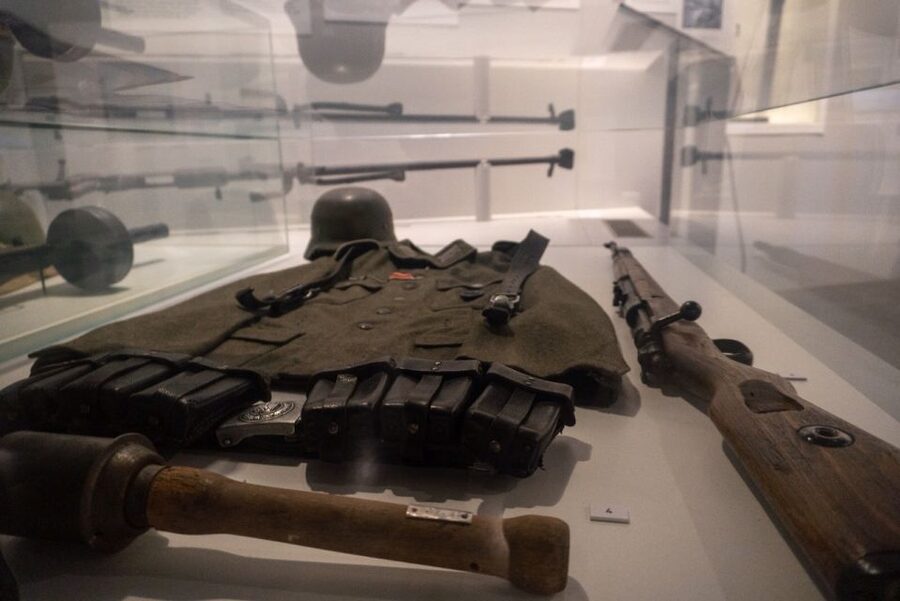
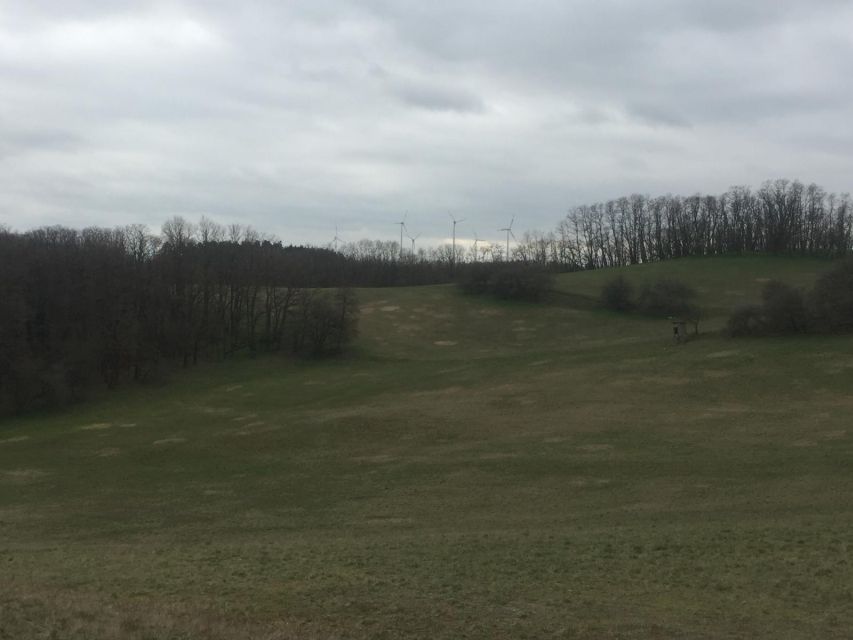
Jahnsfelde receives about an hour, making it the longest of the three village-area stops.
This gives the guide more time to bring together the parts of the day. You can expect further walking, a guided explanation, and discussion of how the battle developed across the area. The stop is especially useful if you want to ask detailed questions about infantry tactics, armoured support, defensive planning, or the sequence of local engagements.
I would save your more specific questions for here. By now, you’ll have seen the museum maps, the trench positions, and several points on the ground. That makes it easier to ask how one action affected another, or why a particular defensive position was difficult to take.
The stop also helps prevent the tour from becoming a museum-only visit. You are not simply absorbing information from displays. You are using the actual setting to test what you have learned.
What the guide adds
The guide is the main reason this tour costs more than a self-guided train or car trip to the area. Matt, also referred to as Matthew, is described as a military historian who explains details clearly and keeps the subject engaging for people with different levels of background knowledge.
That flexibility is important. A specialist battlefield tour can become hard work if every explanation assumes that you already know the commanders, units, weapons, and dates. Here, the guide can start with the basic context and then move into tactics for those who want more.
You should also expect discussion beyond the narrow battle itself. The guide has covered other World War II subjects and the East German communist period, so questions about the wider setting are welcome.
The small group makes a real difference. With a maximum of eight participants, you can hear the explanation without a crowd around you, ask follow-up questions, and see maps or other supporting material more easily. It also gives the day a more personal feel than a large coach tour.
Is $152 a fair price?
At $152 per person, this is not a budget excursion. The price needs to be judged against what is included: roughly eight hours, return transport from central Berlin, entrance to the museum, a live English-language guide, and a small group capped at eight.
For someone who simply wants to see a few World War II sites, the cost may be hard to justify. Berlin has many lower-cost museums and memorials inside the city.
For a serious military history enthusiast, the calculation is different. You receive transport to several dispersed locations, a specialist explanation, access to the museum, and help connecting physical remains with battlefield movements. Finding all four stops independently would require planning, transport, and a great deal of background research.
The price also reflects the time involved. About 2.5 hours of the day are spent travelling to and from Berlin, while the rest is devoted to the museum and field locations. I see it as a focused specialist tour, not a general day trip.
Who should take this tour?
I would choose it if you have already visited Berlin’s major World War II sites or if the Eastern Front is your main interest. It is also a good fit if you enjoy military history at the operational level and want to understand how terrain, artillery, tanks, infantry, and defensive positions worked together.
It suits adults and older children who can handle a full day of walking, outdoor conditions, and serious subject matter. The tour is conducted in English.
I would skip it if you want a relaxed sightseeing day, dislike long drives, or have limited mobility. There is walking at several stops, and the tour is not suitable for people with mobility impairments.
The weather matters too. The trip operates rain or shine. The vehicle is heated and air-conditioned, and rain ponchos are available, but you should still bring proper rain gear and shoes with good support.
Booking flexibility and practical details
You can cancel up to 24 hours before the activity for a full refund, and the reserve-now, pay-later option keeps your plans flexible.
The meeting point is specific, so do not wait inside the hotel lobby. Go to the main vehicle entrance opposite Burger King and arrive 15 minutes before departure.
The return is to the same Park Inn by Radisson Berlin Alexanderplatz location. The overall duration is eight hours, though the exact starting time depends on availability.
Bring snacks, water beyond the included small bottle if you prefer more, comfortable shoes, and rain protection. Food is not included, and no special clothing beyond practical outdoor gear is supplied.
Should you book the Battle for Seelow Heights tour?
Book it if you want a serious, focused look at an overlooked World War II battle and value an expert guide more than a low price. The museum alone would not be enough, but the combination of maps, trenches, tank obstacles, village stops, and open views gives the battle a clear physical setting.
I would especially recommend it after you have seen Berlin’s main historical sights. Seelow offers a different kind of day, one built around tactics, terrain, and the personal cost of a huge military operation.
Skip it if you need an easy-access excursion or prefer broad city history. For the right audience, though, the small group, detailed guidance from Matt or Matthew, and the chance to walk actual German defensive positions make the $152 fare reasonable.
FAQ
How long is the Battle for Seelow Heights tour?
The tour lasts eight hours, including travel from Berlin, the museum visit, the battlefield stops, and the return journey.
Where does the tour begin?
It begins at the main vehicle entrance of the Park Inn by Radisson Berlin Alexanderplatz Hotel, opposite the Burger King entrance.
How early should I arrive?
You should arrive 15 minutes before the activity starts.
How long does it take to reach Seelow?
The drive from Berlin to Seelow takes about 1.5 hours.
What language is the tour conducted in?
The live tour guide speaks English.
How many people are in the group?
The tour is limited to eight participants.
Is food included?
No. Food and snacks are not included, so you should bring snacks for the day.
Is the tour suitable for people with mobility impairments?
No. The tour is not suitable for people with mobility impairments because it includes walking at several outdoor battlefield locations.
Just added in Berlin
- Berlin & The Third Reich Private Guided Tour★ 5.0 · 3 reviews
- Third Reich Quest Experience in Berlin★ 4.5 · 7 reviews
- Private Analogue Photography Experience in Berlin★ 5.0 · 3 reviews
- Berlin Urbex Adventure and History Tour★ 5.0 · 9 reviews
- The Beauty of Berlin by Bike: Private Tour★ 5.0 · 59 reviews
- Berlin: Guided Bike tour of the Berlin Wall and Third Reich★ 5.0 · 160 reviews
- Shared Underground Party Tour in Berlin★ 4.5 · 9 reviews
- Beyond Currywurst: Berlin’s Hidden Street Food & Culture Tour★ 5.0 · 100 reviews
Berlin Tours, compared.
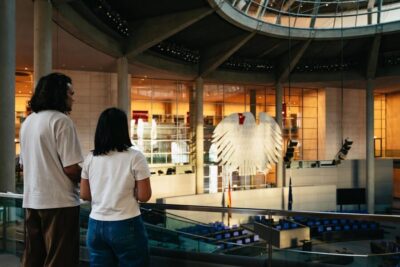
Reichstag, Dome and Government District Guided Tour
Read our review →
Reichstag, Plenary Chamber, Cupola & Government Tour
Read our review →