
Reviewed · WALKING TOURS
Frankfurt: Must-See Attractions Walking Tour with a Guide
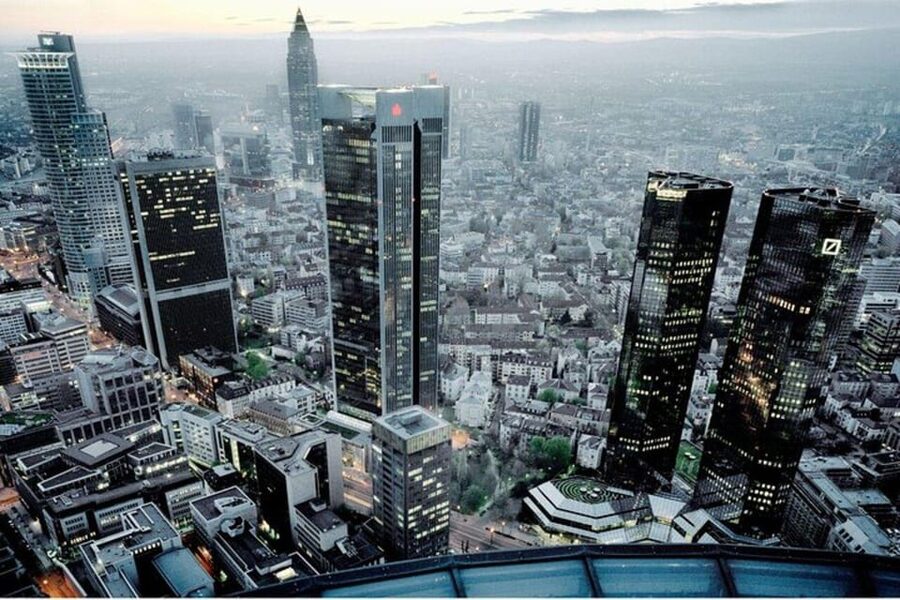
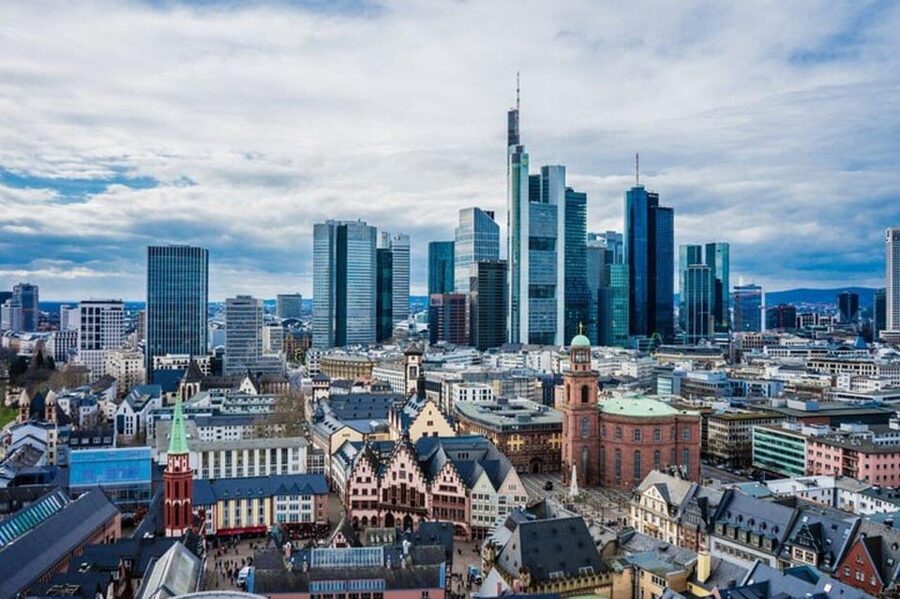
Frankfurt’s appeal comes from its sharp contrasts: medieval town hall buildings, a Gothic cathedral, a broad river crossing, and the high-rise banking district all fit into one compact city center. This private walk gives you a useful first look without forcing you into a fixed group or a one-size-fits-all script.
I like the custom route, which lets you focus on architecture, local culture, or German history. I also like the practical help from guides such as Chris, Annibal, Ellyn, and Heidrun, who have helped guests take better photos, find local food, and adjust the pace. The main drawback is time: two hours is not enough for a close look at every stop, and a delayed arrival or long conversation can mean skipping something.
Key points to know before booking
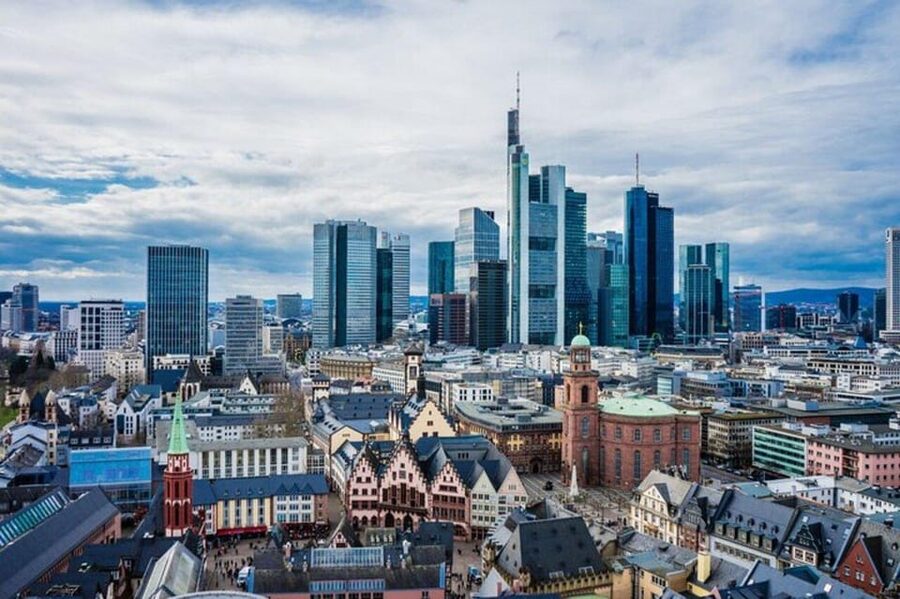
- A private walk through old and new Frankfurt: Begin at the Fountain of Justice and connect the Römer, cathedral, river, museums, banking district, and Old Opera.
- The route can follow your interests: Ask for more architecture, history, local culture, photography, or practical advice for the rest of your stay.
- Several stops are viewed from outside: The tour includes guided visits and explanations, but admission to museums or other paid attractions is not included.
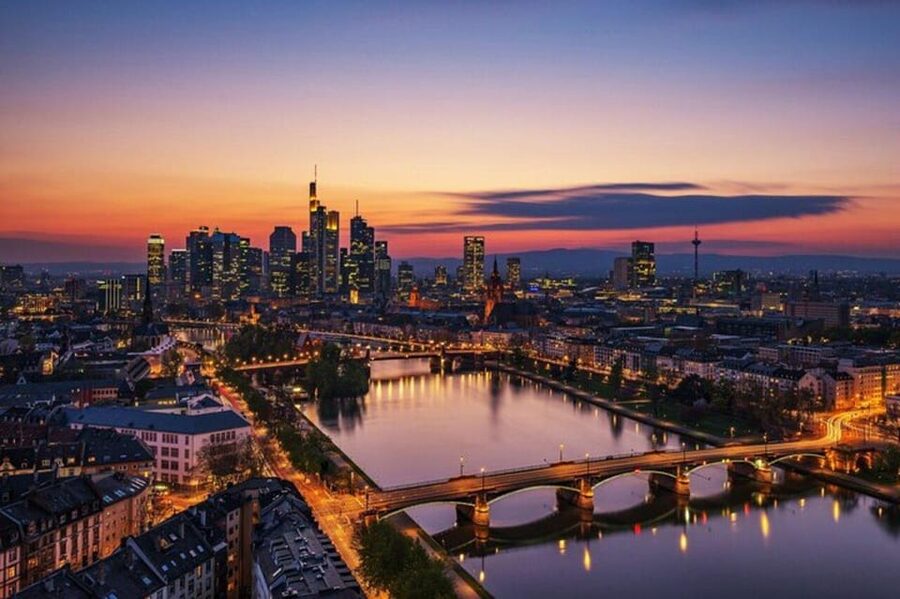
- The Iron Footbridge brings the best city contrast: From here, you can see Frankfurt’s skyline while standing on a historic river crossing.
- Kleinmarkthalle adds a local food stop: Food and drinks cost extra, but the market is a useful place to browse German and international specialties.
- Private means flexible, not necessarily slow: You get your own guide, but the route still covers a lot in two hours.
Why this short Frankfurt walk works well
Frankfurt is easy to underestimate. Many people know it for its airport, trade fairs, and banks, then discover a city center with a rebuilt old town, major churches, literary landmarks, art museums, and the Main River close together. A guide helps you connect those pieces instead of seeing them as isolated photo stops.
The private format is the main advantage. You are not sharing the guide with a large group, so you can ask questions as they arise and request changes. If you care about architecture, you can spend more time on the Römer and Old Opera. If German politics interests you, St. Paul’s Church deserves more attention. If you want a practical orientation, you can use the walk to decide where to eat and what to visit later.
The advertised price is $53 per person, which is fair for a private two-hour service if you are traveling with a small group and expect to use the guide’s local advice. The value is less compelling for a solo visitor who only wants a quick list of landmarks, since the route is short and several sights are introductions rather than full visits.
You should also think of this as an orientation walk, not a full museum tour. Ticket help is available for desired visits, but food, drinks, and admission costs are not part of the price. That distinction matters if you expect to enter the Städel Museum, Goethe House, or another attraction during the same two-hour period.
More Walking Tours in Frankfurt
- Frankfurt Highlights English Walking Tour
★ 5.0 · 1,203 reviews - Frankfurt on Foot Daily Walking Tour in English
★ 4.9 · 323 reviews - Frankfurt: Private or Shared Walking Tour
★ 4.8 · 156 reviews
Starting at the Fountain of Justice
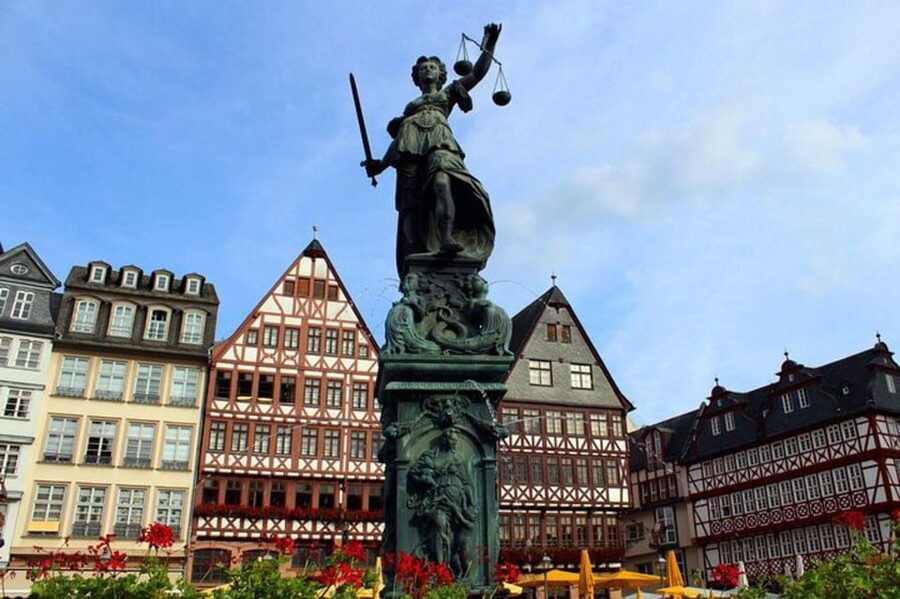
The meeting point is near the Fountain of Justice, a sensible place to begin because you are already in the center of Frankfurt’s old town. From here, the guide can quickly place the city around you: the historic civic center, the cathedral, the river, and the newer commercial district are all part of the story.
This is also where the private format begins to pay off. Tell your guide at the start what you want from the walk. You might ask for a broad introduction, a closer look at Frankfurt’s wartime rebuilding, advice on food, or help with photographs. The guides have been praised for adjusting to interests and for making the walk personal rather than simply reciting dates.
Allow a few minutes to find the exact meeting spot near the fountain. The supplied details identify the location, but not a precise street address or a distinctive guide uniform. Keep your phone available for the meeting instructions.
The Römer and Frankfurt’s civic center
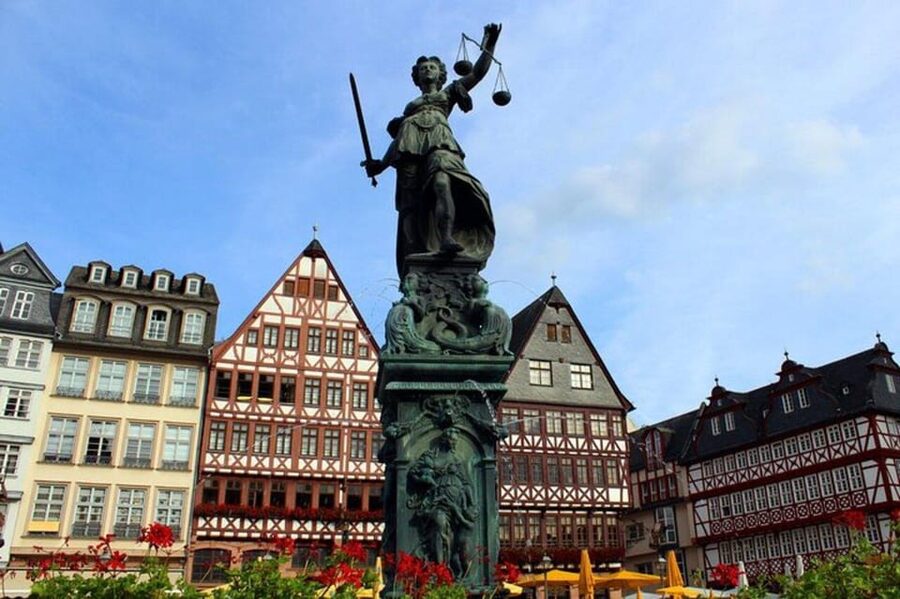
The Römer is the natural first major stop. Its nine medieval houses have served as Frankfurt’s city hall for more than six centuries, and the irregular collection of façades gives the square a strong sense of age even though much of Frankfurt was rebuilt after wartime destruction.
Your guide can explain how the Römer functions as more than a pretty old building. It has hosted weddings and civil registrations, so it remains part of city life rather than a monument viewed only from behind a barrier. Ask about the building’s role in civic ceremonies if that side of Frankfurt interests you.
This stop is particularly good for first-time visitors because it gives you a visual reference point for the rest of the walk. You can look from the old civic center toward the cathedral, then later compare it with the glass and steel towers near the Eurotower and the Old Opera. The contrast is one of the most useful themes of the tour.
Do not expect a lengthy interior visit here. The guided focus is on the site and its meaning. If you want to see more inside, ask the guide what requires a ticket and how to arrange it separately.
Frankfurt Cathedral and the imperial past
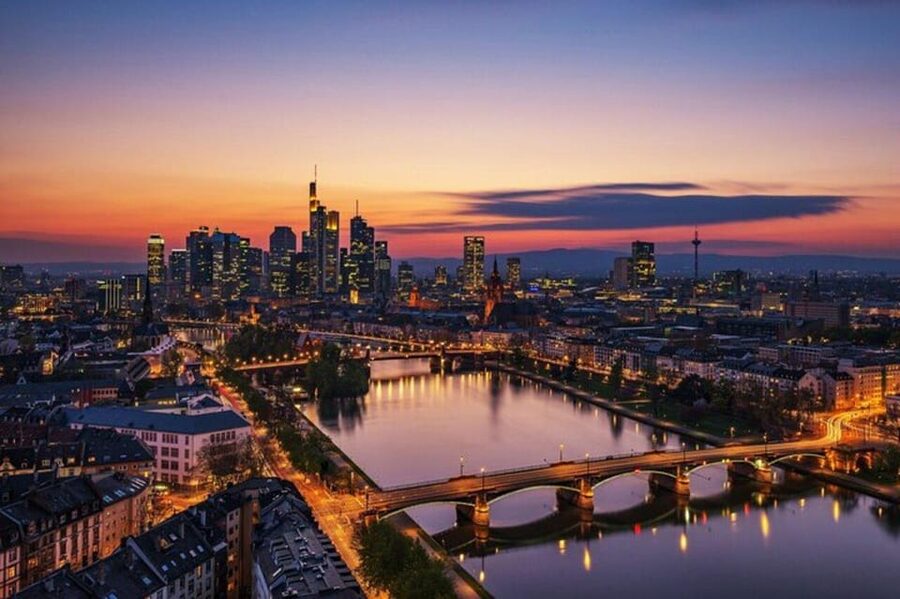
Frankfurt Cathedral, or St. Bartholomew’s Cathedral, brings a different scale and mood. It is the city’s largest Roman Gothic church, with a prominent tower, vaulted ceilings, and a major organ. Its size makes it easy to spot from different parts of central Frankfurt.
The church also carries political weight. It became a symbol of unity during the era of the German Empire, and its connection to imperial ceremonies gives the building a role beyond religion. A guide can make that connection clear, especially if you are trying to understand why Frankfurt mattered in German political life.
You will probably have time to admire the main architectural features and hear the key story, but not to examine every chapel or detail. The cathedral can reward a slower visit later, particularly if church interiors interest you. Use the walk to learn what to return to, rather than trying to absorb everything in a few minutes.
Same city, a completely different kind of day:
- Frankfurt: River Main Sightseeing Cruise with Commentary
★ 4.3 · 5,127 reviews - Frankfurt: Hop-On, Hop-Off Grand or Express Bus Ticket
★ 3.9 · 2,088 reviews - Frankfurt: 1-Hour Panorama Boat Cruise on the river Main
★ 4.4 · 1,822 reviews - Frankfurt: New Old Town and Highlights German-Language Tour
★ 4.7 · 1,316 reviews
Crossing the Iron Footbridge
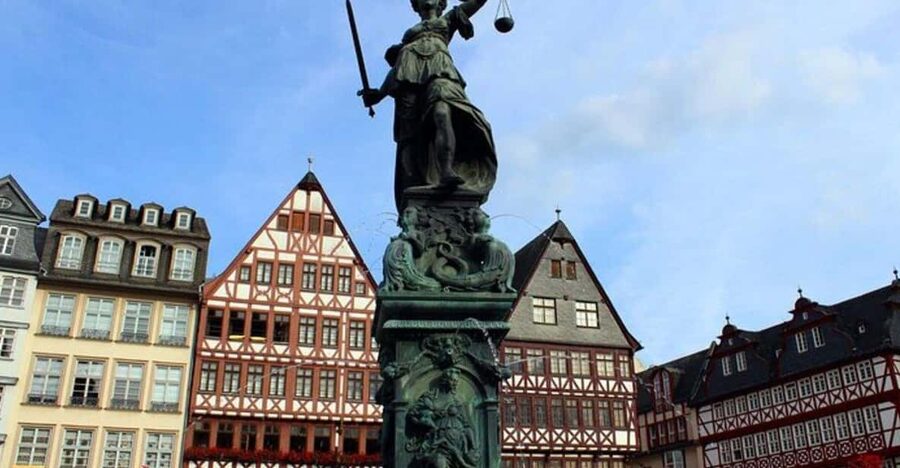
The Iron Footbridge, known as the Eiserner Steg, changes the rhythm of the tour. After the close streets and heavy stone buildings of the old center, you step into an open view over the Main River. The bridge offers one of the clearest chances to see Frankfurt’s skyline in relation to its older core.
This is where the city’s personality becomes easy to read. Behind you is the historic center; ahead and around you are the river and high-rise buildings that give Frankfurt its modern reputation. A guide can help you identify what you are seeing and explain how the city’s commercial identity fits beside its older landmarks.
The bridge is also one of the better photo stops. Annibal, one of the guides, has been especially good at helping people frame pictures with the city behind them. That kind of small assistance can be valuable when you are traveling without someone to take a group photo.
The bridge may feel exposed in poor weather, and stopping for long periods can slow the rest of the walk. If photography matters to you, say so early. Your guide can help protect time for this stop.
Goethe House and Frankfurt’s literary side
The Goethe House introduces Johann Wolfgang von Goethe through the place where he was born and spent his childhood. It is a welcome change from grand civic buildings because it shows Frankfurt through one person’s early life.
You can learn about Goethe’s beginnings and his early works here. The stop works best if you have some interest in literature, but even a casual visitor can appreciate the idea that a world-famous writer is connected to an ordinary city home rather than only to a distant museum display.
The practical question is whether you enter the house. Ticket assistance is available, but entrance fees are not included in the tour. In a two-hour route, your guide may explain the site from outside or keep the visit brief unless you have arranged more time. If Goethe is a priority, ask about adding a longer visit before the tour begins.
St. Paul’s Church and the politics of 1848
St. Paul’s Church is one of the most important political stops. It was the seat of the first Frankfurt Parliament in 1848, a major moment in the effort to create a unified German state with a national representative government.
The building matters because it connects Frankfurt to the development of German democracy. It is not simply another church on a sightseeing route. Ask your guide to explain what the Frankfurt Parliament tried to achieve and why the event remains important.
This is a good example of the benefit of a private guide. A plaque or short caption can give you a date, but a conversation can help you understand the political stakes and the limits of the parliament’s success. If your interest leans toward politics rather than art, tell the guide. The route can give St. Paul’s more attention.
Kleinmarkthalle for a taste of daily life
Kleinmarkthalle gives the walk a practical, everyday stop. This indoor market offers fresh foods and delicacies, with a mix that can help you see what people buy and eat in Frankfurt. It is a useful counterpoint to churches, monuments, and formal civic buildings.
You can browse rather than rush through. Look for a local snack, ingredients, or a place to return for a meal. Food and drinks are not included, so budget separately if you want to eat here. The market is also a good place to ask your guide for suggestions about regional specialties and other places to eat.
Time can be tight at this point. If you stop for food, you may need to shorten another part of the route. I would treat Kleinmarkthalle as a preview unless eating is one of your main goals. Tell the guide in advance if you want time to buy something.
The Städel Museum and the Eurotower

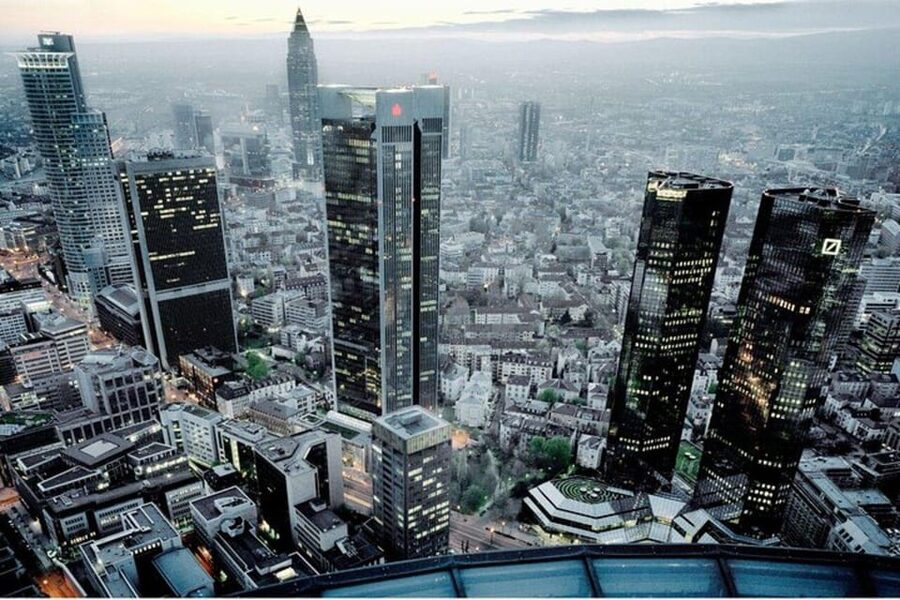
The route also brings you near two landmarks that show Frankfurt’s cultural and financial sides. The Städel Museum has a major art collection, while the Eurotower is a skyscraper that once served as the seat of the European Central Bank.
These are likely orientation stops rather than full visits during the two-hour walk. The Städel deserves far more time than a passing explanation if you care about art. The Eurotower, by contrast, helps explain Frankfurt’s role in European finance and gives you another clear reminder that this is not only a medieval city.
You can ask the guide how to fit a museum visit into the rest of your schedule. The provider can help with ticket arrangements for desired visits, but the tour price does not cover entry. This is one reason to book the walk early in your stay: you can use the advice to plan the next day.
Finishing at the Old Opera
The Old Opera House, or Alte Oper, is the final major landmark named for the walk. Its grand architecture and Opera Square offer a polished ending after the older buildings and market streets.
The building has hosted major operas and concerts, and its setting reflects Frankfurt’s long connection with the arts. The square also provides a strong final contrast with the Römer. At the beginning, you see a medieval civic center. At the end, you see a formal cultural venue linked to the city’s later growth and wealth.
The route is described as returning to the Fountain of Justice, so you finish back in the central area rather than being left at the last stop. That is convenient if you want to continue sightseeing, return to your hotel, or use the guide’s final suggestions for food and museums.
What the private guide adds
The strongest part of this experience is the person leading it. Guides named in the feedback include Chris, Annibal, Ellyn, Heidrun, Florin, and Florian. English, Spanish, and German are available, though you should select your preferred language when booking.
The best guide interaction is not just a list of facts. Chris has tailored walks around architecture, history, and local culture. Annibal has extended a visit when time allowed, shared a meal, and helped with phone photographs. Ellyn has waited through a delayed flight and still covered the planned sights. These examples show what flexibility can mean, but they should not be treated as a promise that every tour will run longer or include a meal.
You can help the guide help you. Before meeting, decide whether you care most about:
- Medieval buildings and church architecture
- Goethe and literary Frankfurt
- German politics and the 1848 parliament
- Modern finance and the skyline
- Markets, food, and local places
- Photography and city views
The guide can also suggest what to do after the walk. That advice may be worth as much as the sightseeing itself, especially if Frankfurt is a short stop between flights or train journeys.
Timing, accessibility, and who should book
At two hours, this is a compact introduction. The route covers many landmarks, so you should expect short explanations and outside views rather than long interior visits. A delayed arrival can reduce the number of places you see, as one late guest discovered, although the guides may be patient and flexible.
The tour is wheelchair accessible. It is a walking experience, with public transport included where needed depending on the option selected. Confirm the exact arrangement when booking if mobility or transport details are important to you.
This tour suits first-time visitors, families, couples, and anyone with only a short stay. It is also a good choice if you want a private guide who can work in English, Spanish, or German. Art specialists, church enthusiasts, and serious Goethe fans may prefer to use this as an introduction, then plan separate visits with more time.
Free cancellation is available up to 24 hours before the start, and you can reserve now and pay later. Those terms are useful if your Frankfurt plans depend on a flight connection or changing train schedule.
Should you book the Frankfurt private walking tour?
Book it if you want a personal orientation to central Frankfurt and value conversation over a rigid script. The mix of Römer, cathedral, Iron Footbridge, Goethe House, St. Paul’s Church, Kleinmarkthalle, and Old Opera gives you a solid first picture of the city.
I would especially recommend it for a small group that can share the $53-per-person cost and wants help setting priorities. Ask for the interests that matter most, and protect time for the Iron Footbridge or Kleinmarkthalle if those are important to you.
Skip it if you want long museum visits, a slow architectural study, or a meal included in the price. Two hours goes quickly. For most first-time visitors, though, the private format and adaptable guides make this a useful way to get oriented before exploring Frankfurt on your own.
FAQ
How long does the Frankfurt walking tour last?
The tour lasts two hours. Starting times depend on availability.
What is the price?
The listed price is $53 per person.
Where does the tour begin?
You meet your guide near the Fountain of Justice in Frankfurt.
Is the tour private?
Yes. The booking includes a private and exclusive tour, with no one else added to your group.
Which languages are available?
Live guiding is available in English, Spanish, and German.
Which main sights are included?
The route includes the Römer, Frankfurt Cathedral, the Iron Footbridge, Goethe House, St. Paul’s Church, Kleinmarkthalle, the Städel Museum area, the Eurotower, and the Old Opera.
Are food and drinks included?
No. Food and drinks are not included in the tour price.
Is the tour wheelchair accessible?
Yes, the activity is listed as wheelchair accessible.
Just added in Frankfurt
- Private Tour with Native English speaking Local★ 4.9 · 60 reviews
- Hohenzollern Castle: Full-Day Tour from Frankfurt★ 4.3 · 11 reviews
- Heusenstamm:tour of the Depot of the museum of communication★ 4.8 · 54 reviews
- Frankfurt: Guided walk between palm trees and skyline★ 4.8 · 9 reviews
- Frankfurter Kunstverein: Admission ticket★ 3.7 · 54 reviews
- Frankfurt: Verbrecherjagd und gefährlich leckeres Schnitzel★ 4.4 · 22 reviews
- Frankfurt: Walking Tour – discover the city with VR glasses★ 4.2 · 12 reviews
- Welcome to Frankfurt: Private Tour with a Local★ 4.7 · 81 reviews
Walking Tours, compared.

Berlin’s Best: 2 Hour Walking Tour Third Reich and the Cold War
Read our review →
Third Reich Berlin: Hitler and WWII Walking Tour
Read our review →Browse the lists this tour appears in