
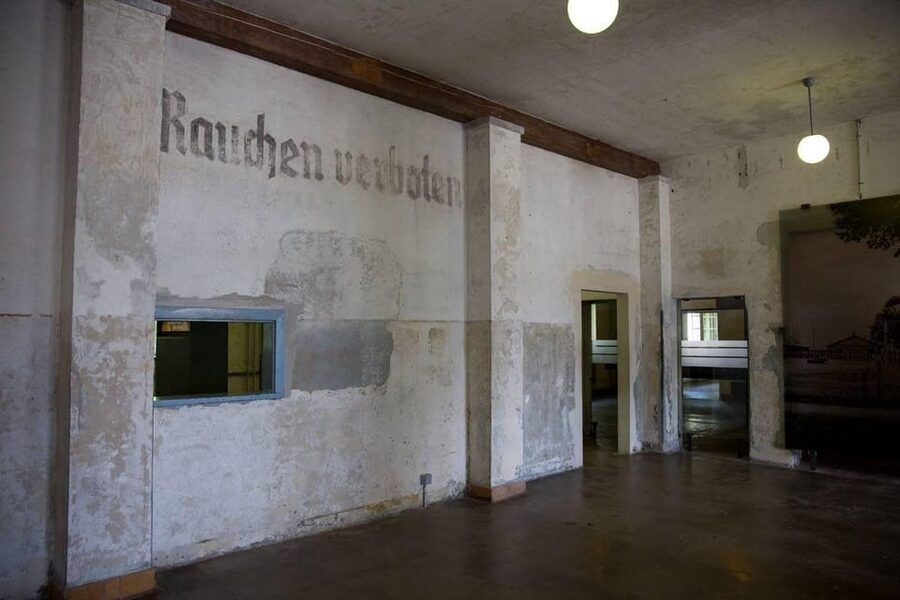
Reviewed · CONCENTRATION CAMP MEMORIALS
Private Dachau Memorial Site Tour from Munich
Dachau is not a sightseeing stop in the usual sense. It is a place for careful attention, quiet reflection, and honest history. This private five-hour tour gives you about three hours at the memorial with an officially licensed guide, rather than leaving you to piece together the story on your own.
I like the small private format, which lets you ask difficult questions at your own pace. I also like the public-transport route, since your guide travels with you from central Munich and helps take the guesswork out of reaching the site. The main consideration is emotional: this is a sobering visit, and children under 12 are not permitted.
Key points to know before booking
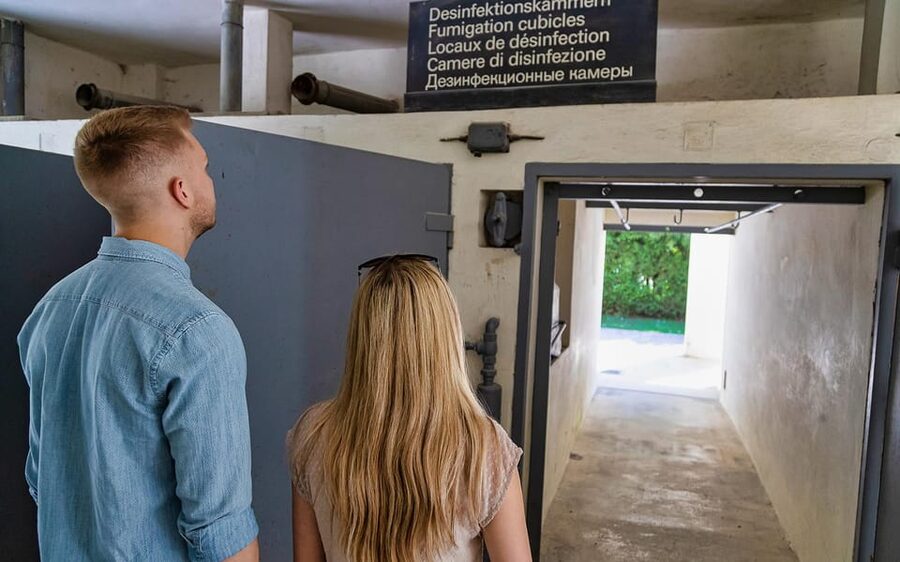
- Three hours at the memorial: Enough time for a serious guided visit without turning the day into an exhausting full-day outing.
- Private English-speaking guide: Guides such as Mat and Markus explain the history clearly and allow time for questions.
- Train and bus from Munich: The journey takes about 25 minutes by train and eight minutes by bus each way.
- Historical context matters: The tour covers Nazi politics, prisoner life, punishment, medical experiments, liberation, and the postwar memorial.
- Hotel pickup is available: You can be collected from a centrally located Munich hotel, the memorial, or another central meeting point.
- Come prepared: Wear practical shoes, and leave large bags, luggage, recording devices, and selfie sticks behind.
Why Dachau requires more than a quick visit
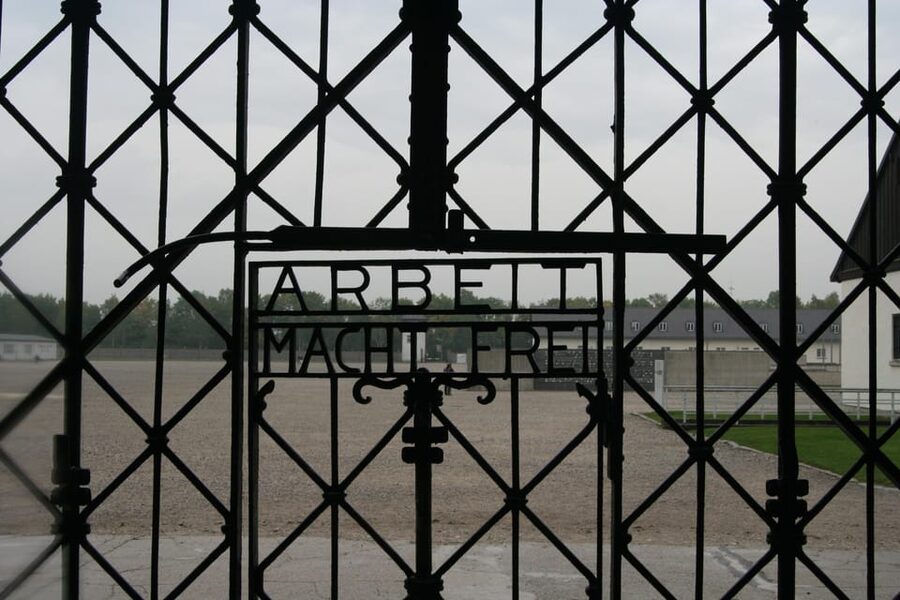
Dachau opened less than two months after Adolf Hitler came to power in 1933. It was the first concentration camp established by the Nazi regime in Germany and the only camp to operate throughout the entire 12 years of Nazi rule.
Its role went beyond imprisonment. Dachau became a model for the camp system and a major SS training center. The phrase school of terror captures the site’s wider purpose: methods of control and punishment developed or practiced here were used elsewhere.
By the time American forces liberated Dachau on April 29, 1945, 206,000 people from 34 nationalities had been imprisoned there. More than 43,000 had been murdered. Those figures are difficult to absorb, which is one reason a guide can be useful. A good explanation connects the numbers to the political choices, laws, institutions, and acts of persecution that made the camp possible.
The memorial site also has a later history. Dachau became an international memorial in 1965, and this visit looks at that postwar development as well as the camp years. I value that wider view because it shows remembrance as an ongoing responsibility, not just a ceremony attached to a historic location.
More Concentration Camp Memorials in Munich
- Dachau Concentration Camp Memorial Site Tour from Munich by Train
★ 4.5 · 5,637 reviews - From Munich: Dachau Memorial Site Day Tour
★ 4.8 · 2,723 reviews - From Munich: Dachau Memorial Site Half-Day Trip
★ 4.7 · 2,526 reviews
Leaving Munich by train and bus
The tour begins in Munich, with pickup available if you are staying at a centrally located hotel. You can also arrange to meet at the memorial or another central location. From Munich, the train ride takes about 25 minutes, followed by an approximately eight-minute bus journey.
This route is practical rather than flashy. You are not paying for a private vehicle, but you do get public-transport tickets and a guide who accompanies you. That matters because the journey is part of the experience: you can ask questions before arriving, settle into the subject gradually, and return to Munich with the same guide rather than finding your own way back.
The trip from central Munich to the memorial takes no more than about 45 minutes. Allow extra mental space, not just travel time. Dachau is not a place to rush into between lunch and another attraction. The five-hour schedule gives you a clear half-day plan, though the subject can make the day feel heavier than its clock time suggests.
Public transport also means you should wear comfortable footwear and be ready for walking and standing. The activity is listed as wheelchair accessible, but the provided details do not explain the exact arrangements for every part of the route, so it is sensible to confirm your needs when booking.
Three hours inside the Dachau Memorial Site
You spend roughly three hours at the memorial with your guide. That is the core of the experience, and it is long enough to move beyond a quick look at the grounds.
The visit covers Dachau at different points in its history. You will learn how the camp developed, how the Nazi system worked, and how prisoners were treated. The guide addresses daily life, punishment, prisoner groups, medical experimentation, religion, and liberation.
These subjects are not presented as isolated facts. They help you understand how a camp functioned day after day. Daily routines show the loss of freedom and dignity. Punishment reveals the system of fear. Prisoner groups show how people were classified and treated within the camp. Medical experimentation exposes the criminal abuse carried out under the cover of medicine.
The tour also discusses the political and economic climate of the 1930s. This is one of the most useful parts for anyone who wants to understand how such a system could take hold. Dachau was not created in a vacuum. The guide connects the memorial to the wider rise of Nazi power and the conditions that allowed persecution to become organized policy.
A private visit is especially helpful here. You can stop to ask what a term means, request more context, or spend a moment in silence without worrying about holding up a large group. Guides Mat and Markus have received particular praise for explaining the subject with care, clear English, and patience. Mat is also described as helpful with the transport details, including train tickets and luggage arrangements at the station.
Do not expect entertainment. The best quality here is clarity paired with restraint. The guide’s job is to help you face the evidence and understand it, not to make the visit easy or cheerful.
A respectful approach to a difficult subject
Dachau is a memorial, not a backdrop for casual photographs. Smoking, alcohol, drugs, intoxication, drones, selfie sticks, video recording, and audio recording are not allowed. Large bags and luggage are also prohibited.
Those rules may feel strict, but they fit the character of the site. Bring only what you need, dress respectfully, and keep your phone put away except where permitted for essential use. The instruction to wear suitable footwear is practical. You may spend several hours moving around the grounds, and uncomfortable shoes will distract from the visit.
The tone of the tour matters as much as the facts. The available feedback repeatedly praises guides for being sensitive, patient, and respectful. One guide was especially appreciated for helping an older family group keep pace and for answering questions without rushing. That is useful information if you are traveling with elderly relatives or someone who may need a gentler rhythm.
This experience is not suitable for children under 12. That age limit makes sense given the subject matter and the seriousness of the material. Teenagers and adults should still think about how they respond to difficult history before booking.
Same city, a completely different kind of day:
- Munich: Third Reich & WWII Walking Tour
★ 4.6 · 6,181 reviews - Third Reich Walking Tour Munich
★ 4.5 · 4,291 reviews - Munich Hop-On Hop-Off Tour: 1-Day or 2-Day Ticket
★ 4.3 · 4,161 reviews - Munich: Old Town & Viktualienmarkt City Walk in German
★ 4.7 · 2,304 reviews
What you will learn about liberation and remembrance
The liberation of Dachau on April 29, 1945, is one of the main points covered during the visit. The tour does not stop with the arrival of American forces. It also looks at how the site was treated in the postwar years and how it became an international memorial in 1965.
That timeline helps you understand the difference between a former camp and a memorial. The physical site carries evidence of imprisonment and murder, but the memorial also reflects later decisions about how to preserve, explain, and remember those events.
I appreciate that the tour includes both the Nazi period and the years after the war. Without the later story, it is easy to think of remembrance as automatic. It was not. People had to decide what to preserve, how to tell the story, and how to make the site meaningful for future generations.
The guide’s role is valuable because the grounds alone cannot answer those questions. Signs and exhibits can provide information, but a live expert can explain connections and respond to your particular concerns. The private setting gives you room to process what you are seeing rather than simply following a crowd from one point to the next.
Is $273 a fair price?
At $273 per person, this is not a budget excursion. The price includes an officially licensed expert guide, public-transport tickets, and hotel pickup when requested from a centrally located hotel. It also buys a private experience rather than a standard large-group outing.
The value depends on what you want. If you are comfortable navigating public transport, reading the memorial’s information, and creating your own route, you can spend less by visiting independently. The independent option gives you more freedom, but you lose the guide’s structure and the chance to ask questions as the history unfolds.
For me, the strongest reason to pay the higher price is the subject itself. Dachau is easy to visit physically, but harder to understand well. A guide can put the camp’s role in Nazi Germany into context, explain the prisoner system, and help you distinguish important details from general impressions.
The private format also makes the price easier to justify for families, couples, or a small group with shared interests. You are not paying only for transport. You are paying for five hours of planning, accompaniment, interpretation, and a carefully paced visit.
The drawback is simple: if your priority is the lowest possible cost, this tour will not be the right choice. The public transport is included, but the main expense is the guide and the private service.
Who will get the most from this tour?
This tour suits adults and older teenagers who want a serious introduction to Dachau and the Holocaust. It is also a good choice for people who prefer asking questions instead of reading everything alone.
I would particularly consider it if:
- You are visiting Dachau for the first time.
- You want historical and political context, not only a walk through the grounds.
- You are staying centrally in Munich and prefer a planned route.
- You are traveling with older relatives who may benefit from patient assistance.
- You want a private guide who can adjust explanations to your group.
- You have only half a day available.
It may not suit you if you want a light cultural outing or a flexible visit with no fixed schedule. The subject is painful, and the experience asks for attention. You should also reconsider if you are traveling with children under 12 or carrying large luggage that cannot be left elsewhere.
The tour is conducted in English. The guides Mat and Markus are specifically praised for clear communication, historical detail, and a respectful manner. That does not guarantee which guide you will receive, but it gives you a useful sense of the service standard to expect.
Practical advice for making the morning easier
Arrange pickup in advance if you are staying at a centrally located hotel. If your hotel is outside the central area, confirm the meeting point rather than assuming pickup is included.
Wear comfortable, appropriate shoes. Keep your daypack small, and do not bring luggage or large bags to the memorial. Recording devices, selfie sticks, drones, alcohol, and drugs are not allowed.
Leave room in your schedule after returning to Munich. The published duration is five hours, including the train and bus journeys, but the emotional weight of the visit may make you want a quiet afternoon rather than another major attraction.
The activity allows free cancellation up to 24 hours in advance, and you can reserve now and pay later. Those terms help if your Munich plans are still moving around, but the more important decision is personal readiness for the subject.
Should you book the Dachau private tour?
Book it if you want a careful, guided visit with strong historical context and the freedom to ask questions. The three hours at the memorial, private format, and public-transport accompaniment make this more useful than simply arriving alone and trying to understand the site from signs.
I would choose it for a first visit, for a small family group, or for anyone who wants help keeping the story clear and respectful. The repeated praise for Mat and Markus, especially their patience, English, and sensitivity, is encouraging.
Skip it if you need a low-cost outing, a casual half-day activity, or a child-friendly excursion. Dachau asks something of you. If you are ready to give it your attention, this tour offers a structured and respectful way to remember what happened and understand how it happened.
FAQ
How long does the Dachau tour take?
The full activity lasts five hours. About 45 minutes is needed to reach the memorial from Munich, and you spend approximately three hours at the site before returning.
How do I get from Munich to Dachau Memorial Site?
The route uses public transportation, with an approximately 25-minute train journey followed by an eight-minute bus ride. Public-transport tickets are included.
Is hotel pickup included?
Pickup is available when requested if you are staying at a centrally located Munich hotel. You may also meet the guide at the memorial or another central location.
Is the tour private?
Yes. This is a private group experience with a live English-speaking guide.
Which languages are available?
The tour is conducted in English.
Is Dachau Memorial Site wheelchair accessible?
The activity is listed as wheelchair accessible. The provided details do not specify the arrangements for each section of the route, so confirm your requirements when booking.
Can children join the tour?
Children under 12 are not permitted to join this activity.
What should I wear?
Wear appropriate, comfortable footwear because the visit lasts about three hours and includes time at the memorial site.
Can I cancel or pay later?
You can cancel up to 24 hours in advance for a full refund. The reservation option also allows you to reserve now and pay later.
Just added in Munich
- Private transfer: Vilshofen to Munich with 2h sightseeing stop★ 5.0 · 6 reviews
- Pub crawl incl. Oktoberfest museum guided tour with beer tasting (private)★ 5.0 · 5 reviews
- South Tyrolean specialties and wine tasting★ 5.0 · 5 reviews
- Size Matters Beer Tour Munich★ 4.6 · 105 reviews
- Short & sweet: Tasting the Viktualienmarkt★ 4.8 · 37 reviews
- Secret Food Tours Munich★ 4.8 · 5 reviews
- Munich: Romantic Wine Experience for Two at Viktualienmarkt★ 4.2 · 14 reviews
- Munich: Resistance against Hitler – Historical Walking Tour★ 5.0 · 5 reviews
Concentration Camp Memorials, compared.
Sachsenhausen Concentration Camp Tour in English
Read our review →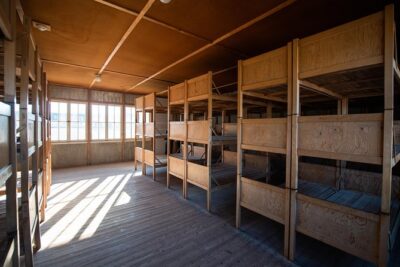
Dachau Concentration Camp Memorial Site Tour from Munich by Train
Read our review →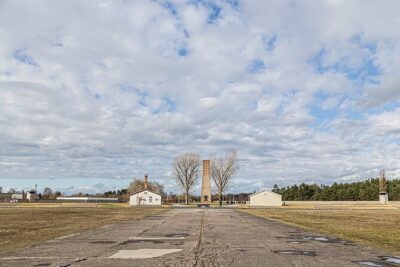
Sachsenhausen Concentration Camp Memorial Tour
Read our review →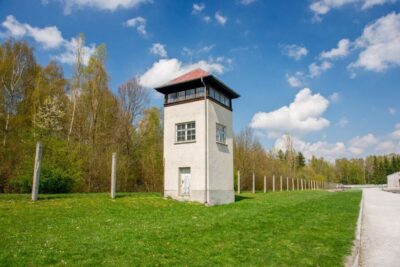
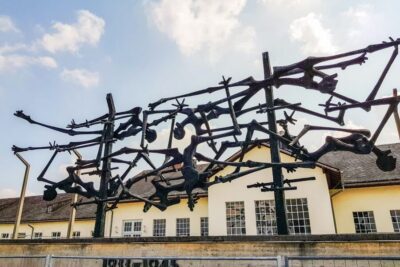
From Munich: Dachau Memorial Site Half-Day Trip
Read our review →
Sachsenhausen Concentration Camp Bus Tour in English from Berlin
Read our review →Sachsenhausen Concentration Camp Tour in English
Read our review →
Sachsenhausen Concentration Camp Memorial Tour (Max. 15 Guests)
Read our review →Browse the lists this tour appears in