
Reviewed · MUNICH TOURS
National Socialism WWII with licensed guide – private tour
Munich’s Nazi past is not tucked away in a museum. It is written into the city center, from the steps at Feldherrnhalle to the grand buildings around Königsplatz. This private walking tour connects those places with the story of how Hitler arrived in Munich, built the Nazi movement, and met resistance.
I like two things here. First, the tour deals with both Nazi power and Munich’s resistance, including the White Rose students at LMU. Second, the guide uses extensive photo material, which helps you compare present-day streets with their appearance during the Third Reich. The main drawback is the brisk two-hour length. You will see many sites, but the final stop at the NS Documentation Centre requires a separate visit and admission fee.
Key points at a glance
- Feldherrnhalle begins the story: Learn why Hitler came to Munich, where he lived, and how the 1923 putsch ended.
- The White Rose adds a vital second perspective: Hear about the student resistance group at LMU and its tragic fate.
- Nazi art gets its own stop: Haus der Kunst and Galeriestraße show how the regime tried to control culture.
- Königsplatz reveals the party center: See the former Brown House, Führerbau, Nazi administration buildings, and today’s documentation center.
- A private group keeps the pace flexible: The $259 price covers up to 30 people, making it more useful for families, school groups, and organized parties than for a solo visitor.
- The tour ends beside a museum: Admission to the NS Documentation Centre is not included, but the location makes it easy to continue the subject on your own.
Why Munich is the right place to study National Socialism
Munich was more than a backdrop to Hitler’s rise. It was the city where he lived after coming to Bavaria, found political direction, and helped turn the German Workers’ Party into the NSDAP. The tour uses central Munich to explain that process on the same streets where it unfolded.
That setting gives the subject a useful sense of scale. You are not only hearing dates and names in a gallery. You are moving between government buildings, public squares, universities, monuments, and former party offices. The locations show how the Nazi movement used the city’s civic center for politics, ceremony, propaganda, and intimidation.
I also appreciate that the route does not treat Nazi power as the only story. The discussion of resistance, especially the White Rose, gives you a clearer picture of the choices people faced under the regime. It also keeps the tour from becoming a simple procession of official buildings and Nazi personalities.
This is a serious history tour. The provider makes clear that it is not intended for right-wing radicals or Nazi enthusiasts. You should book it if you want a factual look at Munich’s role in National Socialism and the people who opposed it.
A few more half-days in Munich worth comparing
- Munich: Third Reich & WWII Walking Tour
★ 4.6 · 6,181 reviews - Dachau Concentration Camp Memorial Site Tour from Munich by Train
★ 4.5 · 5,637 reviews - Third Reich Walking Tour Munich
★ 4.5 · 4,291 reviews
Starting at Feldherrnhalle and Odeonsplatz
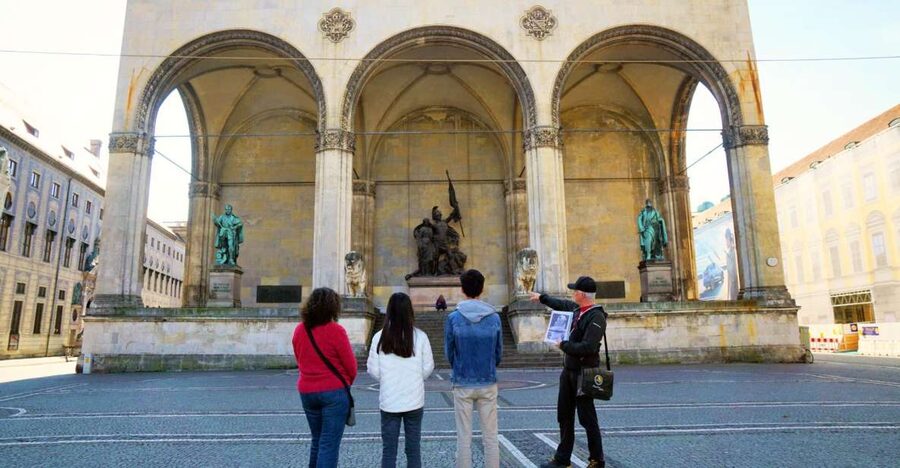
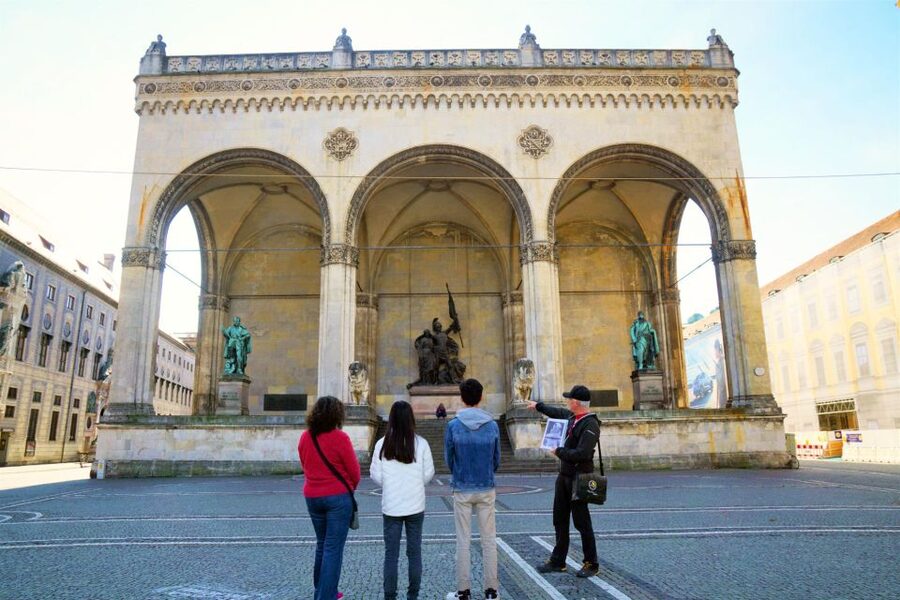
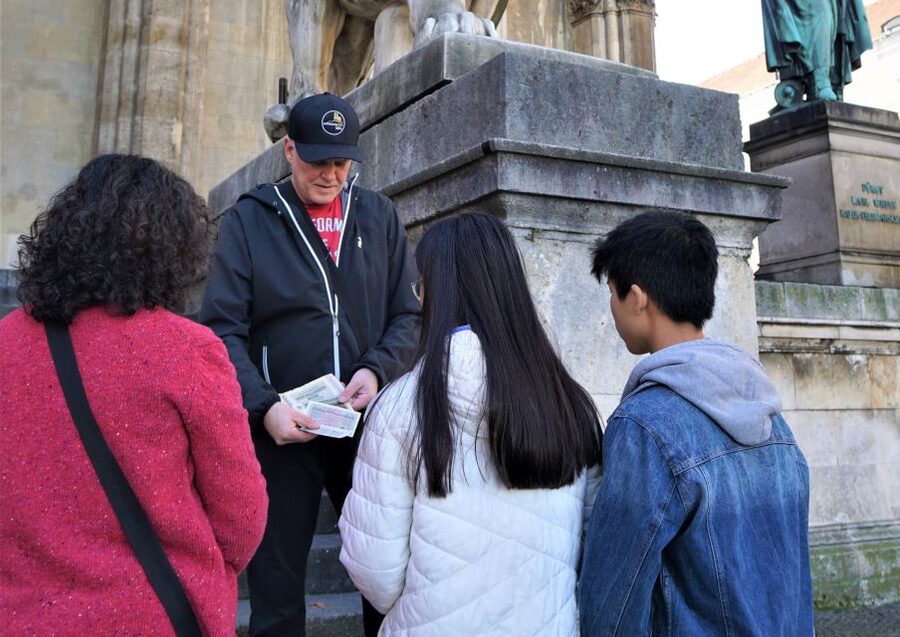
Meet at the steps of Feldherrnhalle on Odeonsplatz. The opening section explains why Hitler came to Munich, where he lived, and how he made a living before entering politics. That personal background matters because it shows the city as the place where his public career began, rather than treating his rise as something that appeared out of nowhere.
Feldherrnhalle is also tied to the 1923 Hitler putsch, the failed attempt to seize power in Bavaria. Here, the guide explains where the coup ended and points out the former memorial erected to those who died during the attempt. The stop is short, listed at about 10 minutes, but it gives the rest of the walk a clear starting point.
A second Feldherrnhalle segment is listed at roughly five minutes. That may reflect a continued explanation at the same location rather than a separate site. Either way, do not expect a long stop with an extended interior visit. This is a walking tour built around outdoor places and spoken interpretation.
The Court Garden and Munich’s resistance
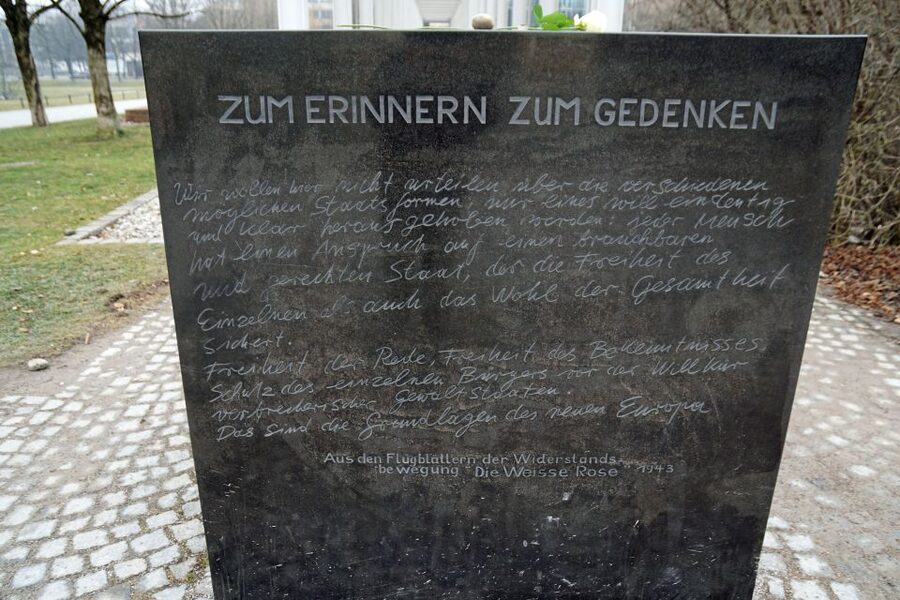
From Odeonsplatz, the route passes through the Court Garden. Here you hear about a monument dedicated to resistance fighters. This change in focus is important. The city’s Nazi story is not only about rallies, offices, and government power. It also includes people who refused to accept the regime.
The guide then takes you to the Ludwig Maximilian University of Munich, known as LMU. At the university, you learn about the White Rose, the student resistance group that produced and distributed anti-Nazi leaflets. Its members were arrested and beheaded, and the tour presents that story as one of the clearest examples of organized opposition in Munich.
This stop should matter to families and students. One British booking came from a parent whose son was studying GCSE history, and the tour proved useful for that school subject. The point is not that the walk replaces a textbook. It gives the names, places, and moral choices a physical setting.
The White Rose section also adds emotional weight without turning the tour into a memorial-only experience. You still have the wider political story around it, but you are reminded that resistance came from ordinary citizens and students, not just from high-ranking political opponents.
The Square of the Victims of National Socialism
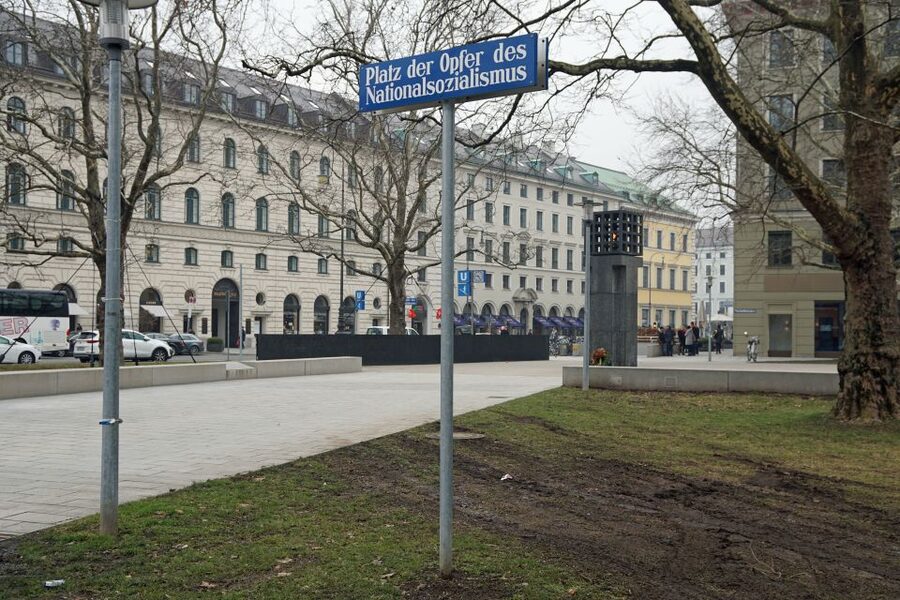
At the Square of the Victims of National Socialism, the guide explains who the victims were. The name can sound broad, so this clarification is useful. You are encouraged to consider the different groups persecuted and harmed by the Nazi regime, rather than reducing the subject to a single category.
This is one of the places where a private guide can help. You can ask for clarification if a term, group, or event is unfamiliar. The tour is advertised in English and German, and the guide is a certified professional with more than 10 years of experience. Wolfgang Brehm is identified as the provider’s guide, and one booking specifically names him.
The stop is scheduled for about 10 minutes. That is enough for an explanation and discussion, but not for a full museum-style examination of every aspect of Nazi persecution. If you want a more detailed study of victims, institutions, and documentation, plan to continue at the NS Documentation Centre after the walk.
Same city, a completely different kind of day:
- Munich Hop-On Hop-Off Tour: 1-Day or 2-Day Ticket
★ 4.3 · 4,161 reviews - From Munich: Dachau Memorial Site Day Tour
★ 4.8 · 2,723 reviews - From Munich: Dachau Memorial Site Half-Day Trip
★ 4.7 · 2,526 reviews - Munich: Old Town & Viktualienmarkt City Walk in German
★ 4.7 · 2,304 reviews
Haus der Kunst and the politics of art
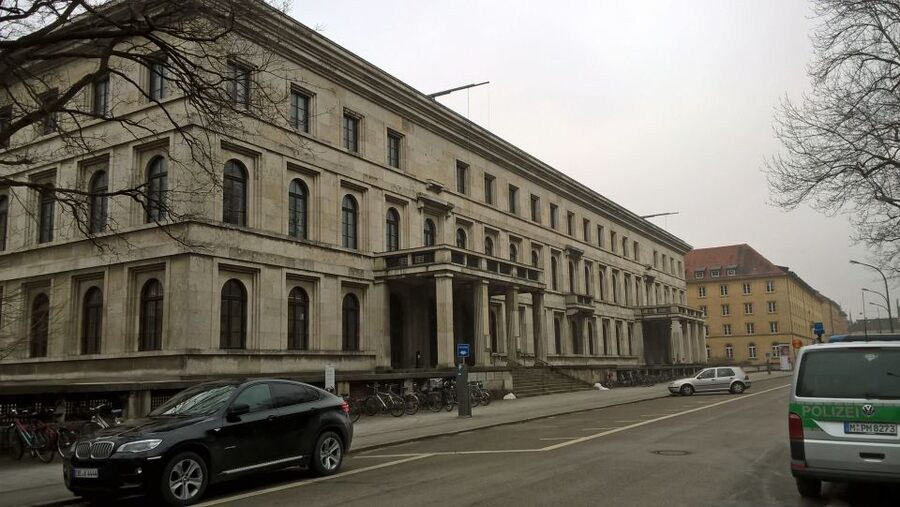
Haus der Kunst is the next major stop, with about 15 minutes of guided discussion. Here you learn how the Nazis used art as part of their political program. The regime did not regard painting, sculpture, and exhibitions as separate from government. Art was expected to support its ideas about race, history, national identity, and power.
In Galeriestraße, you can still see the area where the Degenerate Art exhibition took place. The guide explains how the Nazis attacked art they considered unacceptable, including modern styles that did not fit their preferred image of German culture.
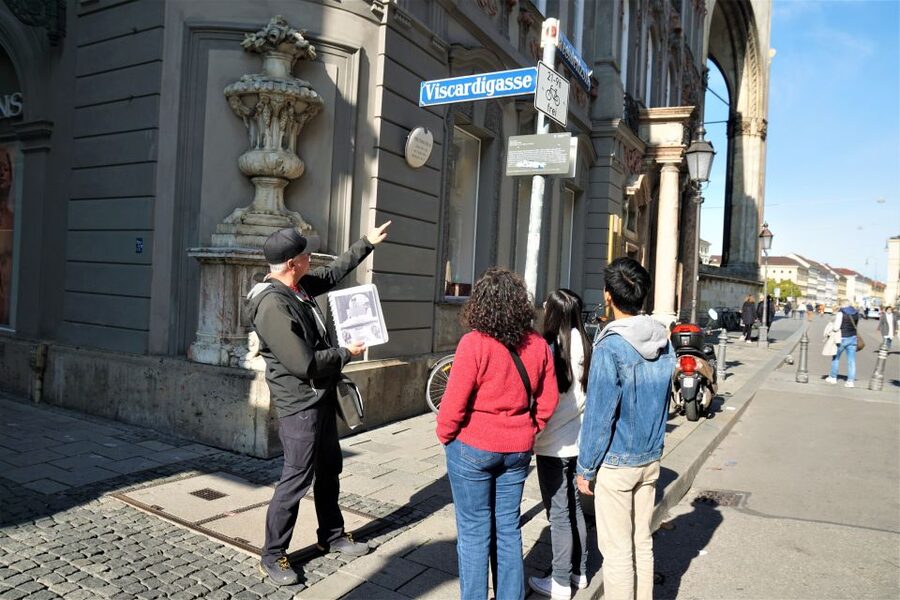
This is a strong part of the tour because it widens the topic beyond military events and political speeches. You see how a dictatorship tried to shape public taste and punish artists through cultural policy. The photo material is especially helpful here, since present-day buildings can otherwise look disconnected from their earlier use.
The Haus der Kunst stop is outside-focused, and the tour does not include a general art museum visit. If you want to explore the building’s exhibitions in detail, that would be a separate plan. On this walk, the emphasis is on Nazi cultural control and the history of the site.
Munich Residenz and the city’s official center
The route also includes Munich Residenz, with around 10 minutes of guided explanation. The supplied details do not specify an interior visit, so you should think of this as a stop connected to the surrounding historic center rather than a full tour of the palace rooms.
Its value is geographic. The Residenz sits close to the places where the tour begins, and the stop helps you understand how Nazi activity occupied Munich’s established civic and ceremonial core. You are moving through a city center shaped long before National Socialism, then seeing how the regime used familiar public spaces for its own purposes.
Because the whole experience lasts two hours, there is little time for extended building visits. Wear comfortable shoes and expect a steady walk between stops. The tour is listed as wheelchair accessible, though anyone needing precise route details should confirm them when booking.
Karolinenplatz and the people who funded the movement
At Karolinenplatz, the guide discusses the main sponsors of the Nazis. This is a valuable part of the story because political movements do not grow through speeches alone. Money, business connections, and support from influential figures helped turn a fringe movement into a force capable of taking power.
The stop gives you a chance to consider the wider network around the NSDAP. It moves the discussion away from Hitler as a lone figure and toward the institutions and wealthy supporters that helped the movement expand.
The details provided for this stop are less specific than those for Feldherrnhalle, LMU, and Königsplatz. You should expect a spoken explanation rather than a large display or dedicated museum. Still, it fills an important gap in a short tour and helps explain how political influence was built.
Königsplatz and the former Nazi party center
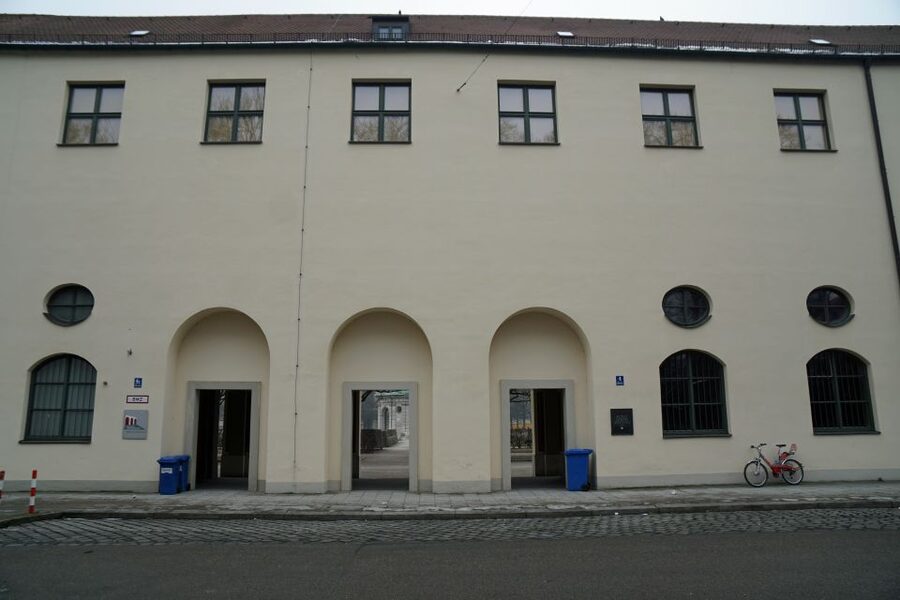
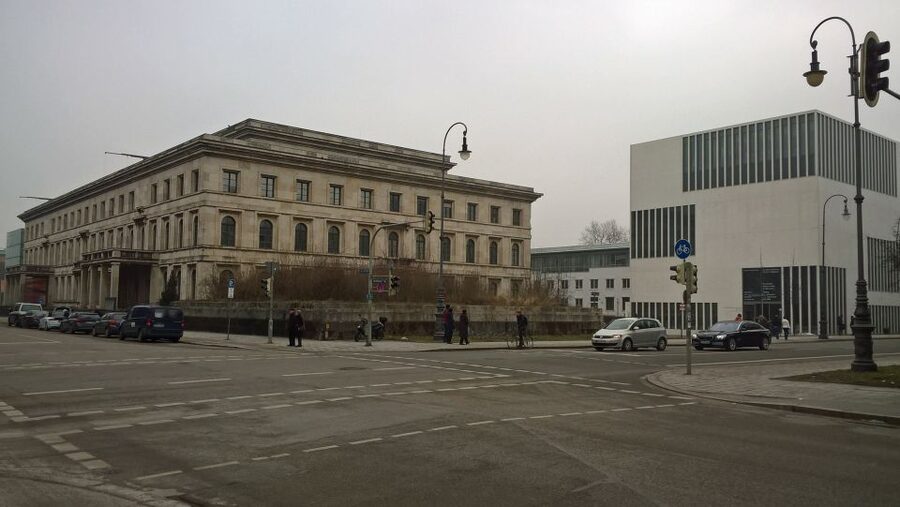
The final section takes place at Königsplatz, where the Nazi party center in Munich was located. This is the tour’s largest concentration of Nazi-related sites. You learn about the Brown House, the former Nazi headquarters, along with the Führerbau, Hitler’s office, and the NSDAP administration.
The Führerbau receives about 15 minutes of guided attention. The building is especially useful for understanding how the Nazi leadership used architecture and official space to project authority. The guide also explains the former administrative buildings around the square, giving you a sense of how party organization operated beyond public rallies.
Königsplatz is also where the tour ends, at Königsplatz 1. The route finishes beside the NS Documentation Centre, which opened in 2015. The center occupies the former location of the Brown House, so you can continue directly into a modern institution designed to examine Munich’s role in National Socialism.
The museum admission is not included. That is worth planning for because the walking tour gives you the framework, while the documentation center can provide the longer, more detailed follow-up. If your schedule allows only the two-hour tour, you will still see the main sites. If you have more time, adding the center will make the day’s history easier to organize and remember.
What the $259 private price really means
The price is $259 per group of up to 30 people. That is not a bargain for one or two people, but it can be fair for a larger private group. A party of 10 pays about $26 per person, while a full group of 30 pays less than $9 per person before any museum admission.
The private format is the main reason to consider the cost. You are not joining an anonymous large public walk with a fixed audience. The group can focus on the level of history you need, and a family, school group, or organization can stay together.
For a couple or solo visitor, the value is harder to judge. A standard group tour, if available, may cost less. The private booking makes the most sense when privacy, language choice, group control, or a school-focused explanation matters more than the lowest price.
The price includes a professional certified guide, but not admission to the NS Documentation Centre. Build that extra cost into your plans if you want to spend more time at the final stop.
Who will get the most from this walk
I would recommend this tour to:
- Families introducing older children or teenagers to Munich’s 20th-century history
- School groups studying National Socialism, resistance, or modern German history
- Visitors who want the Nazi story connected to actual places rather than presented only in a museum
- Private groups that need an English or German guide
- History-minded visitors who want both Nazi institutions and Munich’s resistance movement included
It is less suitable if you want a relaxed city stroll, a general introduction to Munich, or a long museum visit. The subject is heavy, and the pace is purposeful. You should also avoid booking it if you are looking for Nazi symbolism as entertainment. The stated purpose is historical education and remembrance.
The tour has received a perfect 5 rating from 14 bookings, with praise focused on clear, interesting, and well-informed guiding. The comments include German and Dutch praise for the educational clarity, an American note about the guide’s expertise, and a British family’s report that it helped with GCSE history. Those details point to the tour’s strongest quality: clear explanation backed by specific places and visual material.
Practical details before you book
The tour lasts two hours and runs in English or German. Starting times vary, so check availability for the day you want. Meet at the steps of Feldherrnhalle at Odeonsplatz, then finish at Königsplatz.
The walk is listed as wheelchair accessible. Since the tour moves between several central sites, ask for exact route information if you need to know about surfaces, crossings, or the easiest access points.
You can cancel up to 24 hours before the tour for a full refund, and you can reserve now and pay later. These policies are useful if your Munich schedule is still shifting.
Bring water and wear practical shoes. You will not need transport between the listed sites, and the two-hour duration leaves little room for lingering at each one. For the clearest experience, read a short overview of the White Rose or the 1923 putsch beforehand, then use the guide to connect those events to the city.
Should you book it?
Book this private tour if you want a focused, place-based introduction to Munich’s Nazi past, especially with family, students, or a larger group. I like that it covers Nazi power, art, political funding, and resistance in one compact route, with the White Rose and the NS Documentation Centre giving the story needed balance.
Skip it if you want a slow museum visit or a broad sightseeing tour. Two hours is enough to build a strong framework, not enough to examine every site in depth. For most history-minded visitors, the best plan is to take the walk first, then enter the NS Documentation Centre at Königsplatz and give the subject more time.
FAQ
Where does the tour begin?
It begins at the steps of Feldherrnhalle at Odeonsplatz in Munich.
Where does the tour finish?
The tour finishes at Königsplatz 1, 80333 Munich, Germany.
How long does the tour last?
The walking tour lasts two hours.
What languages are available?
The tour is available in English and German.
Is this a private tour?
Yes. It is offered as a private group experience.
How many people can join one booking?
The price covers a group of up to 30 people.
Is the NS Documentation Centre admission included?
No. Admission to the NS Documentation Centre is not included.
Can I visit the NS Documentation Centre after the walk?
Yes. The tour ends there, and you have the opportunity to visit it afterward.
Is the tour wheelchair accessible?
Yes. The activity is listed as wheelchair accessible.
Who guides the tour?
The experience includes a professional certified guide with more than 10 years of experience. Wolfgang Brehm is identified as the guide and provider contact, and tours are offered in English or German.
Just added in Munich
- Private transfer: Vilshofen to Munich with 2h sightseeing stop★ 5.0 · 6 reviews
- Pub crawl incl. Oktoberfest museum guided tour with beer tasting (private)★ 5.0 · 5 reviews
- South Tyrolean specialties and wine tasting★ 5.0 · 5 reviews
- Size Matters Beer Tour Munich★ 4.6 · 105 reviews
- Short & sweet: Tasting the Viktualienmarkt★ 4.8 · 37 reviews
- Secret Food Tours Munich★ 4.8 · 5 reviews
- Munich: Romantic Wine Experience for Two at Viktualienmarkt★ 4.2 · 14 reviews
- Munich: Resistance against Hitler – Historical Walking Tour★ 5.0 · 5 reviews
Munich Tours, compared.
Dachau Concentration Camp Memorial Site Tour from Munich by Train
Read our review →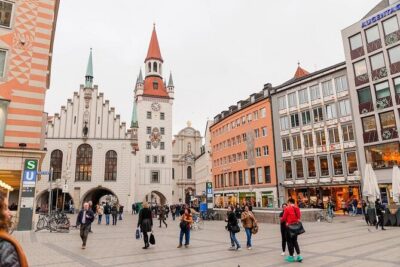
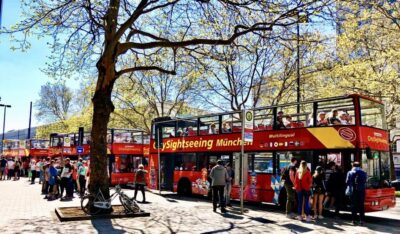
Munich Hop-On Hop-Off Tour: 1-Day or 2-Day Ticket
Read our review →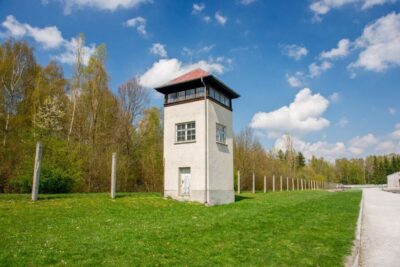
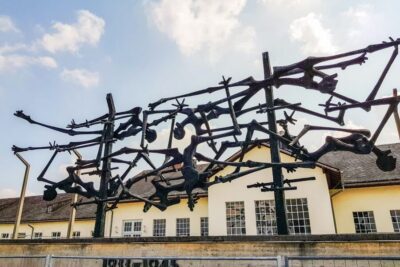
From Munich: Dachau Memorial Site Half-Day Trip
Read our review →
Old Town & Viktualienmarkt City Walk in German
Read our review →
City Bus Tour & FC Bayern Munich Allianz Arena Tour
Read our review →Browse the lists this tour appears in