
Reviewed · OLD TOWN TOURS
Munich: Old Town Culinary Tour
Munich’s best food stories are often found between the famous sights, and this three-hour walk connects the two nicely. You’ll taste five items at five stops while moving through Marienplatz, St. Peter’s Church, the Jewish Center, and Viktualienmarkt. Bavarian classics such as Leberkäse, pastries, and spice blends share the bill with sweeter treats and Italian specialties.
I like the way the tour mixes food with local history, so you are not simply eating your way through the center without context. I also like the small-group feel described by several participants, with guide Eddy offering funny stories, practical Munich tips, and enough time to sit at some stops. The main consideration is that the tour is in German, and drinks are not included. A chocolate stop may also feel less useful if you would rather spend that tasting on a pretzel with Obatzter.
Key points at a glance
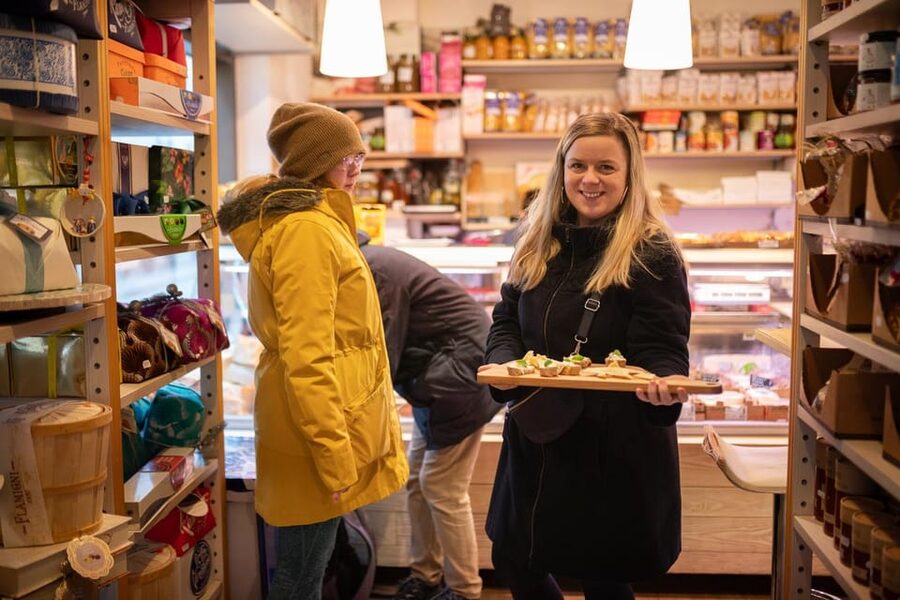
- Five tastings in five Old Town locations: The food stops include Leberkäse, pastries, spices, Italian specialties, chocolate, and other Bavarian treats.
- A food walk with major sights: The route links Marienplatz, the Mariensäule, St. Peter’s Church, the Jewish Center, and Viktualienmarkt.
- Guide Eddy adds local color: Expect food origins, city stories, legends, myths, and advice for the rest of your Munich stay.
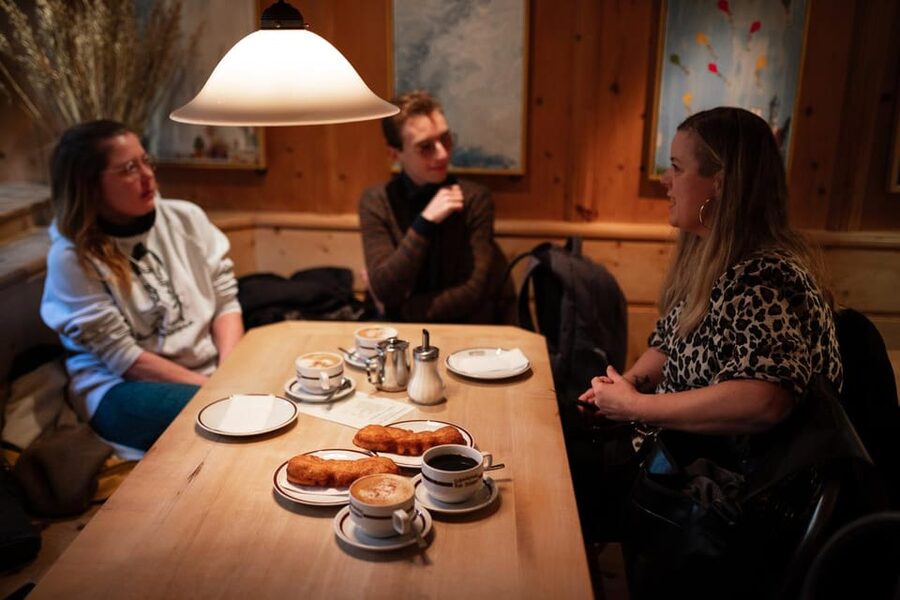
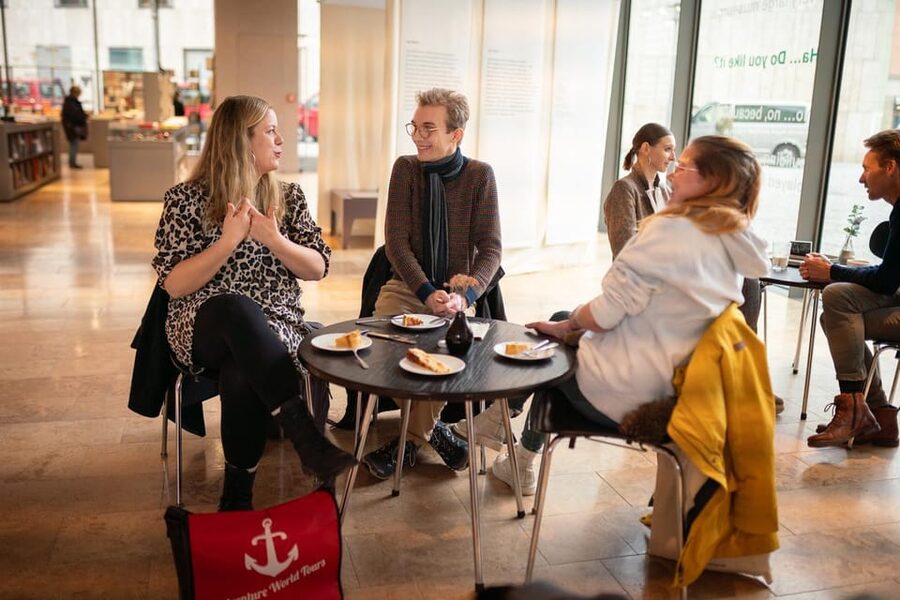
- Some seated tasting time: The group may sit down at certain restaurants or cafés, though a seat is not guaranteed.
- A three-hour pace: The route covers several central stops without requiring a full day.
- German-language tour: The guide and tour content are provided in German, so check your comfort level before booking.
Why this Munich food walk works
A food tour can easily become a string of small bites with little sense of place. This one has a stronger shape. You begin at the Rathaus-Glockenspiel in Marienplatz, then walk through the heart of the Old Town while tasting foods tied to Bavarian habits, local shops, and family-run businesses.
I like that the route does not treat food as a separate activity from sightseeing. The guide explains how pretzels, Weisswurst, Leberkäse, and sweet pastries fit into Bavarian life, then places those foods beside churches, market stalls, memorials, and old civic buildings. That gives you useful context: you learn not only what to eat, but why it belongs in Munich.
The stops are spread across roughly three hours, with short visits of about 15 to 30 minutes. This means you should expect a walking tour first and a meal second. The five tastings can add up to a satisfying introduction, but they are not designed to replace breakfast or lunch for everyone.
More Old Town Tours in Munich
- Munich: Old Town & Viktualienmarkt City Walk in German
★ 4.7 · 2,304 reviews - Munich Old Town Walking Tour
★ 4.5 · 1,287 reviews - Munich: Spooky Tour of Old Town in German
★ 4.6 · 1,112 reviews
Starting under the Rathaus-Glockenspiel
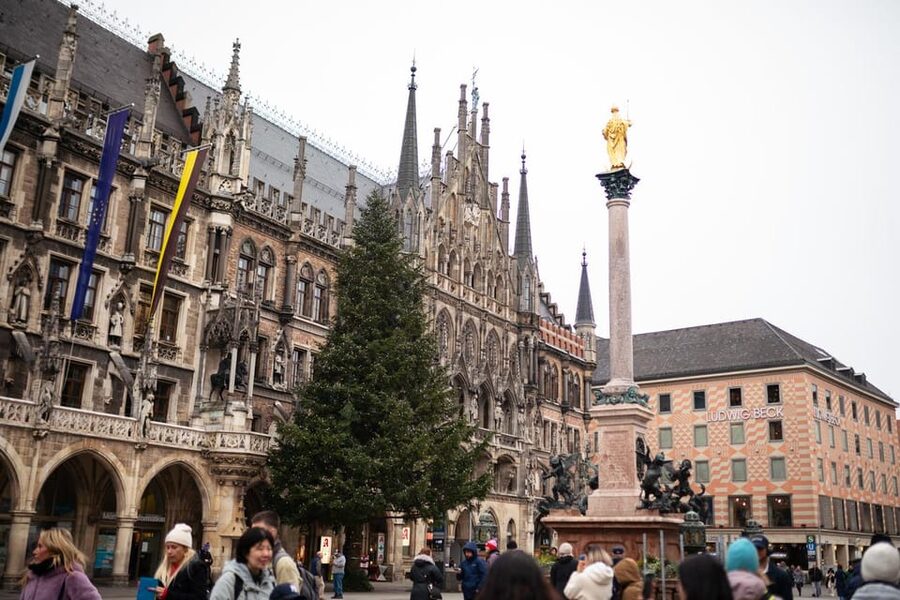
The meeting point is at Marienplatz 8, down at the entrance to the Glockenspielturm. This is a practical place to begin because Marienplatz is easy to recognize, yet the exact meeting location matters in this busy square. Give yourself a little time to find the entrance rather than arriving at the last second.
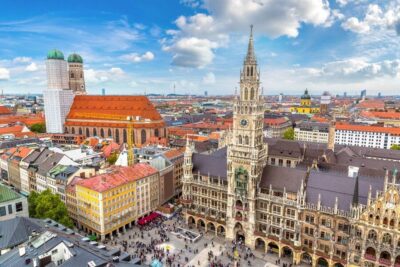
The Rathaus-Glockenspiel is one of Munich’s most familiar sights, and it gives the tour an immediate sense of place. From here, the group heads to Rosenstraße for the first guided food stop, which lasts about 15 minutes.
The early stop helps set the pattern for the tour: a taste, a short explanation, and another walk through the center. You might find the first tasting useful as a gentle introduction, especially if you have just arrived in Munich and want to learn the names of local foods before ordering on your own.
Marienplatz, the Mariensäule, and St. Peter’s Church
After the first tasting, the route reaches the Mariensäule, the column in the center of Marienplatz. This is a 25-minute sightseeing and photo stop, giving the guide time to explain the square and its place in Munich’s story.
The next major point is St. Peter’s Church, known locally as the old Peter. The schedule allows about 20 minutes here for stories, sightseeing, and photos. The church adds an important visual change after the open space of Marienplatz, and the guide can connect the building to the wider story of the Old Town.
You should not expect a long interior tour or a full church visit based on the advertised schedule. The stop is meant to add historical and visual context to the food walk. If you want detailed time inside every church or museum along the route, you will need to explore those places separately.
This is one of the tour’s strongest features for first-time visitors. Instead of seeing St. Peter’s only as a point on a sightseeing map, you hear stories while moving at a manageable pace. The guide’s humor also helps keep the history from becoming a list of dates.
Leberkäse and a look at Munich’s everyday food
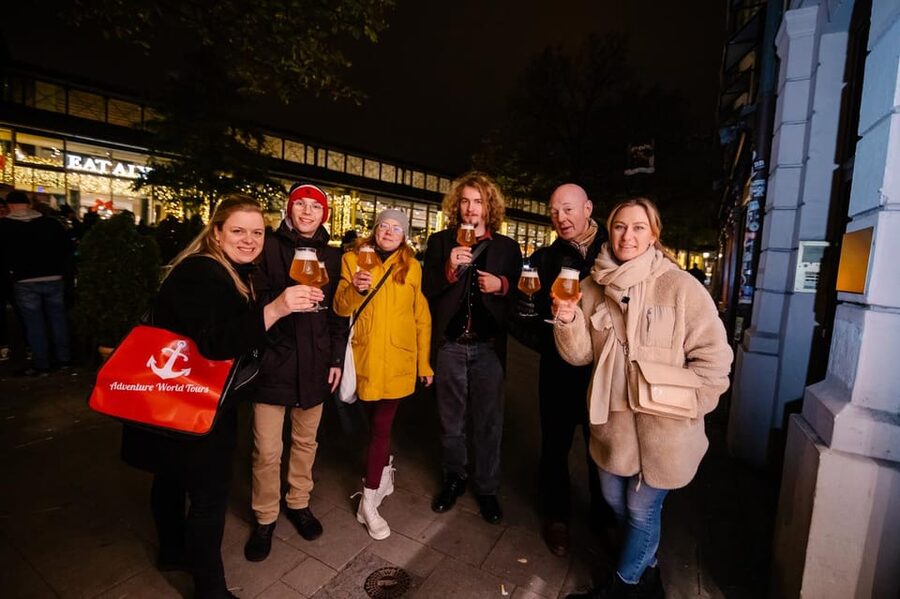
The next food stop is on Prälat-Zistl-Straße, with about 20 minutes for tasting and sightseeing. Leberkäse is specifically part of the experience, and it gives you a chance to try one of Bavaria’s most familiar quick meals.
Despite its name, Leberkäse is not simply a slice of liver cheese. The name and the food’s origins make a good subject for the kind of food history this tour promises. A guide can explain how the dish fits into Bavarian eating habits, rather than leaving you to guess from the menu.
One useful feature here is the chance to sit at some stops. A small group may find seats more easily, but the tour does not promise a chair at every location. Wear comfortable shoes, and think of the sitting time as a welcome pause rather than a fixed restaurant meal.
Same city, a completely different kind of day:
- Munich: Third Reich & WWII Walking Tour
★ 4.6 · 6,181 reviews - Dachau Concentration Camp Memorial Site Tour from Munich by Train
★ 4.5 · 5,637 reviews - Third Reich Walking Tour Munich
★ 4.5 · 4,291 reviews - Munich Hop-On Hop-Off Tour: 1-Day or 2-Day Ticket
★ 4.3 · 4,161 reviews
The Jewish Center and the stories between stops

The route then passes the Jüdisches Zentrum München, with around 20 minutes for a guided walk, sightseeing, and a photo stop. This part broadens the tour beyond food. Munich’s center contains layers of religious, civic, and social history, and the guide uses the route to point out stories that you might otherwise miss.
The food stops are the obvious draw, but these walking sections help give the tour balance. You are not only moving from one snack counter to another. You are also seeing how different parts of Munich’s identity sit close together in the Old Town.
The schedule refers to interesting stories, funny legends, and persistent myths. That makes the guide important. Eddy is praised for being relaxed, considerate, humorous, and full of useful local information. He also offers suggestions for planning the rest of your stay, which can be valuable if this is one of your first activities in Munich.
Spices, sweets, and a change of pace
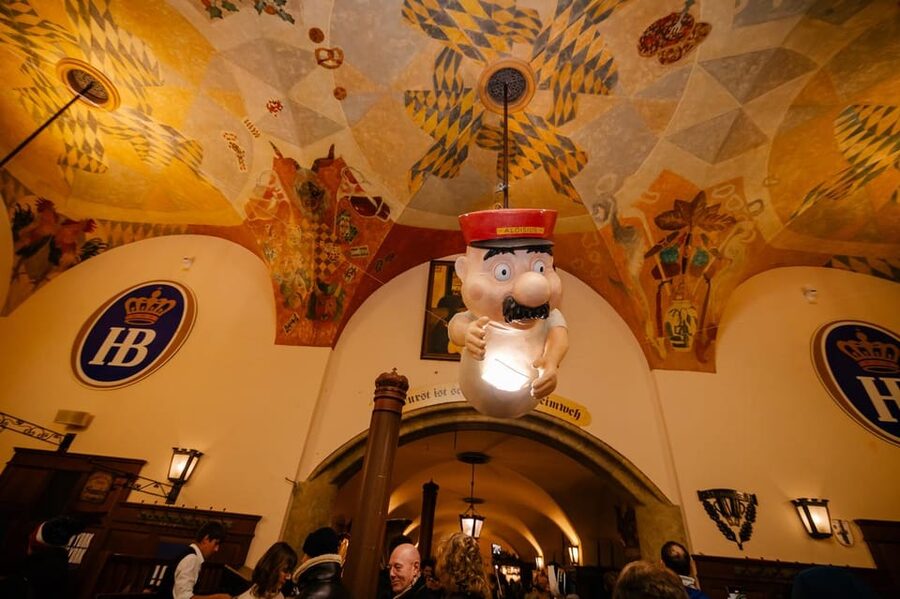
At Gewürze der Welt, you spend about 20 minutes on a guided tasting and visit. A spice stop is a nice change from the heavier Bavarian foods. It gives you a chance to compare smells and flavors and to see how the city’s food scene reaches beyond sausages, bread, and beer.
The route then includes another 20-minute food stop at a location on Behindertenparkplatz. The information does not identify the exact food served there, so I would treat it as one of the tour’s surprises rather than plan around a particular dish.
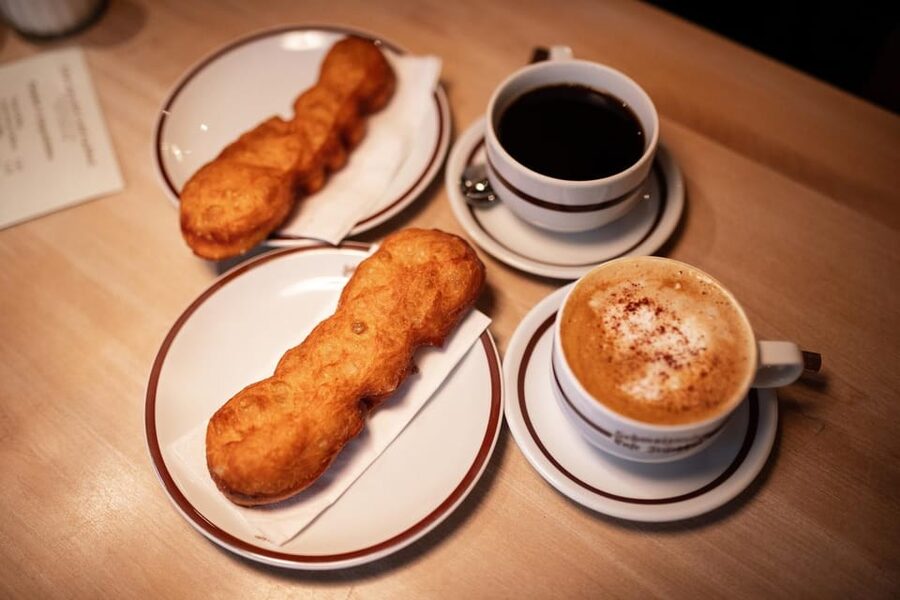
The advertised food range includes sweet items such as Striezel and Knieküchle, along with chocolate and Italian specialties. These treats help explain the broader idea of Munich food culture. Bavarian cooking is not only hearty savory food. Cafés, pastries, confections, and imported flavors all have a place in the city center.
If you have a strong preference for traditional Bavarian dishes, keep your expectations measured. The five tastings are selected by the tour provider, and the route includes more than the best-known local staples. That variety is a plus for some people, but those hoping for a strict pretzel, Weisswurst, and Obatzter menu may find the mix less focused.
Viktualienmarkt brings the food story into focus
The tour reaches Viktualienmarkt for a 25-minute guided visit and tasting. This is a natural highlight. The market brings together the smells, ingredients, and daily food culture that the guide has been discussing on the walk.
A market stop also gives you a better sense of how Munich eats beyond formal restaurants. You can look at the stalls, watch the rhythm of the square, and connect the earlier explanations about spices, pastries, and savory foods with an active food market.
One tasting choice may matter to you here. Some people would prefer a piece of pretzel with Obatzter at Viktualienmarkt instead of the chocolate tasting later in the tour. Obatzter, a creamy Bavarian cheese spread, would make a particularly traditional match with a pretzel. If that combination is important to you, ask the guide whether it is possible to purchase it separately during free time, though the tour itself does not promise that option.
Viktualienmarkt is also a useful place to return after the tour. If you discover a food you like, you will already know where to find more of it. The tour gives you an introduction, then you can come back on your own with a better idea of what to try.
The final tasting near the Trinity Church
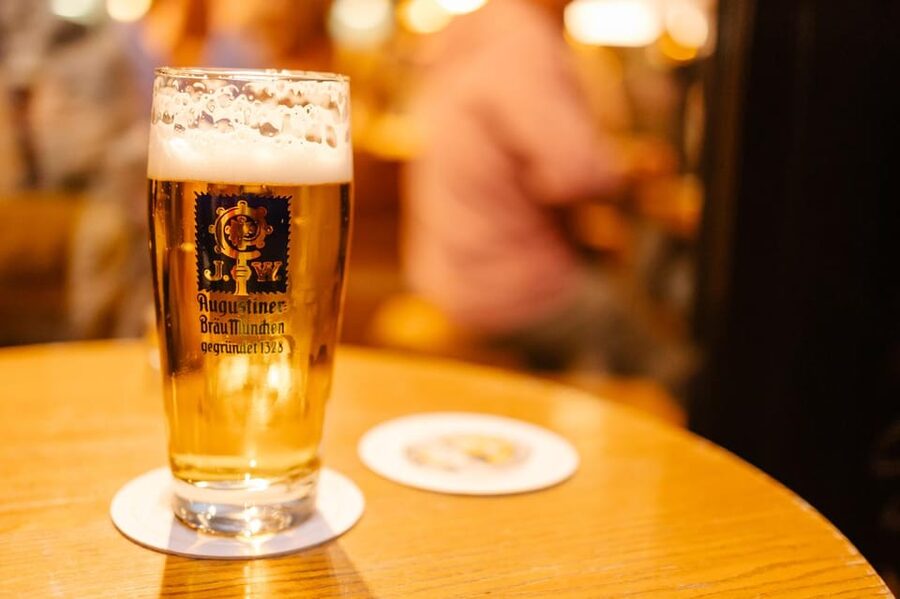
The last stop is around Dreifaltigkeitsplatz, near the Trinity Church, and allows about 30 minutes for sightseeing and food tasting. The longer stop gives the group more time to sit, talk, and finish the food portion of the walk.
This is also where the tour ends, at Dreifaltigkeitsplatz 1. Finishing here is convenient for continuing through the center, though the provided information does not specify onward transport arrangements. You can treat the end point as a useful place to continue sightseeing on foot.
The final stop may include chocolate or another sweet specialty. A chocolate praline is part of the tasting range, and it has been praised as tasty. Keep in mind that the shop may sell additional chocolates at high prices. You are not required to buy anything beyond the included tasting, so enjoy the sample without feeling pressured to turn it into a shopping stop.
What the five tastings are worth at $51
At $51 per person, the tour is not the cheapest way to eat in Munich. You could buy individual snacks for less, especially if you already know where to go and prefer to set your own pace.
The value comes from the combination of five tastings, a three-hour guided walk, and local interpretation. You are paying for the route, the explanations, and the convenience of having someone connect the food with the city sights. For a first visit, that can be a sensible use of half a day.
The price is easier to justify if you would otherwise book a separate Old Town sightseeing tour and then search for food on your own. It is less compelling if your main goal is a full meal, a beer tasting, or a large number of substantial portions. Drinks are not included, and the tour does not guarantee a seat.
The small-group experience described by participants also matters. A group of two had an especially individual outing, and another small group had seats at the food stops. Group size is not stated as fixed, so do not assume every departure will feel private. Still, the format appears suited to conversation rather than a large bus-style crowd.
The German-language question
This activity is conducted in German. That is the single biggest practical issue for many international visitors.
If you understand German well, the language adds to the local character and lets you enjoy Eddy’s anecdotes directly. If your German is limited, you may miss the explanations that make the route more than a collection of samples. The food itself is still visible and easy to identify in many cases, but the history, jokes, and myths depend on understanding the guide.
The activity information notes that some content is shown in its original language. There is no indication of an English-language departure or translation service, so confirm the language before booking if this matters to you.
Who should book this tour?
I would recommend it to you if you want a gentle introduction to Munich’s Old Town with food built into the sightseeing. It suits first-time visitors, couples, solo visitors who like guided walks, and anyone who wants practical ideas for eating during the rest of a Munich stay.
It is also a good choice if you enjoy stories as much as samples. Eddy’s relaxed style, humor, and local suggestions are central to the experience. The tour gives you a way to see the center with a guide without committing to a full-day program.
You may want something else if you need the tour in English, want a guaranteed table, or expect a large meal. It may also disappoint you if your ideal food tour is tightly focused on classic Bavarian dishes only. The mix includes chocolate, spices, Italian specialties, pastries, and other foods alongside Leberkäse and local treats.
Book it early in your stay if you can. The route can help you decide where to return for a longer meal, which markets deserve another visit, and which local foods you want to order later. The free-cancellation policy allows cancellation up to 24 hours before the start for a full refund, and you can reserve now and pay later, which gives you some flexibility while planning.
Should you book the Munich Old Town Culinary Tour?
Book this tour if you want food, landmarks, and local stories in one compact outing, and if German is comfortable for you. The strongest reasons are the five tasting locations, the walk through Munich’s most important central sights, and Eddy’s friendly storytelling.
Skip it if you want a guaranteed seat, included drinks, or a full restaurant meal. Also think twice if chocolate feels like a poor use of one tasting slot and you would rather focus on pretzels, Weisswurst, or Obatzter.
For the right audience, $51 is a fair price for a three-hour introduction to Munich’s food culture and Old Town. It works best as an opening activity, not as your only food experience in the city.
FAQ
Where does the Munich Old Town Culinary Tour begin?
The meeting point is Marienplatz 8, 80331 Munich, down at the entrance to the Glockenspielturm by the Rathaus-Glockenspiel.
Where does the tour finish?
The tour ends at Dreifaltigkeitsplatz 1, 80331 Munich, near the Trinity Church.
How long does the culinary tour last?
The walking tour lasts three hours.
How many tastings are included?
Five tastings are included at five selected food locations in Munich’s Old Town.
What foods might be included?
The food range includes Leberkäse, pastries such as Striezel and Knieküchle, spice tastings, Italian specialties, chocolate, and other local treats. The exact tasting selection is not specified in full.
Is the tour offered in English?
The listed tour language is German. Some content is shown in its original language.
Are drinks included?
No. Drinks are not included in the tour price.
Can I cancel the booking?
Yes. You can cancel up to 24 hours in advance for a full refund. You can also reserve now and pay later.
Just added in Munich
- Private transfer: Vilshofen to Munich with 2h sightseeing stop★ 5.0 · 6 reviews
- Pub crawl incl. Oktoberfest museum guided tour with beer tasting (private)★ 5.0 · 5 reviews
- South Tyrolean specialties and wine tasting★ 5.0 · 5 reviews
- Size Matters Beer Tour Munich★ 4.6 · 105 reviews
- Short & sweet: Tasting the Viktualienmarkt★ 4.8 · 37 reviews
- Secret Food Tours Munich★ 4.8 · 5 reviews
- Munich: Romantic Wine Experience for Two at Viktualienmarkt★ 4.2 · 14 reviews
- Munich: Resistance against Hitler – Historical Walking Tour★ 5.0 · 5 reviews
Old Town Tours, compared.

Old Town & Viktualienmarkt City Walk in German
Read our review →
The Night Watchman Old Town Walking Tour in German
Read our review →
New Old Town and Highlights German-Language Tour
Read our review →Browse the lists this tour appears in