
Reviewed · CONCENTRATION CAMP MEMORIALS
Munich: Dachau Concentration Camp Memorial Site Tour by Car
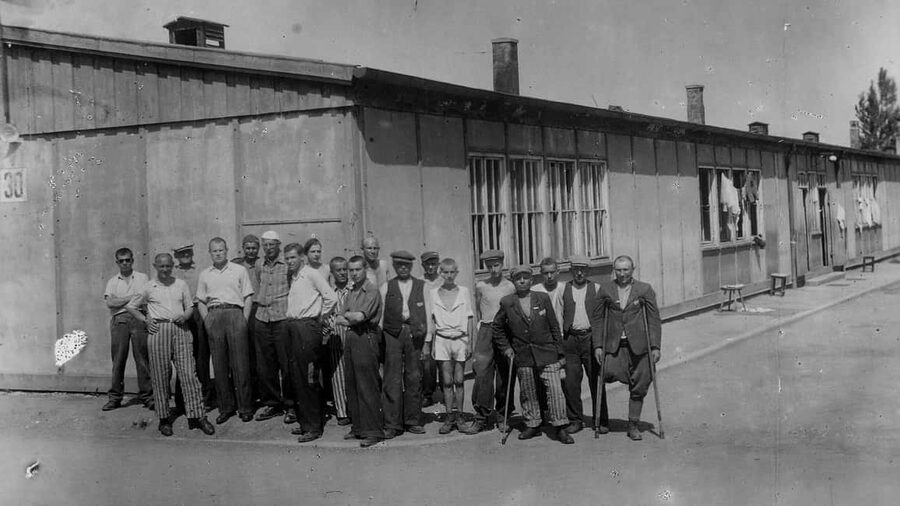
The Dachau Memorial Site is not a casual sightseeing stop. It is the former Nazi concentration camp opened in 1933, a place where political prisoners were first held and where the SS developed methods later used across the camp system. This five-hour tour from Munich gives you a guided visit to one of Germany’s most difficult and important historical sites.
I like the small group of up to four people, which allows the guide to keep the pace personal rather than herding a busload through the grounds. I also like the private SUV transport, hotel pickup, and drop-off, especially if you want to avoid figuring out the trip from Munich on your own. The main drawback is the price, $371 per person, and one reported missed pickup means I would confirm the meeting details by WhatsApp before departure.
Key points to know before you go
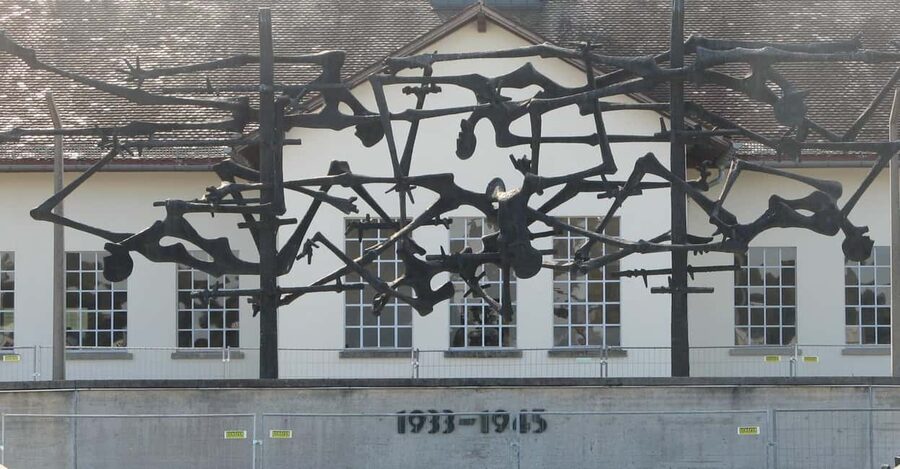
- Dachau opened in 1933: It was the first Nazi concentration camp and later became a training center for the SS.
- Three hours at the memorial: You visit the roll-call area, bunker, barracks, camp street, crematorium, and memorial grounds.
- Private SUV transport: The drive from Munich takes about 30 minutes each way, with pickup and drop-off included.
- Small groups only: A maximum of four participants makes it easier to ask questions and follow the guide’s pace.
- Markus has earned strong praise: His detailed explanations helped bring the history into focus for previous participants.
- Plan for outdoor walking: Wear solid shoes, dress for the weather, and bring water. Children under 14 cannot join.
Why Dachau matters beyond Munich
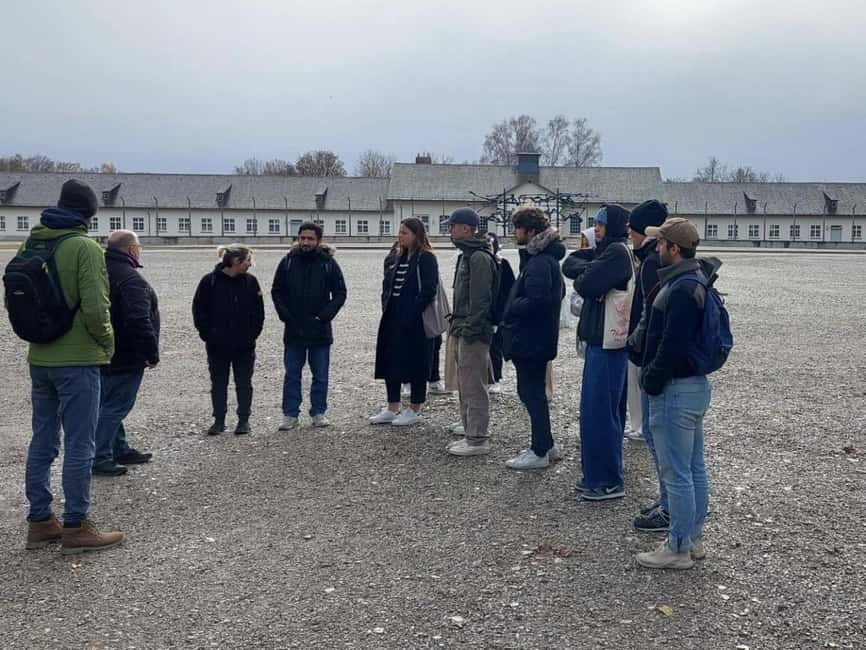
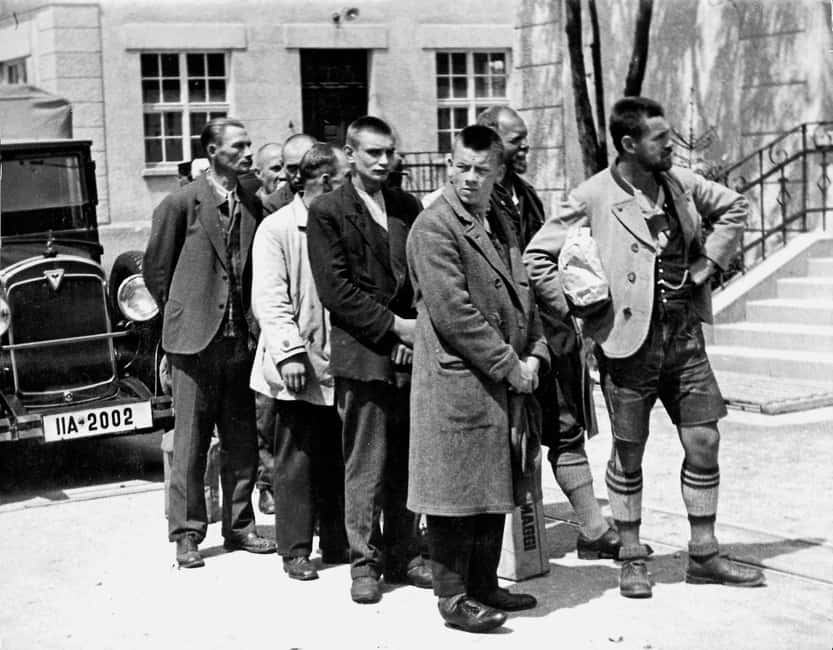
Dachau was opened shortly after Adolf Hitler became chancellor of Germany. It began as a camp for political prisoners, including people opposed to the Nazi regime, but its purpose soon expanded. Prisoners included Jews, artists, intellectuals, Romani people, and homosexual men, among others persecuted by the dictatorship.
The camp became a model for the wider concentration camp system. It also served as an SS training center, sometimes described as a school of violence. Guards learned systems of punishment, forced labor, control, and terror there before those methods spread elsewhere.
Over its 12 years, the Dachau camp system grew to include nearly 100 sub-camps. More than 200,000 people from across Europe were imprisoned in the system, and about 41,500 are estimated to have been killed. Many died from malnutrition, disease, overwork, torture, medical experiments, or executions.
That context matters when you arrive. You are not simply touring old buildings. You are looking at the place where a government built an organized system for stripping people of their rights, their names, and finally their lives.
U.S. forces liberated the main camp on April 29, 1945. Two decades later, in 1965, concentration camp survivors helped establish the memorial on the former camp grounds. The site now receives nearly 800,000 visitors each year.
More Concentration Camp Memorials in Munich
- Dachau Concentration Camp Memorial Site Tour from Munich by Train
★ 4.5 · 5,637 reviews - From Munich: Dachau Memorial Site Day Tour
★ 4.8 · 2,723 reviews - From Munich: Dachau Memorial Site Half-Day Trip
★ 4.7 · 2,526 reviews
The 30-minute drive from Munich
The tour begins with pickup in Munich, followed by about 30 minutes in a Jeep or SUV to Dachau. Pickup and drop-off at your Munich hotel are included, so you do not need to manage a train connection and local bus ride before a serious and emotionally demanding visit.
That private transfer is one of the clearest reasons to consider this tour over a less expensive group option. With no large coach and no public transport changes, you spend your energy preparing for the memorial rather than navigating to it. The group limit is four people, so the vehicle should feel more like a private outing than a standard excursion.
Still, I would treat the pickup as something to confirm, not something to leave to chance. One participant reported that the driver never arrived. The activity provides a WhatsApp contact, +49 151 57490411, and specifically asks customers to get in touch before the experience. I would send a short confirmation with your hotel name, pickup time, and phone number.
The drive is listed as 30 minutes each way, but road conditions can affect timing. The scheduled five hours leaves three hours at the memorial, with the remaining time covering transportation and the pickup process.
Three hours inside the Dachau Memorial Site
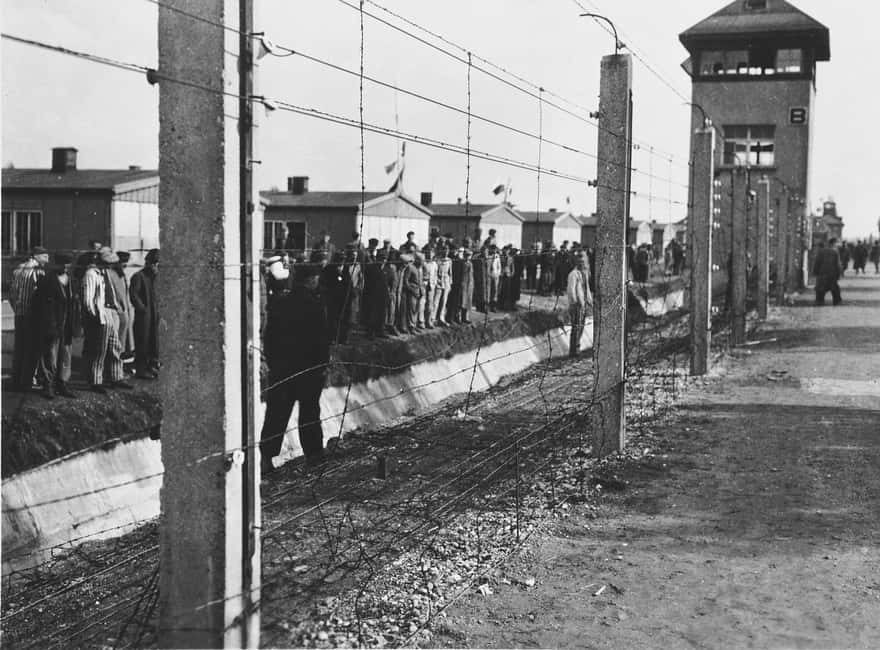
The guided visit lasts about three hours. That is enough time to see the major areas without reducing the experience to a quick walk past a few signs, though the subject matter may make the time feel longer.
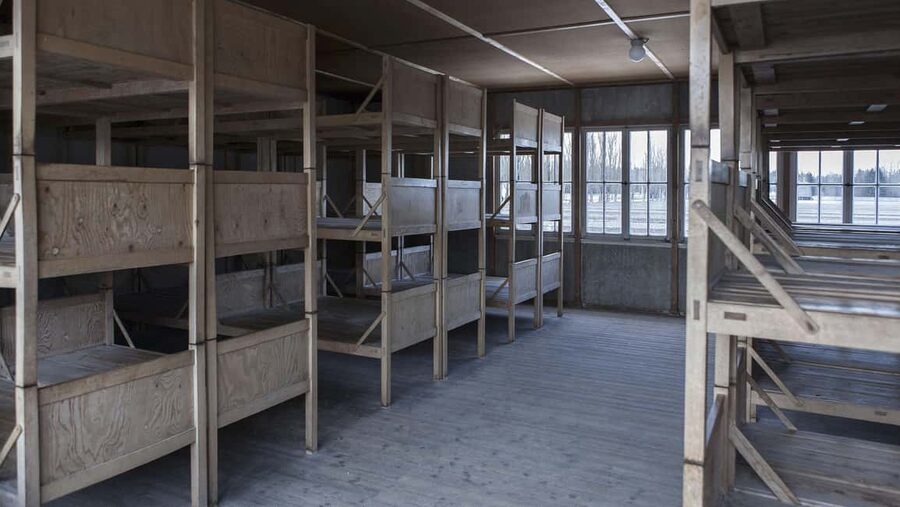
The tour includes the main camp grounds and the surviving original buildings and reconstructions. You visit the roll-call area, bunkers, barracks, camp street, and crematorium. Each location helps explain a different part of camp life and the machinery of imprisonment.
The roll-call area shows how control entered the prisoners’ daily routine. People were counted and inspected there, often under harsh conditions. The barracks and camp street help you picture the physical organization of the camp, while the bunker points to the prison within the prison, where punishment and detention were carried out.
The crematorium is among the most difficult parts of the visit. The site’s focus is not spectacle. It is the evidence of how mass death became part of the camp system. Your guide discusses executions and the wider killing process with a focus on historical facts and respect for those who suffered.
You also learn about medical experiments, torture, forced labor, and the causes of death that went beyond direct execution. Malnutrition, disease, and overwork killed thousands. This broader view is important because it shows that the camp system depended not only on weapons, but also on deliberate neglect, exhaustion, starvation, and abuse.
Most of the visit takes place outside. Even buildings and indoor exhibits are connected by paths across the former camp grounds, so comfortable shoes matter. Bring water, since it is not possible to buy or consume food on the memorial grounds.
What the guide adds to the visit
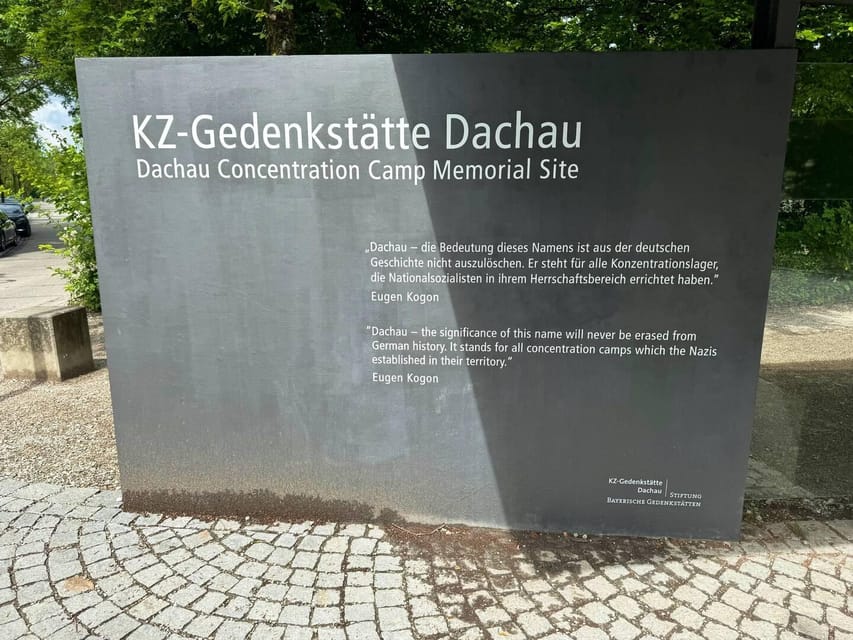
A self-guided visit can provide facts, maps, and exhibits. A guide adds order and context, which matters at a site where the volume of information can be hard to absorb.
The tour is offered in English or Spanish, with a live guide. An audio guide is also available. The written information does not identify every guide, but Markus is singled out in the feedback for giving detailed explanations and moving a small group through the exhibits with more context than they would have gained alone.
That is the strongest part of this experience. A good guide can explain how Dachau developed from a political prison into a wide camp network, and can connect individual places to the larger Nazi system. You are not left to guess why a building matters or how one practice led to another.
The tone is equally important. This is not a place for theatrical storytelling or casual jokes. The guide is expected to cover disturbing subjects with dignity and respect for the victims. Markus received especially strong praise for helping participants leave with a clearer understanding of the history as well as an emotional sense of its human cost.
You should still expect to do some reading and looking on your own. The itinerary includes a guided tour and time for self-guided sightseeing, so the experience is not necessarily a nonstop spoken lecture. That balance can be useful. A guide provides a framework, then you have room to consider the exhibits quietly.
Same city, a completely different kind of day:
- Munich: Third Reich & WWII Walking Tour
★ 4.6 · 6,181 reviews - Third Reich Walking Tour Munich
★ 4.5 · 4,291 reviews - Munich Hop-On Hop-Off Tour: 1-Day or 2-Day Ticket
★ 4.3 · 4,161 reviews - Munich: Old Town & Viktualienmarkt City Walk in German
★ 4.7 · 2,304 reviews
The emotional weight of the memorial
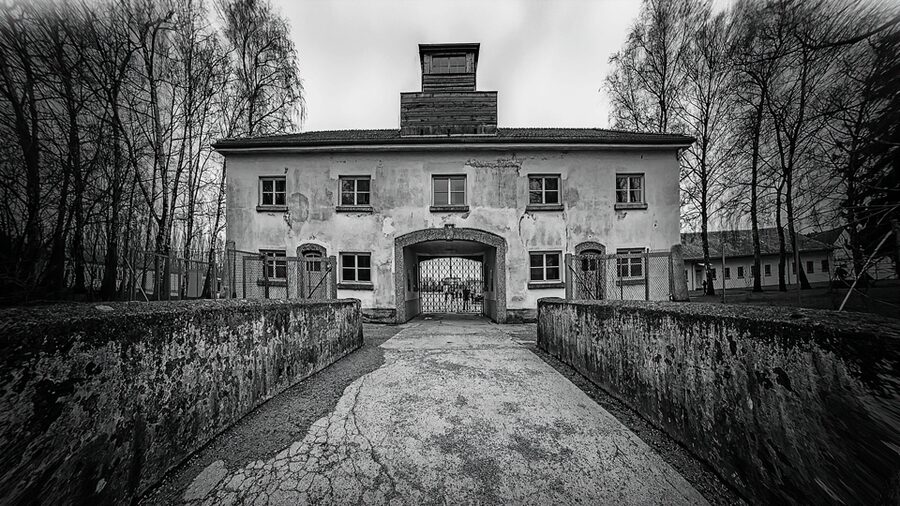
Dachau is likely to stay with you after the tour. The subject is difficult, and the site is designed to confront the crimes of the Nazi regime rather than soften them for sightseeing.
You will hear about people who were imprisoned because of their politics, religion, ethnicity, identity, or opposition to the regime. You will also see how the camp’s organization made cruelty feel administrative: roll calls, barracks, punishment areas, forced work, medical abuse, and cremation facilities were all part of a system.
I would not schedule this immediately before a lighthearted evening activity if you know difficult history affects you strongly. The tour is only five hours, but the emotional impact can last much longer. That is not a flaw. It is part of what makes the visit important.
The memorial is also not meant to suggest that all victims had the same experience. The camp system changed over time, and prisoners came from many countries and backgrounds. A guided explanation helps keep those distinctions from being lost in a general account of Nazi persecution.
Is $371 per person a fair price?
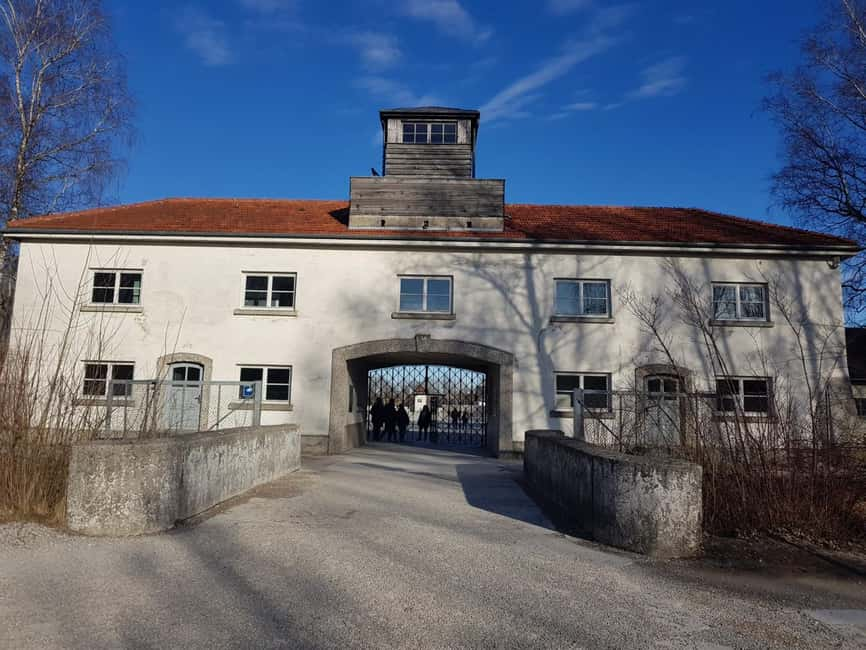
At $371 per person, this is an expensive half-day outing. You are paying for private transportation, hotel pickup and drop-off, a small group of no more than four, a live guide, site fees, and drinks including water.
The value depends on what you need. If your priority is the lowest possible fare, public transport and an independent visit will cost less. If you want someone else to handle the journey from Munich, prefer a small group, and want historical guidance on site, the price is easier to justify.
The private vehicle is especially useful for people who dislike changing trains and buses or who are traveling with limited time. The guide’s role is the bigger value. Dachau is not a site where a simple photo stop does justice to the place, and the three-hour guided visit gives the history room to develop.
There is also a practical tradeoff. A private tour normally suggests flexibility, but the fixed five-hour duration and limited group size mean you should not assume you can reshape the schedule at will. Ask about timing when you confirm by WhatsApp, especially if you have a train, flight, or evening reservation afterward.
Who should book this Dachau tour?
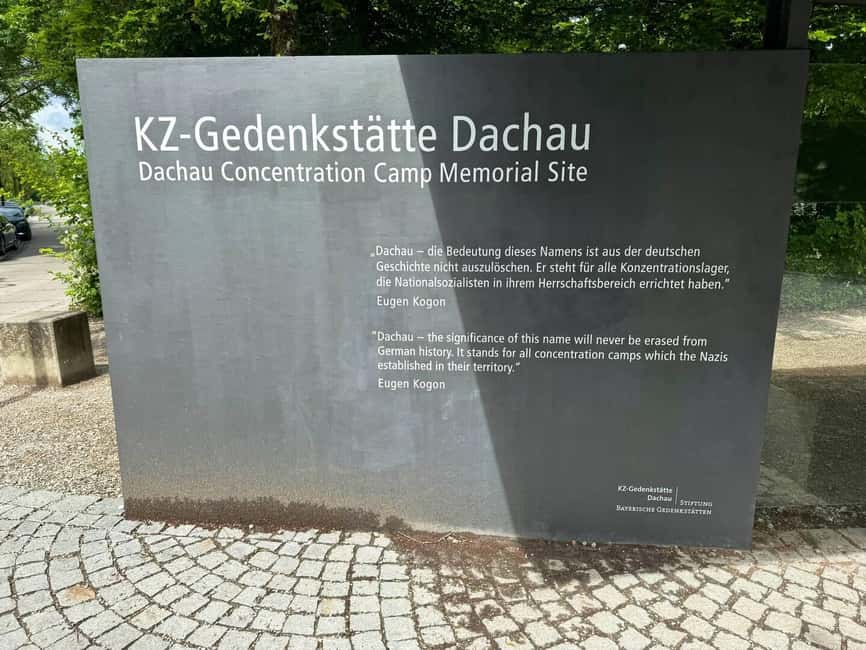
I would recommend it to adults and older teenagers who want a serious, guided visit and who value convenience over the lowest price. It suits solo visitors, couples, and small parties of friends who want a more personal experience than a large coach tour.
It is a good match if you are staying in Munich and want the entire half-day organized for you. The guide can provide a clear historical structure, while the private ride removes the hassle of getting to the memorial and back.
It is not suitable for children under 14. The subject matter includes executions, torture, medical experiments, disease, starvation, and mass death, so parents should take the age restriction seriously.
I would also think carefully about weather and stamina. The visit involves extensive walking outdoors, and you need weather-appropriate clothing and good footwear. If you are hoping for a relaxed sightseeing day with frequent café breaks, this is the wrong choice. Food cannot be purchased or eaten on the memorial grounds.
Practical tips for a respectful visit
Send a WhatsApp message before the day of the tour to confirm your pickup. This is particularly wise because one scheduled pickup reportedly failed, even though the other available feedback was strongly positive.
Wear shoes suited to walking on outdoor paths. Bring water, which is specifically recommended, and dress for conditions in Bavaria. You may receive drinks and water as part of the tour, but carrying your own bottle is sensible.
Do not plan to eat at the memorial. Food may not be purchased or consumed on the grounds. Have breakfast before pickup and plan your post-tour meal in Munich or elsewhere after you return.
Keep your schedule open enough to allow for the full five hours. The memorial visit itself takes three hours, and the drive takes about 30 minutes each way under normal conditions.
If you choose to tip, do it outside the memorial grounds. The guide accepts tips when you are pleased with the service, but tipping is not requested while you are at the site.
Should you book this tour?
Book it if you want a carefully guided Dachau visit with private transport and a group of four or fewer. The strongest reason is the combination of serious historical guidance and easy door-to-door transport, with Markus receiving particular praise for detailed, thoughtful explanations.
Skip it if $371 feels too steep or if you are comfortable arranging public transport and using the memorial’s own resources. You should also skip it for children under 14, and think twice if you are not prepared for an emotionally heavy morning.
Before paying, confirm the pickup by WhatsApp. If that detail is settled, this tour offers a focused and respectful way to visit Dachau from Munich, with enough time to understand the site rather than simply pass through it.
FAQ
How long does the Dachau tour from Munich last?
The full experience lasts five hours. About 30 minutes is scheduled for the drive from Munich to Dachau, three hours for the memorial visit, and about 30 minutes for the return drive.
Is hotel pickup and drop-off included?
Yes. Pickup and drop-off in Munich are included, along with private transportation in a Jeep or SUV.
How many people can join the tour?
The tour is limited to four participants, making it a small-group experience.
What languages are available?
The live tour guide is available in English or Spanish. An audio guide is also available.
What parts of Dachau will I visit?
The tour includes the roll-call area, bunkers, barracks, camp street, crematorium, original buildings, reconstructions, and memorial areas.
Can children join this experience?
No. Children under 14 years old are not permitted on the tour.
Can I buy or eat food at the memorial?
No. Food may not be purchased or consumed on the memorial grounds. Bring water and eat before or after the visit.
What should I bring and wear?
Bring water, comfortable footwear, and clothing suited to the weather. Most of the tour takes place outdoors and involves walking.
Just added in Munich
- Private transfer: Vilshofen to Munich with 2h sightseeing stop★ 5.0 · 6 reviews
- Pub crawl incl. Oktoberfest museum guided tour with beer tasting (private)★ 5.0 · 5 reviews
- South Tyrolean specialties and wine tasting★ 5.0 · 5 reviews
- Size Matters Beer Tour Munich★ 4.6 · 105 reviews
- Short & sweet: Tasting the Viktualienmarkt★ 4.8 · 37 reviews
- Secret Food Tours Munich★ 4.8 · 5 reviews
- Munich: Romantic Wine Experience for Two at Viktualienmarkt★ 4.2 · 14 reviews
- Munich: Resistance against Hitler – Historical Walking Tour★ 5.0 · 5 reviews
Concentration Camp Memorials, compared.
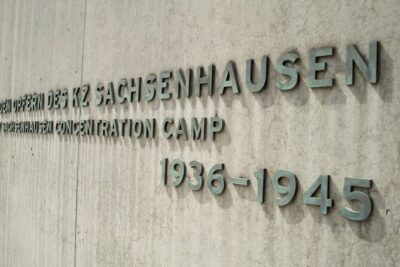
Sachsenhausen Concentration Camp Tour in English
Read our review →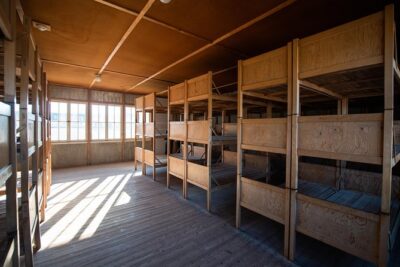
Dachau Concentration Camp Memorial Site Tour from Munich by Train
Read our review →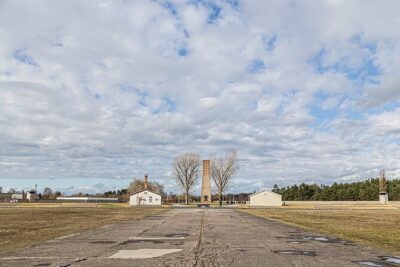
Sachsenhausen Concentration Camp Memorial Tour
Read our review →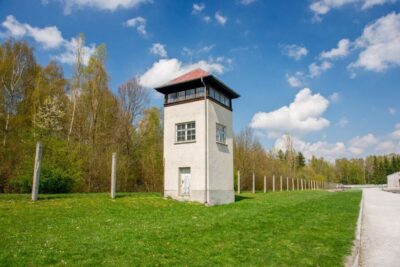
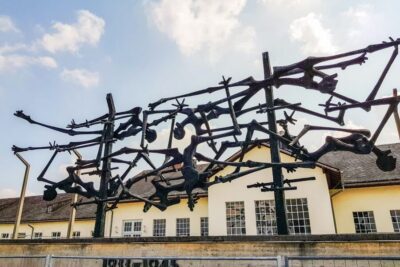
From Munich: Dachau Memorial Site Half-Day Trip
Read our review →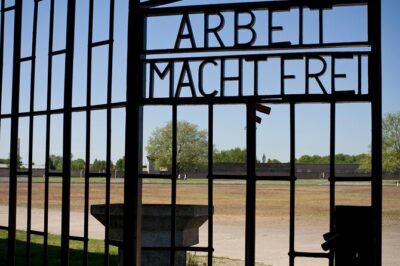
Sachsenhausen Concentration Camp Bus Tour in English from Berlin
Read our review →Sachsenhausen Concentration Camp Tour in English
Read our review →
Sachsenhausen Concentration Camp Memorial Tour (Max. 15 Guests)
Read our review →Browse the lists this tour appears in