
Reviewed · WALKING TOURS
Hanover: Guided Walking Tour of the Linden-Limmer District
The most interesting part of this Hanover walk is the district’s sharp change in character. Linden began with royal gardens and village charm, then became a factory and workers’ quarter shaped by industry. Today, old houses, brutalist concrete, concert spaces, graffiti, cafés, and kiosks all share the same streets.
I like the way the tour connects royal Hanover with industrial Linden, rather than treating the neighborhood as a collection of unrelated sights. I also like the mix of major landmarks and ordinary local places, especially Limmerstraße, where the local custom of Limmern means moving from kiosk to café to restaurant.
The main consideration is language: the live tour is in German. Two hours gives you a useful introduction, but not a slow, detailed look at every stop. If you want a German-language walk with a small-group feel, this is a strong value at $17. If you need English, you should choose another tour.
Key points about the Linden-Limmer walk
- Royal roots at Küchengarten: See the former kitchen garden that supplied Hanover’s royal family and the pavilion moved to Lindener Berg in 1913.
- A village turned workers’ quarter: Learn how Johann Egestorff and later machine and textile factories changed Linden.
- Concrete with a following: Visit the controversial Ihme center, admired by some young people for its brutalist design.
- Culture inside a former factory: Faust uses the old Werner and Ehlers bed factory for concerts, exhibitions, and readings.
- Street art and cinema history: Walk through Nedderfeldstraße and hear about the Apollo, one of Germany’s early arthouse cinemas.
- Local life on Limmerstraße: See why kiosks, cafés, restaurants, and the custom of Limmern make this one of Linden’s social centers.
Why Linden-Limmer tells Hanover’s story so well

I like this tour because Linden is not presented as a polished historic quarter. It is a place shaped by work, housing, transport, nightlife, and changing tastes. The district lets you see several versions of Hanover in one walk.
The story begins with the courtly period. The royal kitchen garden supplied the royal family, so Küchengarten was not simply a pleasant public park. It was part of the practical system that fed the court. The surviving garden pavilion dates from 1749 and was moved to Lindener Berg in 1913.
That detail gives the opening of the walk a useful sense of time. You are not only seeing an old building. You are seeing a leftover from the period when Linden served the royal world nearby.
From there, the tour moves toward industrial change. The preserved weavers’ houses at Weberstraße 20 and 21 point to an earlier craft-based community. They help you picture Linden before large factories took over the district.
Then came Johann Egestorff and the beginnings of factory production. Machine and textile industries pushed Linden away from its identity as the most beautiful village in the Kingdom of Hanover and toward life as a workers’ quarter. I find that contrast more useful than a simple list of dates, because it explains why the neighborhood has such a varied look.
More Walking Tours in Hanover
- Hannover: Guided Old Town Walking Tour
★ 4.5 · 338 reviews - Hanover: Crime Walking Tour
★ 4.5 · 243 reviews - Hanover: Flashlight Guided Walking Tour at Night
★ 4.7 · 52 reviews
Küchengarten and the surviving weavers’ houses
The first major theme is the shift from courtly supply garden to industrial suburb. Küchengarten once served Hanover’s royal family, and the pavilion from 1749 remains one of the clearest physical reminders of that role.
The pavilion was moved to Lindener Berg in 1913. That relocation is worth noting because the building is no longer in its original garden setting. You see it as a preserved piece of Linden’s courtly past, placed in a later urban context.
At Weberstraße 20 and 21, the old weavers’ houses add another layer. These buildings connect the district to skilled manual work before full industrialization. I would pay close attention here to the contrast between modest working homes and the later factory-driven growth described by the guide.
This part should appeal to you if you like urban history that explains ordinary buildings. The tour is not limited to grand monuments. It uses houses, a pavilion, and street patterns to show how people worked and lived.
From Johann Egestorff to a factory district
The industrial story gives the walk its backbone. Johann Egestorff helped begin the growth of factories in Linden, followed by machine and textile production. The result was a district increasingly tied to industrial labor.
That change mattered well beyond employment. As factories grew, Linden developed into a workers’ quarter rather than remaining a village connected to royal Hanover. You get a clear explanation of how one part of a city can change because of industry, not because planners first designed a new district.
The tour also points to the political change brought by the annexation of Hanover by Prussia in 1866. After that, the royal kitchen garden area became available for new uses. A freight station was built there, and a middle-class residential area developed around Lichtenbergplatz.
I like this portion because it avoids a narrow old-town view of Hanover. You learn how political change, transport, factories, and housing all reshaped the district. If you are interested in city planning, this is one of the most useful parts of the walk.
The Ihme center and Hanover’s concrete debate
The Ihme center offers a very different kind of sight. Many Hanover residents consider it an eyesore, while many young people are strongly interested in its brutalist construction. That divided response is exactly what makes the building worth seeing.
You should not expect a universally loved architectural landmark. Instead, you get a chance to consider why large concrete structures can provoke such strong reactions. The Ihme center represents a bold period of urban construction, but it also raises familiar questions about scale, appearance, and how buildings age.
I appreciate that the tour does not reduce the site to a simple judgment. You can look at the form for yourself and hear why it attracts interest as well as criticism. For anyone curious about postwar architecture, this is a memorable stop.
The Ihme center also helps break up the historical narrative. After hearing about royal gardens, weavers, and factories, you encounter a building tied to a later chapter in Hanover’s urban life. Linden-Limmer becomes a place where several eras remain visible at once.
Same city, a completely different kind of day:
- Soltau: Heide Park Resort Day Ticket
★ 4.6 · 1,160 reviews - Hannover: 24-Hour Hop-On Hop-Off Sightseeing Bus Ticket
★ 4.2 · 298 reviews - Hanover: SEA LIFE Entry Ticket
★ 4.1 · 160 reviews - SEA LIFE Hannover Ticket
★ 4.0 · 96 reviews
Faust cultural center inside a former bed factory
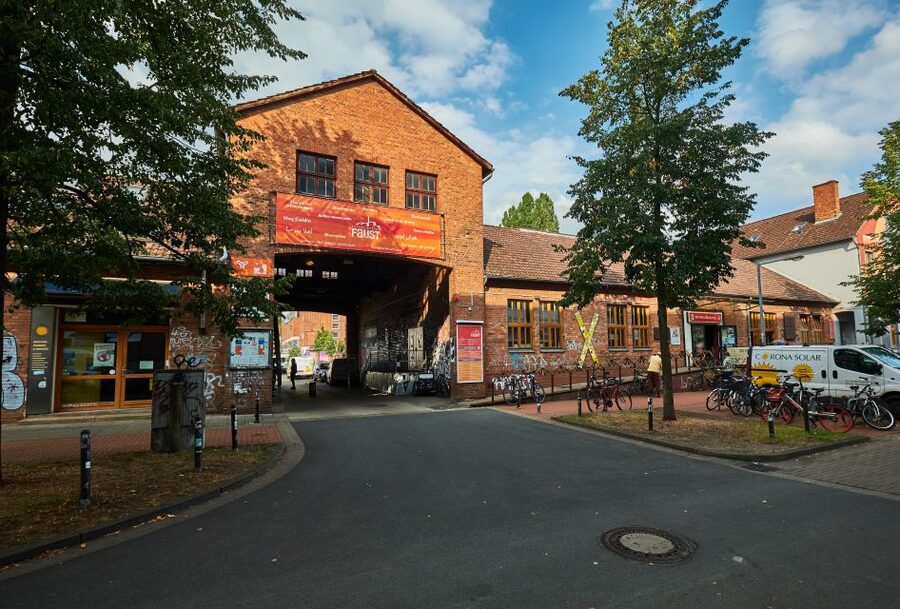
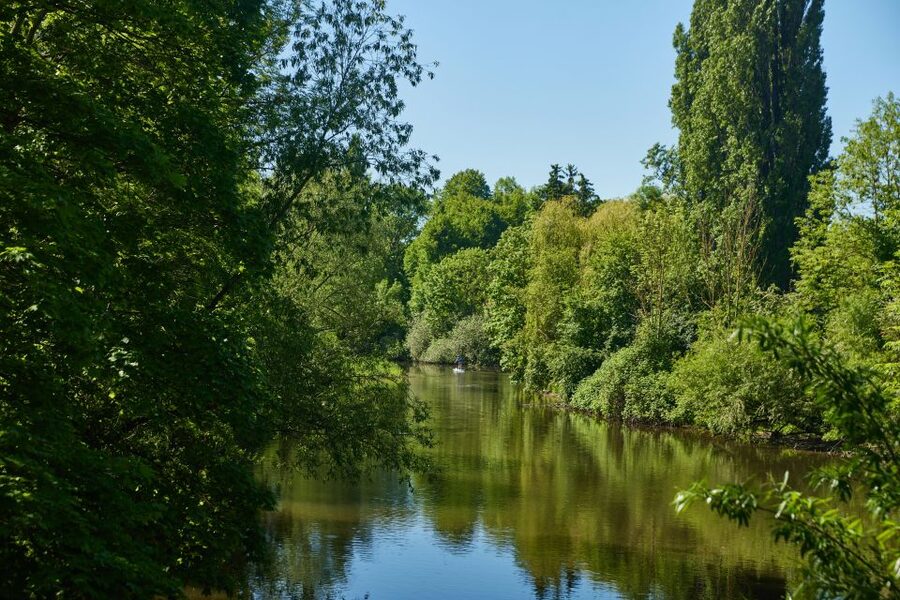
The Faust cultural center adds a practical example of industrial reuse. It occupies the former Werner and Ehlers bed factory, giving the old industrial site a new purpose without erasing its past.
Today, Faust is used for concerts, exhibitions, readings, and other cultural events. During the walk, you can understand the site as more than a former factory or a current arts venue. It shows how an industrial building can continue to matter after its original production has ended.
I like this stop because it connects Linden’s factory identity with its current cultural life. The district’s past is not locked behind glass. Former industrial spaces can still support public activity, though the exact events taking place at Faust are not part of this walking tour.
If cultural buildings interest you, allow yourself a little extra time around the center before or after the walk, but remember that the guided experience itself lasts two hours. The tour introduces the place rather than functioning as a full visit to every event space.
Nedderfeldstraße, graffiti, and the Apollo cinema
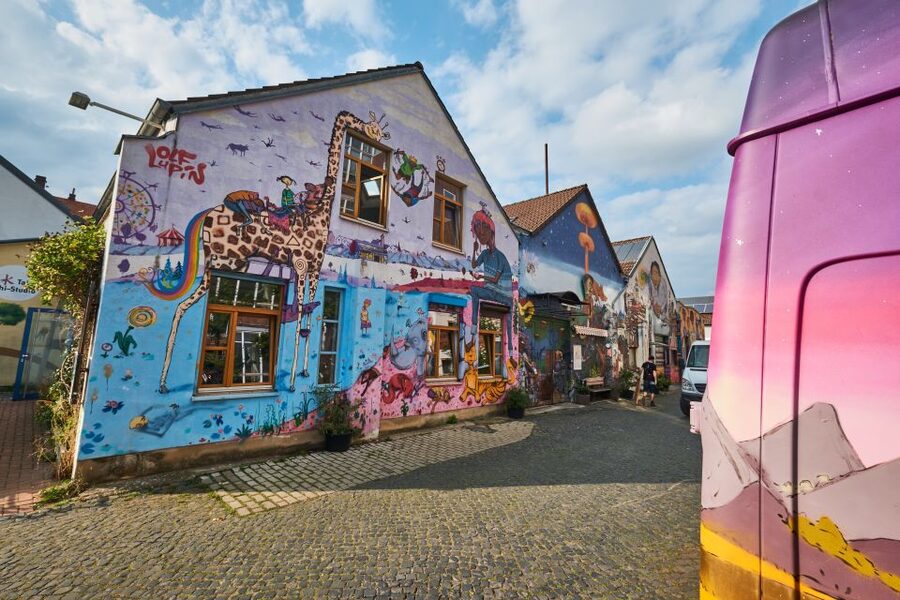
Nedderfeldstraße shifts the mood again. Here, graffiti art and numerous pubs create a more informal side of Linden-Limmer. The street helps you see how local culture appears outside official museums and landmark buildings.
The tour also introduces the Apollo cinema, described as one of the first arthouse cinemas in Germany. That detail gives the area an unexpected connection to film culture. You are not only looking at painted walls and nightlife. You are hearing how this part of Hanover helped support alternative cinema.
I would especially recommend this section if you want to understand the district’s cultural identity. The walk links visual art, pubs, cinema, and former industry without claiming they are all the same thing. Each reflects a different way people use urban space.
The setting may appeal more to you than a formal monument would, but it is also less predictable. Graffiti and pub streets change over time. The tour gives you context for what you see now, while the neighborhood itself continues to evolve.
Limmerstraße and the local art of Limmern
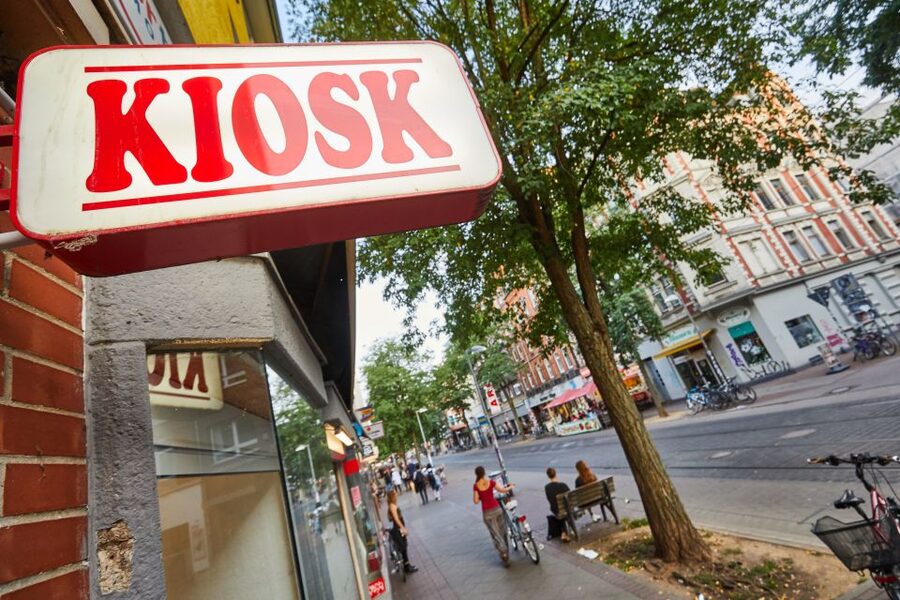
Limmerstraße is the social finish to the walk. It has a high density of kiosks, restaurants, and cafés, making it an easy place to continue exploring after the guide says goodbye.
The local term Limmern refers to spending time along Limmerstraße, moving between casual places for food and drinks. You do not need a major attraction here to understand why the street matters. Its value is in the concentration of everyday meeting places.
I like ending with Limmerstraße because it brings the tour back to present-day life. You have heard about royal provision, factory labor, freight transport, architecture, and cultural reuse. Then you see how the district functions now, through food, conversation, and informal public life.
Plan to stay in the area after the walk if you want to sample the café and restaurant scene. The tour does not include food or drinks, so those costs are separate. Still, the $17 ticket leaves room in your budget for a casual stop afterward.
What the $17 price gives you

At $17 per person, this is a good-value introduction to a district with several distinct themes. You receive a two-hour guided walk, and the route covers courtly history, industrial development, architecture, arts, cinema, and local nightlife.
The value comes from the connections. You could see Küchengarten or Limmerstraße independently, but the guide explains how they fit into the larger story of Linden. That context is the reason to pay for the tour rather than simply walking through the neighborhood on your own.
The tour also suits a first visit to Hanover when you want something beyond the main central sights. It offers a look at a district shaped by work and local culture rather than royal display alone.
There are limits. The price does not include entry to concerts, exhibitions, readings, cafés, or restaurants. The walk is conducted in German, and the two-hour length means the stops receive an introduction rather than an exhaustive architectural study.
The tour has a top rating from six reviews, including positive comments about the relaxed feel of a small group and the clear explanation of the district and its notable people. I would treat that as encouraging evidence of a friendly experience, while remembering that the sample is small.
Practical details before you reserve
The meeting point is TAK, Die Kabarett Bühne. Your guide will wear a Hannover Marketing and Tourismus GmbH card around the neck, which should make the meeting easier.
The live guide speaks German, and the tour is wheelchair accessible. The total duration is two hours, with starting times depending on availability.
You can cancel up to 24 hours before the tour for a full refund. You can also reserve now and pay later, which is useful if you are still arranging your Hanover schedule.
I would arrive at the meeting point with enough time to identify the theater and guide without rushing. Since the route includes streets, cultural sites, and architectural stops rather than one enclosed attraction, comfortable walking clothes make sense, though no special equipment is stated as necessary.
Who should choose this Linden-Limmer tour
I would recommend it to you if you enjoy:
- Industrial and social history rather than only grand monuments
- Architecture that divides opinion, including brutalism
- Former factories reused as cultural spaces
- Street art, cinemas, cafés, and local neighborhood life
- German-language tours
- A short introduction that fits easily into a day in Hanover
It may not suit you if you need an English-speaking guide or want a tour focused only on royal Hanover. It is also not the best choice if you prefer long indoor visits with guaranteed access to exhibitions or performances.
For an accessible walk, the stated wheelchair access is a useful point in its favor. Still, the supplied information does not describe the exact street surfaces, gradients, or restroom arrangements, so you may want to confirm those details before booking if they are important for your needs.
Should you book the Linden-Limmer walk?
Book this tour if you want to understand why Linden feels different from Hanover’s courtly center. The route gives you a compact story that runs from a 1749 royal garden pavilion to factories, freight transport, brutalist architecture, cultural reuse, graffiti, arthouse cinema, and Limmerstraße nightlife.
At $17, it offers solid value for a German-speaking introduction, especially if you plan to spend extra time around Limmerstraße afterward. I would choose it for the local context and the range of places, not for grand interiors or a long museum visit.
Skip it if English is essential, or if your main interest is traditional sightseeing. For everyone else who wants to see how Hanover’s people, industries, and changing tastes shaped a real neighborhood, this is a smart two-hour choice.
FAQ
How long does the guided walking tour last?
The tour lasts two hours.
What language is the tour conducted in?
The live tour guide speaks German.
What is the price?
The price is $17 per person.
Where does the tour meet?
The meeting point is TAK, Die Kabarett Bühne.
How will I recognize the guide?
The guide will wear a Hannover Marketing and Tourismus GmbH card around the neck.
Is the tour wheelchair accessible?
Yes, the activity is listed as wheelchair accessible.
What places does the tour visit?
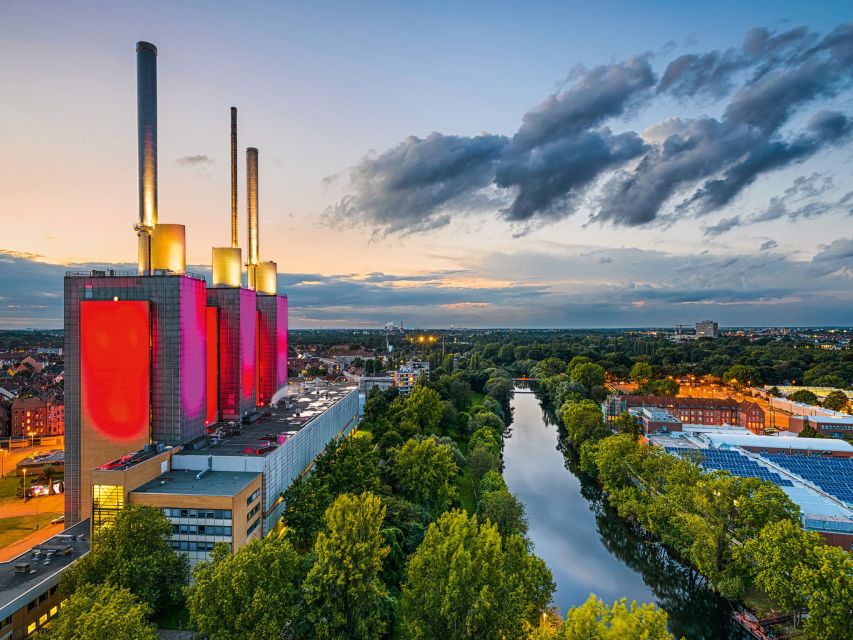
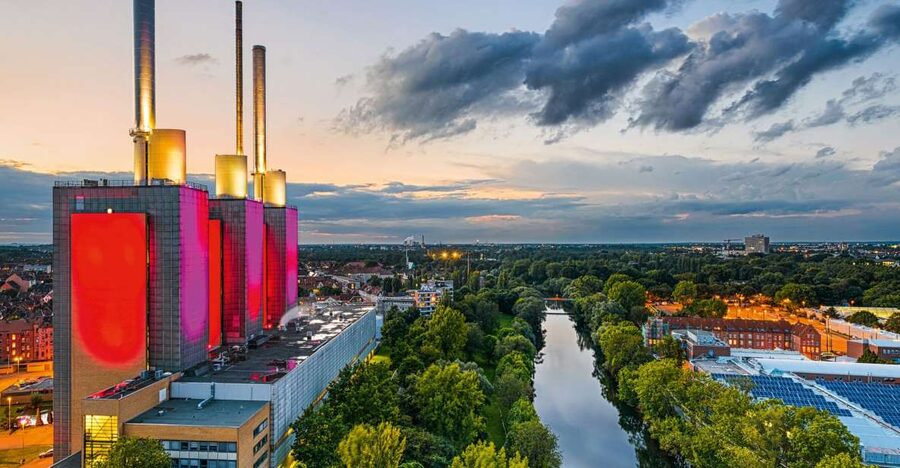
The route includes Küchengarten, the Ihme center, Hanover’s combined heat and power plant, Faust cultural center, and Limmerstraße. It also covers the weavers’ houses on Weberstraße, Nedderfeldstraße, and the Apollo cinema.
Does the tour include admission to concerts or exhibitions at Faust?
The included service is the guided tour. Admission to concerts, exhibitions, readings, restaurants, and cafés is not stated as included.
Can I cancel the tour for a refund?
Yes. You can cancel up to 24 hours in advance for a full refund.
Can I reserve the tour and pay later?
Yes. You can reserve your place and pay later, keeping your travel plans flexible.
Just added in Hanover
- Hanover Center: Outdoor Escape Game★ 4.7 · 13 reviews
- Hanover: Old Town Historical Walking Tour by Geo Epoche★ 4.4 · 11 reviews
- Hanover: Crime Tour by Bike★ 4.8 · 25 reviews
- Hanover: Linden-Limmer Krimi-Rätsel-Tour★ 4.5 · 15 reviews
- Hannover: Private pub crawl with insider-guide & free shots★ 4.0 · 11 reviews
- Hannover: Culinary walking tour district List/Oststadt★ 4.6 · 28 reviews
- Hannover: Guided tour of the Berggarten★ 4.1 · 4 reviews
- Hannover: Culinary Walking Tour Old Town★ 4.6 · 25 reviews
Walking Tours, compared.



Berlin’s Best: 2 Hour Walking Tour Third Reich and the Cold War
Read our review →
Third Reich Berlin: Hitler and WWII Walking Tour
Read our review →Browse the lists this tour appears in