
Reviewed · FOOD
Glockenbachviertel culinary – the food tour
Glockenbachviertel is Munich with its collar loosened. This three-hour food walk takes you through a former working-class district now known for Müllerstrasse’s LGBTQ+ scene, cafés, boutiques, old apartment buildings, and late-night pubs. I like that the food is tied to the neighborhood rather than served as a detached tasting menu. I also like the mix of stops, from Munich specialties to international food, with stories about the district’s underground and social life along the way.
The tour’s other strength is its small private-group option, which can make a neighborhood walk feel more personal. The main caution is that food quality may vary from stop to stop. One tasting, a tomato soup from a Romanian shop, was found disappointing, and drinks are not included. Beer fans may find more to enjoy than people looking only for refined cuisine.
Key points at a glance
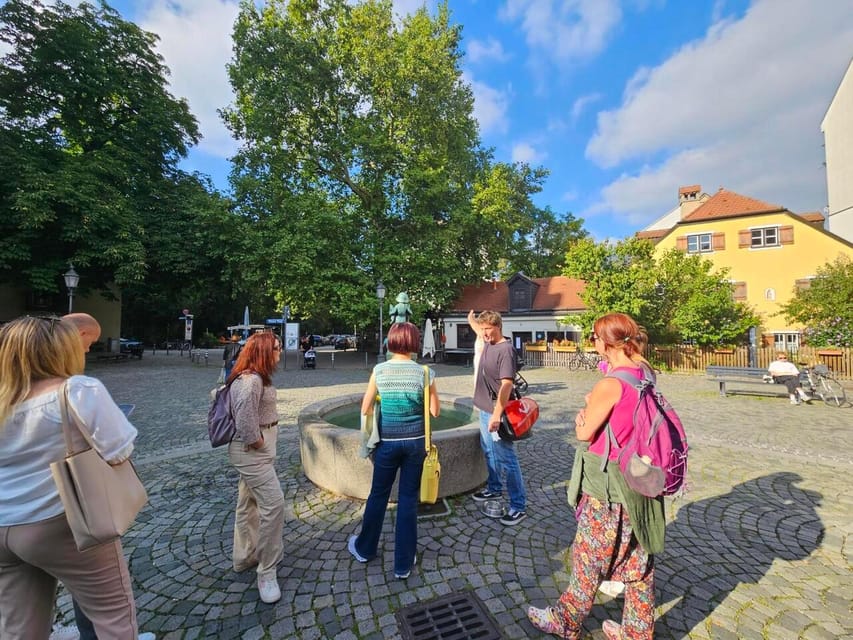
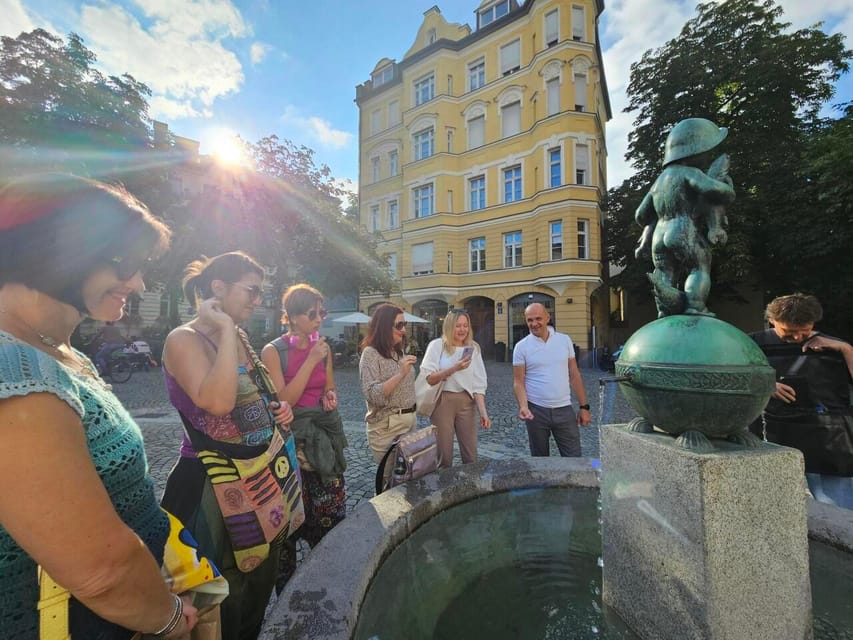
- Five tastings in three hours: Expect a walking route built around selected food stops, not a single sit-down meal.
- Glockenbach beyond the nightlife: The route includes cafés, boutiques, craft shops, the State Theater, and Old South Cemetery.
- A look at Munich’s LGBTQ+ district: Müllerstrasse and the surrounding streets are central to the area’s modern identity.
- International and local flavors: You may try food from outside Bavaria alongside original Munich specialties.
- Stories about the underground: The guide adds unusual local context, funny anecdotes, and details that food alone cannot provide.
- Private groups are available: At $511 for up to 10 people, the value improves sharply when a full group shares the cost.
Why Glockenbachviertel makes a good food tour setting
Munich is often reduced to beer halls, sausages, and grand royal buildings. Glockenbachviertel gives you a different city. South of the central old town, this district has changed greatly since the 1990s, shifting from a working-class area into one of Munich’s most fashionable and socially open neighborhoods.
That change is visible in the streets. Well-kept older buildings sit beside stylish boutiques, small cafés, creative craft shops, and places built around nightlife. The area’s gay and lesbian community has helped shape its character, especially around Müllerstrasse. A good guide can help you understand that this is not simply a party district. It is also a place where modern Munich life, old architecture, independent businesses, and community history meet.
Food is a useful way to read that change. A local specialty tells you something about Bavaria, while an international dish points to the city’s wider population and changing tastes. Five tastings cannot cover all of Munich, but they can give you a practical introduction to one neighborhood’s habits and personality.
I like this format for a first or second day in Munich. You are not only eating. You are learning where the district sits, how it developed, and why its social reputation matters.
More Food Tours in Munich
- Bavarian Beer and Food Evening Tour in Munich
★ 4.5 · 1,575 reviews - Munich: Viktualienmarkt Food Tour
★ 4.5 · 1,127 reviews - Munich: Beer and Food Tour with Dinner & Oktoberfest Museum
★ 4.7 · 1,086 reviews
Five tastings instead of one long meal
The tour includes five culinary stops. The exact businesses and dishes are not specified in advance, so you should think of this as a progressive tasting walk rather than a fixed restaurant itinerary.
That distinction matters. You will likely receive smaller portions at several places instead of one large lunch or dinner. The advantage is variety. You get to compare styles, discover a shop you might otherwise miss, and keep moving through the neighborhood. The drawback is less control over the food. If one stop does not suit your taste, you have limited say over what replaces it.
The food is described as a combination of international dishes and original Munich specialties. That makes the tour a better fit for curious eaters than for anyone wanting a strict Bavarian menu. You may encounter the familiar Munich food traditions, but the point is to show how the Glockenbachviertel has developed into a mixed, outward-looking district.
The tastings are not paired with drinks. This is important in a city where beer is part of the culture. You will need to pay separately for anything you drink, and that can raise the final cost. One strong point from the tour’s feedback is its appeal to people who enjoy beer, so beer enthusiasts may want to budget for an extra drink or two.
Do not book this expecting a high-end food experience. The guide and the neighborhood are the main attractions, while the tastings provide a moving introduction to local businesses. The quality may be uneven. A tomato soup served at a Romanian shop was considered poor, and that kind of stop can be frustrating when food is a central part of the price.
Still, one weak dish does not erase the value of the format. Five stops give you more chances to find something you like, and the guide can provide context that a self-guided snack crawl will not.
Müllerstrasse and the district’s LGBTQ+ identity
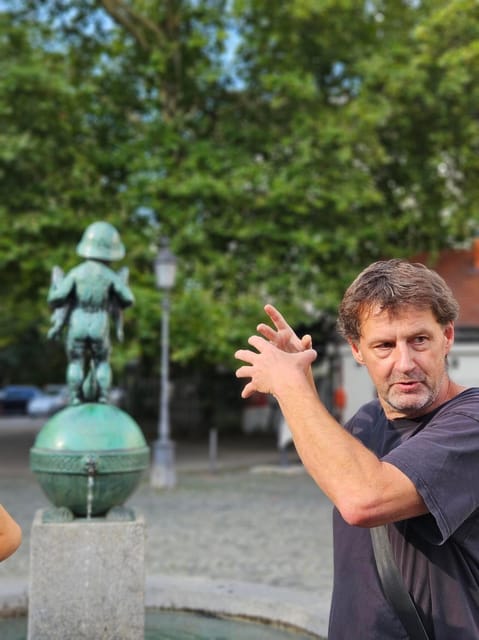
Müllerstrasse is a key part of Glockenbachviertel’s modern story. The district is known for its gay and lesbian community, and the tour uses that setting to explain how the area became one of Munich’s most lively social centers.
You should expect the focus to be cultural rather than a visit to a specific club or venue. The supplied information does not promise entry into nightlife businesses, and it does not name particular bars. Instead, the walk takes place in the streets, where the mix of shops, cafés, old buildings, and public life gives you a sense of the neighborhood.
I find this kind of context especially useful because it keeps the district from becoming a collection of fashionable storefronts. You hear why the area matters, how its identity developed, and how the local community helped shape its public image. The guide also adds funny anecdotes, which should keep the history from becoming a dry lecture.
The tour is offered in English or German. If you want to ask questions about Munich’s social history, a live guide is a major advantage over a printed route. The experience is also available as a private group, which may suit families, friends, or colleagues who prefer their own pace.
Cafés, boutiques, and creative shops along the route
Glockenbachviertel’s appeal is not limited to food. Between tastings, you will pass charming cafés, stylish boutiques, and creative craft businesses. These details help explain the district’s reputation as a place where people come to eat, shop, work, and spend an evening.
The route may also show you how old buildings and newer businesses share the same streets. The neighborhood’s well-kept architecture provides a steady backdrop, while independent shops give the walk a more local feel than a standard city-center sightseeing circuit.
The information does not promise shopping time or discounts, so plan to treat these businesses as part of the scenery and story. If something catches your eye, you may need to return later on your own. That is not a flaw, but it is worth knowing if you hope to combine the tour with serious shopping.
Street festivals and the district’s entertainment culture are also part of the larger picture. They help show why Glockenbachviertel feels active beyond ordinary dining hours. Since the tour lasts three hours, the guide can connect these public events and businesses to the neighborhood without asking you to spend your whole day there.
Same city, a completely different kind of day:
- Munich: Third Reich & WWII Walking Tour
★ 4.6 · 6,181 reviews - Dachau Concentration Camp Memorial Site Tour from Munich by Train
★ 4.5 · 5,637 reviews - Third Reich Walking Tour Munich
★ 4.5 · 4,291 reviews - Munich Hop-On Hop-Off Tour: 1-Day or 2-Day Ticket
★ 4.3 · 4,161 reviews
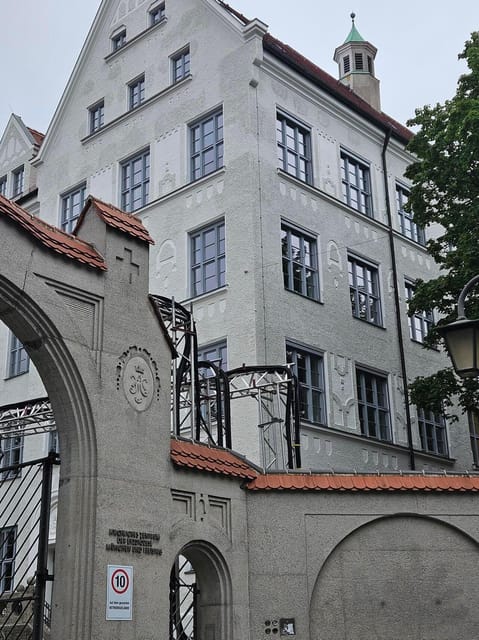
The State Theater and Old South Cemetery
The route includes two very different landmarks: the renowned State Theater and the Old South Cemetery.
The theater adds a cultural layer to the walk. You are not only seeing cafés and food shops. You are also moving through an area connected to Munich’s performing arts. The supplied details do not promise a performance or interior visit, so expect to see the site as part of the walking route rather than attend a show.
The Old South Cemetery provides a quieter change of pace. Cemeteries can reveal a city in a way busy streets cannot. Here, the tour points out a place where important personalities are buried, giving the guide a chance to connect the neighborhood with Munich’s wider civic and cultural story.
These stops also break up the eating. Five tastings over three hours could feel repetitive if the route stayed inside shops and cafés. Public landmarks, architecture, and cemetery paths give you room to walk, listen, and reset your palate.
The tour ends back at the meeting point. Because the meeting point can vary depending on the option you book, check the exact location before you go. That detail matters if you are arranging a restaurant reservation or another activity immediately afterward.
What the underground stories add
One of the more unusual promises is an introduction to Munich’s underground. The available details do not define whether this means physical underground spaces, local subcultures, or both, so you should not assume a tunnel visit or restricted-access site.
What you can expect is a guide-led look at less obvious parts of Munich. This may include stories that sit outside the official tourist version of the city, along with anecdotes about the district’s nightlife and social development. The value is in the interpretation. You can walk these streets by yourself, but you are less likely to understand their less visible past without someone connecting the pieces.
The tour’s feedback points to an entertaining and informative guide style. That is important here. A neighborhood with social change, nightlife, food, and local characters needs a guide who can keep the pace moving. The experience is not built for silent observation. You will get more from it if you enjoy listening, asking questions, and moving between subjects.
Price, group size, and what you really receive
The price is $511 per group of up to 10 people. That sounds expensive for a three-hour walking tour, but the calculation changes if you fill the group. At 10 people, the cost works out to about $51 per person before drinks. At five people, it is roughly $102 per person.
That price includes the guide, the three-hour walk, and five tastings. It does not include drinks, so beer lovers should add that expense to the budget. You are paying not only for food but also for a private or semi-private neighborhood experience, depending on the option you select.
For a full group of friends or family, I think the price can make sense if you value a private guide and want a planned route. For two people, the cost is harder to justify unless you specifically want the convenience of a private experience. In that case, compare it with a standard group food tour before booking.
The tour is three hours long, which is enough time to cover several blocks and landmarks without taking over your day. Wear comfortable shoes. The experience is entirely on foot, and the food stops are spread through the neighborhood rather than gathered in one building.
Free cancellation is available up to 24 hours before the tour for a full refund, and you can reserve now and pay later. Those policies make it easier to fit the tour into a changing Munich schedule.
Who should book the Glockenbach food tour
I would recommend this tour to you if you want to see a side of Munich beyond the old town, beer halls, and major monuments. It suits people who enjoy food as a doorway into local culture, especially when the food is mixed with neighborhood stories.
It is also a good choice for first-time visitors who want orientation in a district they might otherwise skip. The guide can point out the relationship between food, nightlife, architecture, the LGBTQ+ community, and local businesses in one compact outing.
Beer drinkers should take a close look at it. The tour’s strongest feedback centers on its entertaining, informative character and appeal to people who like beer. Just remember that drinks are extra.
I would be more cautious if you have strict dietary needs or expect every tasting to be exceptional. The available information does not list allergy handling, vegetarian choices, or a replacement policy. It also does not promise a particular menu, so contact the provider before booking if food restrictions are important.
The tour may not suit you if you want a formal restaurant meal, a fixed menu, or extensive time inside museums and landmarks. This is a walking introduction to one district, with food along the way.
Should you book it?
Book the Glockenbachviertel culinary tour if you want local stories, five varied tastings, and a look at Munich’s modern social life in one outing. The area is more interesting than a simple restaurant crawl, and the route includes landmarks such as the State Theater and Old South Cemetery.
Think carefully about the price if your group is small. At $511, it is best value for a full group, particularly if you choose the private option. Go with realistic food expectations, budget for drinks, and ask about dietary needs before paying. If those points work for you, this is a lively and informative way to get beyond Munich’s standard postcard sights.
FAQ
How long does the Glockenbachviertel culinary tour last?
The tour lasts three hours and takes place on foot.
How many food tastings are included?
Five tastings at selected culinary stops are included.
Are drinks included in the price?
No. Drinks are not included and must be paid for separately.
What languages are available?
The live tour guide is available in German and English.
Is the tour private?
A private group option is available. The price listed is $511 per group of up to 10 people.
Where does the tour start and finish?
The meeting point can vary according to the option booked. The activity ends back at the meeting point.
Can I cancel the tour for a refund?
Yes. You can cancel up to 24 hours in advance for a full refund. You can also reserve now and pay later.
Just added in Munich
- Private transfer: Vilshofen to Munich with 2h sightseeing stop★ 5.0 · 6 reviews
- Pub crawl incl. Oktoberfest museum guided tour with beer tasting (private)★ 5.0 · 5 reviews
- South Tyrolean specialties and wine tasting★ 5.0 · 5 reviews
- Size Matters Beer Tour Munich★ 4.6 · 105 reviews
- Short & sweet: Tasting the Viktualienmarkt★ 4.8 · 37 reviews
- Secret Food Tours Munich★ 4.8 · 5 reviews
- Munich: Romantic Wine Experience for Two at Viktualienmarkt★ 4.2 · 14 reviews
- Munich: Resistance against Hitler – Historical Walking Tour★ 5.0 · 5 reviews
Food, compared.
Elbphilharmonie Plaza and HafenCity Food Tour
Read our review →
Berlin Center Food Tour with 8+ Authentic Local Tastings
Read our review →
Beer and Food Tour with Dinner & Oktoberfest Museum
Read our review →

Lunch Like a Local: Munich’s ORIGINAL Viktualienmarkt Food Tour
Read our review →Browse the lists this tour appears in