
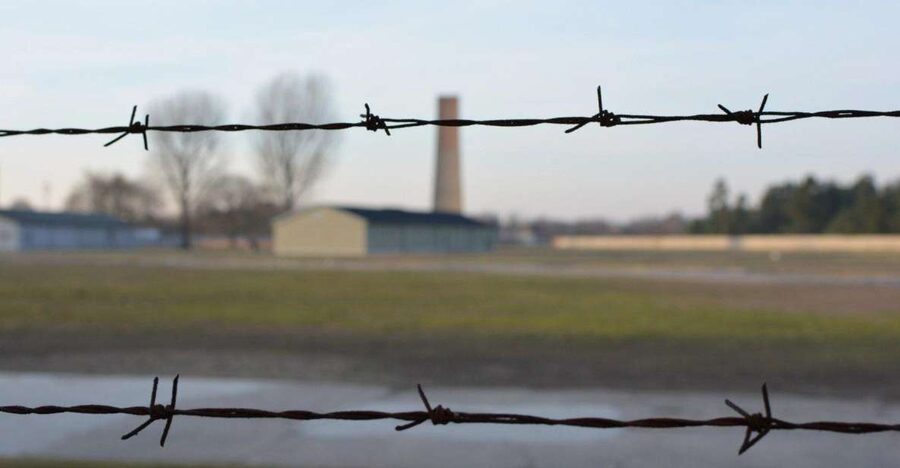
Reviewed · CONCENTRATION CAMP MEMORIALS
From Berlin: Guided Sachsenhausen Concentration Camp Tour
Sachsenhausen is not a quick museum stop. It is a full, sobering visit to a former Nazi concentration camp, with time to see the prison block, Station Z, infirmary, and barracks rather than simply walk past a memorial. The train ride from central Berlin also gives your guide time to explain how the Nazi dictatorship took shape and why camps became tools of terror.
I like the 3.5-hour guided tour on site, which gives difficult places the context they need, and I like the practical train journey from Brandenburg Gate, instead of leaving you to work out the route alone. The main drawback is the six-hour commitment, plus the need to buy your own ABC-zone transport ticket. This is serious historical education, not a light sightseeing outing.
Key points at a glance
- Station Z and the camp prison: Enter important areas that help explain how Sachsenhausen operated as a place of punishment, forced labor, and murder.
- A guide-led journey from Berlin: The history begins on the train, with an explanation of Hitler’s rise and the early use of concentration camps.
- Three and a half hours inside the memorial: The schedule allows a detailed visit rather than a rushed circuit.
- Guides such as Paul and Julian: Paul is particularly praised for clear explanations, careful pacing, and useful Berlin advice after the tour.
- About $40 per person: The fee covers the licensed guide, entrance, and full camp tour, but not the ABC transport ticket or refreshments.
- Best for adults and older teenagers: The activity is not suitable for children under 12, and comfortable shoes and weather-ready clothing are essential.
Why Sachsenhausen deserves a full half-day
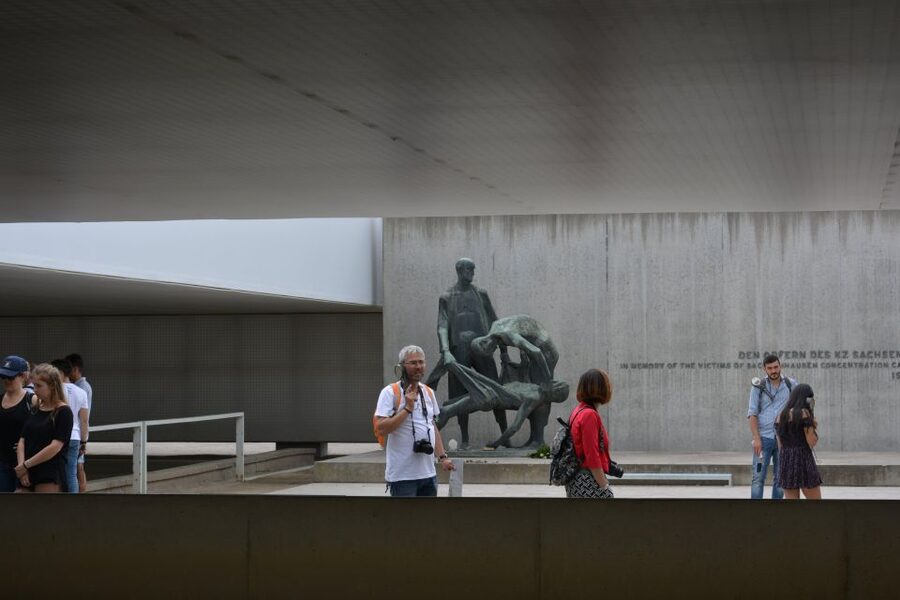
Sachsenhausen was the first purpose-built concentration camp within the Third Reich and one of the closest camps to Berlin. That location matters. From the capital, the camp was close enough to serve Nazi authorities as a model, administrative center, and place of terror.
This visit helps you understand that concentration camps did not begin as a fully formed system of mass murder. Your guide explains how the Nazi dictatorship took power and how early camps were used to silence political opponents. As the war continued, the camp’s prisoner population changed and conditions grew worse.
That development is one of the most important things you take away. Sachsenhausen was not frozen in one moment. Its role changed with Nazi policy, the war, and the growth of the concentration camp system. The guide’s job is to connect the buildings and open spaces with those wider changes.
I would not choose this outing if you want a short, easy look at Berlin’s past. I would choose it if you want time, explanation, and access to the main parts of a major memorial site.
More Concentration Camp Memorials in Berlin
- Berlin: Sachsenhausen Concentration Camp Tour in English
★ 5.0 · 5,711 reviews - Berlin: Sachsenhausen Concentration Camp Memorial Tour
★ 4.7 · 3,716 reviews - Sachsenhausen Concentration Camp Bus Tour in English from Berlin
★ 5.0 · 1,962 reviews
Meeting beside Brandenburg Gate
The tour begins outside Hopfingerbräu at Ebertstrasse 24, beside the Brandenburg Gate. This is a useful meeting point because it is central and easy to identify, but give yourself enough time to find the exact spot outside the restaurant rather than assuming the tour begins inside.
After a short introduction, you travel by train toward Oranienburg. The listed journey time is about 75 minutes. That may sound long, but it is not wasted time. The guide uses the route to set up the political story behind the camp.
You hear about Hitler’s path to dictatorship, the Nazi regime’s methods of control, and the first role of concentration camps in suppressing opponents. That background makes the later visit easier to follow. Without it, you could see the buildings but miss how Sachsenhausen fitted into a much larger system.
You need an ABC-zone public transport ticket for the journey, and it is not included in the tour price. Food and drinks are also your responsibility, so bring what you need for a long morning and afternoon. Large bags and luggage are not allowed, so pack lightly.
Arriving in Oranienburg and entering the memorial
Oranienburg is the town associated with Sachsenhausen Memorial. Once you reach the site, the guided portion lasts about three and a half hours.
That is a strong length for this kind of visit. You have enough time to move between the key buildings, listen to explanations, and pause with the material. At the same time, the subject is emotionally demanding, so the long schedule can feel heavy. Wear shoes you can comfortably walk in and clothing suited to the weather.
The memorial includes broad outdoor areas as well as preserved or reconstructed buildings. The scale helps you grasp how the camp was organized. Your guide explains how Sachsenhausen became a central point in the concentration camp system and how its importance went beyond its closeness to Berlin.
The tour is in English and led by a licensed guide. Paul received especially strong praise for being prompt, clear, and considerate while answering questions. He also gave useful, tailored suggestions for seeing Berlin after the tour. Julian is another guide named in the feedback, with clear explanations during the visit.
Guide assignments can change, so you should not book on the assumption that a particular person will lead your group. Still, the repeated praise for Paul tells you what to value: a guide who treats the subject carefully, answers questions directly, and does not turn the visit into a rushed list of facts.
Tower A and the main camp entrance
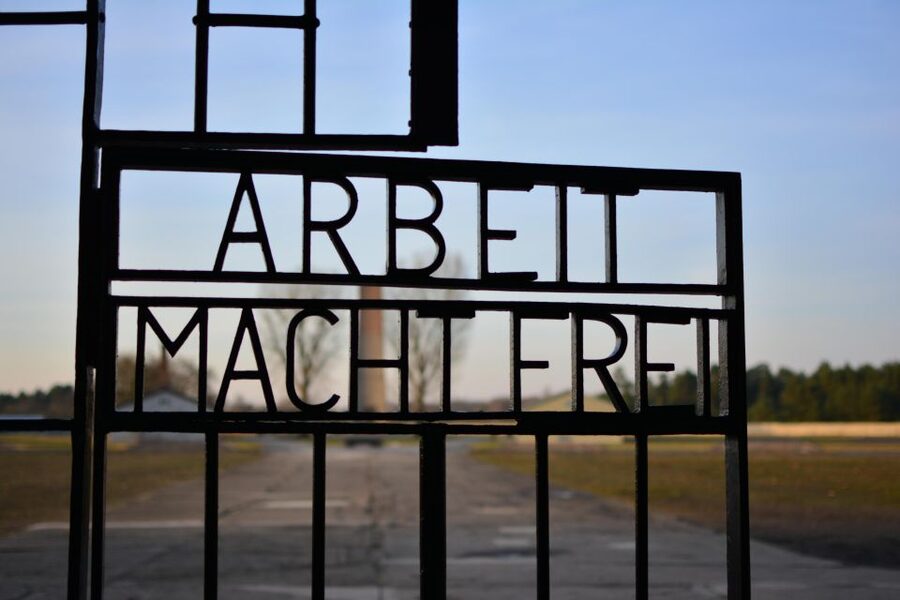
Tower A is the main entrance to the camp. Passing through it gives you an immediate sense of the controlled design of the site.
This is a useful starting point because the entrance was not just a doorway. It marked the boundary between the outside world and the camp’s strict internal order. From here, the guide can explain the layout and the systems used to control prisoners.
You should expect the mood to become serious quickly. The tour does not soften the subject, but it also does not rely on empty shock. The value lies in understanding how ordinary-looking administrative structures, gates, barracks, and work areas formed part of a machinery of persecution.
Same city, a completely different kind of day:
- Berlin: Reichstag, Dome and Government District Guided Tour
★ 4.7 · 18,288 reviews - Berlin: 1-Hour City Tour by Boat with Guaranteed Seating
★ 4.3 · 16,993 reviews - Berlin: Boat Tour Along the River Spree
★ 4.4 · 11,252 reviews - Discover Berlin Half-Day Walking Tour
★ 5.0 · 9,624 reviews
The SS and Gestapo Prison Block
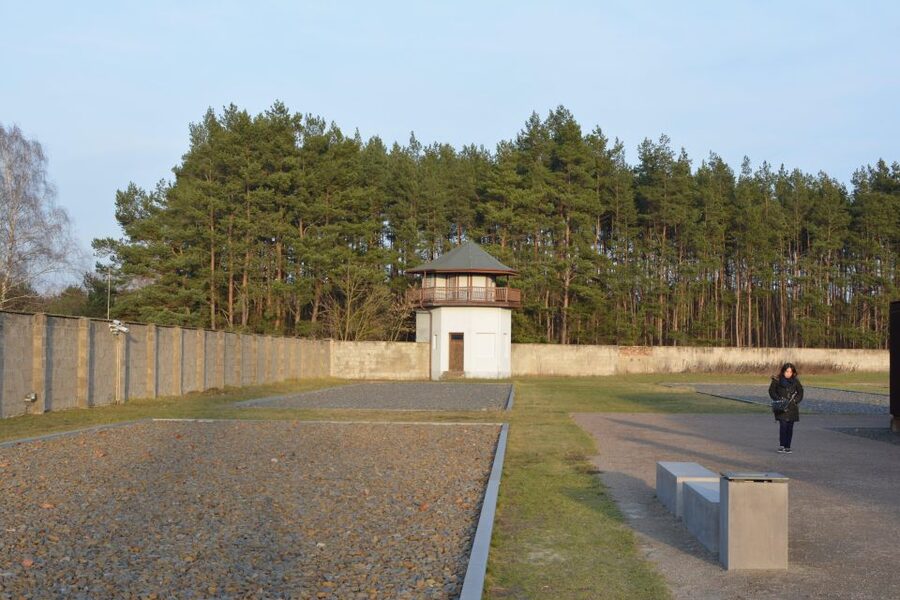
The SS and Gestapo Prison Block shows another side of the camp system: detention, interrogation, and punishment. It helps you see that Sachsenhausen was not only a place where prisoners lived in poor conditions. It was also a site where the Nazi authorities enforced political and social control.
Your guide explains the people held there and the role of the prison within the wider camp. The exact emphasis can depend on the guide and the group’s questions, but this stop adds a human and institutional layer to the visit.
I find guided interpretation especially useful here. A building can look bare or damaged without context. A careful explanation helps you connect the rooms to the people who were imprisoned and to the policies that put them there.
Infirmary, pathology building, and mortuary cellar
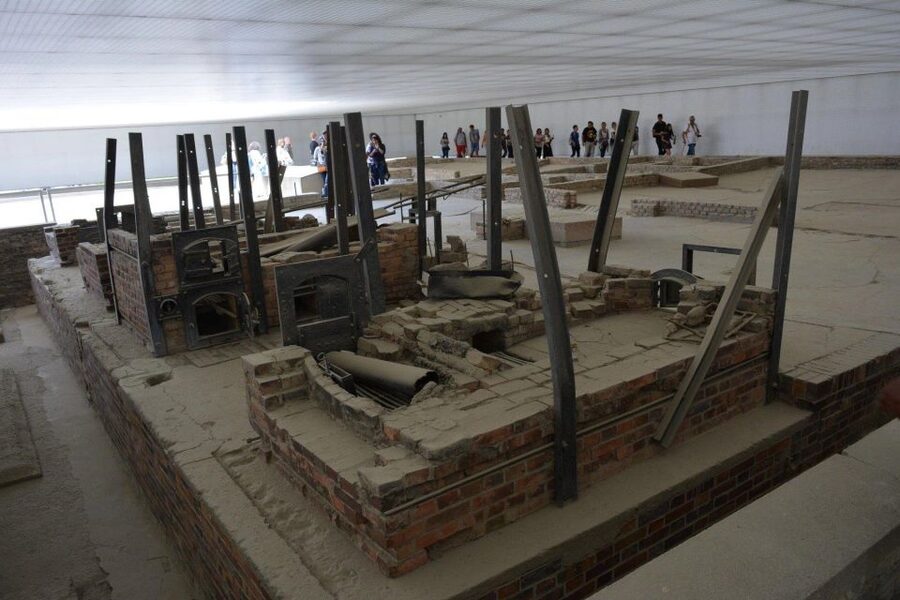
The infirmary building and the pathology building are among the more difficult parts of the tour. They show how the camp dealt with illness, death, and the physical consequences of its conditions.
The pathology building and mortuary cellar are not casual sightseeing stops. You should be ready for upsetting material and allow yourself to move at your own pace. The guide provides historical context rather than simply pointing out rooms.
This section also supports one of the tour’s larger lessons: worsening living conditions were not an accident of wartime shortages alone. The camp’s operation, prisoner treatment, and Nazi priorities created an environment where suffering and death became widespread.
Station Z, the purpose-built execution facility
Station Z is the purpose-built execution facility. It is one of the most important areas included in the visit, and also one of the hardest to face.
A guide is valuable here because the place needs precise explanation. You learn what Station Z was designed for and how it fitted into the camp’s system of killing. The visit does not reduce the site to a single grim fact. Instead, it helps you understand the relationship between the execution facility, the camp administration, and the wider Nazi program of terror.
Expect this stop to be emotionally intense. The tour is not designed to entertain, and that is appropriate. You may want quiet time afterward rather than another major attraction immediately.
The camp kitchen and barrack buildings
The Camp Kitchen and barrack buildings show the daily structure of camp life. These spaces can help you understand how prisoners were housed, fed, organized, and controlled.
The barracks are also useful for seeing the difference between a plan on paper and life inside the camp. Your guide discusses living conditions and how they deteriorated during the war. The change in prisoner demographics is another key part of the story.
That wider context matters. Sachsenhausen held different groups of prisoners over time, and the reasons for imprisonment changed as Nazi persecution expanded. A guided visit makes it easier to connect those changes to the buildings around you.
How the train journey affects the day
The return train journey takes about an hour, and the full outing lasts six hours. You return to the same meeting point at Ebertstrasse 24.
Public transport keeps the cost reasonable and makes this a straightforward day trip from central Berlin. The tradeoff is time. You are spending much of the day on a single site, and the outward journey is not especially fast.
I see that as a fair exchange for this destination. Sachsenhausen is outside central Berlin, and arranging the trip independently would require checking the correct route, buying the right ticket, and planning your way around a large memorial. Here, the guide stays with you for the key journey and explains the setting before you arrive.
You can remain in Oranienburg after the tour, according to the information provided for the experience, but anyone doing so must arrange their own return. If you stay with the group, the guide brings the rest of the party back to Berlin.
Is $40 a fair price?
At about $40 per person, the tour offers solid value if you want a guided visit. The price includes entrance to Sachsenhausen Memorial, a licensed English-speaking guide, and the full camp tour.
You still pay for the ABC-zone transport ticket, food, and drinks. That extra transport cost is easy to overlook, so include it when comparing this outing with other options.
The real value is the guide. Sachsenhausen covers a lot of ground and carries complex historical context. Paul’s clear explanations and willingness to answer questions show why a strong guide can make a practical difference. You are not simply paying for someone to lead you through a gate. You are paying for a historical framework that helps you understand what you see.
The rating of 4.4 from 35 reviews suggests a generally strong experience, though it is not a guarantee that every departure will feel identical. Guide quality, weather, group dynamics, and your own response to the subject all affect the day.
Who should book this tour?
I would recommend it to adults, students, history-minded visitors, and anyone who wants a serious look at Nazi Germany beyond central Berlin’s museums and memorials. It suits you especially well if you prefer asking questions and hearing a clear explanation as you walk.
It is not suitable for children under 12. Even for older children, parents should consider the subject matter carefully. The site includes execution facilities, prison spaces, medical buildings, and evidence of severe mistreatment.
You should also be comfortable with several hours of walking and outdoor exposure. Wheelchair access is listed, but comfortable shoes remain a good idea for everyone. Assistance dogs are allowed, while other pets are not.
This is not the best pick if you have only one day in Berlin and want to see many unrelated sights. It is a focused historical visit that asks for your time and attention.
Practical tips for a more meaningful visit
- Buy the required ABC-zone ticket before meeting the group so you are ready for the train.
- Meet outside Hopfingerbräu at Ebertstrasse 24, beside Brandenburg Gate.
- Wear comfortable shoes and weather-appropriate clothing.
- Bring water or a small snack, since food and drinks are not included.
- Avoid large bags and luggage, which are not allowed.
- Leave room in your schedule afterward. The material at Station Z, the prison, and the pathology buildings can stay with you.
- If you want city advice after the tour, ask your guide. Paul has been especially helpful with personal Berlin suggestions, not just a standard list of attractions.
The tour offers free cancellation up to 24 hours before departure and allows you to reserve now and pay later. Starting times vary, so check availability before planning the rest of your day.
Should you book the Sachsenhausen tour?
Book it if you want a guided, serious, and well-paced visit to one of the most important Nazi concentration camp memorials near Berlin. The combination of a licensed guide, full entrance, train travel from the center, and access to Station Z, the prison block, infirmary, kitchen, pathology building, and barracks makes the $40 price reasonable, even after adding the transport ticket.
I would be less likely to choose it for young children, a very tight Berlin schedule, or anyone looking for a light excursion. For everyone else, this is a useful way to understand how Nazi terror developed and how Sachsenhausen operated within that system. Go prepared, listen closely, and give yourself quiet time afterward.
FAQ
How long does the Sachsenhausen tour take?
The full activity lasts six hours. The journey from Berlin to the memorial takes about 75 minutes, the guided visit lasts about three and a half hours, and the return train journey takes about one hour.
Where is the meeting point in Berlin?
Meet outside Hopfingerbräu at Ebertstrasse 24, 10117 Berlin, beside the Brandenburg Gate.
Is the train ticket included?
No. You need to buy a public transport ticket covering the ABC zones. Food and drinks are also not included.
Which parts of Sachsenhausen are included?
The tour includes Tower A, the SS and Gestapo Prison Block, the infirmary building, Station Z, the Camp Kitchen, the pathology building and mortuary cellar, and the barrack buildings.
What language is the tour?
The tour is conducted in English with a live guide. Guides named in the available information include Paul and Julian, though a specific guide is not guaranteed.
Is the tour suitable for children and wheelchair users?
Children under 12 are not permitted for this activity. The tour is listed as wheelchair accessible. Assistance dogs are allowed, but other pets and large bags are not.
Just added in Berlin
- Berlin & The Third Reich Private Guided Tour★ 5.0 · 3 reviews
- Private Analogue Photography Experience in Berlin★ 5.0 · 3 reviews
- Third Reich Quest Experience in Berlin★ 4.5 · 7 reviews
- Berlin Urbex Adventure and History Tour★ 5.0 · 9 reviews
- The Beauty of Berlin by Bike: Private Tour★ 5.0 · 59 reviews
- Berlin: Guided Bike tour of the Berlin Wall and Third Reich★ 5.0 · 160 reviews
- Beyond Currywurst: Berlin’s Hidden Street Food & Culture Tour★ 5.0 · 100 reviews
- Berlin Third Reich & Cold War Walking Tour With A Guide★ 5.0 · 7 reviews
Concentration Camp Memorials, compared.
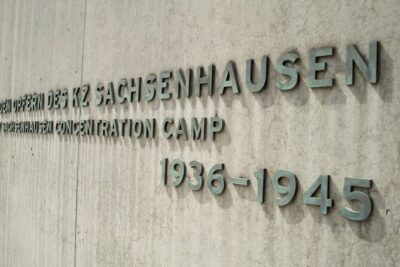
Sachsenhausen Concentration Camp Tour in English
Read our review →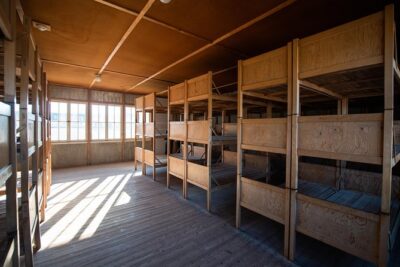
Dachau Concentration Camp Memorial Site Tour from Munich by Train
Read our review →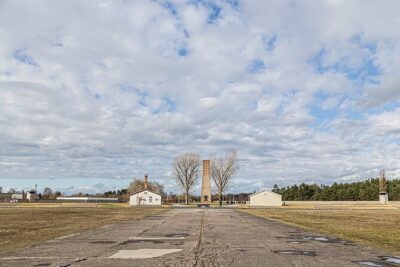
Sachsenhausen Concentration Camp Memorial Tour
Read our review →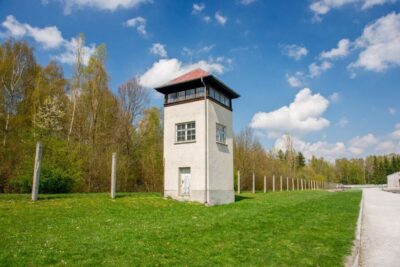
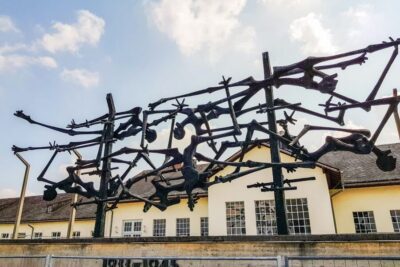
From Munich: Dachau Memorial Site Half-Day Trip
Read our review →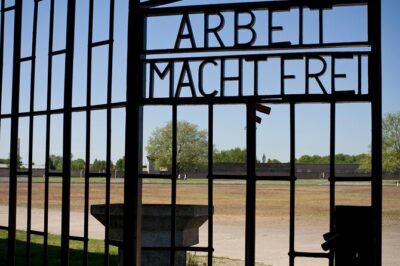
Sachsenhausen Concentration Camp Bus Tour in English from Berlin
Read our review →Sachsenhausen Concentration Camp Tour in English
Read our review →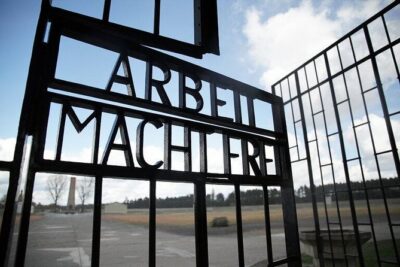
Sachsenhausen Concentration Camp Memorial Tour (Max. 15 Guests)
Read our review →Browse the lists this tour appears in