
Reviewed · WALKING TOURS
Bonn: Private Guided Walking Tour
Bonn’s story is unusually broad for a compact walking tour. In 90 minutes, you move from Roman foundations and medieval power to the city’s years as West Germany’s capital, with Beethoven’s childhood home tying the whole route together. The tour also brings in darker subjects, including witch burnings during the Black Death.
I like the private format, which lets your guide adjust the pace and answer questions without a large group slowing things down. I also like the mix of major sights and human stories, from Beethoven’s compositions to two coronations at Bonn Minster. The main consideration is time: 90 minutes gives you a strong introduction, but not a leisurely visit inside every landmark, and entrance fees are not included.
Key points at a glance
- Beethoven at the center: See his birthplace and house, plus the Beethoven Monument, while learning about his life and music.
- A Roman-to-modern timeline: The guide links Bonn’s Roman origins with its centuries under the Electors and its later role as Germany’s former capital.
- Private group of up to 15: Your party stays together with a guide focused only on your interests and questions.
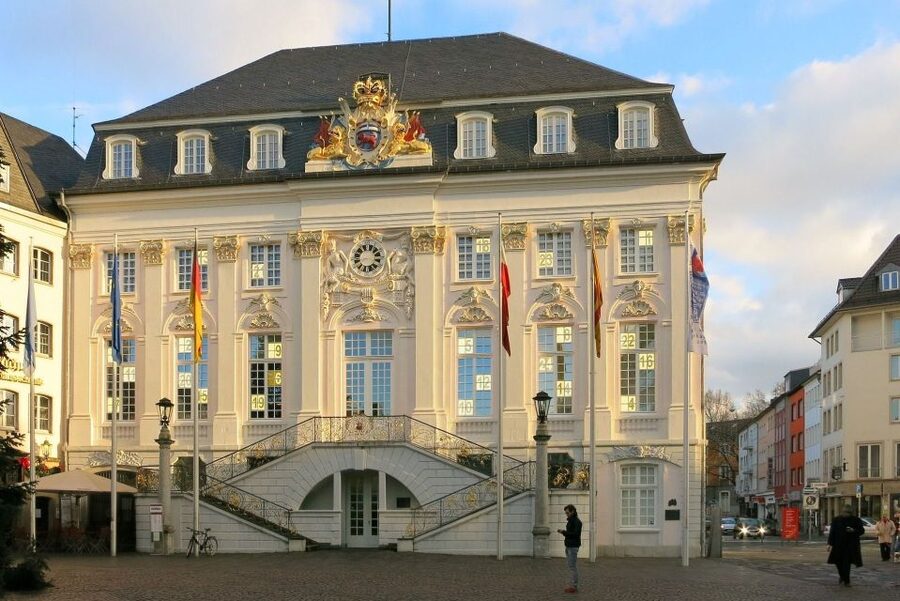
- Major landmarks in one route: The itinerary includes Bonn Minster, the Electoral Palace, the Old Town Hall, and other central sights.
- A flexible pace: A family group ranging from ages 7 to 80 was accommodated successfully, including different walking speeds and time needed for children.
- Good planning value: The $276 group price works out to $18.40 per person for a full group of 15, though smaller parties pay more per head.
Starting in Bonn’s Old Town
You meet your guide in front of the tourist office, a practical central point for beginning a city walk. From there, the route heads into Bonn’s Old Town and connects the main sights on foot.
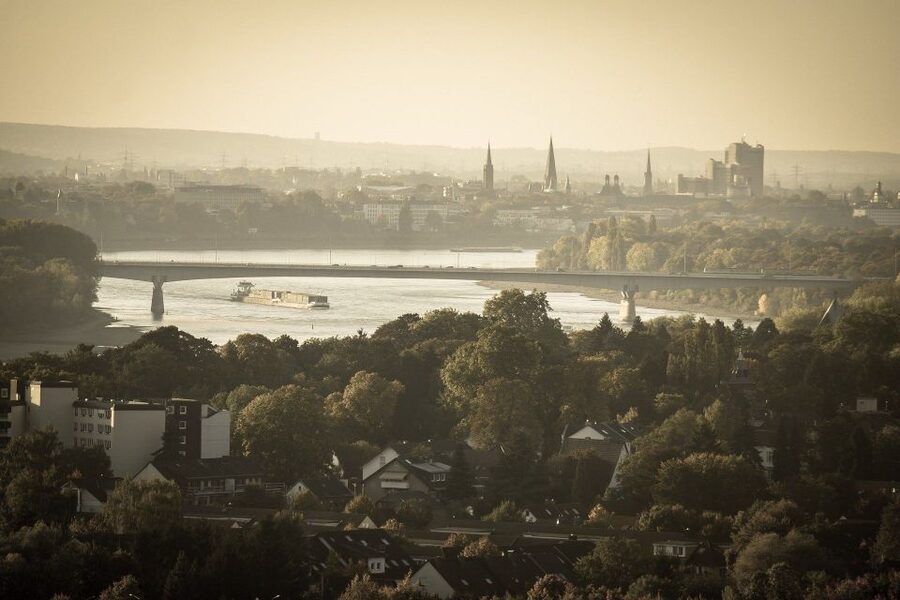
Bonn is divided by the Rhine, but this experience focuses on the historic central area rather than trying to cover the entire city. That is a sensible choice for a 90-minute tour. You spend your time among the buildings and monuments that explain Bonn’s political, religious, and musical past instead of losing part of the visit to transport.
The private setup matters here. A guide leading only your party can respond to your interests, spend longer on Beethoven if your group is musical, or give more historical context if you are curious about the Electors and the city’s religious past.
The activity is offered in English or German. No guide name is supplied in the booking details, so you should not expect to request a particular person. What you can request, in practical terms, is a private group and a language that suits your party.
More Walking Tours in Cologne
- Bonn: Private City Highlights Walking Tour
★ 4.9 · 35 reviews - Bonn : Private Walking Tour With A Guide ( Private Tour )
★ 4.5 · 9 reviews - Cologne: The Night Watchman Old Town Walking Tour in German
★ 4.6 · 1,395 reviews
The Electoral Palace and the power of the Electors
One of the first major sights is the Electoral Palace, an imposing reminder that Bonn was once a seat of political and religious power. The tour explains the monuments connected with the Electors, the rulers who shaped Bonn before the modern German state existed.
This stop gives the walk a useful frame. Bonn is easy to think of mainly as Beethoven’s city or the former capital of West Germany. The Electoral Palace shows that its importance began much earlier. Your guide can place the city’s architecture in the era when the Electors governed from here and explain why grand public buildings appeared in the historic center.
You will see the palace from the outside as part of the walking route. The supplied details do not promise an interior visit, so you should treat this as an architectural and historical stop rather than a palace tour.
I like this part of the experience because it turns a pretty building into a political clue. You are not simply collecting photographs. You are learning why Bonn developed the way it did and how the Electors left their mark on the city.
Bonn Minster and two coronations
Bonn Minster is another central highlight. The church has almost 800 years of history, and the guide explains two coronations that took place there.
That detail gives the church unusual weight. It was not only a place of worship, but also a setting for ceremonies tied to power and authority. You can expect the guide to discuss its long past as you view the building and hear how it fits into Bonn’s wider story.
The tour data does not say that an interior visit is included. Entrance fees are excluded, so any paid admission would be your responsibility. Since the route lasts only 90 minutes, the focus is likely on the exterior, the church’s history, and the surrounding city rather than a long architectural inspection inside.
If Bonn Minster is a priority for you, ask the guide at the start how much time can be spent there. The private format makes that question useful. Your group may be able to linger briefly, but the tour also has Beethoven, the palace, the Old Town Hall, and other stops to cover.
Beethoven’s Bonn: birthplace, house, and monument
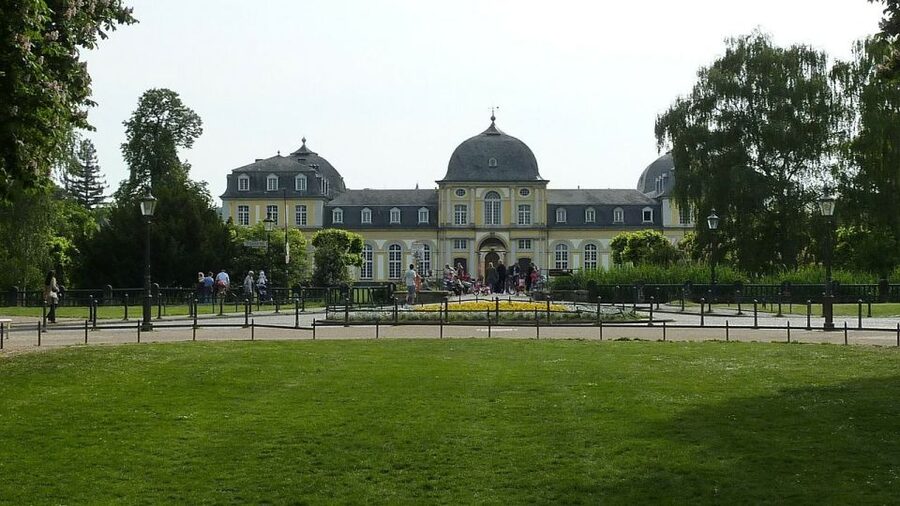
Beethoven gives the tour its most personal thread. Bonn was Ludwig van Beethoven’s hometown, and the walk passes his birthplace and house as well as the Beethoven Monument.
You will learn about his life and compositions, not just see a plaque or statue. That makes the stop worthwhile even if you do not know much about classical music. The guide can connect the places in Bonn with the person Beethoven became, giving you a clearer sense of the city’s role in his early life.
Keep in mind that passing Beethoven’s birthplace and house is not the same as visiting a museum collection. Entrance fees are not included, and the experience is described as a walking tour, not an admission-based tour of Beethoven House. If you want to explore the interiors or displays, plan that separately and confirm opening details before booking your day around it.
Still, the outside stops are useful. A birthplace, a house, and a monument create three different ways to think about Beethoven: the local child, the historical figure, and the composer remembered by the city. I find that more satisfying than a single rushed photo stop.
The Beethoven focus also makes this a good choice for mixed groups. A serious music fan can ask about compositions and early life, while someone with only a passing interest can still follow the story through the buildings and monuments.
More Walking Tours in Bonn:
- Discover Berlin Half-Day Walking Tour
★ 5.0 · 9,624 reviews - Berlin: Third Reich and Cold War 2 Hour Walking Tour
★ 4.9 · 6,830 reviews - Munich: Third Reich & WWII Walking Tour
★ 4.6 · 6,181 reviews - Berlin: Discover Berlin Walking Tour
★ 4.9 · 5,998 reviews
Roman beginnings and Bonn’s long timeline
The tour reaches back to Bonn’s founding in Roman times. That early chapter helps prevent the city from seeming like a place whose story begins with Beethoven or the twentieth century.
A guide can make a long timeline easier to follow by showing how each period left a different mark. Roman origins lead into medieval religious history, the era of the Electors, the age of Beethoven, and Bonn’s later place in modern Germany.
This approach is one of the strongest reasons to choose a private guide rather than walk from one sight to another with only a map. The buildings are easier to remember when you understand the links between them. The walk is not just a list of dates. It is a way to see Bonn as a city that changed roles several times.
The guide also discusses Bonn as Germany’s former capital. That modern chapter may appeal especially to anyone interested in twentieth-century German politics. The supplied details do not promise a full political tour, so expect this to be one part of the wider story rather than the sole subject.
Black Death stories and the darker side of Bonn
The itinerary includes witch burnings during the times of the Black Death. This is a darker subject than Beethoven’s music or the grand buildings, but it gives the tour some needed balance.
Historic city walks can become too polished when they focus only on rulers, composers, and handsome architecture. Stories of fear, accusation, and punishment show how ordinary people could be affected by disease and crisis. The guide’s treatment of this topic may be especially useful if you want more than a pleasant stroll through central Bonn.
Because the tour covers many centuries in a short period, this subject will be part of a wider narrative rather than an extended specialist lecture. If you have a strong interest in medieval justice or witch trials, ask follow-up questions during the walk. A private guide can usually shape the conversation more easily than a large scheduled group, though the available information does not guarantee how much extra time can be devoted to any one topic.
Views toward the Sieben Mountains
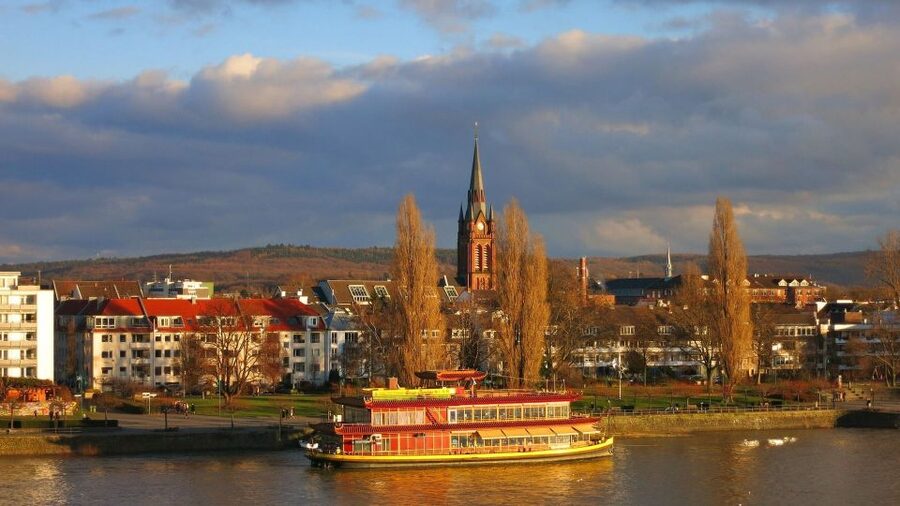
The route also offers views of the Sieben Mountains in the distance. These hills add a wider sense of place to the city walk and remind you that Bonn is not only a collection of historic façades.
The view is a pleasant visual pause among the churches, palaces, and monuments. The exact viewing point is not specified, so do not book this as a dedicated scenic outing. Think of it as an added perspective during the central walking route.
I like the inclusion because good city tours occasionally need to look outward. The Rhine and the distant hills help explain Bonn’s setting, while the Old Town sights explain its history.
Why the private format matters
The tour costs $276 per group of up to 15 people. That price requires a little arithmetic. With 15 people, it comes to $18.40 per person. With four people, it is $69 per person, so the value changes sharply with group size.
For a large family, friends’ trip, or organized group, the private rate can be attractive. You get 90 minutes with a guide reserved for your party, rather than paying separate individual rates. For one or two people, the total price is harder to justify unless you place a high value on privacy and direct questions.
The strongest evidence for the private format is the way the guide can adapt. One group of eight included people aged 7 to 80, and the guide adjusted the walking speed for older members while allowing younger children time to move and pause. That is exactly the sort of situation in which a private walk earns its price.
Another group received a tour adjusted to its interests despite the noise of Bonnfest. That is useful practical information. If a festival or city event is taking place, the central streets may be louder and more crowded, but a flexible guide can help keep the tour moving and maintain the explanation.
The tour has an overall rating of 4.3 from 15 reviews, with especially strong praise for the guides’ friendly manner, clear explanations, patience, and ability to adapt. One comment describes a guide who presented a lot of background information in a lively way. Another calls the experience personal and enjoyable. The lower overall score compared with a perfect rating suggests you should keep expectations realistic: the quality of a walking tour depends on the assigned guide, the group’s interests, and conditions in the city that day.
Who will get the most from this walk?
I would choose this tour if you want a quick historical orientation before exploring Bonn on your own. It gives you names, buildings, and stories that can make the rest of your visit easier to understand.
It suits families particularly well because the guide can adjust the pace and explain different subjects to different ages. The reported age range of 7 to 80 is a useful sign, though every group is different. You should still tell the guide if anyone needs a slower pace or frequent pauses.
Music lovers will appreciate the Beethoven thread, especially if they want more context than a museum label provides. History-minded visitors will value the Roman beginnings, the Electors, the coronations, and the difficult stories connected with the Black Death.
I would be more cautious if your main goal is to enter Bonn’s museums or spend a long time inside Bonn Minster. The tour includes no entrance fees, and the details promise views and explanations rather than admission to attractions. You may need to plan a separate visit afterward.
The 90-minute length works well for a first look, but it is not enough for a full survey of Bonn. You will get the city’s main historical outline, not every neighborhood or every chapter.
Booking, timing, and practical details
You can cancel up to 24 hours before the tour for a full refund, which gives you some protection if your plans change. You can also reserve now and pay later, a useful option when you are still arranging a Germany itinerary.
Starting times vary, so check availability for your date. The meeting point is in front of the tourist office. Since the tour is entirely on foot, wear comfortable shoes and allow enough time to reach the meeting point.
The guide speaks German or English. The private group can include up to 15 people. The price covers the walking tour and guide, but not entrance fees.
You may want to ask two simple questions before setting out: how much time the route will spend on Beethoven, and whether your group can pause at Bonn Minster or the Electoral Palace. Those questions help align the 90-minute schedule with your priorities.
Should you book Bonn’s private walking tour?
Book it if you want a focused introduction to Bonn with a guide who can adjust the pace, explain Beethoven in context, and connect the city’s Roman, religious, political, and modern chapters. It is especially appealing for families and groups large enough to spread the $276 cost.
Skip it if you mainly want museum entry, a detailed Beethoven House visit, or a long independent look at each landmark. In that case, use the walk as an orientation only, then budget extra time and admission costs for the interiors.
For most first-time visitors with a group of several people, this is a sensible way to get your bearings fast. Its best feature is not simply the number of sights. It is the chance to ask questions and shape the walk around your party, while seeing the Bonn places that matter most.
FAQ
How long is the Bonn private walking tour?
The tour lasts 90 minutes.
Where do I meet the guide?
You meet the guide in front of the tourist office.
What languages are available?
The tour is available in English and German.
Is this a private tour?
Yes. It is a private group experience for your party.
How many people can join?
The price covers a group of up to 15 people.
What does the tour include?
It includes a private walking tour and a guide.
Are entrance fees included?
No. Entrance fees are not included.
What sights are covered?
The route includes Beethoven’s birthplace and house, the Beethoven Monument, Bonn Minster, the Electoral Palace, the Old Town Hall, and other central sights.
Does the tour cover Beethoven’s life and music?
Yes. The guide discusses Beethoven’s life, compositions, and connection to Bonn.
Can I cancel for a full refund?
Yes. You can cancel up to 24 hours in advance for a full refund.
Can I reserve now and pay later?
Yes. The activity allows you to reserve now and pay later.
Just added in Bonn
- Panorama tour between Bonn and Königswinter★ 4.7 · 63 reviews
- RhineRiverBoatTour from Bonn to Königswinter with Live Guide★ 4.3 · 13 reviews
- Bonn: Sunset Boat Tour on the Rhine★ 4.7 · 11 reviews
- Bonn Regio WelcomeCard with Guidebook★ 4.3 · 15 reviews
- Bonn: Sunday Brunch Buffet with Cologne live music★ 5.0 · 5 reviews
- Bonn : Private Walking Tour With A Guide ( Private Tour )★ 4.5 · 9 reviews
- Bonn: Former Government District Private Tour★ 5.0 · 127 reviews
- Bonn: Private City Highlights Walking Tour★ 4.9 · 35 reviews
Walking Tours, compared.


Berlin’s Best: 2 Hour Walking Tour Third Reich and the Cold War
Read our review →
Third Reich Berlin: Hitler and WWII Walking Tour
Read our review →Browse the lists this tour appears in