
Reviewed · CONCENTRATION CAMP MEMORIALS
Berlin: Sachsenhausen Memorial 6-Hour Tour in Spanish
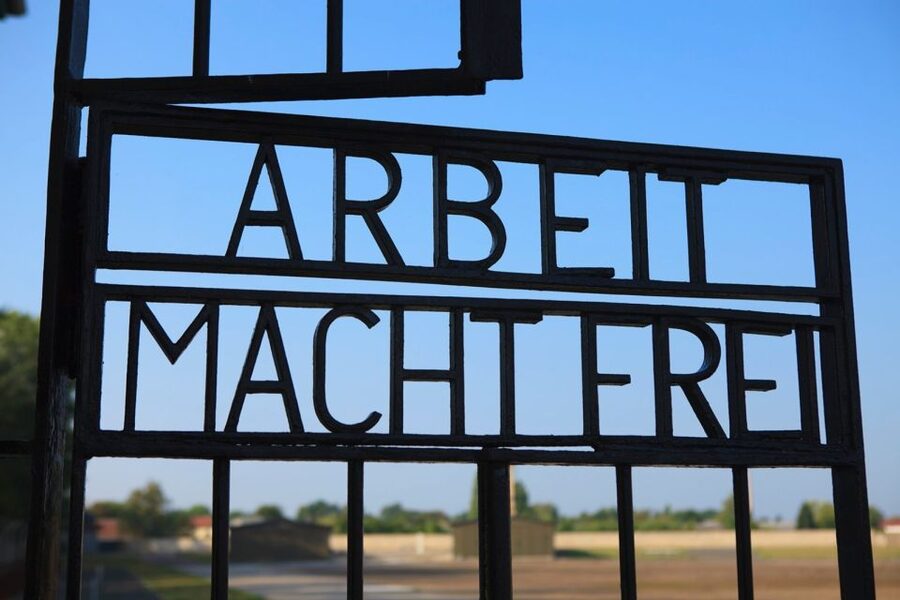
Sachsenhausen is not a casual day out. It is a place where Station Z and the roll-call ground force you to face the machinery of Nazi persecution, followed by the Soviet use of the same site after 1945. The Spanish-speaking guide helps connect the buildings, documents, and survivor accounts into a story you can follow.
I like two things here. First, the tour covers both the Nazi camp and the later Soviet gulag, so you get a fuller picture than a visit focused on one period. Second, the 50-minute train ride from Berlin is arranged as part of a six-hour visit, with a guide explaining the site in Spanish. The drawback is simple: Sachsenhausen is exposed, emotionally heavy, and often cold or windy, and you need to buy your own ABC transport ticket.
Key points to know
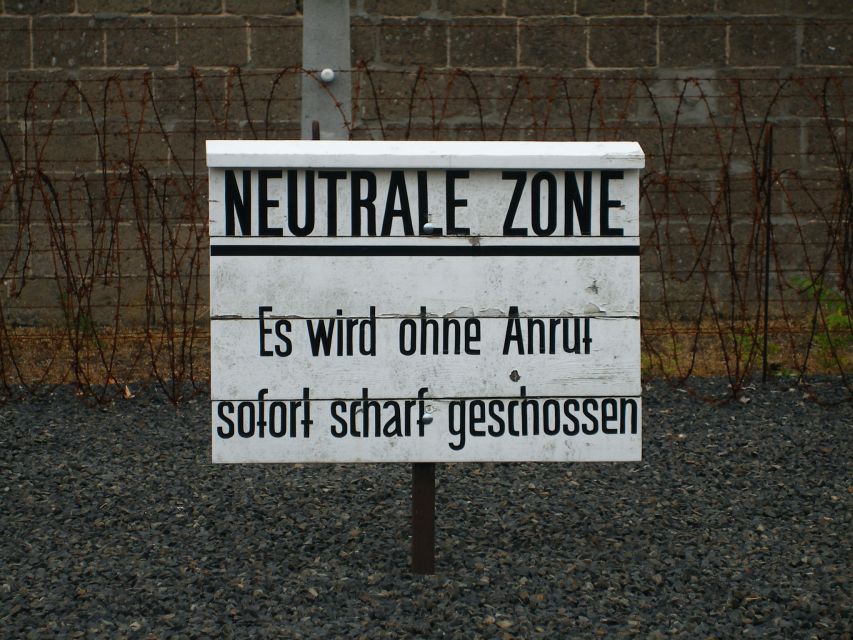
- Station Z was built in 1942 for the planned killing of prisoners.
- The A Tower marks the entrance and the roll-call area of the camp.
- Spanish-speaking guides such as Héctor and Helena have received especially warm praise for clear, direct storytelling.
- The site covers two dictatorships, Nazi Germany and the Soviet period that followed.
- A six-hour schedule includes the journey from Alexanderplatz and a full visit to the memorial.
- Bring food, water, and warm clothing, since there is no shop at Sachsenhausen.
Why Sachsenhausen is such a serious Berlin day trip
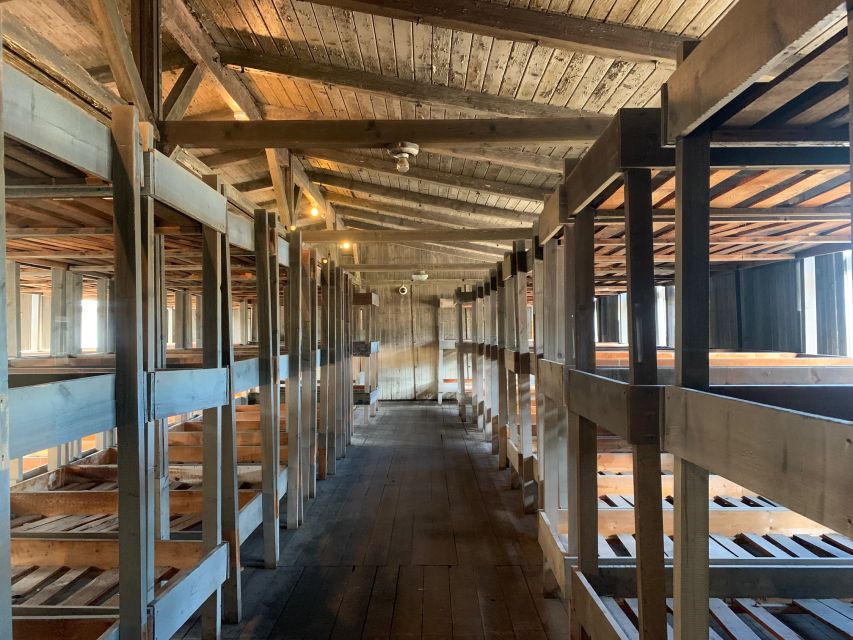
Sachsenhausen was built close to Berlin, not in some remote corner of Germany. The Nazi government intended it to be a model concentration camp and used it as an administrative center for the wider camp system. More than 200,000 people passed through Sachsenhausen, and at least 50,000 died.
That location matters. You are not visiting an isolated site with no connection to the capital. You are seeing a place tied directly to the administration of Nazi terror. The camp was designed, managed, and used as part of a wider system that reached across Europe.
After the fall of Hitler, the Soviets turned Sachsenhausen into a prison camp for their own detainees. The memorial therefore presents two separate but connected chapters. The Nazi period is the main focus, but the Soviet use of the grounds adds another layer that many visitors may not expect.
I value that wider view. It does not flatten the two systems into one story. Instead, it lets you understand how the same place was reused under a different dictatorship, with its own prisoners and purpose.
More Concentration Camp Memorials in Berlin
- Berlin: Sachsenhausen Concentration Camp Tour in English
★ 5.0 · 5,711 reviews - Berlin: Sachsenhausen Concentration Camp Memorial Tour
★ 4.7 · 3,716 reviews - Sachsenhausen Concentration Camp Bus Tour in English from Berlin
★ 5.0 · 1,962 reviews
Meeting at Alexanderplatz and taking the train north
Your meeting point is beside the only entrance to the Fernsehturm, the television tower at Alexanderplatz. Look for a green flag marked tours en español, next to Espresso House and between the tower and the Alexanderplatz train station.
This is a busy part of Berlin, so arrive with enough time to identify the exact meeting point. The green flag is the useful detail. Do not simply wait somewhere under the tower and hope the group finds you.
The train ride to the northern outskirts of Berlin takes about 50 minutes. Your public transport ticket is not included, and you need a ticket covering zones ABC. That extra cost is worth planning before you arrive, since the tour price of $41 per person does not cover it.
The ride gives the guide a useful stretch of time to explain the setting and the basic history before you reach the memorial. It also means this is not a quick two-hour outing. With six hours set aside, you have time for the transport, the guided visit, and a more measured look at the exhibits.
Entering through the A Tower
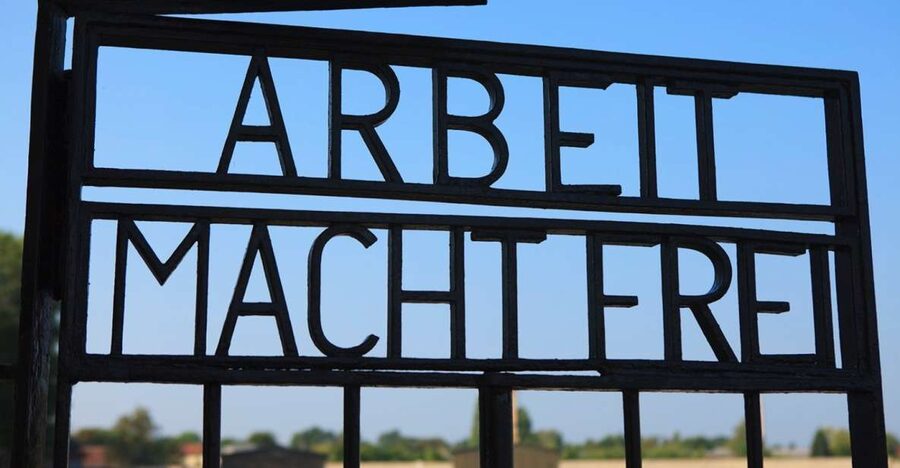
The A Tower is one of the first major points on the tour. It marked the entrance to the camp and the roll-call area, where prisoners were assembled and counted.
Roll call was not a minor administrative task. It was part of the camp routine and a tool of control. The guide uses this area to explain how the camp operated, what prisoners were expected to do, and how the system organized daily life.
This is where a Spanish-language guide can make a real difference. The site contains signs, documents, and exhibitions, but you do not want to spend the visit translating every detail. A guide can explain the setting in plain Spanish and point out why particular spaces mattered.
The best use of your time is to listen first, then look closely at the remains and displays. Sachsenhausen is not a place where every detail announces itself. The meaning of an open area, a building foundation, or an entrance often comes from the explanation attached to it.
Station Z and the mechanics of murder
Station Z is the hardest stop on the route. It was added in 1942 with the purpose of killing prisoners quickly and clinically. The name itself has a grim logic, linked to the final letter of the alphabet after the camp entrance was known as Station A.
I do not expect this part of the tour to feel comfortable. That is not a flaw. The value of a guided visit here is that the guide can explain what happened without turning the place into spectacle.
The site is particularly sobering because the killing process was designed as part of an organized system. You are not only learning that people were murdered. You are learning how the camp authorities created spaces, procedures, and routines for mass killing.
Give yourself room to process this stop. You may want to listen quietly rather than take photographs or rush toward the next display. The tour includes many facts, but the physical remains make the history immediate in a way that a book or city museum cannot.
Same city, a completely different kind of day:
- Berlin: Reichstag, Dome and Government District Guided Tour
★ 4.7 · 18,288 reviews - Berlin: 1-Hour City Tour by Boat with Guaranteed Seating
★ 4.3 · 16,993 reviews - Berlin: Boat Tour Along the River Spree
★ 4.4 · 11,252 reviews - Discover Berlin Half-Day Walking Tour
★ 5.0 · 9,624 reviews
Prisoner life, labor, and personal evidence
The tour also looks at how prisoners lived and what work they performed. This keeps the visit from focusing only on the final stage of the camp system. You learn about the structure that held people there, the work imposed on them, and the conditions that shaped daily life.
Personal accounts from survivors add human scale. Photographs and official documents provide another kind of evidence. Together, these materials help you move from large numbers to individual lives.
That combination is one of the strongest reasons to choose a guided visit. A number such as 200,000 prisoners is important, but it can be hard to grasp. A survivor account or personal photograph gives the figure a face and a voice.
The guide’s role is also to explain what you are seeing without softening it. Héctor has been praised for speaking directly and without avoiding difficult details. Helena has also received warm praise. Guide assignments can change, but the tour is designed for Spanish-language instruction.
The museum and the National Memorial
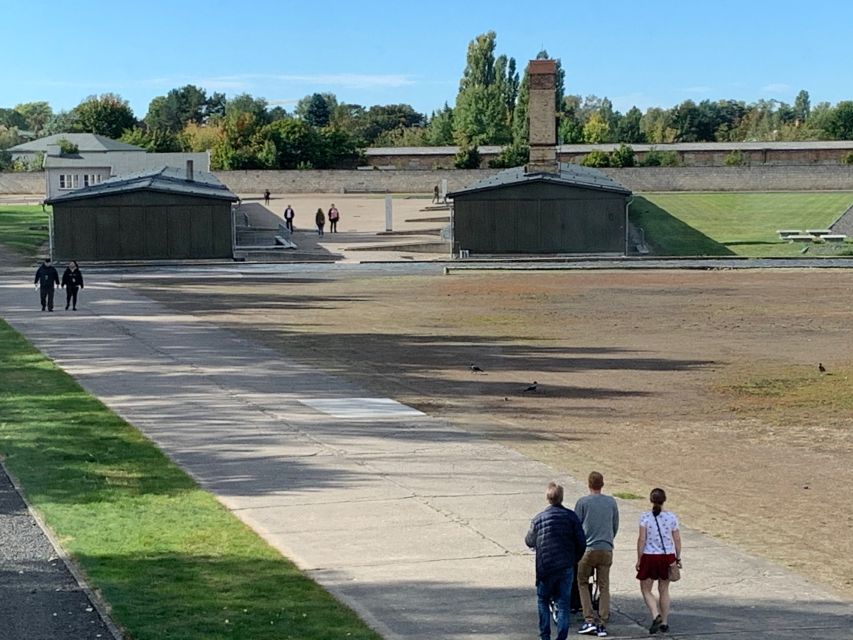
Sachsenhausen includes a museum and several exhibits. These indoor sections are important because they supply context that the outdoor grounds cannot provide on their own.
You can expect documents, photographs, and information about the camp’s origins, administration, prisoners, and later use. The exhibits help connect the physical site to the wider Nazi concentration camp network, which Sachsenhausen helped administer.
The National Memorial Sachsenhausen preserves the grounds for education and remembrance. It is not presented as an attraction in the usual sense. The purpose is to keep the site available for study and to honor those who were killed.
That distinction affects how you should plan your visit. You will not find a shop at Sachsenhausen, and you should not expect entertainment, cafés, or a light sightseeing mood. Bring snacks and drinks, especially because six hours is a long stretch and the visit includes time outdoors.
The Soviet camp and the GDR memorial
One of the more unusual parts of this visit is the attention given to the Soviet period. After 1945, the Soviets used Sachsenhausen as a prison camp for their own detainees.
This second chapter can easily be missed if you think of Sachsenhausen only as a Nazi concentration camp. The tour explains how the site changed after the war and why the memorial also includes a GDR-era interpretation.
The GDR memorial reflects how East Germany presented and remembered the site. That gives you another historical question to consider: memorials do not only preserve the past, they also show how later governments chose to frame it.
The two periods should not be treated as interchangeable. The guide’s job is to help you understand their different purposes and contexts. For you, the benefit is a visit that reaches beyond a single date range and shows how this location continued to be used after the Nazi regime ended.
What the six-hour schedule feels like
Six hours sounds long, but the journey from Alexanderplatz takes about 50 minutes each way. The rest of the day is devoted to the memorial, its exhibits, explanations, and walking between the different parts of the site.
You should expect a serious pace rather than a rushed checklist. There are several important areas to cover, including the A Tower, Station Z, the museum, the National Memorial, and the GDR memorial.
The emotional pace also matters. You may want time between the most difficult sections. A guide can explain the facts, but you still need to absorb them. This is not the sort of outing where you race through each stop to maximize photographs.
Wear clothing suited to the weather. A December visit can be bitterly cold and windy, and the exposed grounds offer little comfort when the weather turns. Even in milder months, take a jacket and comfortable shoes. Bring water and a snack because there is no shop at the memorial.
How good is the Spanish guidance?
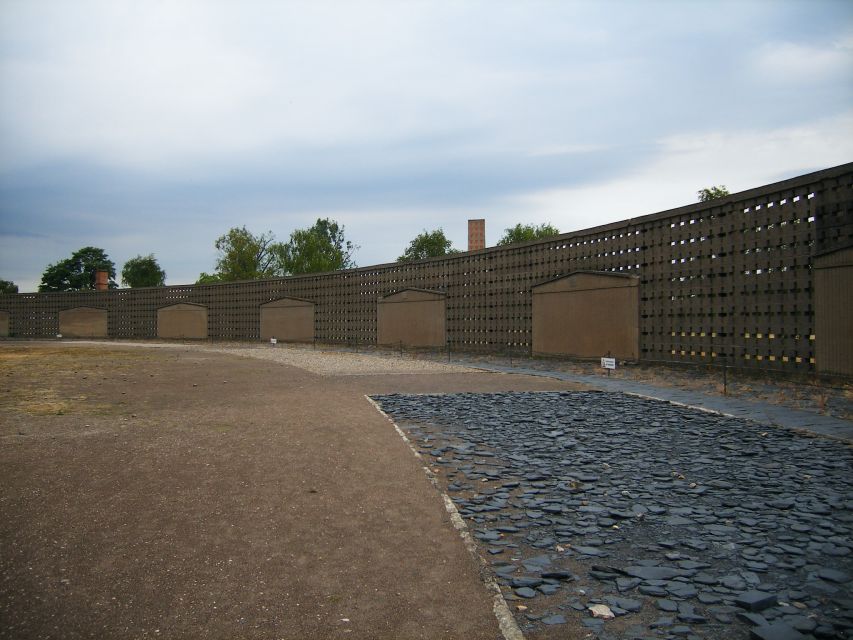
For Spanish speakers, this tour’s main advantage is clarity. You can hear explanations of the camp’s legal structure, administration, prisoner life, and killing facilities in your own language.
That is more than a convenience. The history involves political terms, bureaucratic systems, and distinctions between Nazi and Soviet detention. Missing a few sentences can change your understanding of an entire section.
The strongest guide feedback has focused on historical command and a direct speaking style. Héctor has been singled out as especially effective, while Helena has also drawn praise. You should not book on the assumption that one named guide will lead every departure, but the Spanish-language format is the fixed feature.
If you are comfortable reading German or English, you could visit independently. Still, the guided option gives you a clear route and someone who can connect the separate buildings and memorials. For a first visit, that structure is useful.
Is $41 a fair price?
At $41 per person, the tour is reasonably priced for a six-hour guided outing from central Berlin. The price includes the full Sachsenhausen tour in Spanish and the €3 concentration camp foundation surcharge.
You must add the ABC public transport ticket. That makes the real cost higher than the advertised price, but the tour still offers solid value if you want a guide and do not want to plan the route and historical sequence yourself.
The value is not in luxury. This is a basic, serious educational visit. You are paying for transport coordination, a Spanish-speaking guide, and access to a structured explanation of a complex memorial site.
If you are comparing it with a short city walking tour, the price may feel high. If you compare it with the time and effort needed to reach Sachsenhausen independently, the guided option makes more sense. The biggest benefit is having the Nazi and Soviet histories explained together rather than pieced together from scattered displays.
Who should book this Sachsenhausen tour?
I recommend it most for Spanish-speaking adults, students, and anyone making a first visit to Sachsenhausen. It suits you if you want historical context, personal accounts, and a guide who can discuss difficult subjects plainly.
It is also a good choice if you are staying in Berlin and want a focused day outside the center. The train journey is simple in concept, but a guide removes much of the uncertainty around where to go and what to see first.
This may not suit you if you want a light half-day activity, dislike long periods outdoors, or find concentration camp memorials too emotionally demanding. The subject cannot be separated from the place. Even a well-run tour will leave you with difficult images and questions.
The memorial is wheelchair accessible, which makes this option available to more visitors. Still, confirm your own comfort with the length and outdoor nature of the visit before booking.
Practical booking details
You can cancel up to 24 hours before the start for a full refund, and the reserve-now, pay-later option lets you keep your plans flexible. Check the available start time because departure times can vary.
Bring your ABC transport ticket, water, snacks, and clothing for wind or cold. Meet by the green Spanish tours flag at Alexanderplatz, beside the Fernsehturm entrance and Espresso House.
A phone contact can be useful if you have trouble finding the group. One guest specifically wished for a clearer direct contact number, since calls and email through a booking app can sometimes be limited. I would save the meeting details before leaving your hotel.
Should you book it?
Book this tour if you want Sachsenhausen explained in Spanish and you value a guide who can connect Nazi administration, prisoner life, Station Z, the Soviet camp, and the GDR memorial. The six-hour format gives the site the time it deserves, and the $41 price is fair once you understand what is included and remember to budget for ABC transport.
Skip it only if you want a cheerful Berlin outing or know that this subject will be too heavy for you. For everyone else, bring food, dress for the weather, arrive early at the green flag, and treat the memorial with the quiet attention it demands.
FAQ
Where does the Sachsenhausen tour meet?
It meets beside the only entrance to the Fernsehturm at Alexanderplatz, between the television tower and Alexanderplatz train station, next to Espresso House. Look for a green flag marked tours en español.
How long does the tour last?
The tour lasts six hours, including the journey from central Berlin to Sachsenhausen and back.
Is public transportation included?
No. You need to purchase your own public transport ticket covering zones ABC.
Is the tour conducted in Spanish?
Yes. The tour includes a live Spanish-speaking guide. Guides on different departures can vary, with Héctor and Helena among the names associated with recent visits.
What should I bring?
Bring snacks and drinks because there is no shop at Sachsenhausen. Warm, weather-ready clothing is also sensible, especially during cold or windy conditions.
Can I cancel the booking?
Yes. You can cancel up to 24 hours in advance for a full refund. The reserve-now, pay-later option is also available.
Just added in Berlin
- Berlin & The Third Reich Private Guided Tour★ 5.0 · 3 reviews
- Third Reich Quest Experience in Berlin★ 4.5 · 7 reviews
- Private Analogue Photography Experience in Berlin★ 5.0 · 3 reviews
- Berlin Urbex Adventure and History Tour★ 5.0 · 9 reviews
- The Beauty of Berlin by Bike: Private Tour★ 5.0 · 59 reviews
- Berlin: Guided Bike tour of the Berlin Wall and Third Reich★ 5.0 · 160 reviews
- Beyond Currywurst: Berlin’s Hidden Street Food & Culture Tour★ 5.0 · 100 reviews
- Berlin Third Reich & Cold War Walking Tour With A Guide★ 5.0 · 7 reviews
Concentration Camp Memorials, compared.
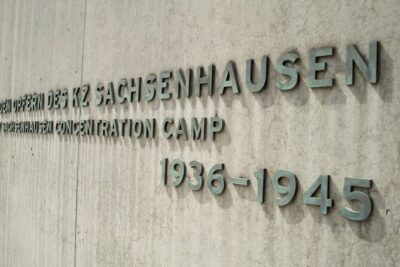
Sachsenhausen Concentration Camp Tour in English
Read our review →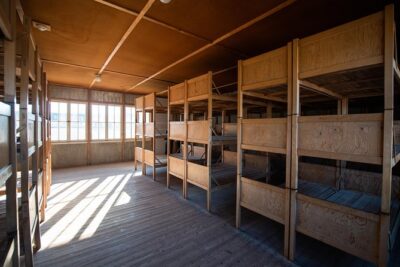
Dachau Concentration Camp Memorial Site Tour from Munich by Train
Read our review →
Sachsenhausen Concentration Camp Memorial Tour
Read our review →
From Munich: Dachau Memorial Site Half-Day Trip
Read our review →
Sachsenhausen Concentration Camp Bus Tour in English from Berlin
Read our review →Sachsenhausen Concentration Camp Tour in English
Read our review →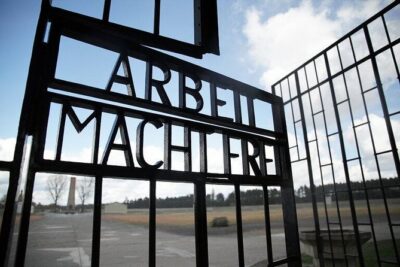
Sachsenhausen Concentration Camp Memorial Tour (Max. 15 Guests)
Read our review →Browse the lists this tour appears in