Reviewed · TOURS
City tour Braunschweig: diverse and full of surprises.
Braunschweig’s story changes character every few minutes. You begin in the old Magniviertel, pass a wildly modern art house, then reach medieval Burgplatz with its lion, cathedral, and castle. Few city walks make the leap from Guelph dukes to modern research city so clearly.
I like the personal format and the route’s mix of famous sights and smaller details. Tom Ahlgrim and Tobi Volkmer are certified guides, and Tom in particular is praised for relaxed English, sharp preparation, and a good sense of humor. The main drawback is pace: two hours covers a lot, but you will not have time for long interior visits.
- A 1,000-year story: Follow Braunschweig from medieval power center to modern science city.
- A strong opening: Start in the Magniviertel, then see the colorful Happy Rizzi House and Brunswick Palace.
- The historic core: Burgplatz brings together the Lion, Dankwarderode Castle, and St. Blasii Cathedral.
- Useful local detail: Learn how to read decorative friezes and other building clues you may notice in nearby towns.
- Private value: The $88 price covers a group of up to two, with either Tom or Tobi as your guide.
- Practical route: The walk ends at Altstadtrathaus and includes English or German commentary.
Why Braunschweig Makes a Good Two-Hour City Walk
Braunschweig, also called Brunswick in English, is the second-largest city in Lower Saxony. Its story reaches back almost 1,000 years, with one especially important chapter beginning about 850 years ago, when Henry the Lion, Duke of Saxony and Bavaria, and his wife Mathilde of England made the city their residence.
That past gives the center a useful structure. You are not simply moving from one handsome building to another. The walk explains how the Guelphs shaped the city, how Hanseatic merchants brought wealth and influence, how war damaged Braunschweig, and how the city rebuilt while keeping distinctive half-timbered buildings.
You also get a look at the city today. Braunschweig is now an important European center for science and research, so the tour connects medieval power with modern civic life. That broad time span is the real point of the experience.
I like this approach because Braunschweig is less familiar to many international visitors than nearby German destinations. A guide helps you see why its streets matter instead of treating the city as a quick stop between better-known places.
Starting in the Magniviertel
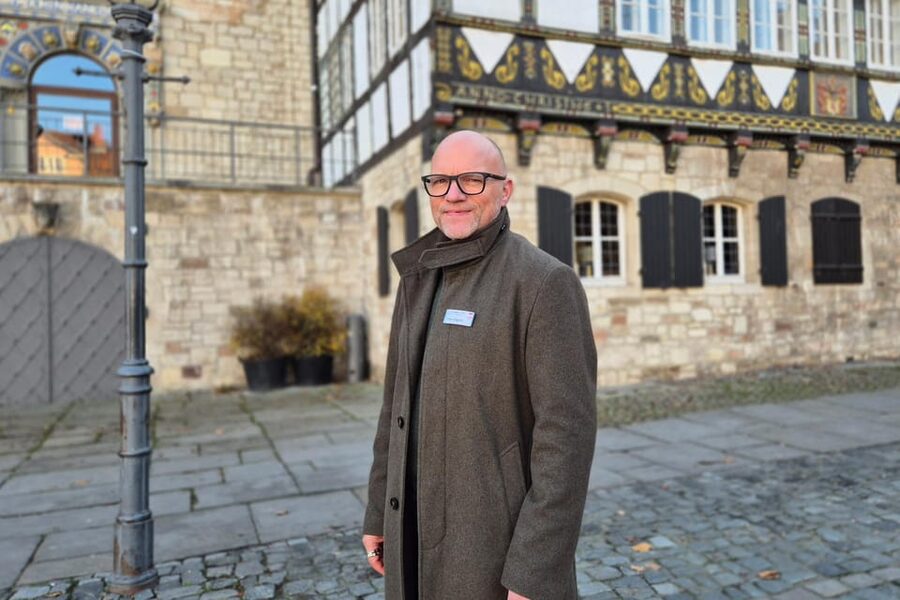
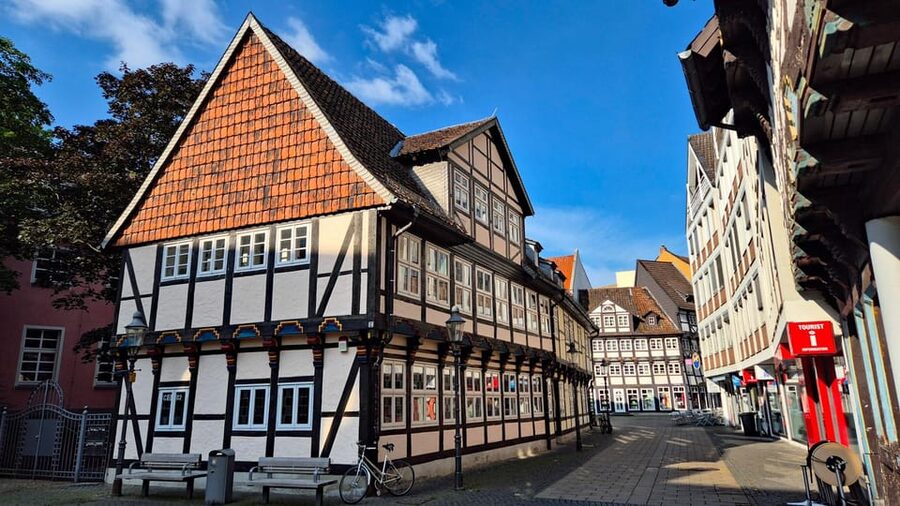
Meet at Magnikirchenplatz, on the corner of the Magni Boutique Hotel. The starting point in the picturesque Magniviertel gives you an immediate sense of old Braunschweig, with historic streets and a neighborhood feel before the route moves toward larger civic monuments.
This is a sensible place to begin. You start close to the old center, and the walk builds in scale. First you encounter neighborhood character, then palace architecture, major public squares, and the central medieval landmarks.
If you drive, the Schlossarkaden car park at Ritterbrunnen 1 is about 200 meters from Magnikirchplatz. The tour does not include hotel pickup or return transport, so you should plan to reach the meeting point on your own.
Arrive on time. The guide waits 15 minutes at the agreed meeting point, and a longer wait is possible only after you make contact by phone. That is a small detail, but it matters on a private tour with a fixed route.
Other days out in Germany that people book alongside this one:
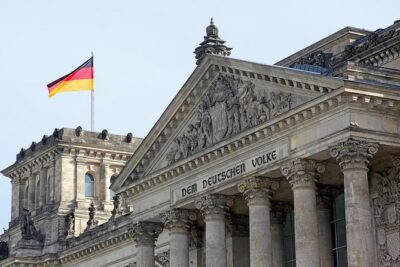
- Berlin: Reichstag, Dome and Government District Guided Tour
★ 4.7 · 18,288 reviews - Berlin: 1-Hour City Tour by Boat with Guaranteed Seating
★ 4.3 · 16,993 reviews - Hamburg: Sex and Crime in St. Pauli Tour for Ages 18+
★ 4.7 · 15,447 reviews
Happy Rizzi House: Braunschweig’s Bright Surprise
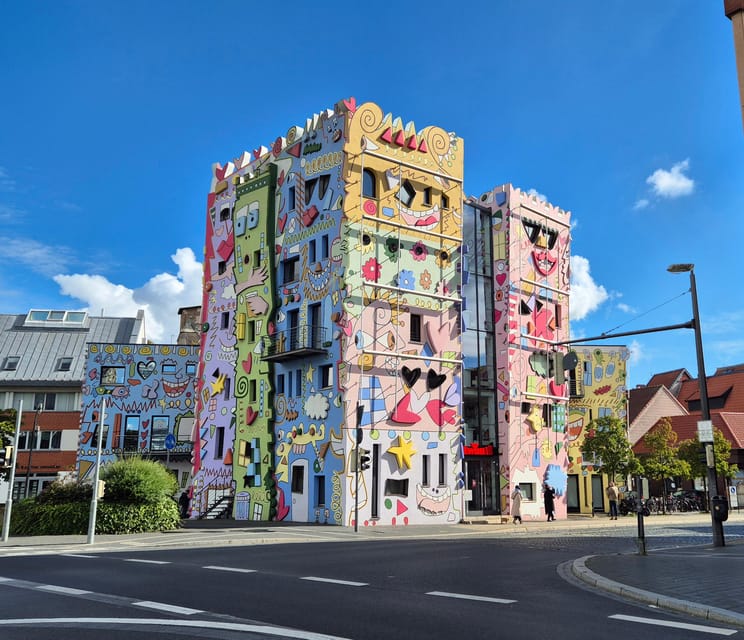
The first formal stop is the Happy Rizzi House, where you have about 15 minutes of guided explanation. Its colorful, playful appearance is a sharp contrast to the older buildings nearby and gives the tour one of its most memorable visual changes.
This stop is useful because it prevents the walk from becoming a parade of old stone and timber. Braunschweig is not frozen in the Middle Ages. The city has modern art and architecture too, and the Happy Rizzi House makes that clear in a way you can understand at a glance.
The tour then continues toward Brunswick Palace. You should expect short explanations rather than a long museum visit. The value lies in learning how each place fits into the city’s larger story.
Brunswick Palace and the German Unity Square
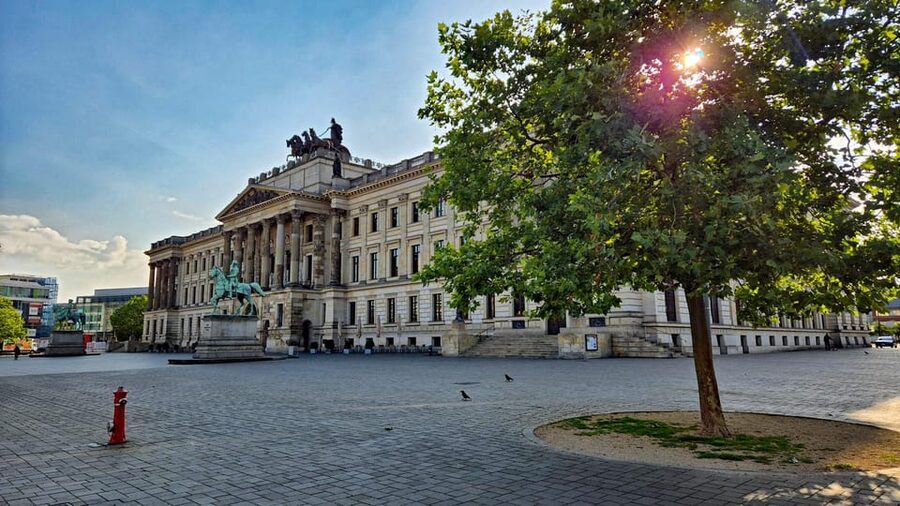
Brunswick Palace receives another roughly 15-minute stop. Its setting helps explain the city’s connection with the Guelph dukes and the role of aristocratic power in Braunschweig’s development.
The next stop is Platz der Deutschen Einheit, or German Unity Square. Here the route shifts from courtly history to the wider public story of the city. The square offers a chance to consider how Braunschweig’s historic center changed through war, reconstruction, and modern civic planning.
I appreciate this part of the walk because it keeps the history moving. You are not asked to memorize a string of dates. Instead, the guide connects rulers, public spaces, and urban change.
The tour does not promise entry into Brunswick Palace or other interiors. If you want a museum-heavy visit, this will feel too brief. If you want a well-paced orientation before exploring on your own, the short format works well.
Burgplatz and the Lion of Braunschweig
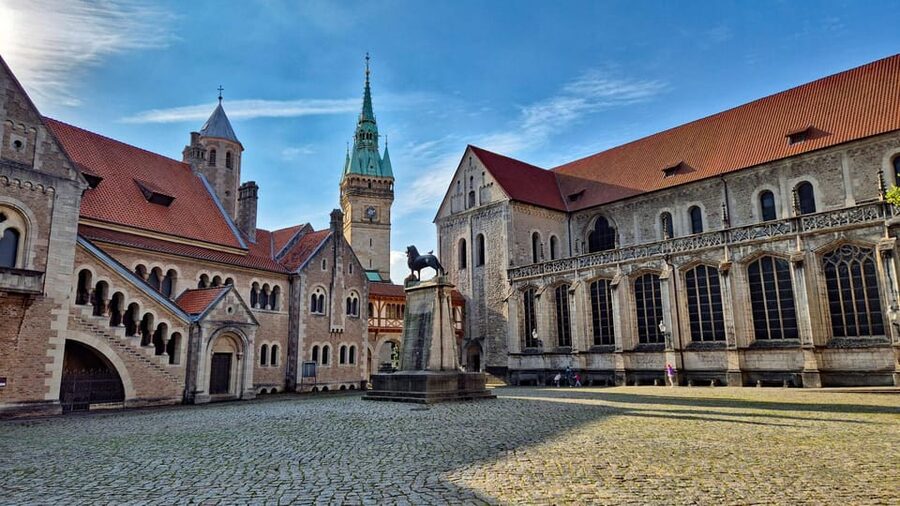
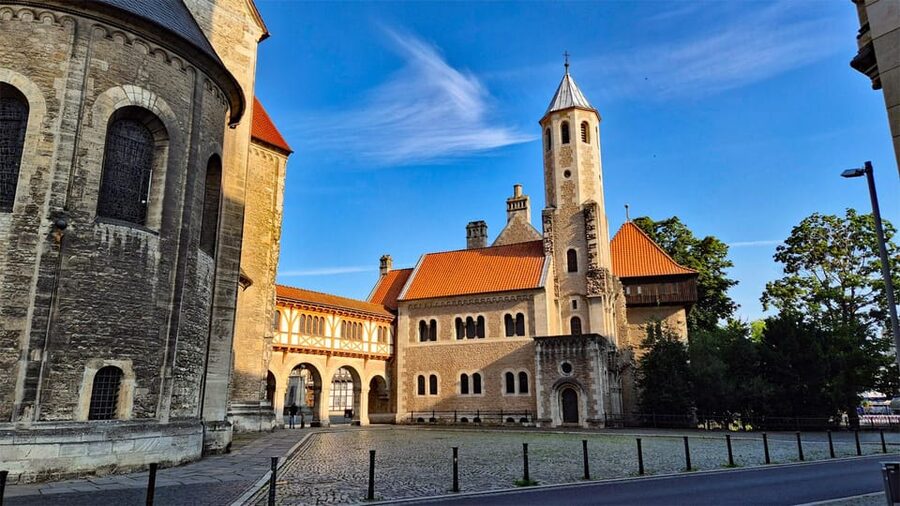
Burgplatz is the heart of the route. Here you see Braunschweig’s landmark, the Lion, along with Dankwarderode Castle and St. Blasii Cathedral. This is the place where the city’s medieval power becomes easiest to picture.
Henry the Lion is central to Braunschweig’s story, and Burgplatz brings his influence into one view. The lion is not just a decorative statue. It is the city’s defining symbol and a useful key to understanding the authority of the medieval dukes.
Dankwarderode Castle adds the ruler’s residence to the scene, while St. Blasii Cathedral brings a major religious building into the same historic setting. The three landmarks make Burgplatz one of the most rewarding stops on the walk.
You will want time for photos here, but remember that the tour is still moving. Your guide’s explanation is the main event, and the 15-minute timing means you should save longer independent viewing for after the tour.
Same city, a completely different kind of day:
- Hamburg: 1.5-Hour Harbor and Speicherstadt Day Cruise
★ 4.6 · 14,200 reviews - From Munich: Neuschwanstein & Linderhof Castle Full-Day Trip
★ 4.5 · 12,494 reviews - Dresden: Semperoper Tickets and Guided Tour
★ 4.7 · 12,102 reviews - Berlin: Boat Tour Along the River Spree
★ 4.4 · 11,252 reviews
Ringerbrunnen and the Route Toward Kohlmarkt
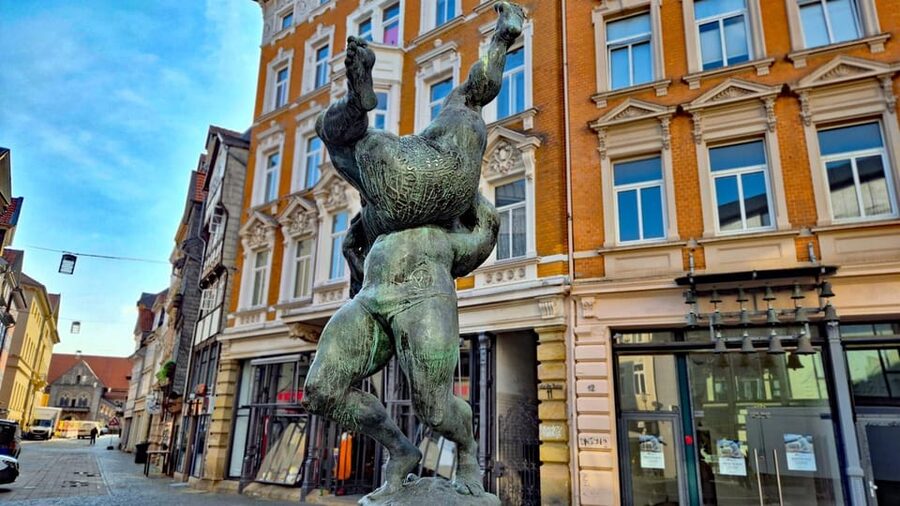
After Burgplatz, the walk passes the Ringerbrunnen. This stop adds a smaller-scale public artwork to the route and gives you a change of mood after the weightier medieval monuments.
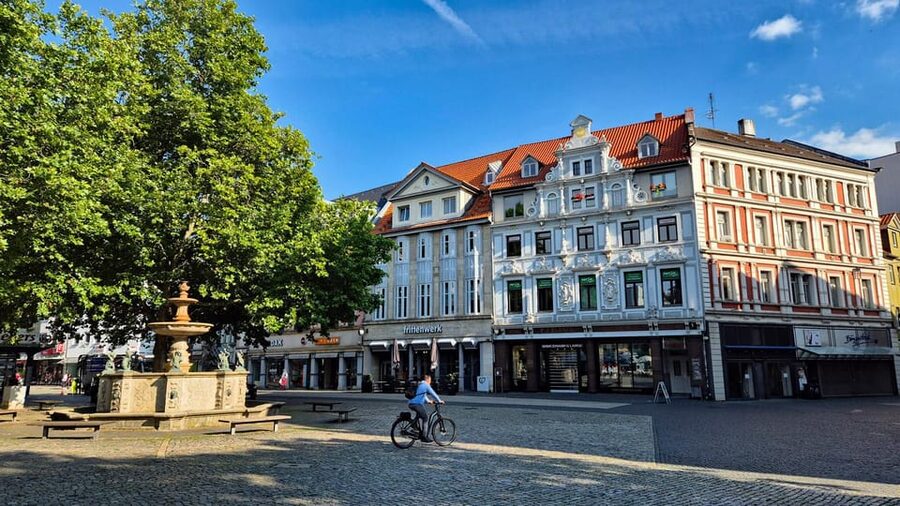
From there, the tour reaches Kohlmarkt, a lively central square. The transition matters. You see how Braunschweig’s old commercial life developed around public gathering places and routes through the center.
This is also where the guides’ ability to add local detail can make a difference. Tom is praised for explaining decorative friezes and building details in a way that remains useful beyond Braunschweig. After the walk, you may find yourself looking more closely at carved or painted decoration in other German towns.
That kind of observation is worth more than a list of names. It gives you a way to read the streets for yourself.
Martinikirche and the Historic Old Town Market
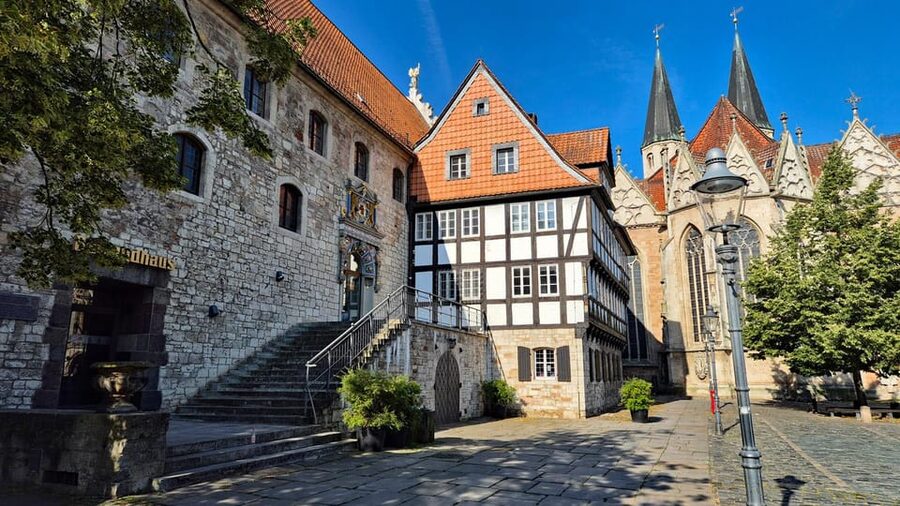
The next stop is An der Martinikirche, a historic square associated with Martinikirche. Like Kohlmarkt, it helps show the relationship between religious buildings, public space, and city commerce.
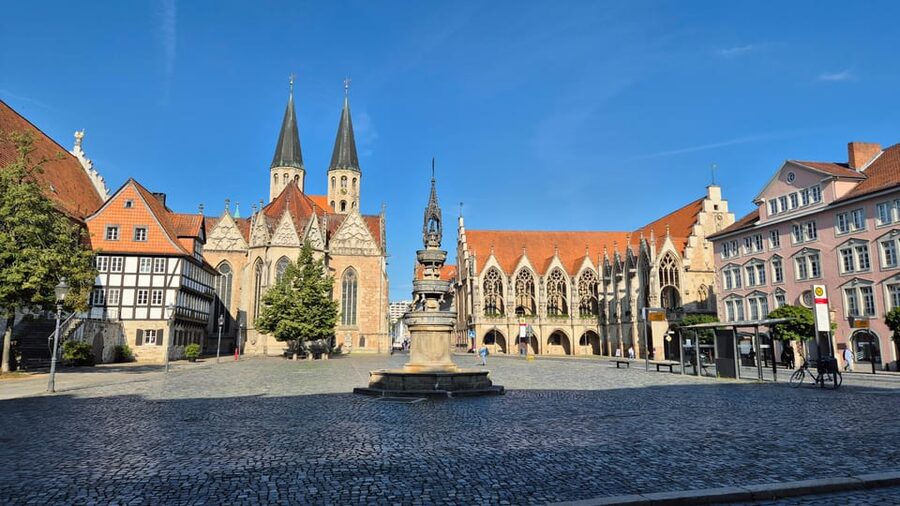
The final major stop is Altstadtmarkt, the historic old town market. The route ends at Altstadtrathaus, the old town hall. This is a fitting finish because the walk ends with civic Braunschweig, after taking you through neighborhood streets, aristocratic spaces, religious landmarks, and market squares.
You should expect explanations at each point, with about 15 minutes assigned to the listed stops. The tour is designed as a continuous city walk, not as a series of long building tours. That means you gain a clear map of the center and a useful timeline, but you will need a separate visit if you want to study interiors in detail.
Tom Ahlgrim and Tobi Volkmer as Guides
The tour is led by Tom Ahlgrim or Tobi Volkmer, both BVGD-certified guides. The certification matters because it signals formal professional training, but the more important question is how the guide handles people, questions, and changing conditions.
Tom’s style comes across as friendly and controlled. He is praised for answering questions, speaking clear English, preparing carefully, and keeping a relaxed atmosphere. One especially useful detail is his attention to the group’s needs. During a rainy tour, he kept the group engaged, and with an older group he pointed out benches so people could pause without missing the explanation.
That tells you something practical about the experience. The guide is not simply delivering a fixed speech. He can adjust the rhythm, add humor, and respond to the people in front of him.
The tour is available in English or German. If you have a particular interest, such as Guelph history, architecture, wartime destruction, half-timbered buildings, or modern Braunschweig, raise it early. The provider also accepts individual requests and special themed tours, though the exact content and price should be confirmed before booking.
What the $88 Private Price Delivers
The listed price is $88 per group of up to two people. For two people, that works out to $44 each. For one person, the price is higher per head, but you still get a private guide rather than joining a large public group.
The price includes the 1.5 to 2-hour round tour, explanations at the points of interest, and booking fees. Food, drinks, tips, and transportation to or from your hotel are not included.
I see the price as strongest for a couple or two friends who want direct access to a guide. You can ask questions without waiting for a large group, and a private setting may make it easier to request more detail about a particular era or building.
The value is less clear if you only want a quick list of sights or plan to spend most of the time inside museums. This is a guided orientation and historical walk. Its strength is context, not admission to attractions.
Pace, Mobility, and Practical Limits
The walk lasts about two hours, with the route beginning at Magnikirchenplatz and ending at Altstadtrathaus. Because the listed stops receive about 15 minutes each, the time is carefully used. You should wear comfortable shoes and expect to remain outdoors for most of the experience.
The information includes both wheelchair accessibility and a note saying the activity is not suitable for people with mobility impairments. Those statements do not fully match, so you should contact BraunschweigTeam before booking if you use a wheelchair or have mobility needs. The same suitability information lists the tour as not suitable for visually impaired people, hearing-impaired people, or people over 95 years old.
Audio recording is not allowed. You can ask questions and take your own photos, but plan to listen rather than record the guide’s commentary.
The tour runs in rain as long as conditions allow. A rain jacket or umbrella is sensible, especially because much of the value comes from seeing the buildings and squares in person.
Who Will Get the Most From This Tour
I would choose this walk if you want a first look at Braunschweig that goes beyond its most famous monument. It suits you especially well if you enjoy:
- German medieval and ducal history
- Architecture, including half-timbered buildings and modern design
- Short city walks with a clear beginning and end
- Private guiding in English or German
- Asking questions as you go
- Learning how to notice decorative details in other towns
It also works well early in your stay. The route gives you a mental map of the center, and the guide can point out places you may want to revisit later.
You may want a different plan if you have limited walking ability, need visual or hearing support, or prefer extended indoor visits. The activity information specifically flags those needs, and you should not rely on the general wheelchair-accessible label without checking first.
Should You Book the Braunschweig City Tour?
Book it if you want a personal, story-led introduction to Braunschweig and value a guide who can connect the Lion, the Guelphs, war damage, market squares, and modern city life. The route is well chosen, the private format keeps it flexible, and the $88 price is reasonable for two people sharing a certified guide.
Skip it if your main goal is museum entry, independent photography, or a very slow inspection of each building. You will see many important sights, but the two-hour schedule favors a broad, connected story.
For most first-time visitors, I would take it near the start of a Braunschweig stay. Arrive at Magnikirchenplatz on time, ask for the subjects that interest you most, and save the rest of the afternoon for returning to Burgplatz or Altstadtmarkt at your own pace.
FAQ
How long does the Braunschweig city tour last?
The tour lasts about two hours, with the stated duration ranging from 1.5 to 2 hours.
Where does the tour begin?
It begins at Magnikirchenplatz, on the corner of the Magni Boutique Hotel.
Where does the tour end?
The walk ends at Altstadtrathaus.
Which languages are available?
You can take the tour in English or German.
Who leads the tour?
The tour is led by Tom Ahlgrim or Tobi Volkmer. Both are BVGD-certified tour guides.
What is included in the price?
The price includes the guided 1.5 to 2-hour city walk, explanations at the points of interest, and booking fees.
Is the tour private?
Yes. It is offered as a private group experience, with a listed price of $88 for a group of up to two people.
Just added in Germany
- Berlin & The Third Reich Private Guided Tour★ 5.0 · 3 reviews
- Third Reich Quest Experience in Berlin★ 4.5 · 7 reviews
- Private Analogue Photography Experience in Berlin★ 5.0 · 3 reviews
- Berlin Urbex Adventure and History Tour★ 5.0 · 9 reviews
- The Beauty of Berlin by Bike: Private Tour★ 5.0 · 59 reviews
- Berlin: Guided Bike tour of the Berlin Wall and Third Reich★ 5.0 · 160 reviews
- Shared Underground Party Tour in Berlin★ 4.5 · 9 reviews
- Beyond Currywurst: Berlin’s Hidden Street Food & Culture Tour★ 5.0 · 100 reviews
Tours, compared.
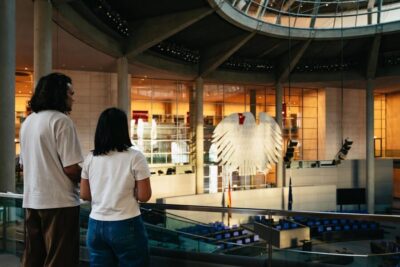
Reichstag, Dome and Government District Guided Tour
Read our review →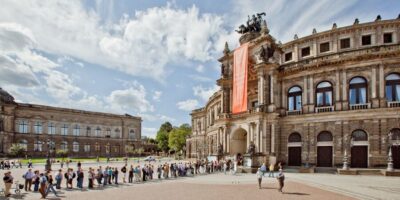
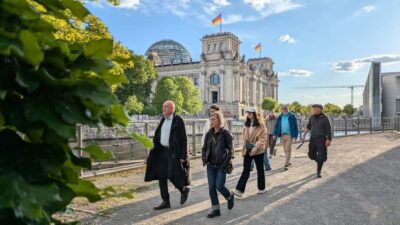
Reichstag, Plenary Chamber, Cupola & Government Tour
Read our review →