
Reviewed · RHINE-MAIN TOURS
Wiesbaden: Sparkling Winemaking Tour with 3-Glass Tasting
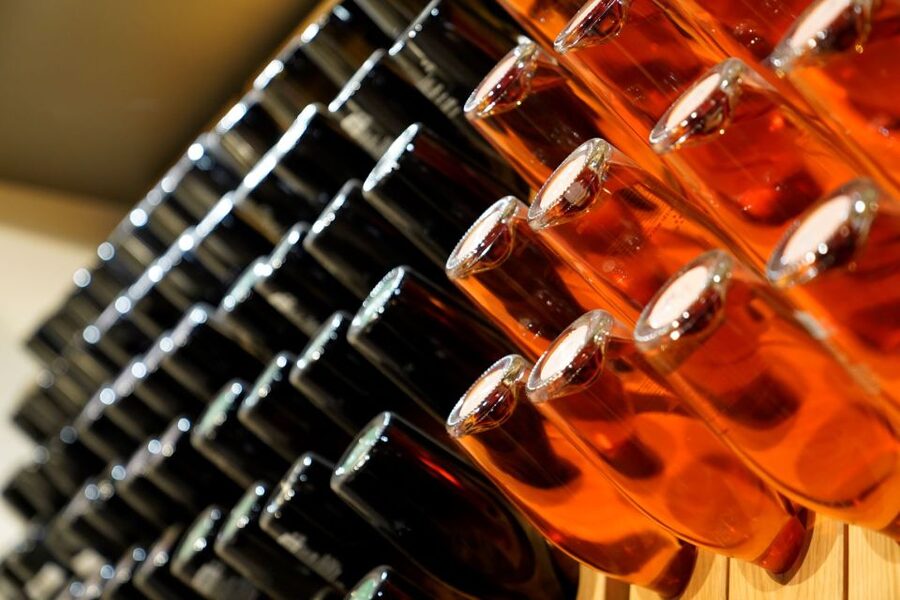
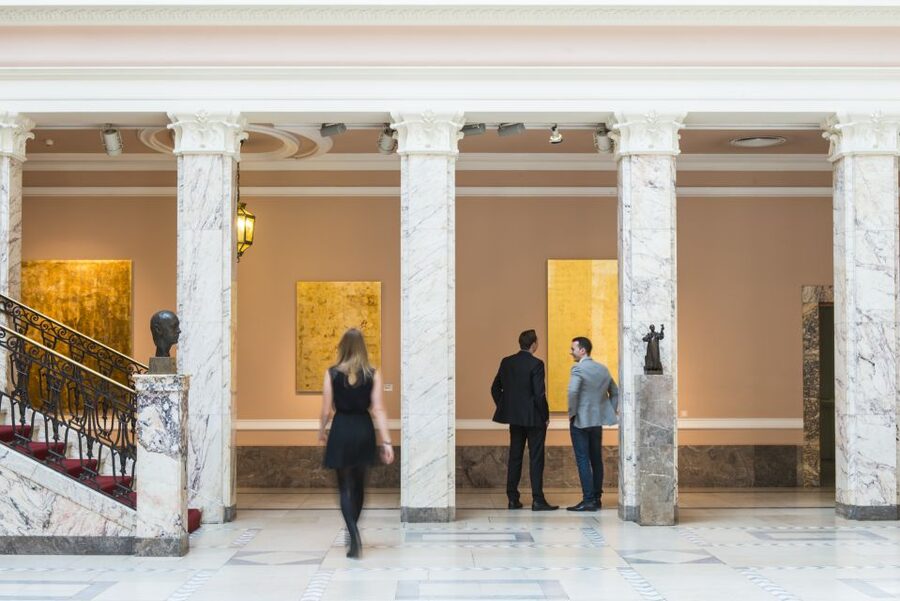
The most memorable moment here is the disgorging demonstration, when frozen yeast is removed from the neck of a bottle. You also get a look at Henkell Freixenet’s striking marble hall, followed by three glasses of sparkling wine.
I like the clear link between the production lesson and the tasting, and I like that the tour explains several sparkling wine styles rather than focusing only on German sekt. The main caution is practical: you must walk up and down 90 steps, with no elevator, and the tour is conducted in German.
Key points to know before booking
- Watch disgorging in real time: See how frozen yeast and liquid are separated from a traditionally fermented bottle.
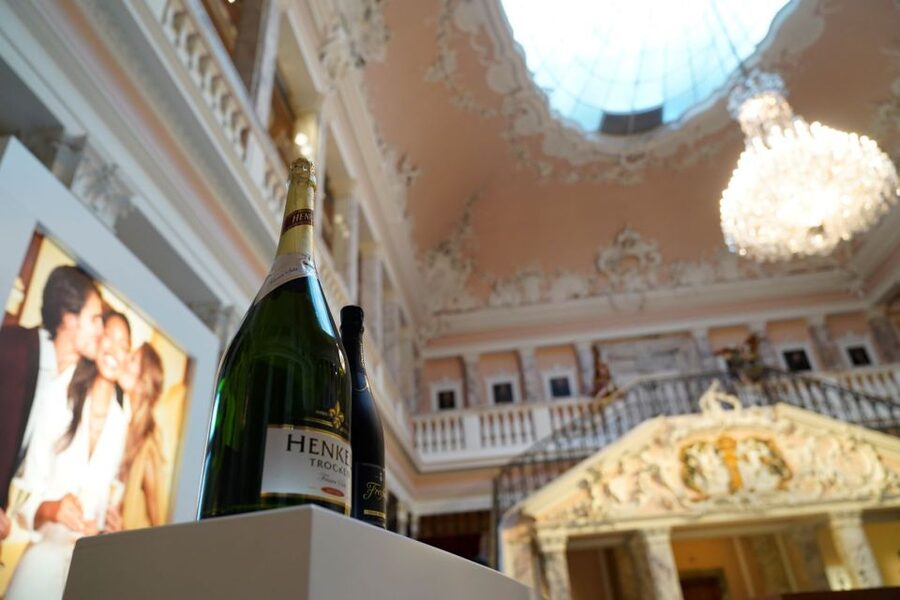
- Start in a grand marble hall: The headquarters entrance gives the visit a memorable setting before the production tour begins.
- Compare three sparkling wines: The tasting helps you connect the production methods with what ends up in your glass.
- Learn more than German sekt: The guide covers sekt, cava, champagne, and Crémant.
- Allow two hours: The pace gives you time for both the tour and tasting without turning the visit into a quick sample stop.
- Plan for 90 stairs: This is not suitable for wheelchair users, people with mobility impairments, or children under 16.
Why this Wiesbaden wine tour is worth your time
Wiesbaden is better known for its elegant streets, hot springs, and grand nineteenth-century buildings than for sparkling wine. Henkell Freixenet adds a different side to the city. Here, the focus is not simply on drinking a glass of sekt. You are shown how sparkling wine is made, why production methods differ, and how yeast affects the finished bottle.
At $34 per person, the experience offers a fair amount for a two-hour visit. Your price includes entry, a guide, the full tour, and three glasses of sparkling wine. That makes it more useful than a basic tasting, especially if you want to understand what you are sampling rather than simply pick a favorite by instinct.
The tour also gives you access to a working production facility and company headquarters. The marble hall provides a polished opening, while the production explanation supplies the substance. You get both the grand setting and the practical details.
The overall rating is 4.8 from 155 bookings, which fits the experience’s main strengths: the building, the clear explanation, and the chance to see disgorging rather than only hear about it. One useful note from the feedback is that the presentation can sometimes feel a little schoolroom-like. If you already know a great deal about sparkling wine, parts of the explanation may seem basic.
A few more half-days in the Rhine-Main region worth comparing
- Speyer: Technik Museum Speyer Ticket with an IMAX Dome Film
★ 4.7 · 360 reviews - SEA LIFE Speyer Admission Ticket
★ 3.5 · 131 reviews - Darmstadt: Mathildenhöhe UNESCO Site Guided Visit
★ 4.7 · 124 reviews
Entering the marble hall at Henkell Freixenet
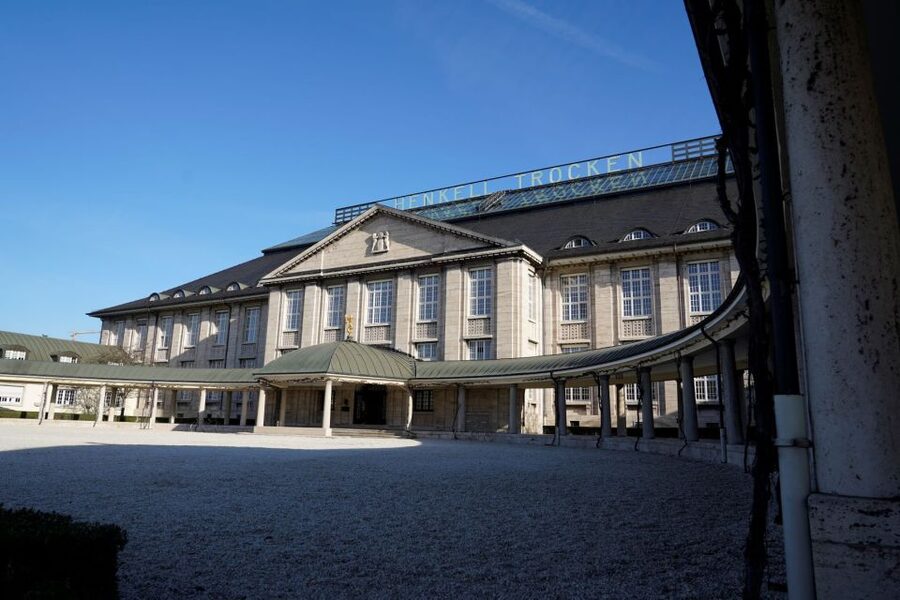
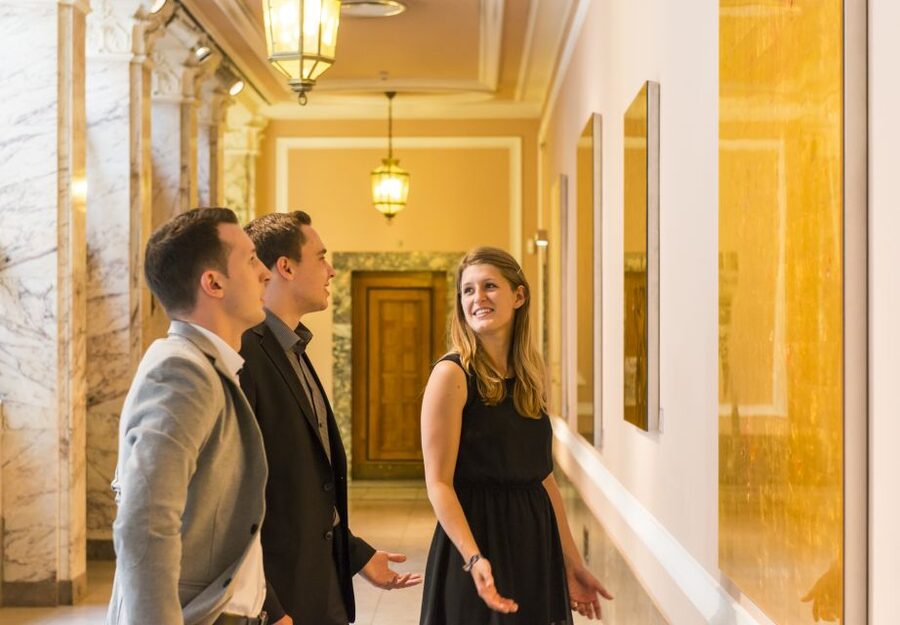
You meet your German-speaking guide at the Henkell Freixenet premises. The tour begins in the company’s impressive marble hall, which gives the visit a sense of occasion before you see any bottles or equipment.
This is more than a simple meeting point. The hall is one of the experience’s visual highlights, and it helps explain why the building itself is part of the appeal. You may want to pause here and take in the architecture before the technical portion begins.
The polished surroundings also set up an interesting contrast. Sparkling wine can look formal and luxurious once it reaches a glass, but its production involves cold bottles, yeast, pressure, and careful handling. The tour moves from the elegant public face of the company toward the work behind the drink.
The language matters. The live guide speaks German, and the activity information does not list an English-language option. If you are not comfortable following German explanations, this may not be the best choice, even though the production stages are easy to observe.
How traditional bottle fermentation works
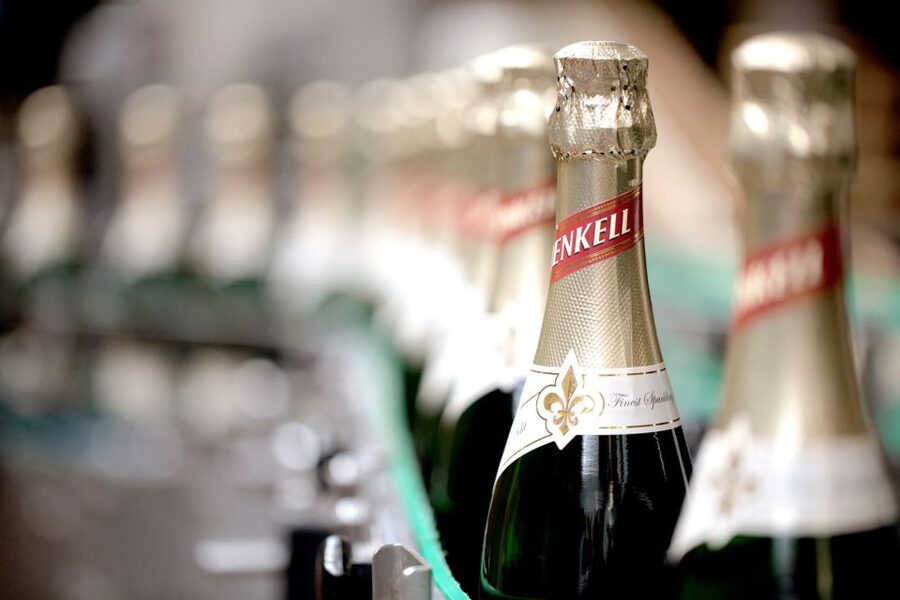
The central lesson is traditional bottle fermentation. Selected grapes are turned into sparkling wine through a process that requires more than adding bubbles at the end. The guide explains how the wine changes and how the bottle is managed through different stages.
You will learn about several well-known styles:
- Sekt
- Cava
- Champagne
- Crémant
The value of this comparison is that it gives you a framework for understanding sparkling wine across Europe. Sekt is associated with Germany, while cava comes from Spain. Champagne and Crémant belong to French wine traditions, with different regional rules and identities. The tour focuses on how these drinks are manufactured, so you can better understand why they do not all taste or cost the same.
The activity description does not promise an extended vineyard visit or grape-growing lesson. The emphasis is on the production facility and the bottle-fermentation process. That makes this a good fit if you are curious about how sparkling wine is made, but less suitable if you want a countryside wine excursion.
You should also expect a structured explanation rather than a casual bar tasting. The guide takes you through the process in stages, using the facility to show how the work is done. The presentation has been described as easy to understand, though occasionally a bit teacher-like. I see that as a small drawback for some people and a benefit for anyone new to sparkling wine.
The disgorging demonstration is the tour’s best lesson
Disgorging is the detail that makes this visit more than a standard winery tour. During the demonstration, yeast freezes in the neck of a bottle. The bottle is then handled so the yeast and a small amount of liquid can be removed.
This step matters because traditional bottle fermentation leaves yeast in the bottle. The wine must be cleared before it is ready for drinking. Seeing the process helps you understand why sparkling wine production needs patience and precision.
The demonstration also makes a technical subject easy to remember. Instead of hearing a list of terms, you watch the unwanted sediment gather and leave the bottle. The freshly disgorged sparkling wine then becomes part of the tasting, giving you a direct connection between the lesson and the glass.
The activity does not promise that every stage of commercial production will be shown in full detail. You will see various stages and a disgorging demonstration, but the visit lasts two hours, so it is best viewed as an introduction rather than a complete professional course in winemaking.
Same city, a completely different kind of day:
- Guided tour in Mainz on the Rhine in german and english
★ 4.9 · 106 reviews - Sea Life Speyer Ticket
★ 4.2 · 99 reviews - Braunfels: Guided Tour of the Fairytale Castle Braunfels
★ 4.6 · 68 reviews - Völklingen Ironworks World Heritage Site: Guided tour of the ironworks site
★ 4.7 · 68 reviews
Three glasses that put the lesson to work
The tasting closes the tour with three sparkling wines. This is where the information becomes practical. You can compare the wines and think about how the production method, style, and handling affect what you taste.
One of the glasses is freshly disgorged premium sparkling wine in its natural form. That gives the tasting a clear purpose. You are not simply handed three unrelated pours. At least one sample connects directly to the demonstration you have just watched.
The three-glass format is also a sensible amount for a two-hour cultural activity. It gives you enough variety to notice differences without making the visit feel like a drinking session. You can focus on aroma, sweetness, texture, and bubbles, even if you are not experienced at tasting wine.
The information does not identify the exact wines served on every tour, so you should not book expecting particular labels. The experience is built around comparison and process, not a guaranteed list of bottles. One piece of feedback singled out Mionetto as a personal favorite, but that does not mean it will necessarily be included in your tasting.
What the $34 price really covers
At $34, the price is reasonable if you value explanation and access as much as the wine. You receive admission, a guided visit, the production presentation, a disgorging demonstration, and three glasses. The tour takes about two hours, so the cost is not just for a short pour at the end.
I would compare it with what you want from a wine stop. If your goal is simply to drink sparkling wine in Wiesbaden, a bar may be cheaper and more flexible. If you want to understand traditional bottle fermentation and see the process in a real facility, this tour offers better value.
The marble hall adds to the setting, but the real value comes from the combination of education and tasting. You leave with a clearer idea of why sekt, cava, champagne, and Crémant are made differently. That makes the $34 easier to justify for wine-curious visitors, couples, and anyone building a day around food and drink.
The tour’s current rating of 4.8 from 155 reviews suggests a consistently strong experience, but you should keep the German-only presentation and stairs in mind before booking. A high rating does not remove those practical limits.
Who will enjoy this experience most
I would recommend this tour to adults who enjoy sparkling wine and want more context behind the bottle. It works especially well for people visiting Wiesbaden who have already seen the city’s main sights and want an indoor activity with a local production focus.
It is also a good choice if you prefer a clearly organized experience. The visit has a simple shape: meet at the headquarters, see the marble hall, learn about production, watch disgorging, and taste three wines. You do not need prior wine knowledge to follow the basic story.
The tour is less suitable for children, since the minimum age is 16. It is also not suitable for wheelchair users or people with mobility impairments because of the 90 stairs and lack of elevator.
If you are an advanced wine student, you may find the teaching style a little basic. Still, the chance to see disgorging and taste a freshly disgorged wine gives the visit enough substance to appeal beyond beginners.
Practical details that affect your visit
The experience lasts two hours, but starting times vary, so you need to check availability for the date you want. Meet directly at the Henkell Freixenet premises rather than expecting a city-center pickup.
The guide speaks German. This is the single biggest booking consideration for international visitors. If you understand German well, the tour should be easy to follow. If not, the visual parts of the visit may still be interesting, but you should not assume that an English explanation will be available.
Wear comfortable shoes. The 90 steps go down and up, and there is no elevator. That stair count is significant enough to affect your choice of clothing and your energy for the rest of the day.
The experience is restricted to people aged 16 and older. Cancellation is free up to 24 hours before the start, and you can reserve now and pay later, which helps if your Wiesbaden schedule is still changing.
Should you book the Henkell Freixenet tour?
Book it if you like sparkling wine, understand German, and can manage 90 stairs. The combination of a grand marble hall, a real production explanation, a memorable disgorging demonstration, and three tasting glasses gives you more than a quick drink stop.
Skip it if you need an English-language tour, use a wheelchair, have difficulty with stairs, or want a vineyard visit in the countryside. You should also look elsewhere if you prefer an informal tasting with little instruction.
For the right visitor, this is a well-priced Wiesbaden activity with a clear point: it shows how sparkling wine gets from selected grapes to a finished bottle, then lets you taste the result. That connection between craft and glass is the reason I would include it in a wine-focused day.
FAQ
Where does the sparkling wine tour take place?
The tour takes place at the Henkell Freixenet premises in Wiesbaden, Hessen, Germany.
How long does the experience last?
The tour lasts two hours.
How much does the tour cost?
The listed price is $34 per person.
What is included in the price?
The price includes the entry ticket, a guide, the tour, and three glasses of sparkling wine.
Is the tour conducted in English?
The live tour guide speaks German. No English-language guide is specified.
Which sparkling wines are discussed?
The tour explains how sekt, cava, champagne, and Crémant are manufactured.
Will I see disgorging?
Yes. The tour includes a disgorging demonstration showing how yeast freezes in the neck of a bottle and is separated from the wine.
How many wines will I taste?
You will taste three different sparkling wines, including freshly disgorged premium sparkling wine in its natural form.
Is the tour suitable for wheelchair users?
No. The activity is not suitable for wheelchair users or people with mobility impairments because it involves walking down and up 90 steps and there is no elevator.
Can children join the tour?
No. The experience is not suitable for children under 16.
Can I cancel my booking?
Yes. You can cancel up to 24 hours in advance for a full refund.
Do I have to pay when I reserve?
No. The reserve-now, pay-later option lets you book without paying immediately.
Just added in the Rhine-Main region
- Neustadt: Wine tasting with cellar tour and vineyard visit★ 4.8 · 5 reviews
- Mainz Highlights, private walking tour★ 4.9 · 15 reviews
- Mainz: Private custom tour with a local guide★ 3.8 · 11 reviews
- Darmstadt entdecken mit Aurora DeMeehl: Innenstadt-Tour★ 5.0 · 15 reviews
- “Look behind the scenes” – leadership in the State Theater★ 4.5 · 8 reviews
- 1,5 Hour Private Guided Walking Tour: Cathedral and Old Mainz★ 5.0 · 25 reviews
- Darmstadt: City Highlights and History Guided Walking Tour★ 4.0 · 23 reviews
- Wiesbaden: Private Walking Tour with a Guide★ 4.8 · 22 reviews
Rhine-Main Tours, compared.

Speyer: Technik Museum Speyer Ticket with an IMAX Dome Film
Read our review →
Darmstadt: Mathildenhöhe UNESCO Site Guided Visit
Read our review →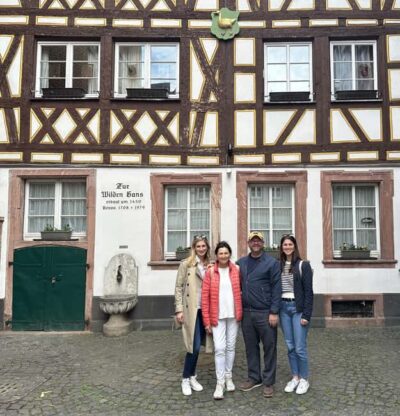
Guided tour in Mainz on the Rhine in german and english
Read our review →
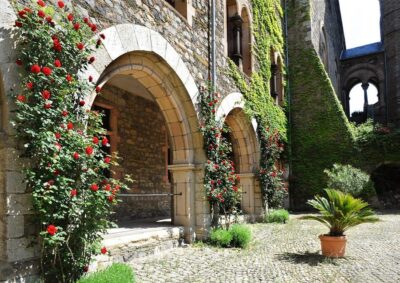
Braunfels: Guided Tour of the Fairytale Castle Braunfels
Read our review →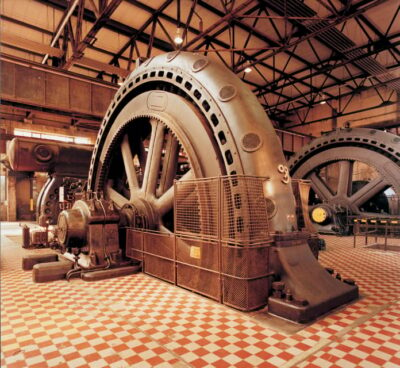
Völklingen Ironworks World Heritage Site: Guided tour of the ironworks site
Read our review →
Exclusive Wine & Food Tasting in Historic Cellar | Mainz Old Town
Read our review →Browse the lists this tour appears in