
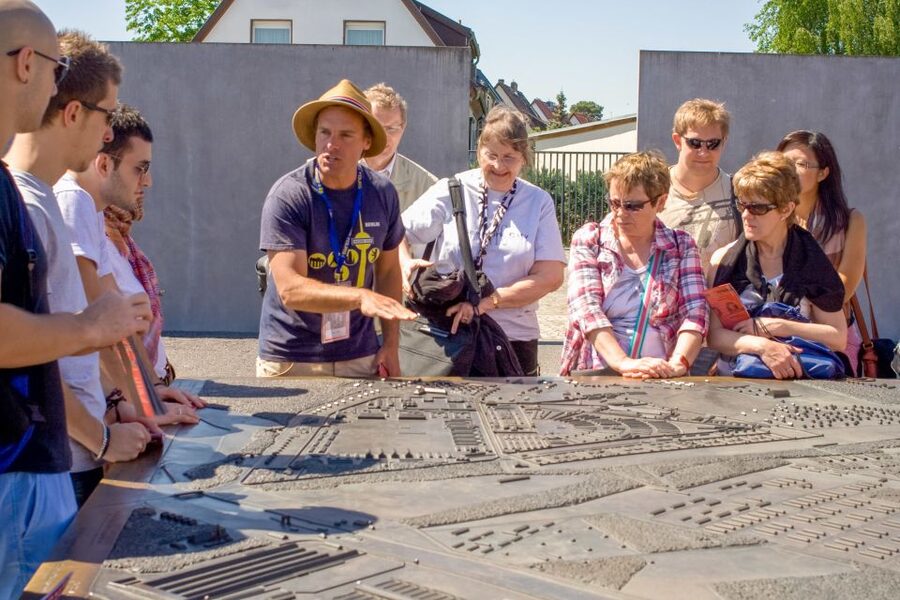
Reviewed · CONCENTRATION CAMP MEMORIALS
Berlin: Sachsenhausen Concentration Camp Bus Tour in English
Sachsenhausen is not a sightseeing stop. It is a place where the structure of Nazi terror becomes painfully clear: barracks, guard towers, punishment areas, infirmaries, crematoria, and the administrative machinery behind them. This four-hour bus tour from Berlin gives you a guided route through the memorial without the long walk from Oranienburg station.
I like two practical things here. First, the air-conditioned bus saves time and energy, especially in bad weather. Second, the guide begins the history lesson on the road, so the 50-minute journey helps you understand what you are seeing before you arrive. The main drawback is time: about two hours at the memorial can feel rushed if you want to read every display or reflect quietly at each site.
Key points to know before booking
- The bus removes a tiring transfer: You travel from central Berlin to the memorial by private air-conditioned vehicle instead of arranging the train journey and walking from Oranienburg.
- The tour covers the difficult core sites: Expect Tower A, prisoner barracks, infirmaries, isolation cells, punishment cells, crematoria, the gas chamber area, and the execution trench.
- Guiding quality matters here: Guides such as Ariel, Paul, Jamie, Nikolai, Lewis, and Joseph have been praised for clear explanations and respectful handling of painful material.
- The visit takes about four hours overall: Allow roughly 50 minutes each way by bus and two hours inside Sachsenhausen.
- The meeting point is easy to identify: Find the guide outside Friedrichstraße station, beside the Tränenpalast, with a yellow umbrella, yellow name tag, and blue lanyard.
- Comfort matters more than style: Bring water, a light snack, weather-appropriate clothing, and shoes suitable for extended walking on the memorial grounds.
Why Sachsenhausen works best with a guide
Sachsenhausen was designed and built as a model concentration camp, planned for control and later expansion. That fact changes how you read the site. The camp was not simply a collection of barracks behind a fence. Its layout, guard towers, administrative buildings, work areas, punishment spaces, and inmate blocks formed a system built to control people at every step.
A guide can connect those physical details to the wider Nazi camp network. You learn how the camp operated, how prisoners were treated, what work they were forced to do, and how the surrounding town of Oranienburg related to the camp. The tour also addresses what local people knew about the camp system and how life beyond the fences was affected.
I consider that context the strongest reason to book this rather than visit alone. A map and memorial signs can tell you where things were. A good guide explains how the pieces worked together, and why the site was built in this particular way.
The standard tour is offered in English or Spanish. Guide assignments vary, but the experience has included guides such as Campbell, Ariel, Paul, Jamie, Nikolai, Lewis, Maria, Rebecca, Scott, and Joseph. Their styles differ, yet the most important quality here is a calm, respectful approach to the subject.
More Concentration Camp Memorials in Berlin
- Berlin: Sachsenhausen Concentration Camp Tour in English
★ 5.0 · 5,711 reviews - Berlin: Sachsenhausen Concentration Camp Memorial Tour
★ 4.7 · 3,716 reviews - Sachsenhausen Concentration Camp Bus Tour in English from Berlin
★ 5.0 · 1,962 reviews
The bus from Friedrichstraße to Oranienburg
The meeting point is outside Friedrichstraße train station, on the square between the station and the Tränenpalast, also called the Palace of Tears. Look for the yellow umbrella and yellow name tag. The stated address is Reichstagufer 17, 10117 Berlin.
The bus ride takes about 50 minutes each way. That is not wasted time. Your guide provides commentary during the journey, introducing Berlin, Oranienburg, the Nazi camp system, and the setting you are about to enter. The ride also gives you a chance to settle into the subject before walking through the memorial.
The bus is a real advantage on this outing. Getting to Sachsenhausen independently involves public transport and then a walk from Oranienburg toward the memorial entrance. The tour vehicle brings you closer to the site and takes care of the return journey, which is useful after two hours of emotionally heavy walking.
The transport is listed as private and air-conditioned, with a driver included. Exact vehicle size depends on the option you select, since private and small-group formats are available. The small-group option should suit you if you want some personal attention without arranging a fully private day.
Oranienburg and the approach to the camp
The drive through Oranienburg adds useful local context. The town was not an abstract point on a map. The camp was part of the surrounding community, and the guide discusses what local people of the period may have known about the camp and how its presence shaped local life.
That part of the tour helps you avoid viewing Sachsenhausen as an isolated crime scene. The camp depended on transport, labor, administration, and nearby infrastructure. Prisoners were forced to work in and around the area, and the guide points out where that labor fitted into the town and camp system.
Do not expect a sightseeing tour of Oranienburg with multiple photo stops. The town functions mainly as historical context on the way to the memorial. Its value is in helping you understand that the camp was built into an existing community, not hidden in an empty wilderness.
Entering through Tower A
At the memorial, the group enters through Tower A, the main gate. The words Arbeit Macht Frei remain above the entrance, a chilling reminder of the lie used to present forced labor as a path to freedom.
The entrance area is one of the most important moments of the visit. The camp was designed to give guards broad control and prisoners little room to escape notice. From here, the guide explains the layout and the daily routine imposed on inmates.
The open grounds can make the scale difficult to absorb at first. The original camp was large, and sections of the site are now preserved as memorial spaces rather than rebuilt as a complete camp. Your guide and the map help you understand what once occupied the empty areas.
You will walk quite a bit, often outside. In rain, wind, or cold, the experience can be physically demanding. One useful detail is that the tour does not leave you to find the main points on your own. The guide keeps the group moving and explains the purpose of each area.
Same city, a completely different kind of day:
- Berlin: Reichstag, Dome and Government District Guided Tour
★ 4.7 · 18,288 reviews - Berlin: 1-Hour City Tour by Boat with Guaranteed Seating
★ 4.3 · 16,993 reviews - Berlin: Boat Tour Along the River Spree
★ 4.4 · 11,252 reviews - Discover Berlin Half-Day Walking Tour
★ 5.0 · 9,624 reviews
Barracks, punishment, and daily prison life
The barracks show the controlled, brutal routine forced upon prisoners. Here, the guide explains sleeping conditions, discipline, work, roll calls, and the ways camp authorities used hunger, exhaustion, fear, and punishment to control inmates.
The visit includes areas associated with brutal treatment and punishment cells. These spaces are not dramatic in the usual tourist sense. Their power comes from their plainness. A room, corridor, or cell can look almost ordinary until you understand what happened there and how the camp administration used it.
The guided format is especially useful in the barracks. You may find that the memorial’s displays require time and concentration, while the group schedule keeps the visit focused on the main story. That is good for a first visit, but it also means you may want to return independently if you prefer to read every panel at your own pace.
The infirmaries and medical crimes
The infirmary barracks are among the most serious stops. The tour explains the conditions prisoners faced and the experiments carried out during the war. The guide places these acts within the wider camp system rather than treating them as isolated incidents.
This part of the visit may be especially difficult because the buildings were intended for care but were also linked to abuse and medical experimentation. You are not simply seeing another set of rooms. You are learning how the language and appearance of medicine could be used inside a system built on dehumanization.
A respectful guide matters here. The strongest guiding style is factual but not cold, and serious without turning suffering into spectacle. Guides such as Nikolai, Ariel, Jamie, and Paul have been singled out for handling sensitive material with care, answering questions, and giving the group time to absorb difficult information.
Crematoria, gas chamber site, and execution trench
The memorial’s most sobering areas include the crematoria, gas chamber site, and execution trench. The tour explains how these facilities were used and how they fit into the camp’s machinery of death.
The supplied information describes Sachsenhausen as a place where 35,000 people were murdered or died from disease. That figure is not an abstract number once you walk through the spaces connected with killing, illness, punishment, and neglect. The site asks you to think about both organized murder and the daily conditions that caused prisoners to die.
The execution trench and crematoria require a quiet, respectful approach. Photography may be technically possible in parts of the memorial, but I would treat your camera as optional rather than central to the visit. Bring one if you wish to record the architecture or memorial markers, but do not let picture-taking distract from the place.
What the two-hour memorial visit feels like
Two hours gives you a strong introduction, but it does not allow unlimited time. You can cover the main sections with a guide, hear the camp’s story, and ask questions. You probably will not read every display in detail or pause at every memorial marker.
That time limit is the chief tradeoff of the tour. It works well if you have limited time in Berlin and want a structured first visit. It is less suitable if you prefer to move slowly, spend long periods alone, or study every document and exhibit.
The guide-led pace also helps prevent the visit from becoming confusing. Sachsenhausen contains many layers: prisoner life, forced labor, Nazi administration, medical crimes, executions, liberation, and the later memorial. Without a plan, you could spend too long in one area and miss another.
The best approach is to listen during the main walk, note the places you want to revisit, and use any remaining time for personal reflection. A light snack and drink are sensible, since food is not listed as included and the grounds require walking.
Price, group options, and overall value
At $49 per person, this tour offers reasonable value for a four-hour outing. The price includes the professional licensed guide, driver, private air-conditioned transport, memorial entry, a $3 donation to the Sachsenhausen Memorial, and a map of the former camp.
The main value is convenience and interpretation. You are paying for the return bus, the guide’s commentary during the journey, the organized route at the memorial, and the donation included in the cost. If you were already comfortable arranging public transport and visiting alone, the price difference might matter more. For many visitors, the saved time and added context justify it.
Hotel pickup and drop-off are not included in the standard option. You need to reach Friedrichstraße station yourself. Private options may include pickup, with the guide collecting you five minutes before the start, but you should confirm the option you select.
The tour has received a 4.9 rating from 709 reviews, with repeated praise for respectful guiding, clear English, punctual operation, and easy transport. Names that come up often include Ariel, Paul, Jamie, Nikolai, Lewis, Joseph, and Martin. Guide assignments can change, so book for the format and subject rather than expecting one particular person unless the booking specifically confirms that guide.
Practical tips for a difficult day
Wear comfortable shoes. The memorial grounds are broad, and the visit includes outdoor walking between buildings and preserved areas.
Dress for the forecast. Rain and wind do not stop the tour, and the open site offers limited protection from bad weather. Bring a light snack and drink, since the tour does not include food.
Keep your schedule flexible after returning. The bus brings you back to the Friedrichstraße area, but the emotional weight of the visit may make you want a quiet break rather than another crowded attraction.
Photography is not the main purpose of the visit. You can bring a camera, but use good judgment and follow any memorial rules or guide instructions.
Free cancellation is available up to 24 hours before the tour for a full refund. You can also reserve now and pay later, which helps if your Berlin plans are still shifting. Alcohol and drugs are not allowed.
Who should book this Sachsenhausen tour?
I would choose this tour if you want a clear introduction to Sachsenhausen, have only half a day, or prefer not to manage the transport yourself. It suits first-time visitors who want the camp’s design, history, and human cost explained in a coherent order.
It also works well for anyone planning to visit another camp memorial, such as Auschwitz, and wanting background on how the Nazi camp system functioned. One guide used the return journey to answer questions about Berlin, food, and other places to visit, which adds a useful local touch.
I would choose a longer independent visit if you already know the history, need extensive time with museum displays, or prefer to reflect without a group schedule. The tour is serious and well organized, but its two-hour memorial visit cannot cover every detail.
Should you book it?
Book this tour if you want efficient transport and thoughtful guidance at a place that demands context. The strongest part is not simply reaching Sachsenhausen. It is understanding how the camp’s buildings, routines, punishments, and killing facilities formed one organized system.
The $49 price is fair for the bus, guide, entry, donation, and four-hour schedule. Just arrive ready for a serious visit, wear good shoes, bring water, and accept that two hours on site gives you an introduction rather than the final word.
FAQ
Where does the Sachsenhausen bus tour start?
The tour starts outside Friedrichstraße train station in Berlin, on the square between the station and the Tränenpalast, also called the Palace of Tears. The listed address is Reichstagufer 17, 10117 Berlin.
How do I find the guide?
Look for a guide holding a yellow umbrella. The guide will also wear a blue lanyard and yellow name tag.
How long does the tour take?
The full activity lasts about four hours. The bus journey takes about 50 minutes each way, and the guided visit at Sachsenhausen lasts about two hours.
What language is the tour offered in?
The live guided tour is offered in English and Spanish.
Is transportation included?
Yes. Transportation by private air-conditioned vehicle and a driver are included.
Is admission to Sachsenhausen included?
Yes. Memorial entry, a $3 donation per person to the Sachsenhausen Memorial, and a map of the former camp are included.
Is hotel pickup available?
Hotel pickup and drop-off are not included in the standard option. Pickup is available for private options, with the guide collecting you five minutes before the tour begins.
What should I bring?
Bring comfortable walking shoes, weather-appropriate clothing, a drink, and a light snack. You may also bring a camera.
Can I cancel the booking?
Yes. You can cancel up to 24 hours in advance for a full refund.
Does the tour return to Berlin?
Yes. The activity returns to the Friedrichstraße meeting area, with the listed Berlin drop-off at Reichstagufer 17.
Just added in Berlin
- Berlin & The Third Reich Private Guided Tour★ 5.0 · 3 reviews
- Third Reich Quest Experience in Berlin★ 4.5 · 7 reviews
- Private Analogue Photography Experience in Berlin★ 5.0 · 3 reviews
- Berlin Urbex Adventure and History Tour★ 5.0 · 9 reviews
- The Beauty of Berlin by Bike: Private Tour★ 5.0 · 59 reviews
- Berlin: Guided Bike tour of the Berlin Wall and Third Reich★ 5.0 · 160 reviews
- Beyond Currywurst: Berlin’s Hidden Street Food & Culture Tour★ 5.0 · 100 reviews
- Berlin Third Reich & Cold War Walking Tour With A Guide★ 5.0 · 7 reviews
Concentration Camp Memorials, compared.
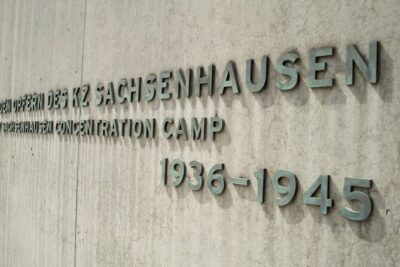
Sachsenhausen Concentration Camp Tour in English
Read our review →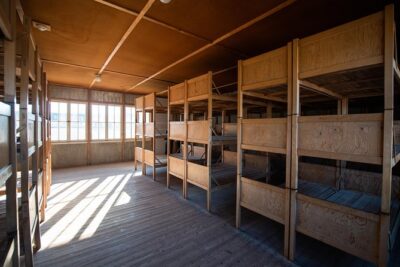
Dachau Concentration Camp Memorial Site Tour from Munich by Train
Read our review →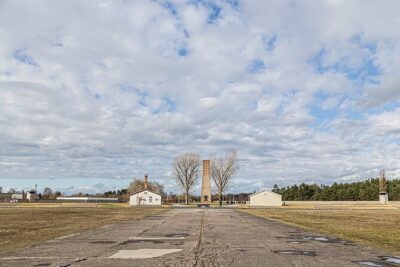
Sachsenhausen Concentration Camp Memorial Tour
Read our review →
From Munich: Dachau Memorial Site Half-Day Trip
Read our review →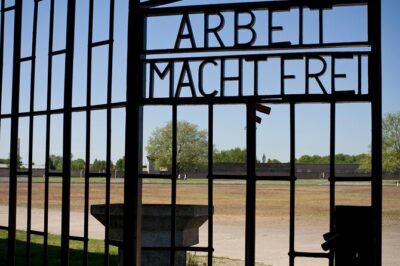
Sachsenhausen Concentration Camp Bus Tour in English from Berlin
Read our review →Sachsenhausen Concentration Camp Tour in English
Read our review →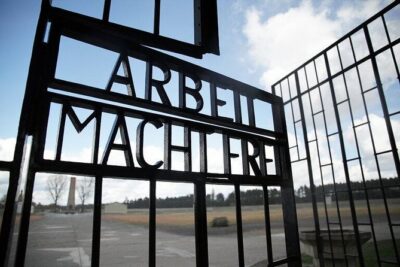
Sachsenhausen Concentration Camp Memorial Tour (Max. 15 Guests)
Read our review →Browse the lists this tour appears in