
Reviewed · CONCENTRATION CAMP MEMORIALS
Dachau Concentration Camp Memorial Tour with Train from Munich
Dachau is not a casual sightseeing stop. It is a place of suffering, murder, and memory, and this five-hour guided visit gives you the context needed to understand what you are seeing. You travel by train and bus from central Munich, then walk through the former camp with a guide who explains the Nazi camp system, prisoner life, and the camp’s liberation in 1945.
I like two things here: public transport is part of the lesson, and the guide gives meaning to the buildings and displays instead of leaving you to piece everything together alone. I also like the small-group limit, which can make it easier to ask questions and hear the guide.
The main drawback is time. Dachau’s museum holds far more material than you can absorb in one visit, and some guides spend so long explaining the site that you have little time to read the exhibits yourself. The tour also involves a lot of walking and outdoor exposure, so dress for the weather.
Key points to know before booking
- The train and bus ride are part of the tour: You leave from Marienplatz and finish near Munich Hauptbahnhof.
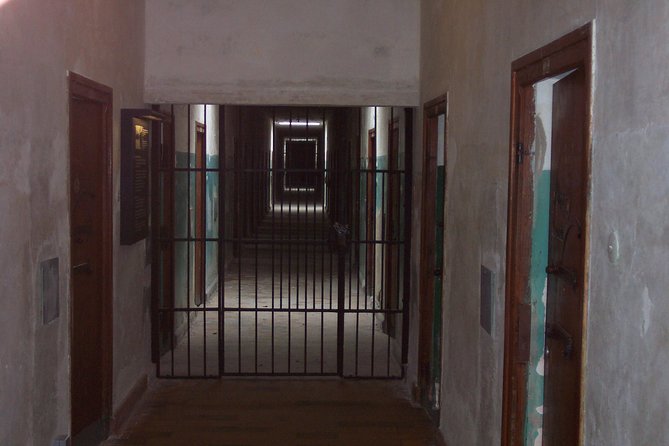
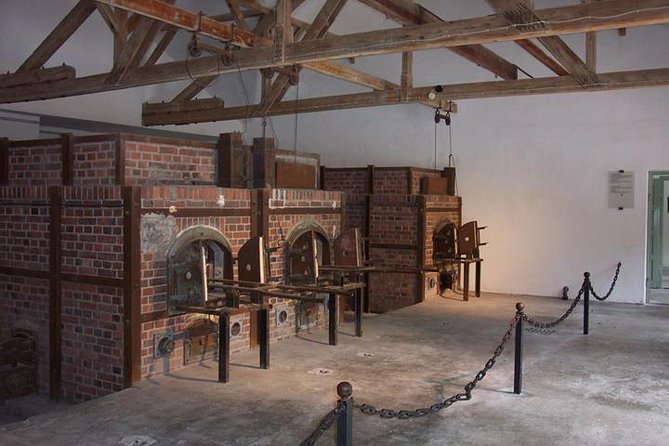
- The guided site visit lasts about three and a half hours: Expect cells, barracks, the gas chamber, museum displays, and a documentary.
- Guide quality matters: Jessie, Michael, Aileen, Mat, Conni, Alex, and Stephanie are praised for clear, respectful explanations.
- The 1:15 pm departure is quieter: It normally has about one-third as many participants as the morning tour.
- You need stamina: The visit includes extended walking, standing, and time outdoors.
- The tour is for older children and adults: Children under 14 are not permitted.
Why Dachau needs a guided visit
Dachau was the first regular concentration camp built by the Nazi regime, and it became a model for the wider camp system. The memorial site is not simply a collection of empty buildings. It is a place where the arrangement of the grounds, the surviving structures, photographs, documents, and prisoner accounts all help explain how persecution became organized imprisonment and mass murder.
You can visit on your own, but the scale and subject matter can make that difficult. A guide gives you a timeline and points out details you might otherwise miss. The tour explains the camp’s creation, the treatment of prisoners, the development of the concentration camp system, and the arrival of US forces in 1945.
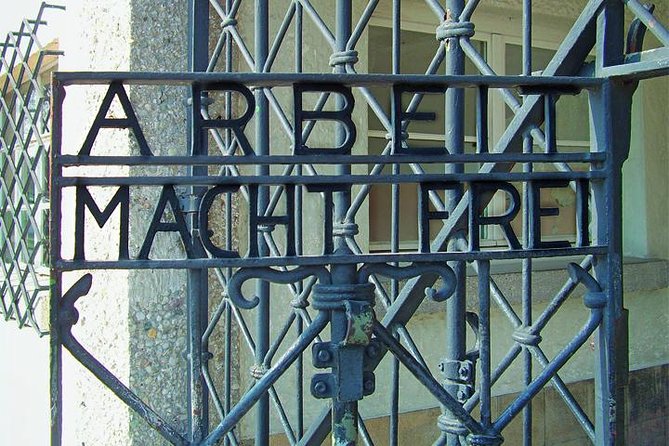
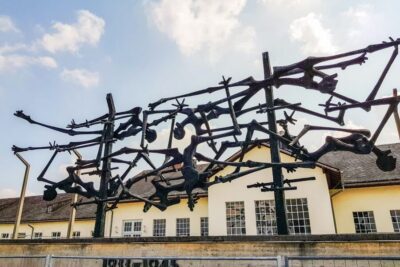
I find that useful because Dachau can feel visually restrained. Much of the site is open ground, reconstructed structures, and stark memorial spaces. Without context, you may see rows of barracks and a gate, but not understand how the site functioned or what happened to the people held there.
The best guides also bring the story back to individuals. Jessie is praised for sharing survivor stories and giving people time to reflect. Michael is noted for placing Dachau within the wider story of World War II, including the years before and after the war. Aileen, Mat, Conni, Alex, and Stephanie are also singled out for clear explanations and sensitive handling of difficult material.
Guide quality can vary, as it does on any group tour. One guide was criticized for speaking too softly and allowing too little time for the museum displays. That is an important point for you: this is designed as a guided history lesson, not as a self-directed museum visit.
More Concentration Camp Memorials in Munich
- Dachau Concentration Camp Memorial Site Tour from Munich by Train
★ 4.5 · 5,637 reviews - From Munich: Dachau Memorial Site Day Tour
★ 4.8 · 2,723 reviews - From Munich: Dachau Memorial Site Half-Day Trip
★ 4.7 · 2,526 reviews
From Marienplatz to Dachau by public transport
The tour begins at Marienplatz, Munich’s central square. From there, your group uses local public transportation to reach the memorial. The route includes a train and a bus, followed by a short walk to the site.
This arrangement keeps the cost down and makes the trip practical for people staying in central Munich. It also means you do not have to find the correct train, bus, and memorial entrance on your own. Your guide keeps the group together and provides historical background during the journey.
The transportation is not a private coach. That matters if you prefer a direct ride with guaranteed seating, but it can be an advantage if you want to learn how Munich’s transit system works. The journey itself becomes part of the tour, with guides sometimes using the ride to explain the historical setting.
Allow some flexibility in your schedule. A service interruption or maintenance work once required extra walking and additional transfers, extending the day beyond the planned schedule. The guide still helped the group reach the memorial, but public transport can never offer the same control as a private vehicle.
The tour ends near Munich Hauptbahnhof, not back at Marienplatz. That is useful if you plan to continue by train or explore the station area afterward. It also means you should not schedule a tight appointment immediately after the tour.
Entering the memorial site
The memorial visit lasts about three hours and thirty minutes. That is the heart of the day, and it is a serious, demanding block of time.
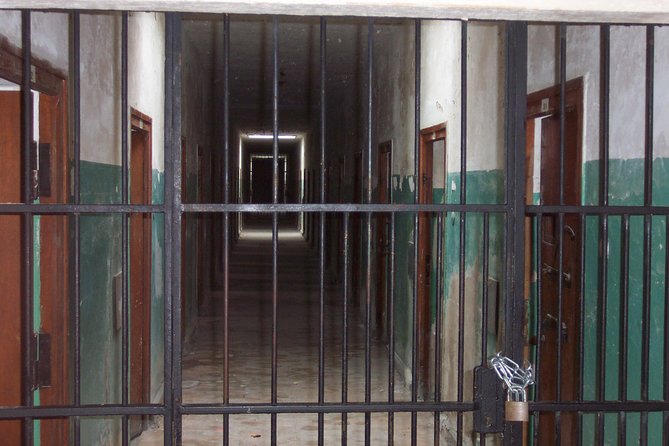
Your guide takes you through the main areas, including the former prisoner cells, barracks, gas chamber, and museum. The explanations connect the physical site with the larger Nazi system. You learn not only what a building was used for, but also how the camp developed and how prisoners experienced it.
The barracks are especially important because they show the camp as a place built for control, confinement, and dehumanization. The cells and other interior spaces give a sense of the machinery of imprisonment. The gas chamber is one of the most difficult parts of the visit, and your guide explains its place in the camp’s history without treating it as a spectacle.
The museum contains photographs, written records, and prisoner accounts. These displays are essential if you want to understand the human cost of the camp. Some visitors prefer to read every panel and spend time with individual artifacts. That is difficult within a five-hour group tour, especially when the guide offers long explanations at each stop.
I would decide in advance what you want most. If you want a clear overview, historical context, and a guide to the grounds, this format works well. If you want to read nearly every display, you may need to return independently or choose a self-guided visit instead.
The tour includes a 22-minute documentary in English. It adds another layer of explanation, but the material is considered unsuitable for children under 13. The operator does not allow children under 14 on the tour, so this restriction mainly helps you understand the serious nature of the film and the wider visit.
A difficult lesson, handled with care
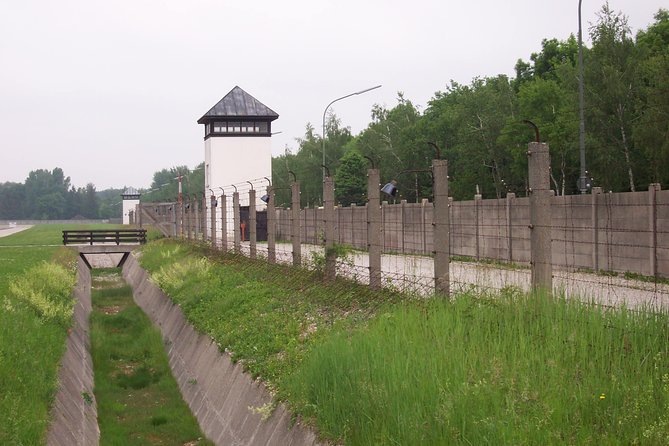
Dachau is emotionally heavy. The photographs of starvation, murder, and prisoner suffering are direct and upsetting. A good guide needs to give you facts without turning the tour into a performance.
That is where the strongest guides make a real difference. Jessie is described as kind, careful, and willing to answer questions, including detailed questions from younger members of a family group. Michael is praised for making the history clear and relatable while covering the broader wartime setting. Aileen is noted for her calm approach and strong command of the subject.
You should expect a quiet, reflective visit rather than a lively sightseeing outing. The guide may speak for long stretches, and the group may pause often. This is useful when you need help understanding the site, but it can frustrate you if you want to read alone.
A practical compromise is to ask your guide early how much independent museum time is planned. If there is one display or subject you particularly want to see, mention it. The tour provider has offered a return voucher when a participant felt the balance between talking and reading was not right, but it is better to set expectations before the visit begins.
Same city, a completely different kind of day:
- Munich: Third Reich & WWII Walking Tour
★ 4.6 · 6,181 reviews - Third Reich Walking Tour Munich
★ 4.5 · 4,291 reviews - Munich Hop-On Hop-Off Tour: 1-Day or 2-Day Ticket
★ 4.3 · 4,161 reviews - Munich: Old Town & Viktualienmarkt City Walk in German
★ 4.7 · 2,304 reviews
Is the five-hour schedule enough?
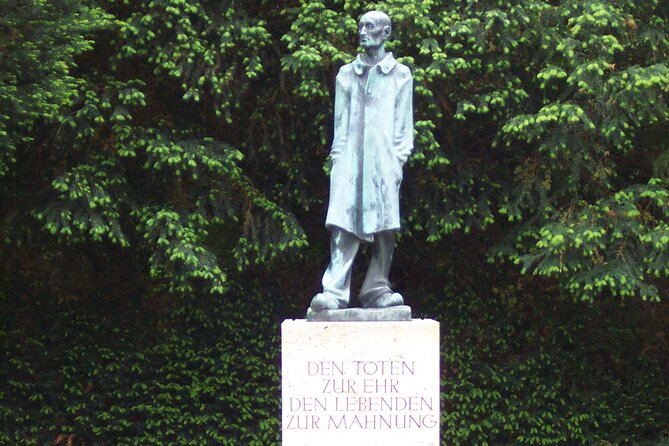
Five hours is enough for a serious introduction. It is not enough to see everything at the memorial.
The guided portion covers the central areas and gives you a structured account of the camp. You will leave with a better understanding of the site than you would get from a quick walk through the grounds. Still, the museum contains a great deal of written material, and you may want more time to read prisoner accounts and examine artifacts.
One participant described the tour as similar to a three- or four-hour history class while walking through the place being studied. That is a fair way to think about it. You are buying interpretation and structure, not simply transportation to a memorial.
The schedule may also run longer than five hours. Delays on the train or bus can add time, and the site itself can be emotionally and physically tiring. Do not plan a fancy dinner reservation or an important appointment too soon after the scheduled return.
The afternoon departure at 1:15 pm deserves special attention. It is described as quieter, with roughly one-third the number of participants found on the morning tour. A smaller group can make it easier to hear the guide and ask questions. The tradeoff is that the later start leaves less room for anything else that day.
Group size, walking, and weather
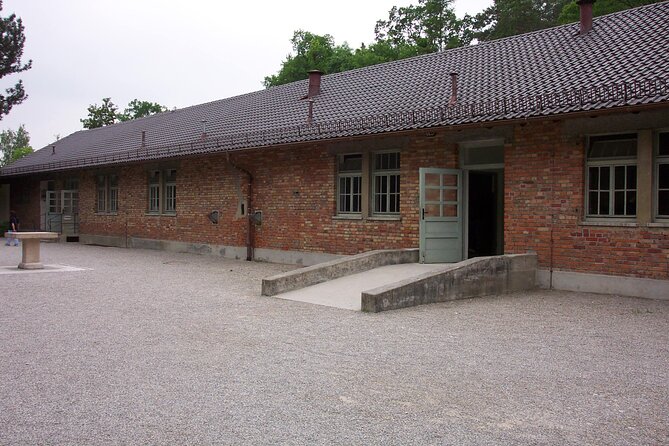
Each booking can include up to eight people, while the total tour may reach 30 participants. That is small enough to feel organized but not necessarily intimate. The 1:15 pm option is the better choice if you want a quieter group.
You need a strong level of physical fitness for this tour. Expect walking around the memorial grounds, standing during explanations, moving between buildings, and spending considerable time outside. The site is not presented as a short, indoor museum visit.
Winter can be especially harsh. One participant described the cold weather as a major factor, and another specifically advised dressing properly because you are outside much of the time. Wear warm layers, sturdy shoes, and clothing suited to the forecast. In warmer weather, bring water, since food and drinks are not included.
A guide once recommended a scooter at the site for a participant whose wife might not otherwise have completed the visit. That suggests you should raise mobility concerns before booking rather than assume the walking will be easy. The tour requires physical stamina, and the schedule does not appear designed around frequent rest periods.
Is $56.84 good value?
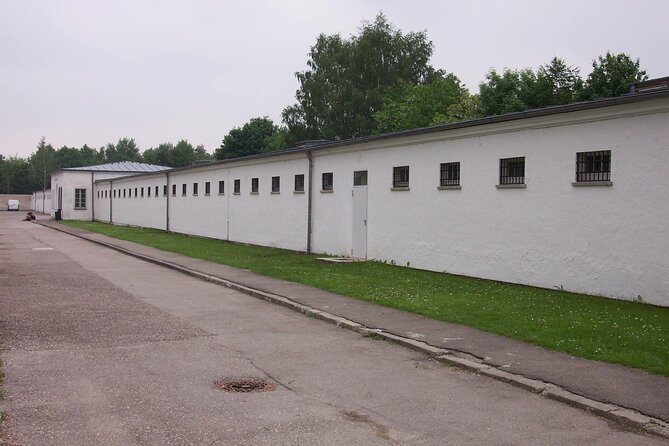
At $56.84 per person, the price is fair if you want a guide and help with the transport. The cost includes the local guide, taxes, fees, handling charges, entrance arrangements, and round-trip public transport from Munich. Food and drinks are not included.
The value comes mainly from the explanation. Dachau is free to enter, so you are not paying for an expensive admission ticket. You are paying for the route from Munich, the organization, and several hours of guided interpretation at a difficult historical site.
For a first visit, that can be money well spent. The train and bus connections are manageable, but a guide removes uncertainty and gives you a framework for the displays. The strongest guides also answer questions and add survivor accounts that you might not encounter in a quick independent visit.
The value is weaker if you mainly want to read at your own pace. A group schedule may move you onward before you finish the museum. If your priority is full control over the time spent with each artifact, independent transport and a self-guided visit may suit you better.
Group discounts are available, and the tour is offered in English. Confirmation is sent at booking, and the tour is usually reserved well ahead, with average bookings made about 40 days in advance. That is a useful sign to plan early, especially if you need a particular date or want the quieter afternoon departure.
Who should book this Dachau tour?
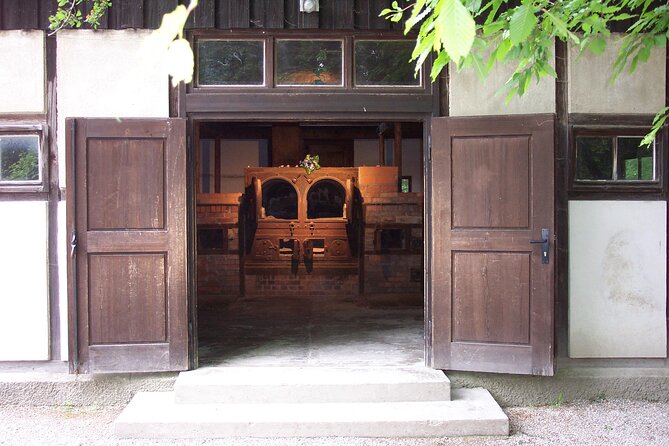
I would recommend it to first-time visitors to Munich who want a serious understanding of Dachau but do not want to manage the public transport route alone. It suits adults and older teenagers who can handle disturbing material, long periods of walking, and a sober atmosphere.
It is also a good fit if you value context. Guides such as Jessie, Michael, Aileen, Mat, Conni, and Stephanie are praised for explaining the camp within the Nazi regime and World War II, rather than presenting isolated buildings without a timeline.
I would hesitate if you want a relaxed half-day outing, dislike group pacing, or need extensive time with every museum display. The subject is also too difficult for young children, and under-14s are not permitted.
Free cancellation is available up to 24 hours before the start time. Changes or cancellations inside that window are not accepted for a refund. The operator may cancel for poor weather or because too few people book, in which case you are offered another date, another experience, or a full refund.
Should you book it?
Book this tour if you want a guided, carefully explained introduction to Dachau and appreciate having the Munich transport handled for you. The strongest reasons to choose it are the historical context, the survivor stories, and the chance to ask questions while moving through the site.
Choose the 1:15 pm departure if a smaller group matters more to you than having the rest of the afternoon free. Dress warmly, wear comfortable shoes, and leave extra time after the tour.
If you want to read every panel and spend a full day with the museum, choose a self-guided visit instead. But for a focused first visit from Munich, this tour offers a practical route and a serious introduction to one of Germany’s most important memorial sites.
FAQ
How long does the Dachau tour take?
The tour lasts approximately five hours. About three hours and thirty minutes are spent at the Dachau Concentration Camp Memorial Site.
Where does the tour begin?
The meeting point is Marienplatz in central Munich, at 80331 München, Germany.
Where does the tour end?
The tour ends near Munich Hauptbahnhof, where S-Bahn, U-Bahn, bus, and tram connections are available.
Is transportation included?
Yes. The tour uses public transportation and includes round-trip train transport from Munich, along with the connecting local transport to the memorial site.
Is the tour offered in English?
Yes. The tour is offered in English and includes an English-speaking local guide.
Are children allowed on the tour?
Children under 14 are not allowed. The site also includes a 22-minute English documentary considered unsuitable for children under 13.
How large is the tour group?
Each booking can include up to eight people, and the total tour may have a maximum of 30 participants. The 1:15 pm departure is described as quieter, with about one-third the number of participants found on the morning tour.
Can I cancel for a full refund?
Yes, if you cancel at least 24 hours before the experience start time. Cancellations or changes made less than 24 hours before the start time are not refunded or accepted.
More Rail Trips from Munich
- Guided Dachau Concentration Camp Memorial Site Tour with Train from Munich
★ 5.0 · 920 reviews - Nuremberg: City Tour with the Bimmelbahn Train
★ 4.4 · 2,475 reviews - Würzburg: City Tour with the Bimmelbahn Train
★ 4.4 · 1,322 reviews - Regensburg: City Tour with the Bimmelbahn Train
★ 4.3 · 1,010 reviews
Just added in Munich
- Private transfer: Vilshofen to Munich with 2h sightseeing stop★ 5.0 · 6 reviews
- Pub crawl incl. Oktoberfest museum guided tour with beer tasting (private)★ 5.0 · 5 reviews
- South Tyrolean specialties and wine tasting★ 5.0 · 5 reviews
- Size Matters Beer Tour Munich★ 4.6 · 105 reviews
- Short & sweet: Tasting the Viktualienmarkt★ 4.8 · 37 reviews
- Secret Food Tours Munich★ 4.8 · 5 reviews
- Munich: Romantic Wine Experience for Two at Viktualienmarkt★ 4.2 · 14 reviews
- Munich: Resistance against Hitler – Historical Walking Tour★ 5.0 · 5 reviews
Concentration Camp Memorials, compared.
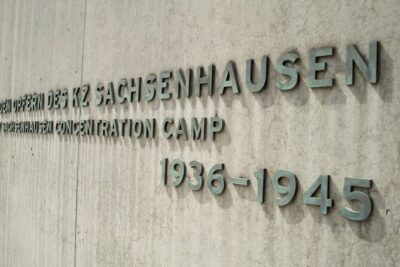
Sachsenhausen Concentration Camp Tour in English
Read our review →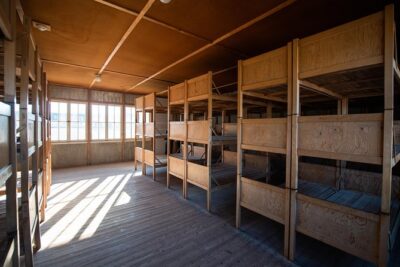
Dachau Concentration Camp Memorial Site Tour from Munich by Train
Read our review →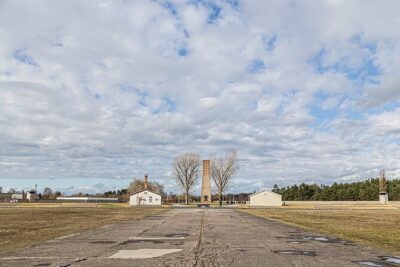
Sachsenhausen Concentration Camp Memorial Tour
Read our review →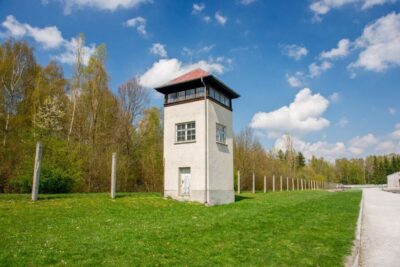
From Munich: Dachau Memorial Site Half-Day Trip
Read our review →
Sachsenhausen Concentration Camp Bus Tour in English from Berlin
Read our review →Sachsenhausen Concentration Camp Tour in English
Read our review →
Sachsenhausen Concentration Camp Memorial Tour (Max. 15 Guests)
Read our review →Browse the lists this tour appears in