
Reviewed · CONCENTRATION CAMP MEMORIALS
From Berlin: Sachsenhausen Concentration Camp Memorial Tour
Sachsenhausen is not a quick photo stop. It is a six-hour, guided visit to a former Nazi concentration camp, where the empty grounds, prisoner cells, guard towers, and museum displays make the past painfully real. The guide also helps you understand how this camp fit into the wider Nazi system and why it was used as an administrative center.
I like the small maximum group of 20, which makes it easier to ask questions, and I like the way the better guides, including Anna, Roshana, Siobhan, Sebastian, Miguel, and Sharon, connect the camp to the wider history of the Third Reich. The main drawback is practical: you must buy your own ABC public transport ticket, walk from the station, and bring food or plan around a day with little time to sit.
Key points to know before booking
- The tour begins at 10 a.m. near Alexanderplatz, at Generator Berlin Alexanderplatz.
- Public transport is not included, and you need an ABC ticket for the trip to Sachsenhausen.
- Allow about 20 minutes of walking from the station to the memorial, followed by extensive walking around the site.
- A €3 donation is collected before entry, usually by the guide, so bring exact change.
- The subject is serious and emotionally demanding, with detailed discussion of imprisonment and Nazi persecution.
- The tour returns to the Alexanderplatz meeting point after roughly six hours.
Why Sachsenhausen deserves a full day from Berlin
Berlin has no shortage of museums about the Third Reich, but Sachsenhausen gives you something a city exhibit cannot: the physical setting of a camp. You walk across the former grounds and see how the site was organized, controlled, and used.
That does not make the visit easy. This is a place for attention and respect, not casual sightseeing. You will hear about political prisoners, the Nazi camp system, and the daily conditions imposed on prisoners. The guide’s job is to provide context without turning the visit into a list of dates and grim facts.
I find the guided format especially useful here. At a site this large and historically loaded, it is easy to miss the meaning of a building or pass a location without understanding its purpose. A good guide ties the prisoner cells, guard towers, museum areas, and wider camp layout together.
The tour has an average rating of 4.5 from 557 reviews, but the important point is the pattern in the feedback. The strongest praise goes to the individual guides. Anna is often described as clear, serious, and very well prepared. Roshana is praised for her warmth, help with transport, and ability to keep the group moving. Siobhan is noted for careful storytelling and sensitivity. Sebastian receives high marks for connecting the camp to wider German and European history. Miguel is especially praised for patience and support with a wheelchair user. Sharon is described as friendly and well informed.
There is one warning to keep in mind. A few bookings have suffered from a guide no-show and poor communication. That appears to be unusual compared with the many positive accounts, but it is a real risk with any third-party tour. Keep your booking confirmation and allow yourself a way to contact the operator if the meeting does not go as planned.
More Concentration Camp Memorials in Berlin
- Berlin: Sachsenhausen Concentration Camp Tour in English
★ 5.0 · 5,711 reviews - Berlin: Sachsenhausen Concentration Camp Memorial Tour
★ 4.7 · 3,716 reviews - Sachsenhausen Concentration Camp Bus Tour in English from Berlin
★ 5.0 · 1,962 reviews
Meeting at Alexanderplatz at 10 a.m.
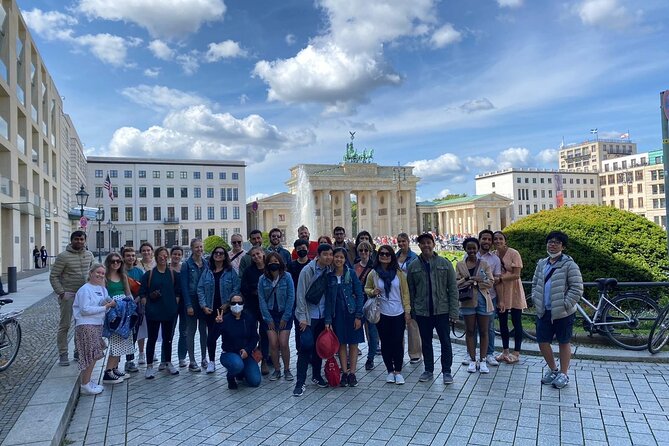
The meeting point is outside Generator Berlin Alexanderplatz at Otto-Braun-Straße 65. This is a practical place to start because Alexanderplatz is easy to reach from much of central Berlin, but do not treat the departure as flexible. Arrive early enough to find the guide and group without rushing.
The activity begins at 10 a.m. and ends back at the same meeting point. The return arrangement is helpful if you have evening plans, though the six-hour estimate includes transport and walking, so you should not schedule a tight appointment soon after the tour.
Your guide helps the group get to Sachsenhausen using public transport. The ABC ticket is not included in the price. This matters because Sachsenhausen is outside Berlin’s central fare area, and the correct ticket is part of the cost of the day.
One of the most useful parts of the tour may happen before you even reach the memorial. Several guides have helped people sort out the right ticket and get oriented on the public transport system. If you are unsure what to buy, ask before leaving Alexanderplatz rather than trying to solve it on your own.
The walk from the station to the memorial
The journey does not end when the train arrives. You can expect roughly a 20-minute walk from the station to the camp, and the site itself requires more walking. One person with knee problems had to shorten the visit and wait near the exit, while another comment describes the walk and camp grounds as tiring.
That makes footwear important. Wear comfortable shoes, and think realistically about your stamina. This is not a tour where you remain on a coach or move from one indoor exhibit to another. You walk through an open memorial site, often stopping to listen, then continue to the next point.
There is no food or drink included. One account notes that there was little time to rest for lunch and no convenient place to eat except outdoors. Bring water and a packed snack if you need one, while remembering that this remains a memorial site and not a picnic destination.
Weather can affect the experience. Rain, cold, and wind have made the visit harder for some people, especially because you spend time outdoors. Check the forecast and dress for several hours outside. This simple preparation can make it easier to focus on the history rather than your feet or the weather.
Entering Sachsenhausen Memorial and Museum
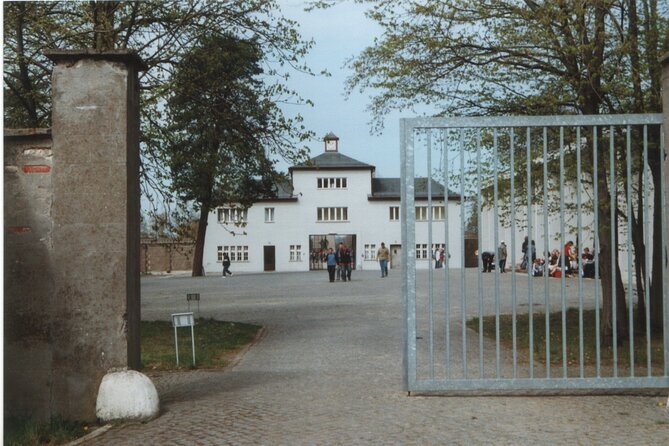
The official stop is the Gedenkstätte und Museum Sachsenhausen, or Sachsenhausen Memorial and Museum. The stated admission is free, but a €3 per-person donation is required for the memorial and its maintenance. The guide collects it before entry, and exact change is recommended.
The donation is a small extra cost, but it is worth knowing about before you arrive. At $29.81 per person, the tour price is modest for a six-hour guided outing, yet the total cost also includes the ABC transport ticket and the donation. Food is extra as well.
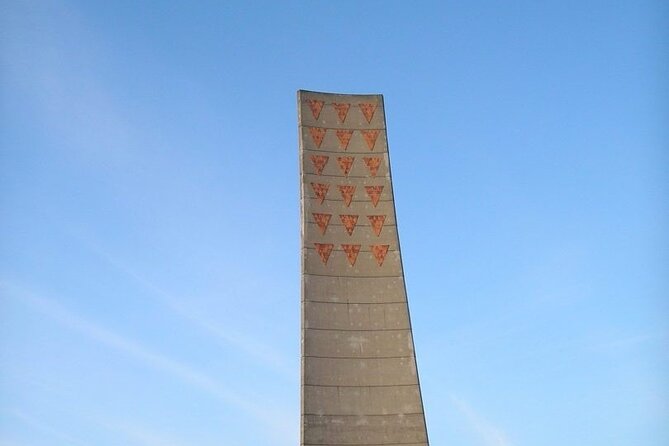
The memorial is a former Nazi concentration camp used primarily for political prisoners. The guide explains not only what happened within the camp but also how it operated as part of the larger concentration camp system. That wider explanation is one reason to choose a guide instead of simply arriving with a map.
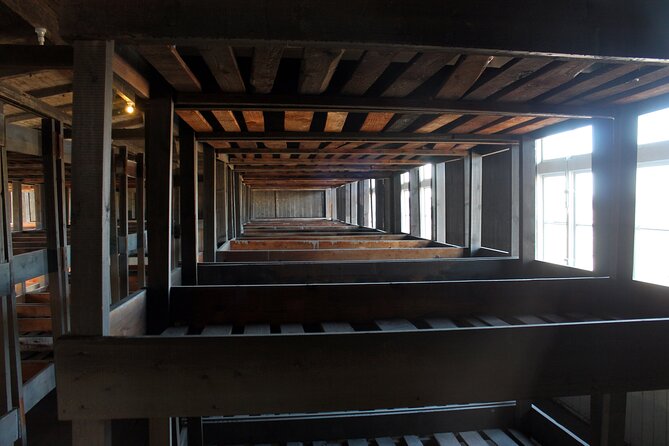
You will see key areas such as prisoner cells and guard towers. These are not presented as isolated sights. The guide explains their place in the camp’s system of control and relates them to the experiences of the people imprisoned there.
The site also shows how the Nazi regime turned imprisonment into an organized structure. The tour’s focus on administration and the Third Reich helps you understand that the camp was not an accidental collection of buildings. It was designed and run as part of a wider political and social system.
Same city, a completely different kind of day:
- Berlin: Reichstag, Dome and Government District Guided Tour
★ 4.7 · 18,288 reviews - Berlin: 1-Hour City Tour by Boat with Guaranteed Seating
★ 4.3 · 16,993 reviews - Berlin: Boat Tour Along the River Spree
★ 4.4 · 11,252 reviews - Discover Berlin Half-Day Walking Tour
★ 5.0 · 9,624 reviews
What the guides add to the visit
The quality of the day depends heavily on the person leading it. The most praised guides handle three difficult tasks at once: they explain the facts, tell human stories, and keep the group moving across a large site.
Anna is repeatedly praised for presenting a clear timeline and answering questions in detail. Her approach appears useful if you want the camp placed within the sequence of events that allowed the Nazi system to develop. She is also described as attentive about keeping the group together.
Roshana has been praised for combining historical explanation with practical help. She assisted people with transport, answered questions, and helped them find their way back after the visit. That matters on a tour where the journey to and from the memorial is part of the experience.
Siobhan is described as a strong storyteller who balances the seriousness of the site with an engaging presentation. That does not mean the tour becomes lighthearted. It means the information is easier to follow during a long day with a difficult subject.
Sebastian is praised for linking Sachsenhausen to German culture, wider European history, and different periods of the country’s past. If you want more than a site-by-site explanation, his style should suit you.
Miguel is noted for patience and for helping a wheelchair user. The available information does not promise full accessibility, so you should ask the provider about your own mobility needs before booking. Still, his reported care suggests that the guide may be willing to adjust where possible.
Sharon is praised for friendly help on the journey and for sharing small facts about the camp. The actual guide is assigned rather than selected at booking, so you should not assume you will receive a particular person. These names are useful examples of the range of guiding styles you may encounter.
A serious visit, not a standard sightseeing tour
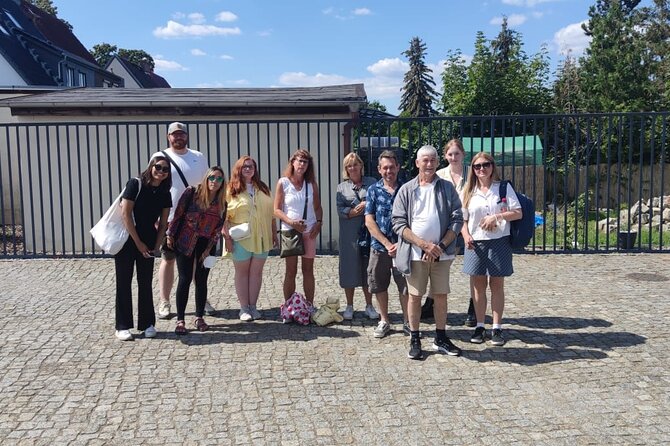
The camp’s subject matter is brutal. You may hear detailed accounts of imprisonment, Nazi persecution, and the conditions faced by prisoners. Guides have been praised for not avoiding difficult facts while still presenting the material with care.
That balance is important. A guide who gives only dates and building names can make the place feel distant. A guide who focuses only on shocking details can turn suffering into spectacle. The strongest accounts describe a more thoughtful approach, with historical explanation, personal stories, and time for questions.
You should also expect the day to feel emotionally heavy. Several people describe it as moving, intense, heartbreaking, or memorable. That is not a flaw in the tour. It is part of visiting a former concentration camp, but you should decide in advance if this is the right activity for your group.
Teenagers with an interest in Second World War history may get a great deal from the visit. One parent found that a guide helped a 15-year-old understand more than he would have from a self-guided visit. Children must be accompanied by an adult, and you should judge your child’s readiness for the subject rather than relying only on the minimum age.
Is the $29.81 price good value?
At $29.81, this is an inexpensive way to spend roughly six hours with a professional guide. The memorial itself has no standard entrance fee, but the tour price pays for the guide’s time, organization, and assistance with the journey from central Berlin.
The value is strongest if you want context. You can visit Sachsenhausen independently, but then you must arrange the correct transport, find the memorial, understand the layout, and decide what to read. A good guide adds a clear timeline and explains how each area fits into the camp’s operation.
The price is less attractive if you dislike group tours or already know the subject well. You will still pay for your own transport, donation, and food, and you may prefer to move at your own pace. A maximum of 20 people is reasonably manageable, but it is not a private tour.
The biggest question is not admission cost. It is whether guided explanation will help you process a large and difficult site. For most first-time visitors, I think it does. The guide saves time, fills in gaps, and gives you a way to ask about details that a plaque may not explain.
Walking, mobility, and comfort
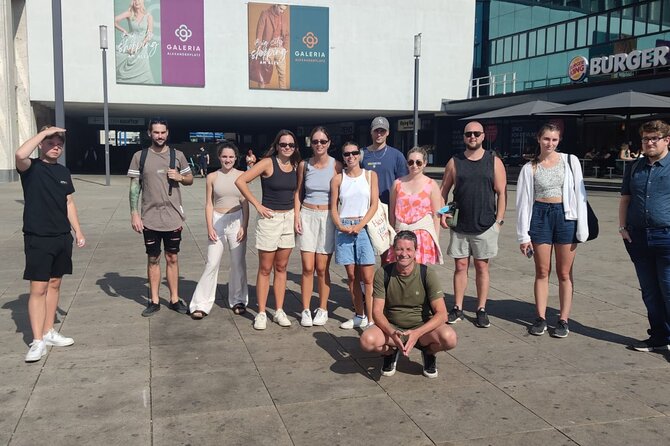
Plan for a lot of time on your feet. The route includes the walk from the station, movement around the memorial, and repeated stops across the grounds. The total is manageable for most participants, but it can be difficult if you have knee, mobility, or fatigue problems.
The tour is described as suitable for most people, but that is not the same as a promise of easy access everywhere. If someone in your party uses a wheelchair or cannot walk for long periods, contact the provider before booking. A guide may be able to help, as Miguel did for one wheelchair user, but the supplied information does not guarantee a specific route or service.
Bring weather protection and water. Since the visit is outdoors in part, rain and wind can affect your comfort. The tour continues in poor weather, so dress for the conditions rather than treating this as an indoor museum visit.
Booking, cancellations, and the no-show concern
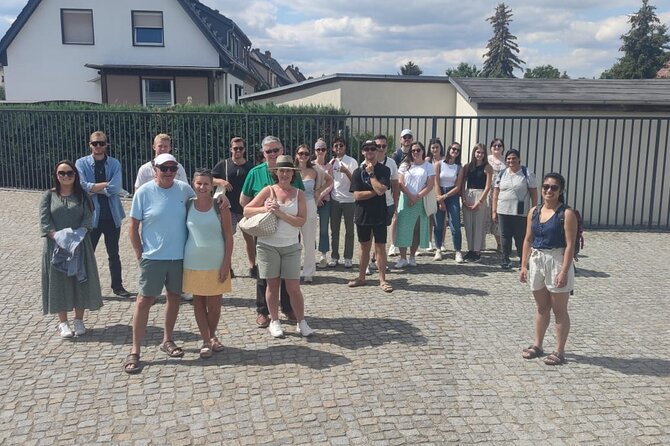
You can cancel for a full refund up to 24 hours before the 10 a.m. start time. Cancellations or changes made less than 24 hours before the experience are not accepted for a refund, and the cut-off is based on local time.
Confirmation arrives when you book, and the tour is offered in English. Children must be accompanied by an adult, and the group can include up to 20 people.
The rare no-show complaints should not be ignored. Two people reported waiting at the meeting point without a guide and having trouble reaching the operator. Most of the available feedback is strongly positive, but I would save the confirmation, arrive early, and keep the provider’s contact details close at hand. If the guide is not there at the stated time, document your attempts to reach the operator.
Who should book this Sachsenhausen tour?
I would choose this tour if you are visiting Berlin for the first time and want help understanding Sachsenhausen rather than simply walking through it. It suits people interested in the Third Reich, Nazi Germany, political imprisonment, and the way large systems of persecution operated.
It also suits families with older teenagers who are ready for serious history. The clear timeline and personal stories can give young visitors a stronger grasp of the subject than a short museum visit.
I would think twice if you need a slow pace, a long lunch break, or an indoor activity. The walk is substantial, the weather may be unpleasant, and the content is emotionally hard. Independent visitors who prefer silence and solitude may also find the group format limiting.
Should you book it?
Book it if you want structure, context, and help with the journey. The modest price, English guidance, small group cap, and strong record of guide-led explanations make this a useful first visit to Sachsenhausen.
Before paying, budget for the ABC ticket and €3 donation, bring exact change, wear good shoes, and pack water and food. If mobility is a concern, ask about the walking route first. And because there have been isolated no-show problems, keep your confirmation and contact information available.
This is not a cheerful day out, nor should it be. It is a serious visit to a place that deserves time and attention. With a strong guide such as Anna, Roshana, Siobhan, Sebastian, Miguel, or Sharon, you can leave with a clearer understanding of what happened there and how the camp fitted into the wider Nazi system.
FAQ
How long does the Sachsenhausen tour take?
The tour lasts approximately six hours, including the journey from Berlin, the walk to the memorial, the guided visit, and the return to the Alexanderplatz meeting point.
Where does the tour begin?
It begins at 10 a.m. at Generator Berlin Alexanderplatz, Otto-Braun-Straße 65, 10178 Berlin, Germany.
Where does the tour end?
The activity ends back at the Alexanderplatz meeting point.
Is public transport included in the tour price?
No. You must purchase your own ABC public transport ticket.
Is there an entrance fee for Sachsenhausen Memorial and Museum?
A €3 per-person donation is required for the memorial and its maintenance. The guide collects it before entering, and exact change is recommended.
Is food included?
No. Food and drinks are not included. You should plan ahead because the schedule may leave little time for a proper lunch.
Is the tour offered in English?
Yes. The experience is offered in English.
How many people can join the tour?
The group can have a maximum of 20 travelers.
Can children join the tour?
Yes, but children must be accompanied by an adult.
Can I cancel for a full refund?
Yes, if you cancel at least 24 hours before the experience start time. Cancellations or changes made less than 24 hours before the start are not eligible for a refund.
Just added in Berlin
- Berlin & The Third Reich Private Guided Tour★ 5.0 · 3 reviews
- Third Reich Quest Experience in Berlin★ 4.5 · 7 reviews
- Private Analogue Photography Experience in Berlin★ 5.0 · 3 reviews
- Berlin Urbex Adventure and History Tour★ 5.0 · 9 reviews
- The Beauty of Berlin by Bike: Private Tour★ 5.0 · 59 reviews
- Berlin: Guided Bike tour of the Berlin Wall and Third Reich★ 5.0 · 160 reviews
- Beyond Currywurst: Berlin’s Hidden Street Food & Culture Tour★ 5.0 · 100 reviews
- Berlin Third Reich & Cold War Walking Tour With A Guide★ 5.0 · 7 reviews
Concentration Camp Memorials, compared.
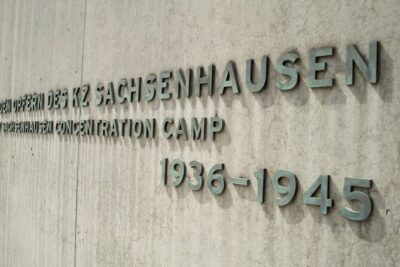
Sachsenhausen Concentration Camp Tour in English
Read our review →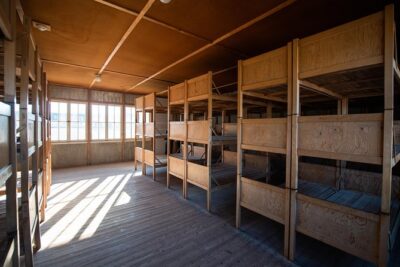
Dachau Concentration Camp Memorial Site Tour from Munich by Train
Read our review →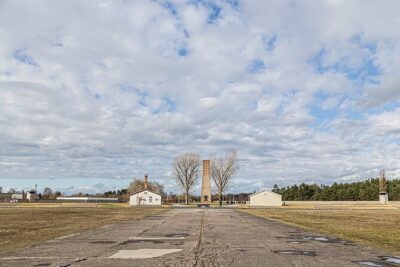
Sachsenhausen Concentration Camp Memorial Tour
Read our review →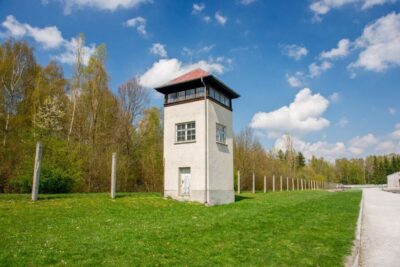
From Munich: Dachau Memorial Site Half-Day Trip
Read our review →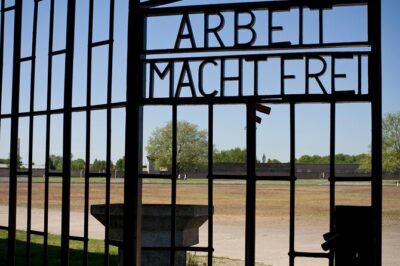
Sachsenhausen Concentration Camp Bus Tour in English from Berlin
Read our review →Sachsenhausen Concentration Camp Tour in English
Read our review →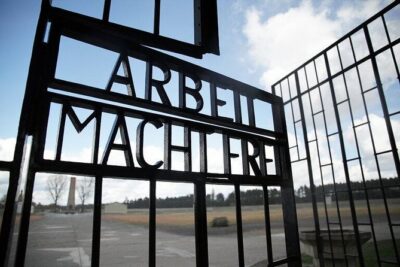
Sachsenhausen Concentration Camp Memorial Tour (Max. 15 Guests)
Read our review →Browse the lists this tour appears in