
Reviewed · FOOD
Berlin Center Food Tour with 8+ Authentic Local Tastings
Berlin tells its story through food unusually well. A Turkish sweet, a plate of currywurst, and a local beer each point to a different chapter of the city, and this tour connects those bites with street murals, Soviet-era streets, and Berlin Wall history.
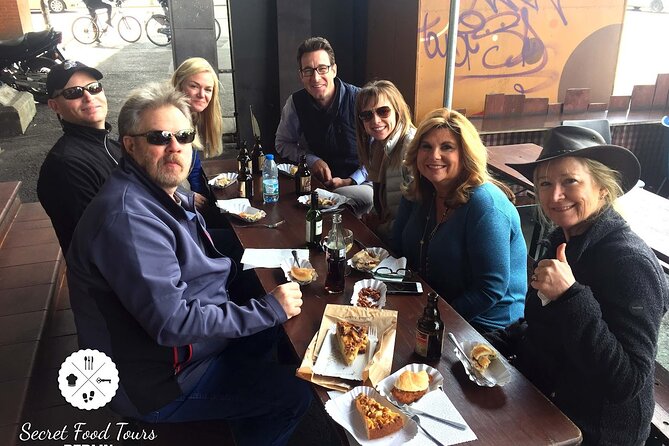
I like the blend of food and place, especially the stops at the Raw Market, East Side Gallery, and tucked-away courtyards. I also like the small maximum group of 12, since guides such as Daniel, Francesco, Fotini, Vincent, and Dania can keep the walk conversational rather than turning it into a moving crowd.
The main caution is value. At $118.51 per person, this is not a cheap way to grab lunch, and a few of the tastings may feel more like shared portions than a series of full meals. The meeting details also need checking, since the information gives both Burgstraße 19 and Warschauer U-Bahn as starting references.
Key points to know before booking
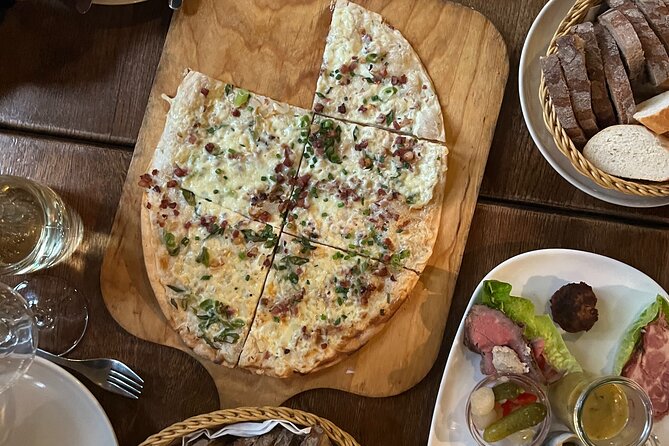
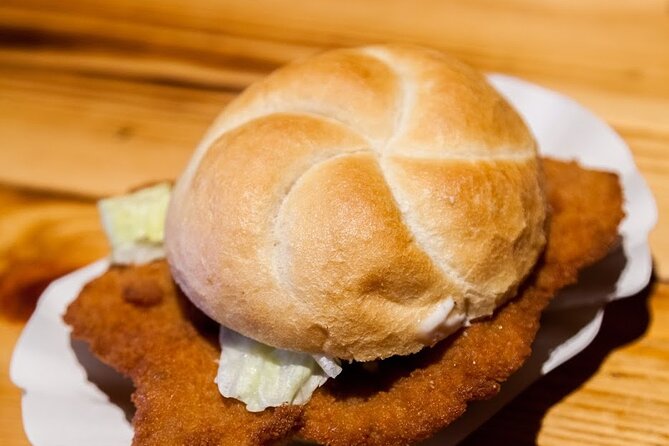
- Eight or more tastes: Expect Berlin kebab, currywurst, Berliner doughnuts, pastries, Kässpätzle, Flammenkuchen or similar beer garden food, a Turkish sweet, and a final secret dish.
- Food with city context: The route links eating with Berlin’s divided past, immigrant communities, street art, churches, courtyards, and the Berlin Wall.
- Small group size: The maximum is 12 people, a useful limit for asking questions and staying close to the guide.
- A filling three hours: Several portions plus beer or wine can add up to a full meal, so arrive hungry.
- Walking matters: Comfortable shoes are essential. The pace is generally manageable, but you will be on foot between stops.
- Check the start point: The booking information lists Burgstraße 19, while the tour description refers to Warschauer U-Bahn Station. Confirm the exact meeting place before setting out.
Why food is a smart way to read Berlin
Berlin’s food culture is not built around one tidy national menu. The city’s familiar dishes reflect German traditions, postwar changes, immigration, division, and reunification. That makes a food walk useful here, especially if you want more than a parade of monuments.
You may begin with something as simple as a Berliner doughnut and end with a Turkish sweet, with currywurst and kebab in between. The point is not only to decide which bite tastes best. It is to see how Berlin became a city where old German dishes sit beside food brought by newer communities.
The guide supplies the thread between each stop. Guides named in the feedback include Daniel, Francesco, Fotini, Vincent, Dania, and Danielle, and the strongest praise goes to their warmth, historical detail, and ability to answer questions. That matters because the route covers several neighborhoods and historical periods in a short time.
I would book this near the beginning of your Berlin stay. You get food ideas for later, and guides have offered restaurant suggestions that participants used after the tour. It also gives you a first look at places you might not find on a standard sightseeing route.
More Food Tours in Berlin
- Kreuzberg: Culinary Food Tour
★ 4.5 · 770 reviews - Berlin: Mitte Culinary Food Tour
★ 4.5 · 447 reviews - Berlin: 3-Hour Secret Food Tour
★ 4.8 · 269 reviews
Starting among courtyards, doughnuts, and old Berlin
One part of the route leads through Berlin’s historic center, where hidden passages and courtyards carry layers of street art, cafés, cinemas, and older buildings. The walking here is less about one grand sight and more about noticing the spaces between the main streets.
A stop for Berliner doughnuts gives the tour an easy opening. These round pastries are a familiar Berlin treat, and beginning with something sweet helps set a relaxed tone. It is also a practical first taste for anyone who wants a clear local reference point before the more substantial food arrives.
The route includes a mention of an 18th-century Evangelical church connected with a clandestine Martin Luther King service during the Cold War. That is the kind of smaller historical detail that can make the walk worthwhile even if you already visited Berlin’s headline sights.
You should not expect a full, uninterrupted history lesson at every stop. The experience works best as a series of short stories attached to food and streets. If you want a formal museum tour, this is not a substitute. If you like learning why an ordinary corner matters, the format fits well.
Raw Market and Berlin’s transformation
The Raw Market helps frame Berlin’s change from the 19th century through the Cold War and the period after 1989. The area is tied to the city’s industrial and creative sides, so it gives the tour a useful setting for discussing how Berlin moved through war, division, and reunification.
This is also where the visual side of the experience becomes important. Street murals and art spaces are not just decoration here. They help show how former industrial or overlooked areas gained new uses and new identities.
The route description connects this part of the walk with East Berlin’s art galleries, Soviet-era boulevards, and colorful public art. You get a mix of architecture and food rather than a simple restaurant crawl. I like that balance because three hours of eating without context can become repetitive.
The tradeoff is that the route has a lot to cover. Some stops may receive only a short explanation before the group moves on. If a particular art space or Cold War site interests you, note its name and return later with more time.
Kebab, currywurst, and the city’s mixed menu
The Berlin kebab stop is one of the more meaningful food choices. Kebab is now part of everyday Berlin eating, and its presence on the route reflects the city’s Turkish influence. It gives you a chance to taste a dish that is closely associated with modern Berlin, not just a traditional German plate.
Currywurst provides a different side of the city. This sausage with curry-seasoned sauce is one of Berlin’s best-known street foods, and it is usually a quick, casual meal rather than a ceremonial dish. You will get a sense of why it remains so popular, even if you already know the basic idea.
The menu also includes traditional baked pastry, beer garden food, and Kässpätzle. Kässpätzle, a soft egg-noodle dish with cheese, brings a hearty Central European note to the selection. Flammenkuchen, described as a German tart made with flatbread, adds a thin, savory stop that breaks up the heavier food.
The available information lists a signature secret dish as well. Its exact identity is not provided, and the menu can change based on weather, location availability, and other practical issues. That is worth remembering if you are booking because of one specific dish.
Portions seem designed to leave you satisfied. Several people found there was plenty to eat, while others would have preferred smaller portions and more variety. I would treat this as a light meal that can become a full lunch, not as eight equally large tastings.
Same city, a completely different kind of day:
- Berlin: Reichstag, Dome and Government District Guided Tour
★ 4.7 · 18,288 reviews - Berlin: 1-Hour City Tour by Boat with Guaranteed Seating
★ 4.3 · 16,993 reviews - Berlin: Boat Tour Along the River Spree
★ 4.4 · 11,252 reviews - Discover Berlin Half-Day Walking Tour
★ 5.0 · 9,624 reviews
Pastries, Turkish sweets, and the immigrant story
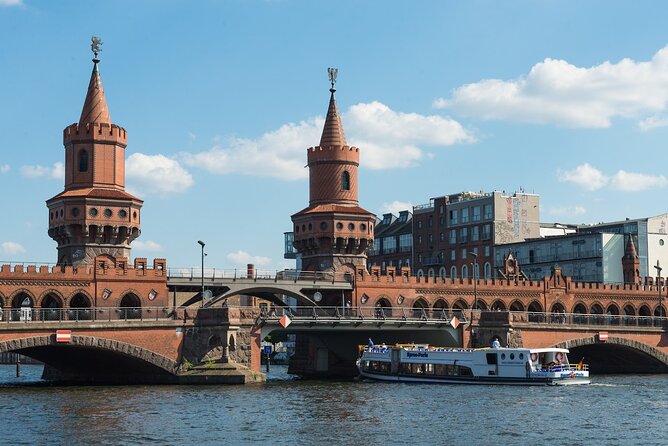
The bakery stop adds another texture to the route. You may sample several cakes and pastries, which gives you more variety than a single named dish. This is a pleasant pause during the walk, though people with a small appetite may find the total amount of food substantial once the savory stops are included.
The Turkish sweet is especially useful in the wider story of Berlin. It shows how the city’s everyday food has been shaped by immigrant communities. The tour does not present German cuisine as fixed or isolated, and that is one of its better qualities.
Food tours can sometimes turn cultural food into a quick photo opportunity. Here, the stated aim is to explain the culinary importance of each taste. The quality of that explanation will depend on the guide, but the guides praised by name were often described as friendly, engaging, and strong on Berlin’s history.
If you have dietary needs, contact the operator in advance. The menu is subject to change, and the company asks for advance notice so it can cater as well as possible. Do not wait until the meeting point to explain a serious allergy or restriction.
Beer, Riesling, and the drinks question
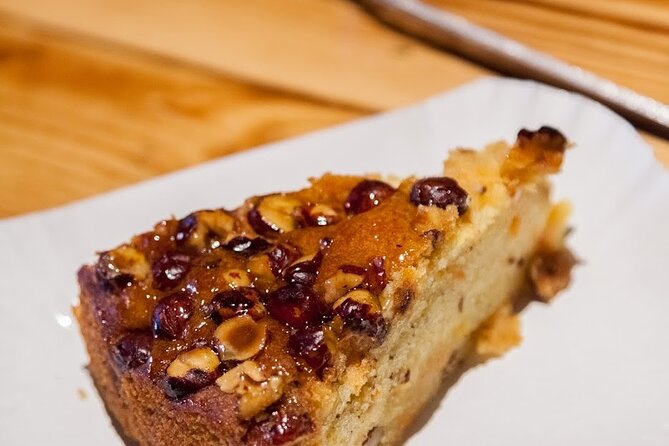
The package includes a glass of German Riesling and a fresh pint of local draft beer. Other descriptions of the experience refer to three alcoholic drinks, while one account counted two drinks among eight items and noted that nonalcoholic options were available.
Because those details do not line up perfectly, I would confirm the current drink allowance when you book. If you do not drink beer, the information says you can request a soft drink or coffee. Nonalcoholic choices are available, but the exact replacement should be checked in advance.
The drinks are part of the value calculation. A beer or wine with food makes the tour feel more like a hosted meal, and it gives the guide another opening to discuss local habits. But if you do not drink alcohol, you may feel the listed price less strongly unless the food and historical content matter most to you.
Finishing at the East Side Gallery
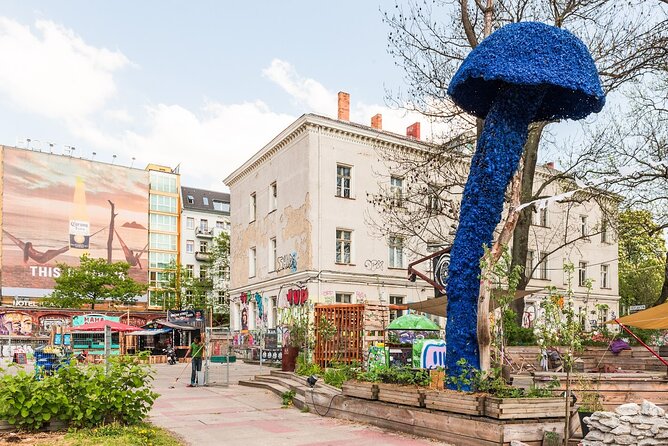
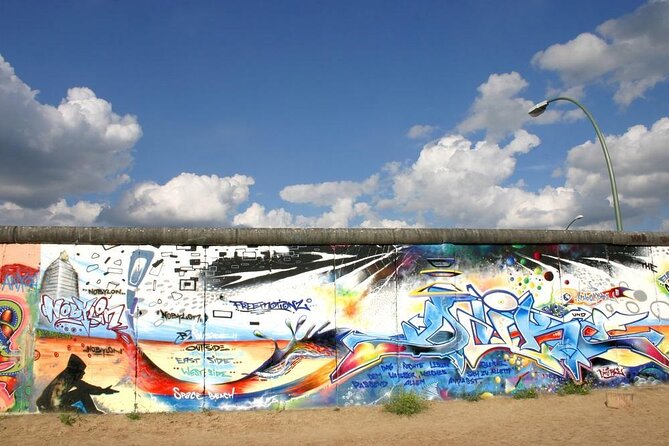
The tour ends at the East Side Gallery, one of the best-known remaining sections of the Berlin Wall. Its murals turn a once-dividing structure into an open-air art site, and ending here gives the walk a strong visual finish.
You will also have one last food taste at the end. That final bite may be the secret dish or another replacement, since the menu can change. One participant noted that a dish was unavailable at the final stop and no substitute was provided, so it is sensible to keep expectations flexible.
The East Side Gallery is a good ending because it gathers several themes from the route: division, art, change, and the city’s ability to reuse difficult places. You finish near Hackescher Markt according to the stated end point, giving you an easy area for cafés, shops, and further sightseeing.
There is a practical inconsistency here too. The formal meeting details give a start at Burgstraße 19, 10178 Berlin, and an end at Hackescher Markt, while the tour description says to meet at Warschauer U-Bahn Station. Confirm the exact start location in your final message so you do not lose time crossing Berlin.
Is $118.51 a fair price?
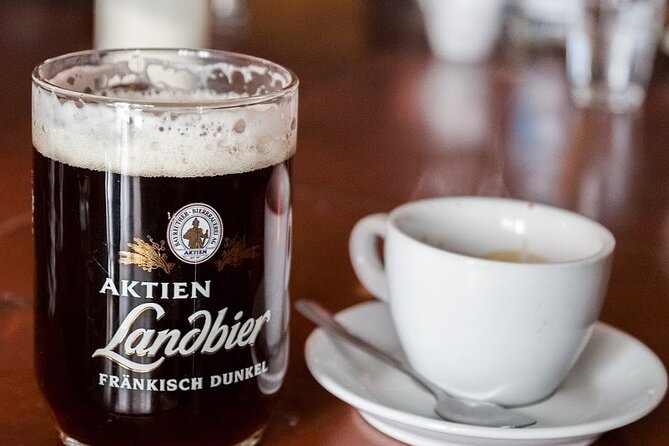
The answer depends on what you want the money to cover. If you count only the food purchased, the price may feel high, particularly if your group receives shared portions or if a promised item is replaced. One person specifically felt the food did not justify a fee above £80, while another found the overall value good because the food, drinks, guide, and history came together.
I see this as a combined walking tour and hosted tasting, not a cheap eating route. You are paying for someone else to plan the stops, explain the city, manage the route, and connect dishes with local culture. The small group limit adds value because it usually makes conversation easier than on a large coach-style outing.
The price makes the most sense if you want three hours of structured orientation. It is less convincing if you already know Berlin well, prefer choosing your own restaurants, or mainly want large portions of food.
The strongest value may come after the tour. A good guide can point you toward places to eat for the rest of your stay, and several guides were praised for specific food recommendations. If you use those suggestions, the tour can influence more than one meal.
Who will enjoy this walk most?
I would recommend it to first-time visitors who want history without spending three hours inside a museum. Families can manage it, and a parent’s account noted that two teenagers with modest appetites still sampled everything. Come hungry, but do not assume every child will want every dish.
It also suits couples and solo visitors who like meeting a small group while seeing less obvious corners of Berlin. The tour is offered in English, and most people can participate, but you should expect regular walking and wear comfortable shoes.
Food-focused visitors should enjoy the variety, though purists looking for only classic German cuisine may find the Turkish and international influences just as prominent. That is a strength if you want modern Berlin. It may be a drawback if you want a narrow tour of regional German cooking.
I would skip it if you need a guaranteed, fixed menu, dislike group schedules, or want a gentle seated tasting. The itinerary and menu can change, and the route includes several walking segments between food stops.
Should you book the Berlin Center Food Tour?
I would book this tour if you want to understand Berlin through ordinary food, public art, and the city’s divided past. The best parts are the combination of kebab and currywurst, the smaller historical sites, the East Side Gallery finish, and guides who make room for questions.
I would book it early in your stay and confirm three things first: the exact meeting point, the current number of drinks, and how dietary requests will be handled. At $118.51, it is a considered purchase, but it can be worthwhile if you value local explanation as much as the food itself.
If your priority is maximum food quantity for the lowest price, choose a restaurant crawl on your own. If you want a friendly introduction to Berlin with enough food to replace a meal, this three-hour walk is a solid choice.
FAQ
How long does the Berlin Center Food Tour last?
The tour lasts approximately three hours.
How many people can join the tour?
The maximum group size is 12 people.
What food is included?
The listed tastings include a famous Berlin kebab, traditional baked pastry, original Berlin currywurst, beer garden food, Kässpätzle, a Berliner doughnut, a signature secret dish, and other local or global-influenced tastes such as Flammenkuchen and a Turkish sweet. The menu can change.
Are drinks included?
The listed package includes a glass of German Riesling wine and a fresh pint of local draft beer. Nonalcoholic choices are available, but confirm the exact current drink arrangement when booking.
Where does the tour start and finish?
The stated meeting point is Burgstraße 19, 10178 Berlin, and the end point is Hackescher Markt. The tour description also refers to Warschauer U-Bahn Station as a meeting location, so confirm the exact start point before the tour.
Is the tour suitable for people with dietary requirements?
You should contact the operator in advance with any dietary requirement so it can assess the available options. The menu is subject to change.
Can I cancel for a full refund?
Yes. You can cancel at least 24 hours before the local start time for a full refund. Cancellations or changes made less than 24 hours before the start are not accepted for a refund.
Just added in Berlin
- Berlin & The Third Reich Private Guided Tour★ 5.0 · 3 reviews
- Third Reich Quest Experience in Berlin★ 4.5 · 7 reviews
- Private Analogue Photography Experience in Berlin★ 5.0 · 3 reviews
- Berlin Urbex Adventure and History Tour★ 5.0 · 9 reviews
- The Beauty of Berlin by Bike: Private Tour★ 5.0 · 59 reviews
- Berlin: Guided Bike tour of the Berlin Wall and Third Reich★ 5.0 · 160 reviews
- Beyond Currywurst: Berlin’s Hidden Street Food & Culture Tour★ 5.0 · 100 reviews
- Berlin Third Reich & Cold War Walking Tour With A Guide★ 5.0 · 7 reviews
Food, compared.
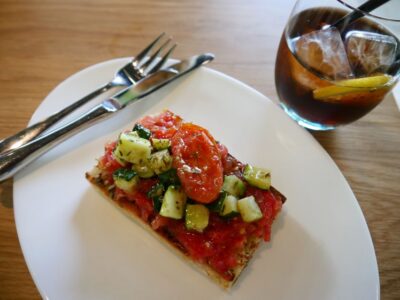
Elbphilharmonie Plaza and HafenCity Food Tour
Read our review →
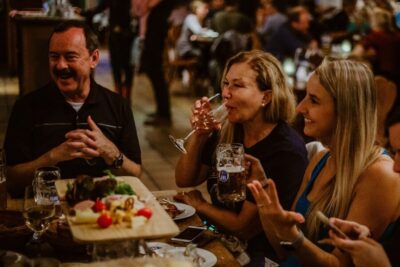
Beer and Food Tour with Dinner & Oktoberfest Museum
Read our review →

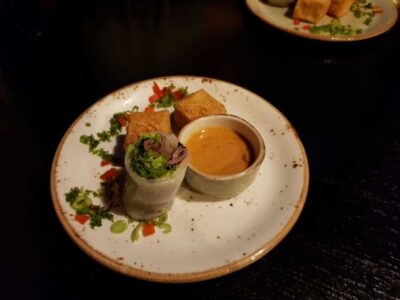
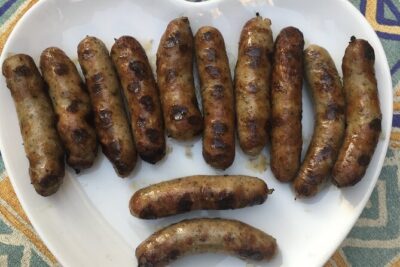
Lunch Like a Local: Munich’s ORIGINAL Viktualienmarkt Food Tour
Read our review →
Browse the lists this tour appears in