
Reviewed · CONCENTRATION CAMP MEMORIALS
Sachsenhausen concentration camp.
Sachsenhausen is not a sightseeing stop in the usual sense. It is a place for careful attention, where the camp’s layout, remaining buildings, and museum displays help you understand how political prisoners were controlled from 1936 until the end of the Nazi regime in 1945. The visit also covers the site’s later use as a Soviet special camp until 1950.
I like the Spanish-speaking guide, especially because a guide can give structure to a difficult subject and explain the daily life of prisoners rather than leaving you to read every panel alone. I also like the practical help with transport. The guide travels back to Berlin with you and can explain how to continue to another part of the city.
The main consideration is the six-hour length and long walks. Wear comfortable shoes, expect a serious day, and remember that your ABC transport ticket, food, and drinks cost extra.
Key points to know before you book
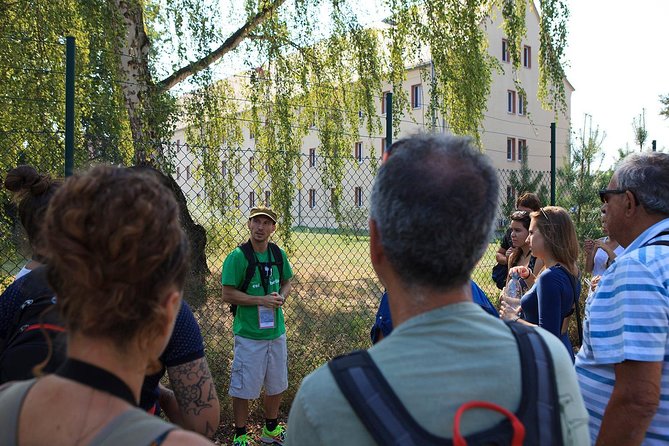
- A six-hour visit from central Berlin: The day begins at Berlin TV Tower at 10:00 am and includes the journey to Oranienburg.
- Spanish-language guidance: The guide explains the camp’s history, prisoners, and daily conditions in Spanish. Juan is one guide specifically praised for his serious approach and preparation.
- Three hours at the memorial site: Admission to Gedenkstätte und Museum Sachsenhausen is included.
- A serious historical focus: The tour covers Nazi imprisonment from 1936 to 1945 and the site’s later use as an NKVD special camp until 1950.
- Transport is not included: You must buy the required ABC public transport ticket separately.
- Easy cancellation terms: Cancel at least 24 hours before the start for a full refund.
Why Sachsenhausen deserves a full day from Berlin
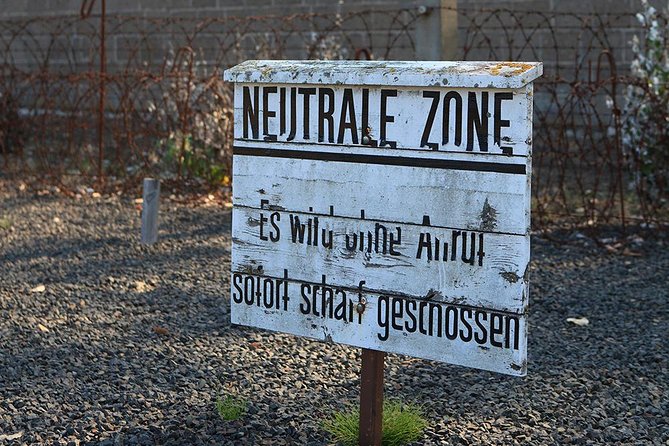
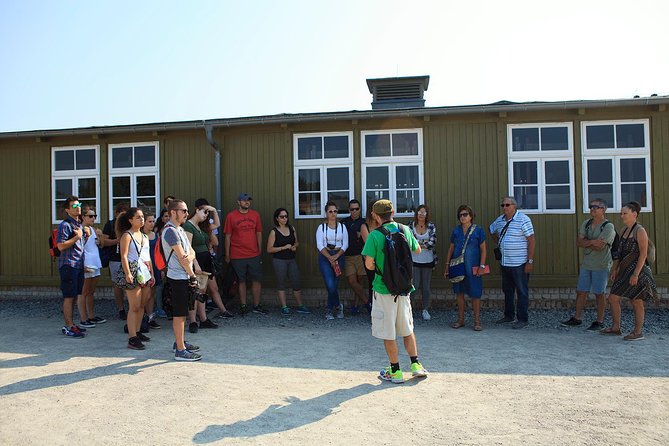
Sachsenhausen was a Nazi concentration camp in Oranienburg, outside Berlin. It was used mainly for political prisoners from 1936 until May 1945, when the Third Reich ended. Today, the remaining grounds and buildings form a public memorial and museum.
That setting matters. You are not simply viewing an exhibition about persecution in an enclosed gallery. You are walking through the former camp site, where the plan of the grounds and surviving structures help show how the camp operated. The physical scale also makes clear why a quick visit would feel rushed.
The tour is built around the whole story rather than one narrow theme. You can expect attention to the camp’s history, the daily lives of prisoners, and the different groups and individual profiles connected with the site. The later Soviet period is also part of the historical picture, since the grounds were used by the NKVD as a special camp until 1950.
I value that wider frame. It prevents you from treating liberation in 1945 as the final page of the location’s story. At the same time, the subject is heavy, so you should plan your Berlin schedule with enough quiet time afterward. This is not a cheerful half-day outing to squeeze between shopping and dinner.
More Concentration Camp Memorials in Berlin
- Berlin: Sachsenhausen Concentration Camp Tour in English
★ 5.0 · 5,711 reviews - Berlin: Sachsenhausen Concentration Camp Memorial Tour
★ 4.7 · 3,716 reviews - Sachsenhausen Concentration Camp Bus Tour in English from Berlin
★ 5.0 · 1,962 reviews
Starting at Berlin TV Tower at 10:00 am
The meeting point is Berlin TV Tower, at Panoramastraße 1A. That is a clear central location near public transport and one of the easiest places in Berlin to identify. You meet at 10:00 am, so allow enough time to reach the tower without rushing.
From there, the guide goes with you to Sachsenhausen. The transport ticket is not included, and you need an ABC ticket. This is an important cost detail because the memorial lies outside central Berlin’s usual travel zone. Check the correct ticket before departure, and keep the ticket requirement in mind when comparing the headline tour price with your total spending.
The transport time is not wasted time. It gives the guide room to explain how to reach Oranienburg and set the historical context before you arrive. One useful feature is that the guide also returns to Berlin with you and can explain how to reach another part of the city. There is no fixed finishing point in Mitte, however, so you should not expect a formal drop-off at one exact address.
This arrangement suits anyone who wants help with Berlin’s public transport. It is less ideal if you prefer to travel independently or want to leave the group immediately after the memorial visit.
Three hours inside the Sachsenhausen memorial
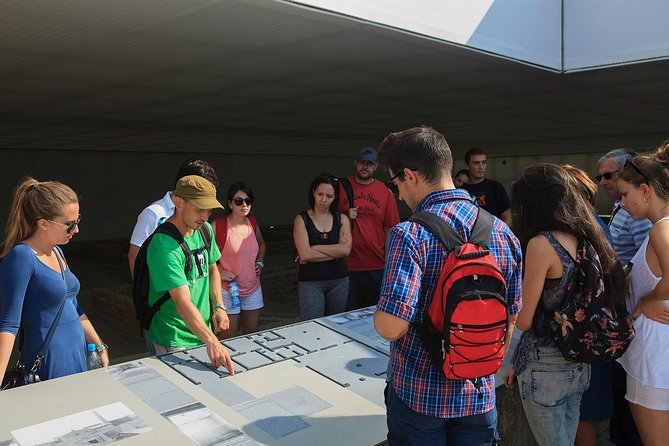
The scheduled visit at Gedenkstätte und Museum Sachsenhausen lasts about three hours, with admission included. That is enough time to take in the grounds and hear a structured explanation, while still leaving room for the journey back to Berlin within the six-hour schedule.
The camp’s remaining buildings and open areas are central to the visit. As you move through the site, the layout helps connect the guide’s explanation with the place itself. You can expect the focus to include how the camp was organized, what daily life involved, and how prisoners were treated and categorized.
The tour does not present the camp as a collection of isolated facts. It examines prisoners as people, including their backgrounds and profiles. That human focus matters. Statistics alone can make a place like this feel distant, while individual stories help you understand the loss and suffering in personal terms.
Three hours can still pass quickly. The site is large, and the activity notes warn that you will walk long distances. A moderate level of physical fitness is recommended. Comfortable shoes are not a minor suggestion here. They will make the day easier and allow you to give your attention to the guide rather than to sore feet.
Food and drinks are not included. Bring what you need for the outing, but keep the memorial setting in mind. This is a place for respectful behavior, not a casual picnic stop.
A guide who treats the subject with care
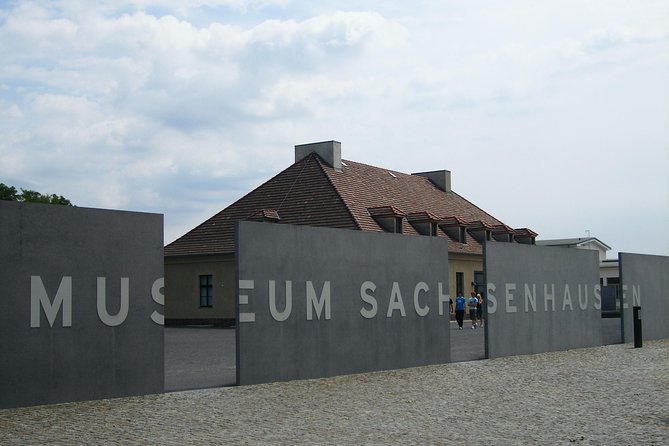
A Spanish-speaking guide leads the tour. That is the strongest reason to choose this experience over visiting without guidance if Spanish is your preferred language. Historical terms, prisoner categories, and the connection between the buildings and the wider Nazi system can be difficult to follow in a second language. A guide removes much of that strain.
The information supplied for this experience specifically names Juan in connection with praise for seriousness, preparation, and strong subject knowledge. You should not assume Juan will lead every departure, but his mention gives you a useful sense of the standard expected from the guiding team. The guide’s role also includes practical support during the transfer from Berlin and advice on reaching another city location afterward.
I like the combination of historical explanation and transport help. Many memorial visits fail on one of those two points. You either get a useful history talk but struggle to find the place, or you reach the site easily and miss the meaning of what you are seeing. This format tries to handle both.
Still, a group tour cannot match every visitor’s pace. The maximum group size is 30 people. That is not a tiny private group, and you may sometimes be listening alongside a fairly large party. The advantage is a lower price than a private guide. The tradeoff is less freedom to stop whenever you wish.
Same city, a completely different kind of day:
- Berlin: Reichstag, Dome and Government District Guided Tour
★ 4.7 · 18,288 reviews - Berlin: 1-Hour City Tour by Boat with Guaranteed Seating
★ 4.3 · 16,993 reviews - Berlin: Boat Tour Along the River Spree
★ 4.4 · 11,252 reviews - Discover Berlin Half-Day Walking Tour
★ 5.0 · 9,624 reviews
Understanding the camp’s changing history
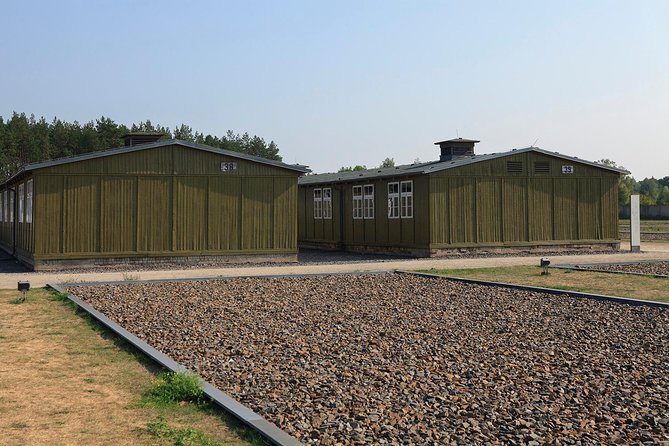
The Nazi period is the main focus. Sachsenhausen operated from 1936 until the end of the Third Reich in May 1945, primarily holding political prisoners. The tour explains the camp system through its site, prisoners, and day-to-day operation.
That wording is important because the visit is not only about famous names or major political events. You will hear about ordinary routines and the conditions prisoners faced. The guide’s explanation can help you connect the physical remains with the systems of control that made the camp function.
The site’s postwar history adds another layer. After the war, Oranienburg was in the Soviet Occupation Zone, and the former camp was used as an NKVD special camp until 1950. Including this chapter makes the visit more honest and more useful. It shows how places of imprisonment can continue to carry political and human consequences after a regime falls.
You should expect the subject matter to be upsetting. No tour can make it comfortable, and it should not try. The value comes from learning carefully and seeing the site with context, not from entertainment.
What the $34.76 price really covers
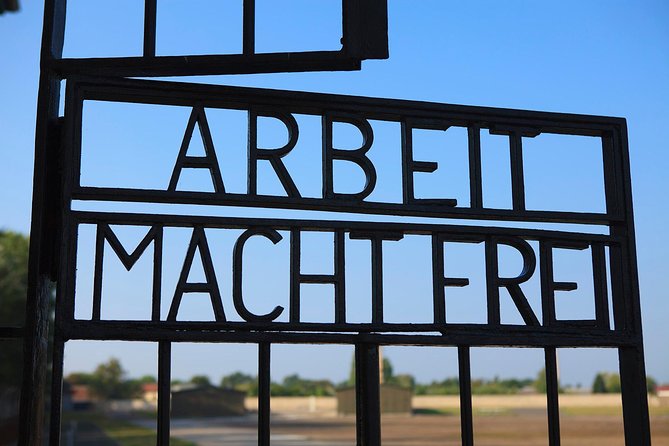
At $34.76 per person, the price is reasonable for a guided six-hour outing that includes admission to the memorial site. You are paying for the Spanish-language guide, the historical interpretation, and help with the journey from central Berlin and back.
The ABC transport ticket is extra, along with food and drinks. That means the advertised price is not your final cost, but the exclusions are clear. Add the transport fare before booking so you can compare this option fairly with an unguided visit.
The value is strongest if you want a structured explanation. A self-guided visit may cost less, but you would need to arrange your own route, understand the transport zones, and decide how to organize the site’s history. If you already know Sachsenhausen well and prefer to read at your own pace, the guided format may offer less benefit.
The 4.9 rating from 1,189 reviews and 99 percent recommendation indicate strong overall satisfaction. The most consistent praise centers on the meeting point, careful handling of the subject, and the guide’s preparation. Those are the details that matter most for a memorial visit.
Who will get the most from this experience
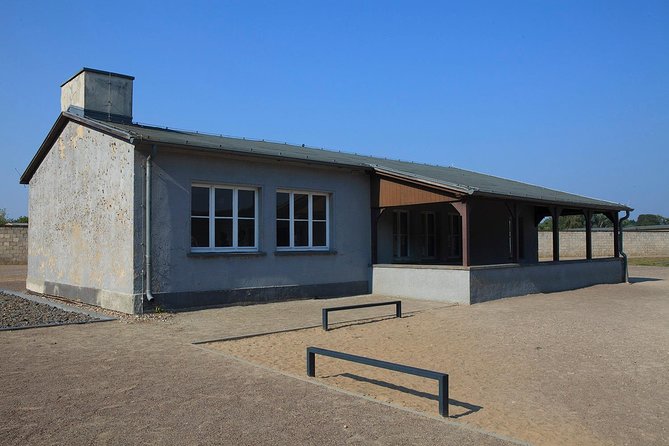
This tour suits you if you want:
- A Spanish-language explanation of Sachsenhausen
- A guide to handle the route from Berlin
- A full historical overview rather than a short photo stop
- Help understanding prisoner profiles and daily camp life
- A group experience at a moderate price
- A clear six-hour plan with a central meeting point
It is also suitable for visitors who want to place Berlin’s wartime history in a wider setting. You will leave the city center and spend time at a memorial where the remaining grounds and museum displays provide direct historical context.
You may prefer another arrangement if you need a private pace, dislike group transport, or want to spend much longer at the site. The 30-person maximum keeps the tour manageable, but it does not create the quiet, flexible rhythm of a private visit.
Families should think carefully about the age and sensitivity of everyone in the group. The supplied information does not give a minimum age or a specific child policy, so ask the provider before booking if that point matters to you.
Practical advice for a respectful visit
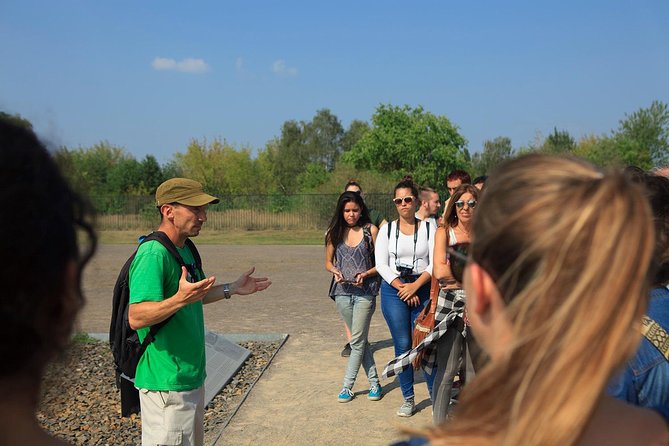
Meet at Berlin TV Tower before 10:00 am, not at the memorial itself. The group travels together, so arriving late could be a serious problem.
Wear sturdy, comfortable shoes. The walking distance is long, and the memorial grounds are not a place where you will want to hurry because of poor footwear. Dress for the weather, since the experience includes time outside, although the available information does not specify which buildings or indoor displays are visited.
Bring money or a suitable ticket for public transport. The ABC ticket is not included, and the guide cannot replace that requirement. Food and drinks are also your responsibility.
Give yourself emotional room. I would not book a major concert, formal dinner, or tightly timed attraction immediately afterward. The tour ends in Mitte without a specific final address, so use the guide’s city advice to decide where to continue.
Free cancellation is available if you cancel at least 24 hours before the start time. Cancellations within 24 hours are not refunded, and late changes are not accepted. That policy is worth noting because the experience requires group transport and a fixed start.
Should you book the Sachsenhausen tour?
Book it if you want a serious, guided visit in Spanish and value help with the journey from Berlin. The strongest parts are the three-hour memorial visit, the broad coverage of Nazi and postwar history, and the guide’s careful treatment of a difficult subject. The price is fair once you understand that transport is extra.
Skip it if you want a private visit, a flexible departure, or a shorter outing. For everyone else, this is a practical way to reach Sachsenhausen without losing the historical meaning of the place. Arrive early, wear comfortable shoes, bring the correct ABC ticket, and set aside enough time to think about what you have seen.
FAQ
Where does the Sachsenhausen tour start?
The tour starts at Berlin TV Tower, Panoramastraße 1A, 10178 Berlin, Germany.
What time does the tour begin?
The start time is 10:00 am.
How long does the experience last?
The full experience lasts approximately six hours.
How long is the visit at Sachsenhausen?
The scheduled stop at Gedenkstätte und Museum Sachsenhausen lasts about three hours.
Is admission to Sachsenhausen included?
Yes. Admission to the memorial and museum is included.
Is public transport included in the price?
No. You must purchase the ABC transportation ticket separately.
Is the tour conducted in Spanish?
Yes. The included local guide is Spanish-speaking.
Can I cancel for a full refund?
Yes. You can receive a full refund if you cancel at least 24 hours before the experience starts. Cancellations or changes within 24 hours are not accepted for a refund.
Just added in Berlin
- Berlin & The Third Reich Private Guided Tour★ 5.0 · 3 reviews
- Third Reich Quest Experience in Berlin★ 4.5 · 7 reviews
- Private Analogue Photography Experience in Berlin★ 5.0 · 3 reviews
- Berlin Urbex Adventure and History Tour★ 5.0 · 9 reviews
- The Beauty of Berlin by Bike: Private Tour★ 5.0 · 59 reviews
- Berlin: Guided Bike tour of the Berlin Wall and Third Reich★ 5.0 · 160 reviews
- Berlin Third Reich & Cold War Walking Tour With A Guide★ 5.0 · 7 reviews
- Shared Underground Party Tour in Berlin★ 4.5 · 9 reviews
Concentration Camp Memorials, compared.
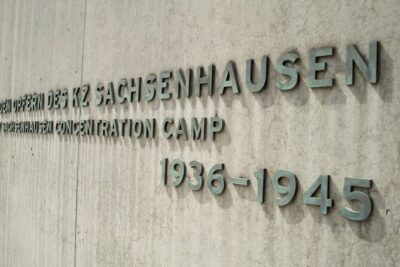
Sachsenhausen Concentration Camp Tour in English
Read our review →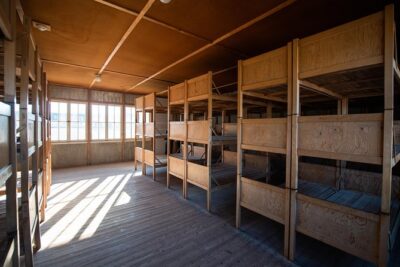
Dachau Concentration Camp Memorial Site Tour from Munich by Train
Read our review →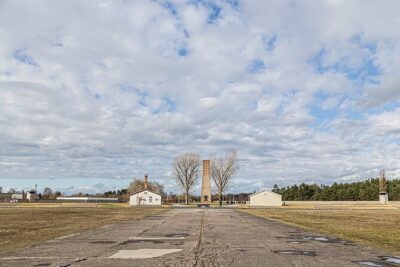
Sachsenhausen Concentration Camp Memorial Tour
Read our review →
From Munich: Dachau Memorial Site Half-Day Trip
Read our review →
Sachsenhausen Concentration Camp Bus Tour in English from Berlin
Read our review →Sachsenhausen Concentration Camp Tour in English
Read our review →
Sachsenhausen Concentration Camp Memorial Tour (Max. 15 Guests)
Read our review →Browse the lists this tour appears in