
Reviewed · GERMANY
Tickets to the Meissen Porcelain Factory
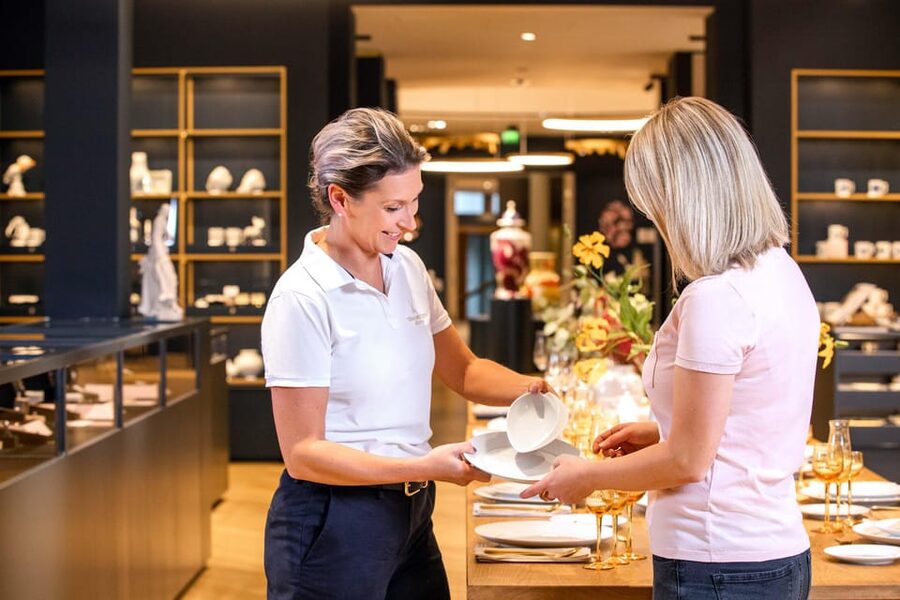
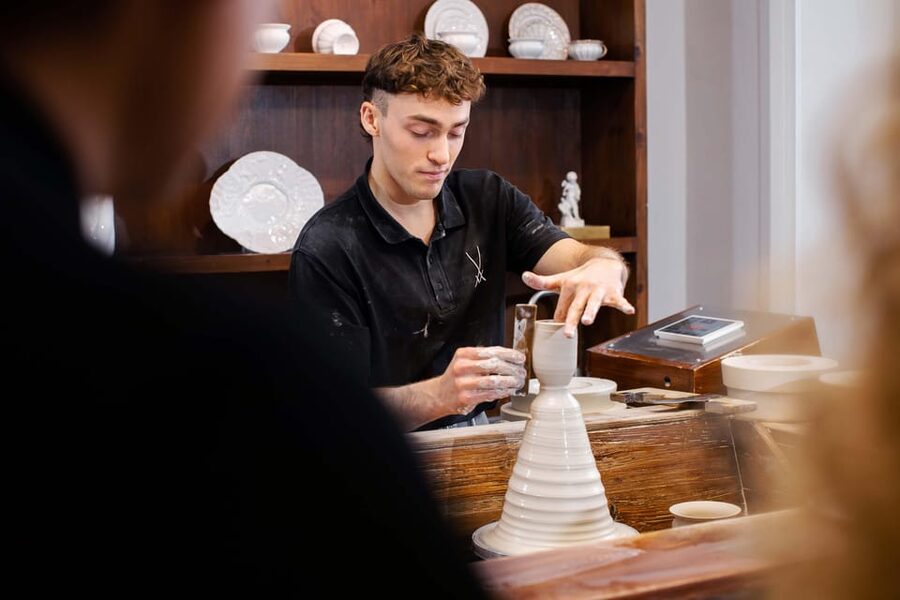
Meissen porcelain begins as a lump of pale material and ends as a delicate cup, elaborate figurine, or painted service. The most interesting part here is seeing the human hand remain central to the work, especially in the workshops where cups and figurines take shape in front of you.
I like the clear look at four key production stages, from molding and throwing to underglaze and overglaze painting. I also like the museum’s 300-year sequence of objects, which lets you watch tastes and designs change instead of seeing a random pile of pretty dishes.
The main drawback is timing. You should arrive before 3 PM for the audio-guided workshop tour, and the full experience can take much of a day. If you only want a quick museum visit, the $18 ticket may feel like more than you need.
Key points to know before you go

- Watch porcelain being formed by hand: See molding, throwing, figurine repair, and painted decoration in the demonstration workshops.
- Follow design from 1710 onward: The Museum of Meissen Art arranges pieces chronologically, making changes in style easier to understand.
- Use the multilingual audio guide: English and 14 other languages are available, including Spanish, Chinese, French, Italian, Japanese, and Russian.
- Arrive before 3 PM: The audio-guided workshop tour requires an early enough arrival, even though the site stays open later.
- Leave time for shopping and the cafe: The boutique, outlet center, and cafe add useful stops after the museum and workshops.
- Consider trying porcelain painting: One recent booking note highlights the chance to paint a piece yourself and create a personal Meissen item.
Why Meissen porcelain is worth your time
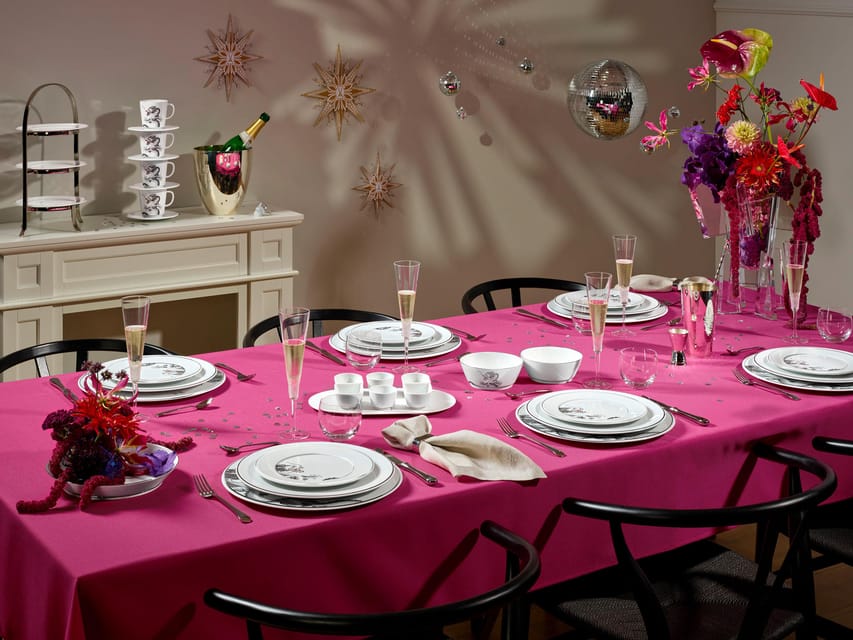
This is not simply a room full of expensive dishes. The strength of the Meissen experience is that it connects the finished object with the people and steps behind it.
Porcelain can look effortless when it is sitting in a glass case. A cup has a smooth curve. A figurine appears balanced and complete. The workshops show why these objects take such care. You see how separate pieces are shaped, joined, repaired, and painted before the final firing gives the work its finished look.
I especially like the focus on the human hand. Machines may assist modern production, but the experience explains that handwork has remained the main tool at the factory for centuries. That idea gives the visit a practical point: you are not only admiring an object, you are learning why small differences and careful corrections matter.
The setting also suits a slow day in Meissen. You can move from demonstrations to museum displays, then take a break at the cafe. Afterward, the boutique and outlet center give you a chance to compare polished collector pieces with items at different price levels.
Other days out in Germany that people book alongside this one:
- Berlin: Reichstag, Dome and Government District Guided Tour
★ 4.7 · 18,288 reviews - Berlin: 1-Hour City Tour by Boat with Guaranteed Seating
★ 4.3 · 16,993 reviews - Hamburg: Sex and Crime in St. Pauli Tour for Ages 18+
★ 4.7 · 15,447 reviews
Inside the demonstration workshops
Start with the workshop section, because this is where the factory becomes more than a display of finished products. The audio guide leads you through the main steps, so you can follow the process without needing a live guide in your language.
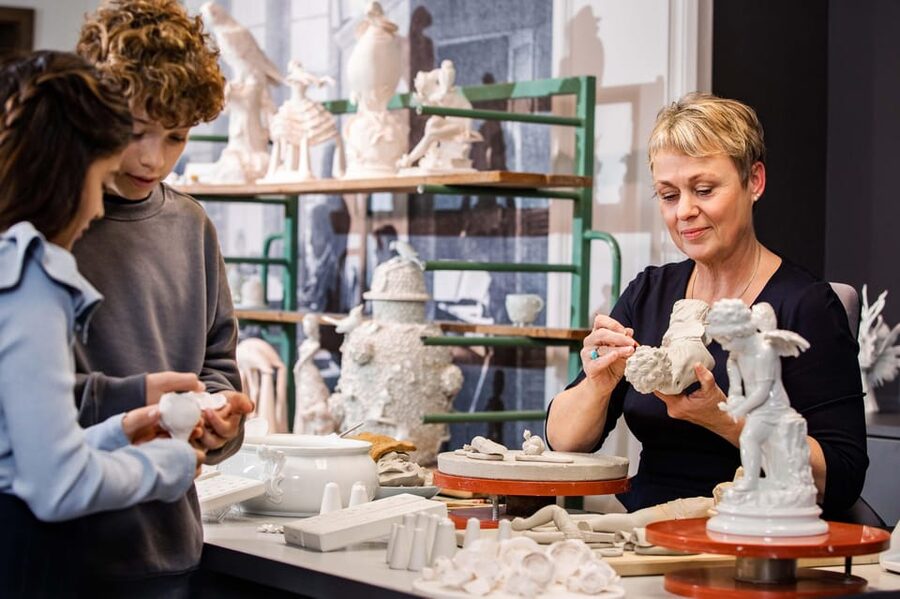
The first stages include molding and throwing. These methods show how the basic form of an item is created. Cups are a useful example because their familiar shape hides a lot of precision. You can watch how a simple vessel takes form and begin to notice the curve, thickness, and proportions that make a finished cup look right.
The demonstrations also explain how many individual parts can make up a typical figurine. That is one of the most useful details for understanding porcelain work. A figurine may look like one solid piece from a distance, but it can contain many separately made sections that require careful joining and correction.
That correction stage is known as repairing. This does not mean fixing a broken souvenir. It refers to the skilled work of refining a shaped piece, removing flaws, and bringing separate parts together before firing. The name sounds plain, but the task requires a very steady hand.
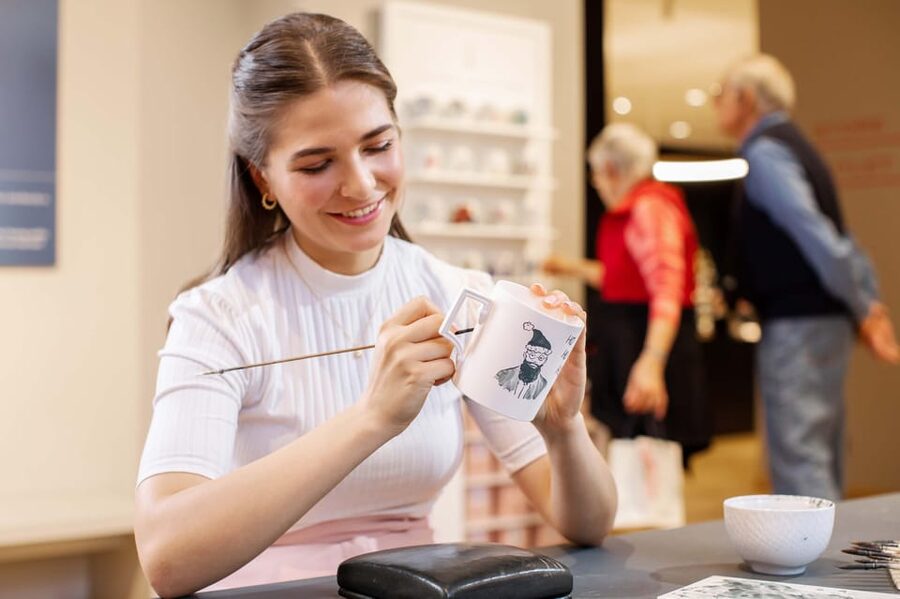
The final stages cover underglaze and overglaze decoration. These are not interchangeable terms. The demonstrations help you see when color is applied and how decoration fits into the wider production process. If you enjoy crafts, design, or museum displays that explain technique, this part will likely be the heart of your visit.
The audio guide is available in Spanish, Chinese, Czech, Danish, Dutch, English, Finnish, German, Italian, Polish, Russian, Japanese, Swedish, and French. That wide choice matters because the demonstrations are most useful when you can follow the order of the work, not just watch hands moving at a distance.
How to plan the workshop timing

Do not treat the opening hours as permission to arrive whenever you like. The site may remain open until 6 PM during much of the year, but you should arrive before 3 PM to take part in the audio-guided demonstration workshop tour.
That cutoff is the single most important planning detail. Arriving late could leave you with the museum and shops but without the factory demonstration, which is the part that explains how the porcelain is actually made.
Opening times change by season:
- Until December 21, 2025, the site is open daily from 9 AM to 6 PM.
- From December 22 through December 30, 2025, hours are 9 AM to 5 PM.
- On December 31 and January 1, hours are 10 AM to 4 PM.
- The attraction is closed December 24, 25, and 26.
- From January through March 2026, hours are 10 AM to 5 PM.
- From April 2026 onward, hours are 9 AM to 6 PM.
- On January 14, 2026, the Meissen Theme World closes at 3 PM.
For a comfortable visit, I would plan to arrive in the morning or early afternoon. That gives you time to listen to the workshop commentary, study the museum displays, eat or have a snack, and browse without watching the clock.
The Museum of Meissen Art, from 1710 to today

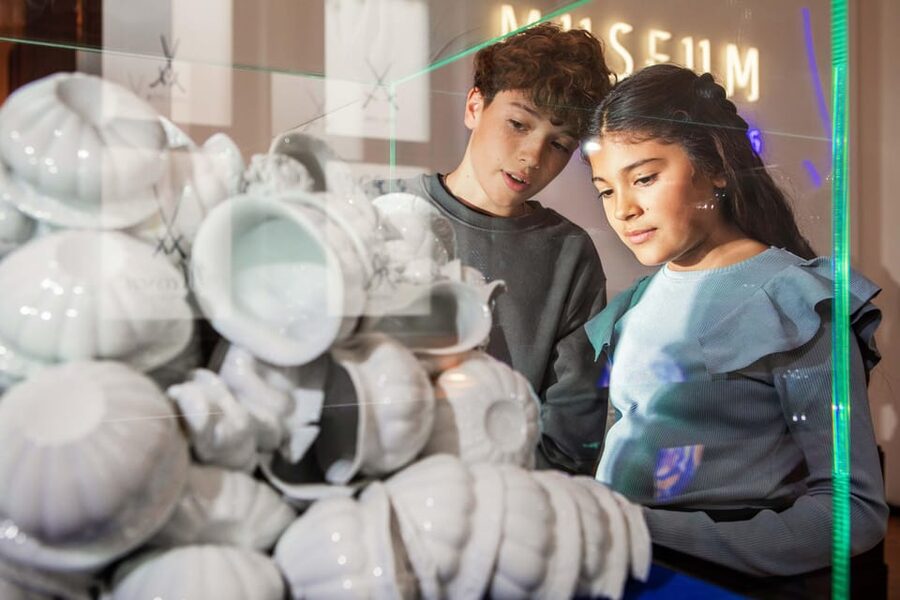
After the workshop, the Museum of Meissen Art gives you the wider story. Its collection runs from 1710 to the present day and is arranged in chronological order.
That order is important. A chronological display helps you see design as a series of changes rather than a single fixed Meissen look. Shape, decoration, and taste develop over time. You can compare early pieces with later work and notice how the factory responded to changing ideas about elegance and use.
The collection draws on the manufactory’s extensive holdings, so the museum offers more than a handful of famous examples. You will see objects from different periods and can use the displays to connect what you saw in the workshops with the finished results.
I find this kind of museum most rewarding when you give it time. The objects are delicate and detailed, so a quick pass through the rooms will not reveal much. Look at the painting, the shape of the handles, the decoration around the rims, and the way figurines are assembled. The workshop experience gives you useful questions to ask as you examine the displays.
The museum also helps explain why Meissen porcelain has lasting appeal. These pieces are made for use, display, or collecting, but they also record changing design preferences over three centuries. You are seeing art, craft, and manufacturing in the same place.
Same city, a completely different kind of day:
- Hamburg: 1.5-Hour Harbor and Speicherstadt Day Cruise
★ 4.6 · 14,200 reviews - From Munich: Neuschwanstein & Linderhof Castle Full-Day Trip
★ 4.5 · 12,494 reviews - Dresden: Semperoper Tickets and Guided Tour
★ 4.7 · 12,102 reviews - Berlin: Boat Tour Along the River Spree
★ 4.4 · 11,252 reviews
A break at the cafe and time to shop
The cafe provides a simple but fitting pause. Your snack is served on Meissen porcelain, so the break becomes part of the experience rather than an unrelated stop. It gives you a chance to handle and use the kind of object you have just watched being made.
Food and drinks are not included in the ticket, so plan to pay separately. The information provided does not specify a full menu, meal service, or dietary options. Think of the cafe as a useful rest stop, not the main reason to visit.
The boutique is better suited to anyone who wants an official Meissen item and is prepared to compare prices carefully. The outlet center gives you another place to browse, with the possibility of finding pieces at a different price level.
I would wait until after the museum and workshop to shop. Once you understand the handwork involved, you can make a more informed choice about what you are buying. You may also find that a small cup or painted object feels more meaningful after you have seen how many steps go into it.
A particularly appealing option is the chance to paint porcelain yourself. One recent booking note describes doing this spontaneously and leaving with a personal Meissen piece. The provided information does not give a fixed schedule, extra price, or guarantee that painting is available every day, so ask on arrival if this is important to you.
Is the $18 ticket good value?
At $18 per person, the ticket offers more than a standard museum admission. You get access to both the demonstration workshop and the Museum of Meissen Art, along with the chance to use the cafe and browse the boutique and outlet center.
The value depends on how you spend your time. If you watch the workshop, use the audio guide, study the chronological collection, and take a break at the cafe, the ticket covers a substantial half-day or longer visit. If you only glance at the displays and skip the demonstrations, the price becomes harder to justify.
The ticket also has practical flexibility. You can reserve now and pay later, and cancellation is free up to 24 hours before the activity for a full refund. That helps if your plans in Germany are still shifting.
There is no pickup or drop-off included. You need to make your own way to the Museum Ticket Office for Groups at Talstrasse 9, 01662 Meissen. The meeting point is worth checking carefully before you set out, especially if you are trying to fit this into a larger day in the area.
Who will enjoy this experience most?

I would recommend the Meissen factory to you if you like applied art, traditional crafts, design, or museums that explain how objects are made. It also works well for anyone who prefers a focused cultural visit over a long list of unrelated sights.
Families may find the demonstrations easier to follow than a quiet gallery alone, since the process gives younger visitors something specific to watch. The possibility of painting a piece yourself could add hands-on appeal, though availability and conditions should be confirmed on site.
The museum also suits collectors and design-minded shoppers. You can study pieces from different periods, then compare what you have seen with the items for sale. That makes the boutique and outlet center more interesting than a standard gift shop.
The experience may be less suitable if you dislike audio guides or have only a short window. You also should not bring pets, as pets are not allowed. Since the full visit can take much of a day, it deserves a clear place in your schedule rather than a rushed stop between other plans.
Small details that make the visit smoother
Wear yourself a little patience. Porcelain rewards close attention, and the fine decoration is easier to appreciate when you are not racing through each room.
Use the audio guide in the language that lets you follow technical details best. English is available, along with 14 other languages, so you have a good chance of understanding the explanations without relying on labels alone.
Arrive before 3 PM even if you plan to stay until closing. The workshop cutoff matters more than the posted closing time.
Set aside separate money for food, drinks, and shopping. Neither is included in the $18 admission, and the outlet center may tempt you after you have seen the work behind the products.
Finally, ask about painting if you want a personal souvenir. The opportunity has been available spontaneously, but the supplied details do not promise a set session or fixed cost.
Should you book the Meissen factory visit?
Book it if you want to understand porcelain as a craft, not just admire it in a cabinet. The workshop demonstrations give the $18 ticket its real value, while the chronological museum adds context from 1710 to today.
I would choose this experience for a half-day cultural stop, especially if you enjoy design, handmade work, or careful shopping. Arrive early enough for the audio-guided workshop, and leave room for the museum and cafe.
Skip it only if you have very little time, want a quick city walk, or have no interest in how decorative objects are produced. For everyone else, Meissen offers a clear look at skilled handwork, a substantial art collection, and the rare chance to connect a finished cup or figurine with the many careful steps behind it.
FAQ
How much does admission to the Meissen Porcelain Factory cost?
The ticket costs $18 per person.
What does the ticket include?
It includes entry to the demonstration workshop and the Museum of Meissen Art.
Is an audio guide included?
Yes. Audio guides are available in Spanish, Chinese, Czech, Danish, Dutch, English, Finnish, German, Italian, Polish, Russian, Japanese, Swedish, and French.
What time should I arrive for the workshop?
You should arrive before 3 PM to take part in the audio-guided tour of the demonstration workshop.
What are the main production stages shown?
The demonstrations cover molding and throwing, figurine repair, underglaze decoration, and overglaze decoration.
Are food and drinks included?
No. Food and drinks are not included, though you can visit the cafe for a snack served on Meissen porcelain.
Can I cancel the booking?
Yes. You can cancel up to 24 hours in advance for a full refund. You can also reserve now and pay later.
Just added in Germany
- Berlin & The Third Reich Private Guided Tour★ 5.0 · 3 reviews
- Third Reich Quest Experience in Berlin★ 4.5 · 7 reviews
- Private Analogue Photography Experience in Berlin★ 5.0 · 3 reviews
- Berlin Urbex Adventure and History Tour★ 5.0 · 9 reviews
- The Beauty of Berlin by Bike: Private Tour★ 5.0 · 59 reviews
- Berlin: Guided Bike tour of the Berlin Wall and Third Reich★ 5.0 · 160 reviews
- Beyond Currywurst: Berlin’s Hidden Street Food & Culture Tour★ 5.0 · 100 reviews
- Berlin Third Reich & Cold War Walking Tour With A Guide★ 5.0 · 7 reviews