
Reviewed · CONCENTRATION CAMP MEMORIALS
Berlin: Bus excursion to Sachsenhausen concentration camp
Sachsenhausen is not a casual sightseeing stop. It is a place where the scale and machinery of Nazi persecution become painfully clear, and this half-day tour gives you a structured way to face it. I like the private bus from Alexanderplatz, which removes the hassle of arranging a train and local connection, and I like the guide-led visit, especially since guides such as Richard, Jonas, Peter, and Lucia have brought strong historical detail and personal stories to the journey. The main drawback is time: two hours inside a large memorial can feel tight.
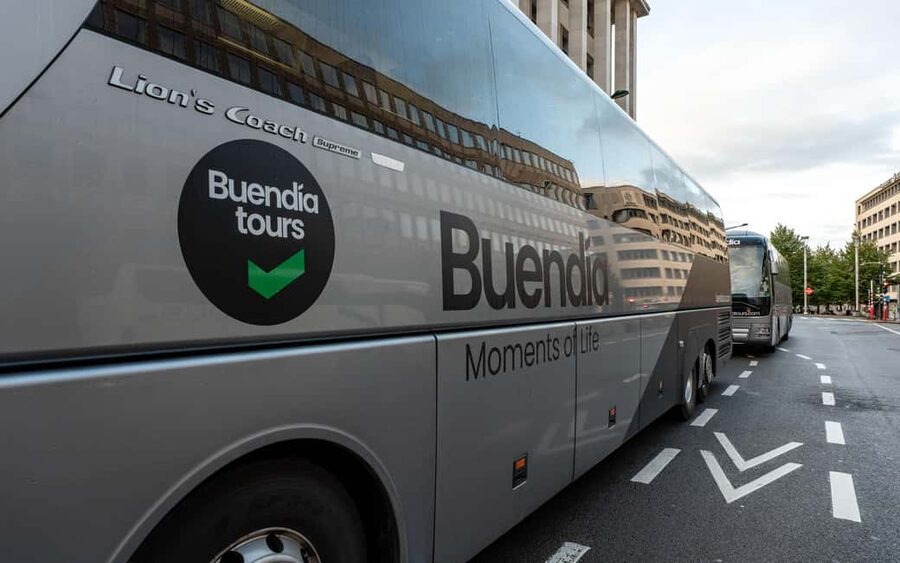
I also appreciate the historical briefing during the ride. You do not arrive cold, with only a map and a few signs to explain what you are seeing. The meeting point can be a little hard to spot, so arrive early and look for Buendía Tours accreditation between the fountain and the subway exit. Also plan for a serious, emotionally difficult morning rather than a standard Berlin excursion.
Key points to know before you book
- Private coach from Alexanderplatz: You avoid arranging the train trip to the memorial and receive historical background during the ride.
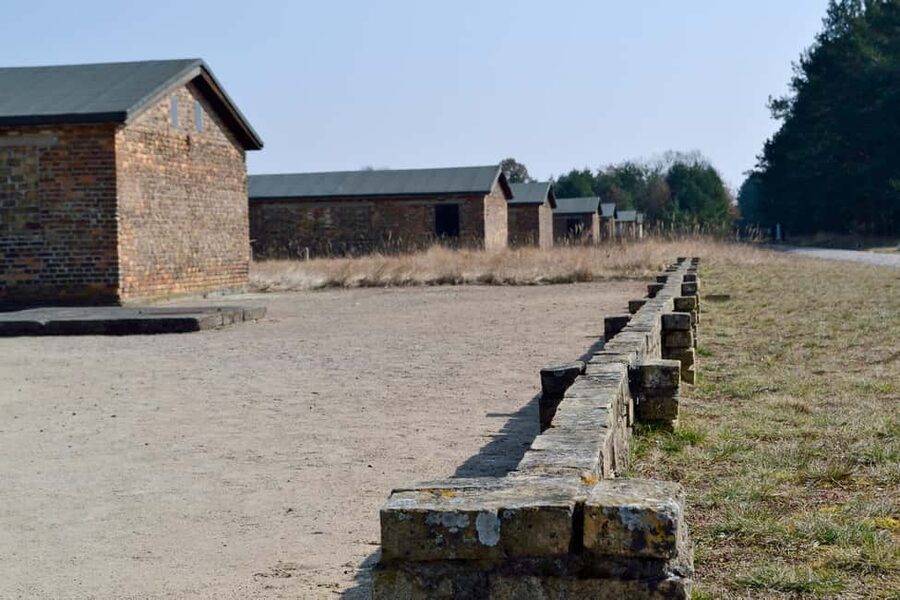
- Two-hour guided visit: The route includes Tower A, the central courtyard, barracks 38 and 39, the kitchen, Tower E, the prison, and the gas chamber.
- Only 15 minutes of free time: You can pause and look around independently, but this is not enough for a full, unhurried exploration.
- Strong individual guides: Richard, Jonas, Peter, and Lucia have each been praised for clear explanations, thoughtful stories, and serious treatment of the subject.
- $56 includes transport and admission: The fee covers round-trip coach travel, a local guide, and the €3 memorial entrance charge.
- A compact introduction to Sachsenhausen: This suits you if you want context and guidance, but not if you plan to study every remaining section of the site.
Why Sachsenhausen deserves a place in your Berlin plans
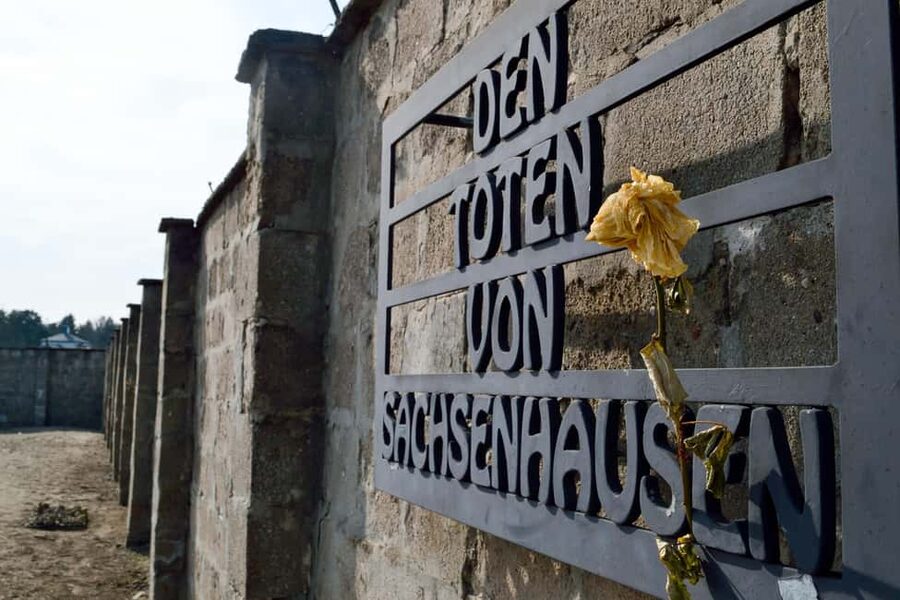
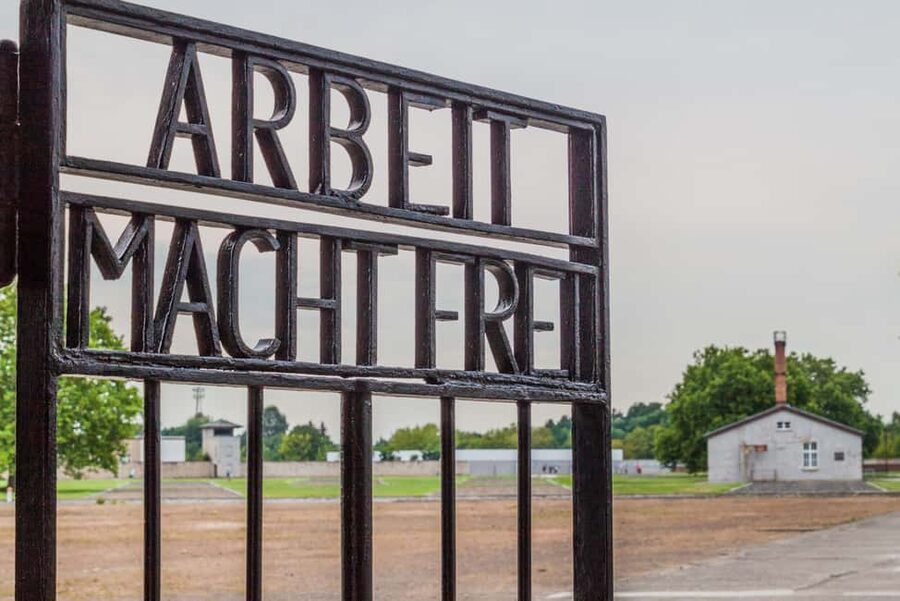
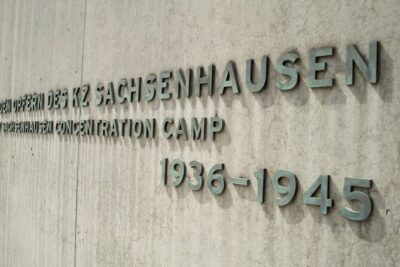
Sachsenhausen was built in 1936 and operated until 1945. The SS treated it as a model concentration camp, a place intended to represent the system they were building across Nazi Germany. It later became a memorial in 1993.
That history matters because Sachsenhausen is not simply a collection of old buildings. The site helps you understand how imprisonment, forced labor, punishment, and mass murder were organized. The central layout, surviving structures, memorial displays, and empty spaces all form part of the story.
I would not recommend treating this as an item to tick off between shopping and dinner. The subject is heavy, and the experience can feel surreal. A guide helps you keep the facts in view while you move through a place that can otherwise seem confusing or incomplete.
The memorial receives more than 300,000 visitors each year, yet its size can make a self-guided visit difficult. You need to know which buildings matter, what has survived, and how separate locations fit together. This tour gives you that framework in a short visit.
More Concentration Camp Memorials in Berlin
- Berlin: Sachsenhausen Concentration Camp Tour in English
★ 5.0 · 5,711 reviews - Berlin: Sachsenhausen Concentration Camp Memorial Tour
★ 4.7 · 3,716 reviews - Sachsenhausen Concentration Camp Bus Tour in English from Berlin
★ 5.0 · 1,962 reviews
Leaving Alexanderplatz by private coach
The tour begins at Alexanderplatz, at Alexanderplatz 8. The exact meeting spot is between the Brunnen der Völkerfreundschaft fountain and the subway exit. Look for guides wearing Buendía Tours accreditation.
This sounds simple, but the meeting area is busy enough that you should not arrive at the last minute. The meeting point has caused some confusion, so give yourself extra time to identify the fountain and subway entrance. If you see several tour groups, check the accreditation rather than relying on a general description of clothing or an umbrella.
The coach is one of the tour’s strongest practical features. Sachsenhausen is outside Berlin, and arranging the journey yourself means dealing with the train fare and the onward route to the memorial. Here, you board in the center and return to the same place at the end.
The ride also becomes part of the introduction. Your guide provides background on the camp and its role during the Nazi period while you travel. Guides such as Richard have been especially effective at using the journey to explain the surrounding area and prepare you for the visit.
I like this use of travel time. On a normal transfer, you might simply watch Berlin pass by. Here, the ride gives you the basic chronology and context before you reach the memorial, leaving more time on site for the buildings and evidence in front of you.
The tour is available in English or Spanish. Check the departure time when booking, since the activity lasts about 4.5 hours but the start time can vary.
Entering the memorial and meeting your guide
Once you arrive at Sachsenhausen, the guided visit lasts about two hours. The guide leads you through key areas rather than leaving you to work out the route alone.
That structure is useful because the memorial contains more than one story. You will hear about the camp’s operation, the people imprisoned there, forced labor, punishment, and the later effort to preserve the site as a memorial to the Nazi dictatorship.
The subject requires a careful guide. The strongest guides on this experience have included Richard, Jonas, Peter, and Lucia. Their approach has been described as clear, engaging, and serious, with particular praise for historical knowledge and relevant stories. The assigned guide varies, so you should not book on the assumption that one particular person will lead your departure.
Jonas, in particular, has been praised for making good use of the bus ride and for handling the difficult material with care. Lucia has been noted for a strong presentation, while Peter brought useful information and pertinent stories to the visit. Richard has also been singled out for his language ability and broad historical understanding.
Those details matter because the guide is not just pointing out buildings. At a memorial like Sachsenhausen, good interpretation helps you understand what you are looking at without turning the experience into a lecture disconnected from the site.
The central courtyard and Tower A
The central courtyard is one of the first places where the camp’s design becomes easier to understand. Your guide can help you see how the buildings and open spaces related to one another, rather than presenting each stop as an isolated object.
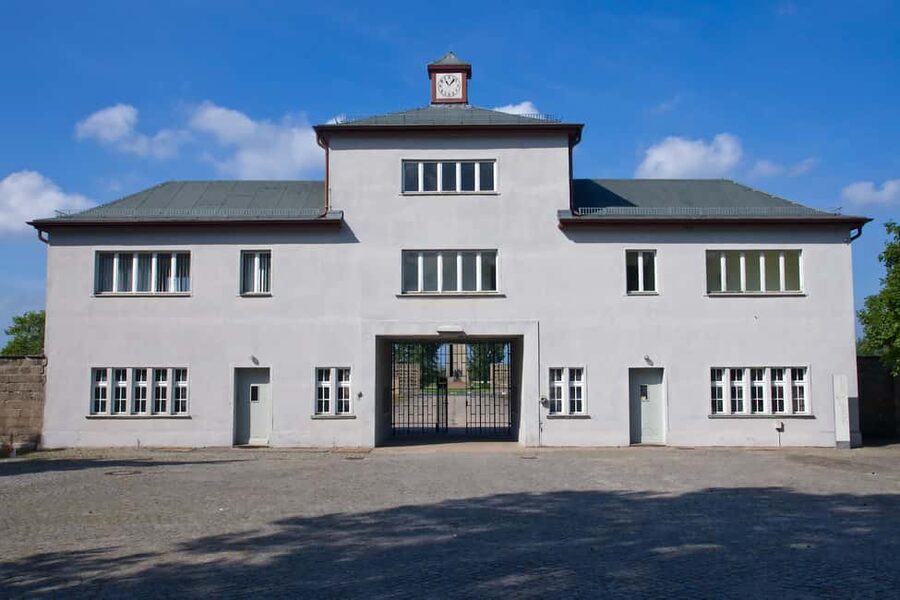
Tower A is another key point on the route. It is closely tied to the camp’s entrance and the controlled movement of prisoners. Seeing it in person gives the camp a physical scale that photographs cannot provide.
The visit is not designed to cover every corner. Instead, it focuses on places that explain the camp’s structure and purpose. That makes the tour manageable, but it also means you should not expect a complete study of the entire memorial.
The open areas can be especially difficult to process. There may be fewer physical remains than you expect, and that absence is part of the memorial’s meaning. Your guide helps connect what remains with the history of what once occupied the site.
Same city, a completely different kind of day:
- Berlin: Reichstag, Dome and Government District Guided Tour
★ 4.7 · 18,288 reviews - Berlin: 1-Hour City Tour by Boat with Guaranteed Seating
★ 4.3 · 16,993 reviews - Berlin: Boat Tour Along the River Spree
★ 4.4 · 11,252 reviews - Discover Berlin Half-Day Walking Tour
★ 5.0 · 9,624 reviews
Barracks 38 and 39: what the surviving buildings show
Barracks 38 and 39 offer a closer look at the conditions imposed on prisoners. These buildings help move the story away from broad numbers and official plans and toward the cramped, controlled daily life inside the camp.
You should expect the visit to focus on what the barracks reveal about organization, confinement, and forced labor. The guide’s explanation adds the details that a bare room or preserved structure cannot provide on its own.
The buildings also show why this is better approached with a guide than as a quick walk through an empty shell. Without context, you might see a few rooms and move on. With context, you can understand how the camp operated and how the architecture supported control.
Because the tour moves through several major areas, you will not have unlimited time in each barrack. If a particular building interests you most, use the short free period at the end to return to it only if the route and timing allow.
The kitchen, Tower E, prison, and gas chamber
The kitchen forms another part of the guided route. It helps explain the camp as a functioning institution, where food, supplies, labor, and control were organized through separate facilities.
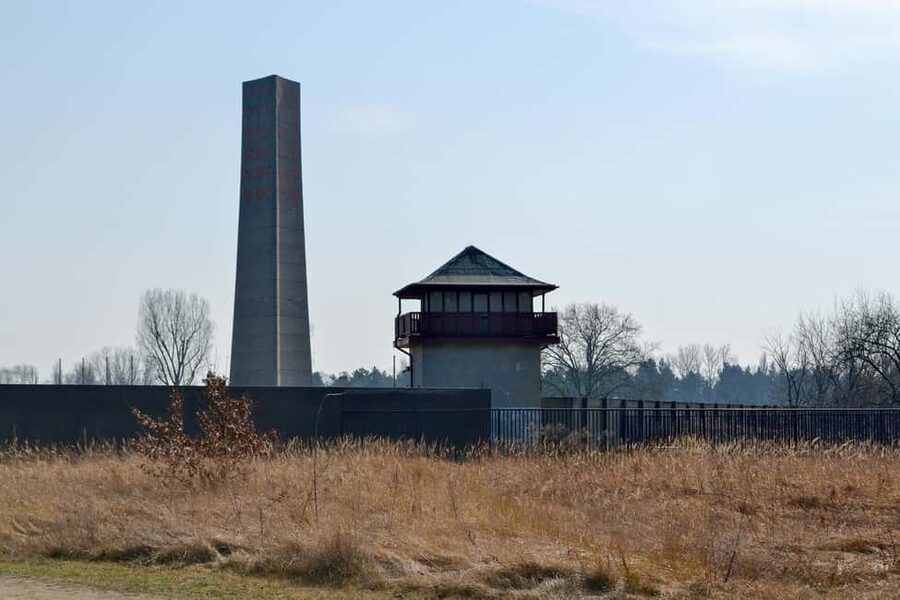
Tower E adds another piece to the camp’s layout and surveillance system. The guide’s explanation is important here because the meaning of a tower depends on how it relates to the rest of the grounds.
The prison is among the most sobering stops. It reveals another layer of punishment within the camp system, beyond the wider confinement of the barracks. This is a place where the guide’s tone matters, and the best approach is direct, factual, and respectful.
The gas chamber is also included. This part of the visit may be especially hard, and you should give yourself permission to step back emotionally if needed. The tour does not turn away from the site’s role in annihilation, but the experience is presented within the wider history of the memorial.
These stops are why I would not describe the tour as light sightseeing. You will receive a clear account of what Sachsenhausen represented, including forced labor and Nazi mass murder. The material is important, but it can be painful.
Fifteen minutes to look around on your own
After the two-hour guided visit, you get about 15 minutes of free time. This is enough to pause, gather yourself, take in the grounds, or revisit a nearby section if the guide’s route has left you with a particular question.
It is not enough for a full independent exploration. Sachsenhausen is large, and some people could easily spend much longer there. If you want to read every panel, examine all available memorial areas, or study the site in detail, plan a separate visit instead.
Still, I think the free time is useful. Guided tours can keep you moving, and this short pause gives you a moment without constant explanation. You can process what you have seen at your own pace before returning to the coach.
The grounds themselves matter. The open space, surviving structures, and memorial elements create a different experience from the guided stops. You may find that the quiet areas affect you as much as the buildings do.
Is $56 a fair price?
At $56 per person, this is not the cheapest possible way to reach Sachsenhausen, but it offers more than transportation. The price includes the round-trip coach from central Berlin, the local guide, and the €3 entrance fee to the camp and memorial.
The value rests mainly in the guide and the convenience. You avoid planning the train journey, you return to Alexanderplatz, and you receive historical context before arriving. For a first visit, that combination can save both time and uncertainty.
The price is less attractive if you already know the site well or want to spend most of a day there. The 4.5-hour schedule, including transport, leaves only two hours with the guide and 15 minutes alone. A longer independent visit would give you more time but would require more planning.
I would see this as a good introductory option rather than the final word on Sachsenhausen. It gives you the main structure, the key locations, and enough history to understand the memorial. It does not provide the slow pace of a full-day research visit.
Who will get the most from this tour?
This experience fits you well if you are visiting Berlin for a limited time and want a serious, guided introduction to the Nazi period. It also suits you if you prefer not to manage regional transport or arrive at a memorial without context.
The tour is a particularly good choice for anyone who values explanation. The guides do more than list dates, and the strongest departures use the ride to set up the visit. If historical interpretation helps you connect places and events, the extra cost makes sense.
You should think twice if you need a wheelchair-accessible activity, since the tour is not suitable for wheelchair users. You should also reconsider it if you want a relaxed outing or if you find concentration camp memorials too difficult to visit in a structured group.
The language choice is straightforward: live guiding is available in English or Spanish. Food and beverages are not included, so plan accordingly, but the supplied information does not specify a meal stop during the excursion.
Small details that can make the morning easier
Arrive early at Alexanderplatz. The fountain and subway exit are the key landmarks, but the meeting area can still be confusing in a crowded square.
Wear practical shoes and prepare for time outside on extensive grounds. The tour involves walking between several parts of the memorial, though the supplied details do not specify the exact walking distance.
Keep your schedule flexible after returning to Alexanderplatz. The total duration is listed as 4.5 hours, and the exact starting time depends on availability.
The cancellation policy is useful if your plans are unsettled: you can cancel up to 24 hours in advance for a full refund. You can also reserve now and pay later, which keeps the booking flexible.
Should you book the Sachsenhausen bus excursion?
I would book this tour if you want a well-organized first visit, prefer a guide to explain the setting, and value direct transport from central Berlin. The bus ride, the strong guide-led interpretation, and the coverage of the main memorial areas make it a practical choice at $56.
I would not book it if you want a full day at Sachsenhausen or prefer to read and reflect without a fixed group schedule. The 15 minutes of free time is short, and the subject deserves patience.
For most first-time visitors with only a few days in Berlin, this is a sensible way to reach an important memorial. Go prepared for difficult material, arrive early at Alexanderplatz, and treat the visit with the seriousness it requires.
FAQ
Where does the Sachsenhausen tour begin?
It begins at Alexanderplatz, at Alexanderplatz 8, between the Brunnen der Völkerfreundschaft fountain and the subway exit. Look for the guides with Buendía Tours accreditation.
How long does the full activity last?
The total duration is about 4.5 hours. Check availability for the departure time offered on your chosen date.
How long is the guided visit inside Sachsenhausen?
The guided visit lasts about two hours.
Is there free time at the memorial?
Yes. You receive about 15 minutes of free time after the guided visit.
What does the $56 price include?
The price includes round-trip coach transfers from Berlin, a local tour guide, and the €3 entrance fee to the concentration camp and memorial.
Which languages are available?
The live tour guide is available in English or Spanish.
Is the tour suitable for wheelchair users?
No. The activity is listed as not suitable for wheelchair users.
Just added in Berlin
- Berlin & The Third Reich Private Guided Tour★ 5.0 · 3 reviews
- Third Reich Quest Experience in Berlin★ 4.5 · 7 reviews
- Private Analogue Photography Experience in Berlin★ 5.0 · 3 reviews
- Berlin Urbex Adventure and History Tour★ 5.0 · 9 reviews
- The Beauty of Berlin by Bike: Private Tour★ 5.0 · 59 reviews
- Berlin: Guided Bike tour of the Berlin Wall and Third Reich★ 5.0 · 160 reviews
- Beyond Currywurst: Berlin’s Hidden Street Food & Culture Tour★ 5.0 · 100 reviews
- Berlin Third Reich & Cold War Walking Tour With A Guide★ 5.0 · 7 reviews
Concentration Camp Memorials, compared.
Sachsenhausen Concentration Camp Tour in English
Read our review →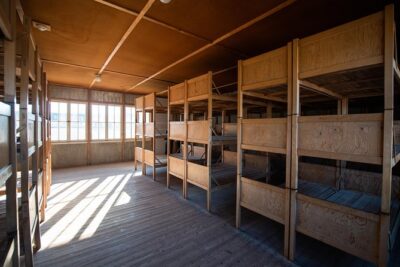
Dachau Concentration Camp Memorial Site Tour from Munich by Train
Read our review →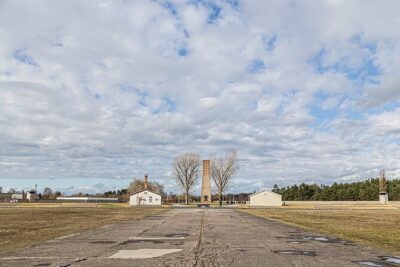
Sachsenhausen Concentration Camp Memorial Tour
Read our review →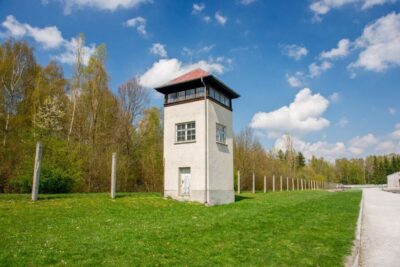
From Munich: Dachau Memorial Site Half-Day Trip
Read our review →
Sachsenhausen Concentration Camp Bus Tour in English from Berlin
Read our review →Sachsenhausen Concentration Camp Tour in English
Read our review →
Sachsenhausen Concentration Camp Memorial Tour (Max. 15 Guests)
Read our review →Browse the lists this tour appears in