
Reviewed · 3-HOUR EXPERIENCES
Munich: 3-Hour Culinary Nightwatch Tour
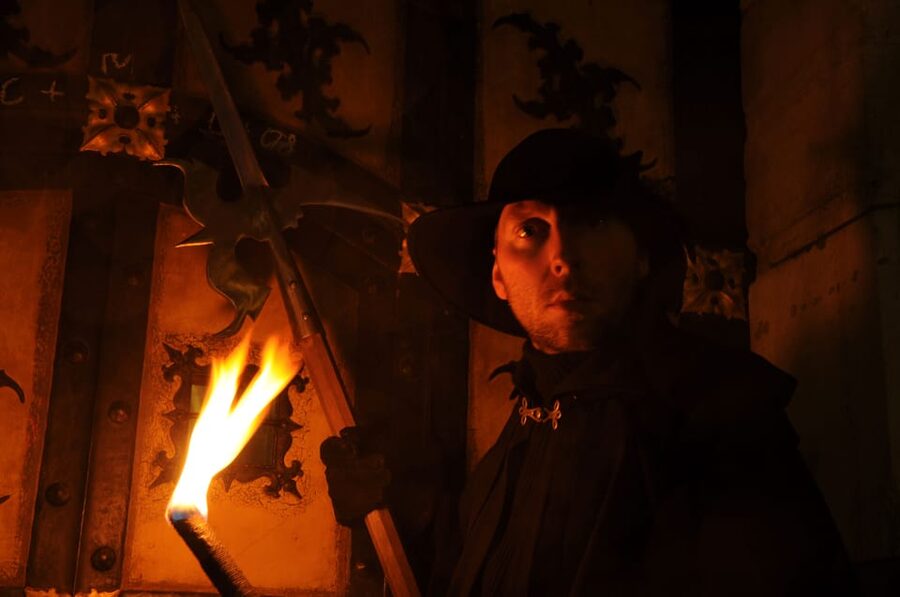
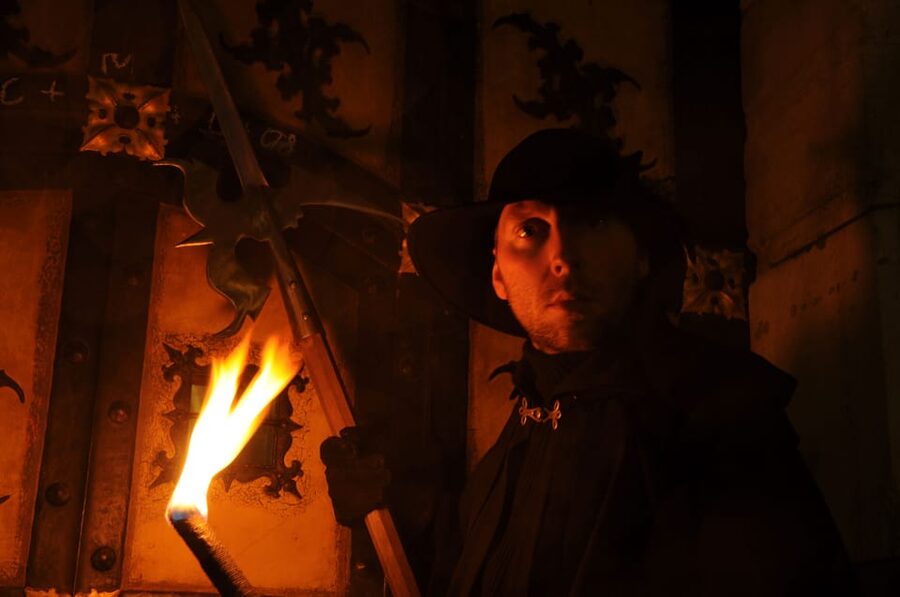
Munich’s old town takes on a different mood after dark, especially when your guide carries a lantern, wears a historical costume, and warns you to keep the alleys free of dishonorable folk. This three-hour tour mixes grisly medieval stories with a tavern meal, dessert, and drinks, so it feels more like an evening out than a standard walking tour.
I like two things right away: the food gives the night a social shape, and the route links famous sights with odd, unsettling details you might otherwise miss. Stories about foul-smelling corpses, missing church pews, torture rooms, and medieval wine make the past feel wonderfully strange. The main drawback is that the tour runs in German, and a session may be canceled if too few people book.
Key points to know
- Meet at the Mariensäule: Find the guide at Marienplatz by looking for the big blue bag marked Weis(s)er Stadtvogel.
- Begin with a proper meal: The first tavern stop includes meat, bread, and a drink before the walk.
- Follow a grisly old-town route: Stops include St. Peter’s Church, the Old Court, Gruftgasse, Frauenkirche, and Salvatorkirche.
- Expect German storytelling: The live guide speaks German, so strong listening skills matter.
- Finish with dessert: Return to the tavern for Kaiserschmarren or another hearty dessert and a nightcap.
- Allow more than three hours: One reported outing ran a little over the advertised time.
A Munich evening built around dark tales and good food
At $88 per person, this experience is not simply a three-hour city walk. You are paying for a costumed guide, a meal and drink at the first tavern, a second stop with dessert and a nightcap, plus a theatrical route through central Munich.
That combination gives the evening a clear rhythm. You meet at Marienplatz, eat first, walk through the old town, then return to the tavern for a sweet finish. I like this setup because it avoids the usual problem of an evening tour that leaves you hungry halfway through.
The food is part of the value, but it is not the sole reason to book. The real draw is the guide’s delivery. A good night watchman can turn a familiar church or palace into a scene of scandal, superstition, and unpleasant practical details. The strongest praise has gone to the guides’ humor, storytelling, and command of historical detail. One guide, Matthias, was singled out for keeping the group laughing, singing, and engaged for more than three hours.
Still, you should keep your expectations sensible. The meal is described as hearty rather than refined. One outing found the food only average, and the return to the same tavern for dessert did not suit everyone. This is a themed historical evening with simple food, not a fine-dining event.
A few more half-days in Munich worth comparing
- Munich 3-Hour Guided Bike Tour
★ 4.5 · 1,731 reviews - Munich’s Beer Halls and Breweries: 3-Hour Guided Tour
★ 4.6 · 928 reviews - Munich 3-Hour Segway Tour: Nazi Munich & Royal Architecture
★ 4.9 · 194 reviews
Finding the night watchman at Marienplatz
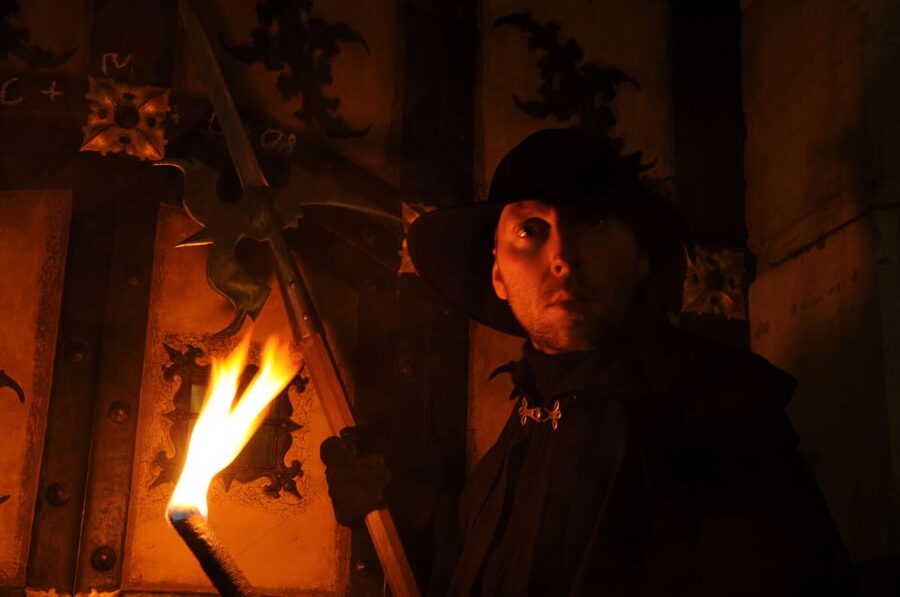
Your meeting point is the Mariensäule, the column in the center of Marienplatz. Look for the guide with a big blue bag carrying the white words Weis(s)er Stadtvogel. That detail matters in a busy square, where a costumed person can otherwise be surprisingly hard to identify.
The guide begins in historical dress, setting the tone before you reach the tavern. The character is not just decoration. The night watchman’s job was to patrol after dark, keep order, and call attention to danger. In this tour, that old role becomes a storytelling device as you move through lanes where crime, disease, religion, and city politics once shaped daily life.
Starting at Marienplatz also places you in the heart of Munich’s old town. You will not be transported between stops. The experience is a walking route through central streets and alleys, so comfortable shoes are a sensible choice.
The first tavern stop: meat, bread, and a drink
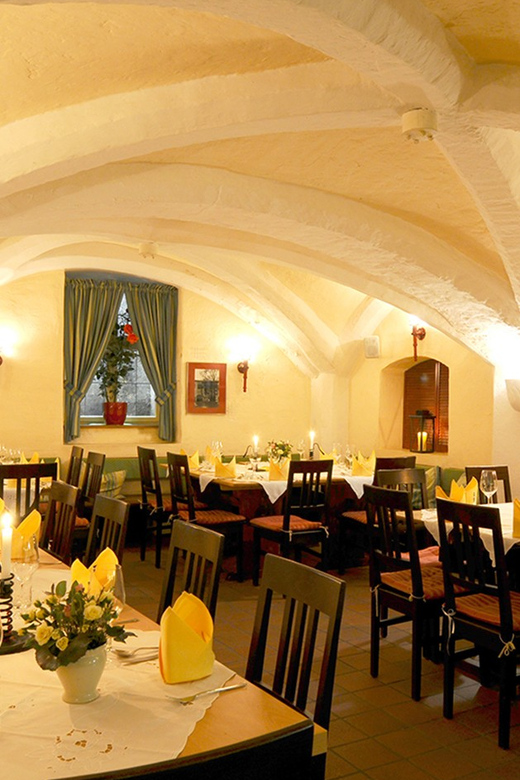
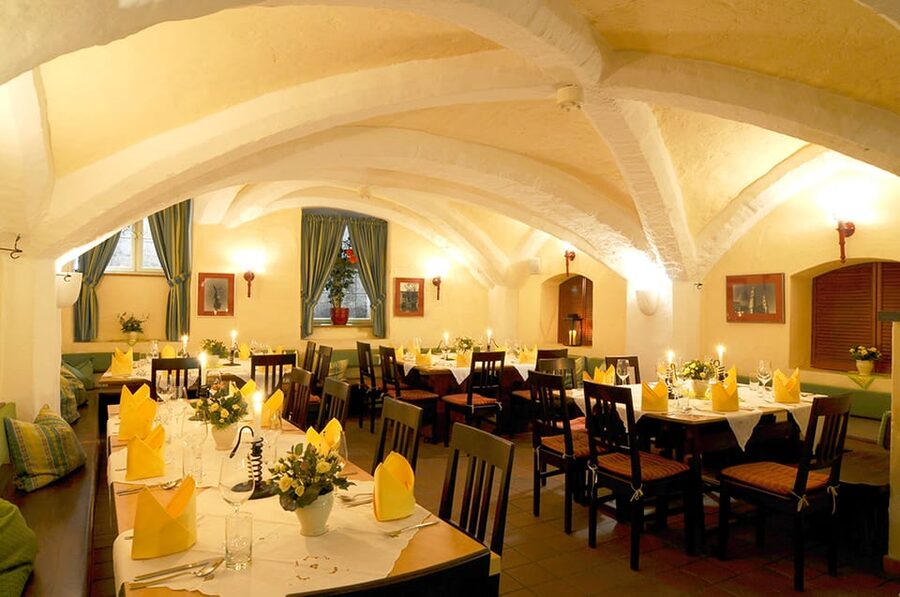
The tour starts with a visit to a quaint Munich tavern. You receive meat, bread, and a drink before heading into the night. It is a practical opening, since the walk lasts about three hours and the later stops are built around storytelling rather than snacks.
I like eating before the main walk. You can settle in, meet the group, and get used to the guide’s German before following the route outdoors. A meal also makes the evening feel less like a lecture and more like a shared local occasion.
The seating can be tight when the group is large. One particularly positive account praised the food but noted that the dining area felt cramped. If you prefer quiet, spacious dining, this may feel informal. If you enjoy a communal tavern setting, the close quarters are part of the atmosphere.
The food should be judged in that context. It is fuel and part of the period flavor, not a carefully presented tasting menu. One account rated the meal as middling, so I would book for the stories and the full evening format rather than expecting a culinary showpiece.
St. Peter’s Church and the unpleasant side of burial customs
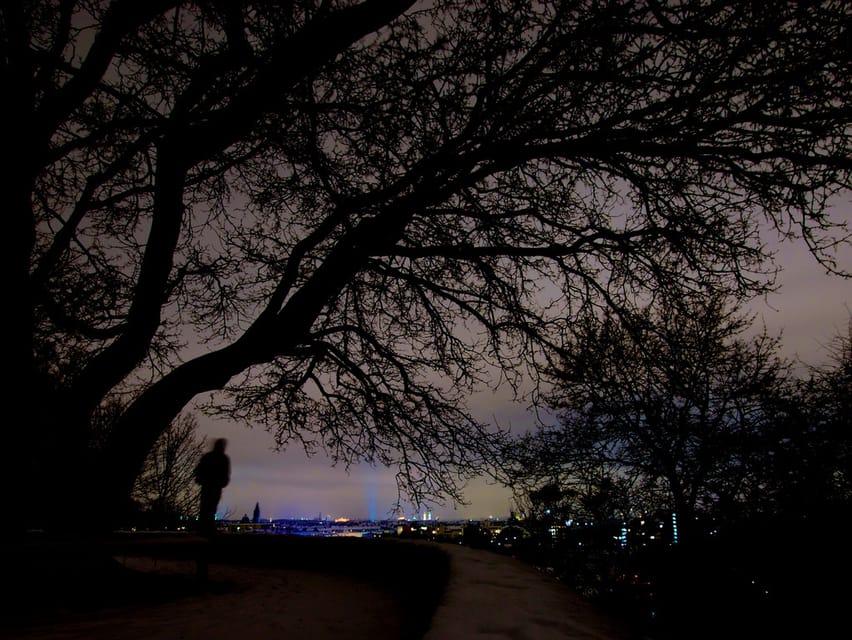
After the meal, the night watchman leads you toward St. Peter’s Church. This stop turns from architecture to the practical realities of death in earlier centuries.
You hear about the cemetery, funerary customs, epitaphs, and foul-smelling corpses. The subject is deliberately blunt. That is the appeal of this tour: it does not present the past as clean or polite. It deals with bodies, burial, church life, and the physical problems that people faced before modern sanitation and medical practice.
The missing church pews add a stranger detail. A small object such as a pew can open a window onto church rules, local behavior, and the ways people used sacred spaces. These are the kinds of stories that can stay with you longer than a list of construction dates.
This portion may not suit young children or anyone who dislikes macabre material. The tour is designed around grisly tales, and the guide’s subject matter includes death, desecration, torture, and prison life. The tone is described as humorous and entertaining, but the topics remain dark.
Same city, a completely different kind of day:
- Munich: Third Reich & WWII Walking Tour
★ 4.6 · 6,181 reviews - Dachau Concentration Camp Memorial Site Tour from Munich by Train
★ 4.5 · 5,637 reviews - Third Reich Walking Tour Munich
★ 4.5 · 4,291 reviews - Munich Hop-On Hop-Off Tour: 1-Day or 2-Day Ticket
★ 4.3 · 4,161 reviews
The Old Town Hall and Salzstraße
The route continues to the Old Town Hall on the historic Salzstraße. Here the focus shifts toward Munich’s urban structure and changing appearance.
You learn about the old city gate and the reconstruction of the town hall spire in the 1970s. That detail is useful because it shows that historic Munich is not frozen in one untouched state. Buildings can be damaged, altered, and rebuilt, while later generations decide what the city should look like.
The mention of Salzstraße also connects the sightseeing route to older trade and movement through the city. You are not simply passing a decorated façade. The night watchman places the street within the working city, where gates, routes, and public buildings helped control daily life.
This is a good example of the tour’s balance. Some stories are gruesome, but others explain how Munich functioned as a town. You get architecture, civic history, and local oddities rather than three hours of nonstop horror.
Torture, prison, and the Old Court
Passing a torture chamber and prison, you reach the Old Court. This is one of the route’s darker stretches, and the costume helps give the guide’s warnings a bit of theater.
From there, the walk follows the line of the original 12th-century city wall. You leave the moated castle and head west along a path shaped by defenses that no longer define the modern city. The wall’s former route helps you picture Munich as a smaller fortified settlement, with boundaries that once mattered for safety and control.
I find this kind of walking history more useful than seeing fortifications only in a museum display. You are moving through the city while the guide explains what used to occupy the same ground. The past becomes a route you can follow with your feet.
Do not expect a preserved medieval wall at every turn. The point is to trace where it once stood and connect modern streets to the older defensive system. The guide’s storytelling carries much of the experience here.
Gruftgasse, Schäfflergasse, and the wine question
At Gruftgasse, the mood grows more gruesome. The name itself suits the tour, and this is a place for another of the night watchman’s unsettling accounts.
Then comes a useful correction to a common assumption about Munich. In medieval Munich, wine was the drink of choice, not beer. That fact gives you a sharper view of the period and helps strip away the easy modern image of Bavaria as beer from morning to night.
This detail also shows why the tour works best for people who enjoy small surprises. You are not only hearing famous legends. You are getting the sort of local fact that changes how you picture an earlier Munich.
The narrow streets and historic names make this section especially fitting for a night watchman character. The route is built from lanes, old boundaries, religious sites, and places tied to punishment or scandal. You should expect walking and standing while the guide talks, rather than long indoor breaks.
Frauenkirche, grand palaces, and the city’s public face
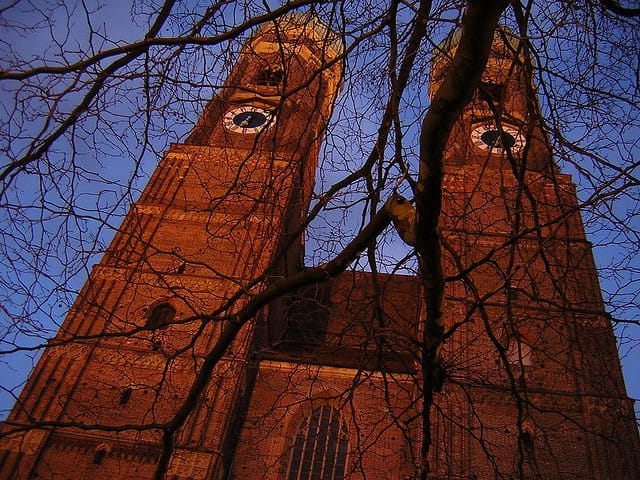
The two towers of the Frauenkirche provide one of the route’s most recognizable sights. Even in a tour centered on dark stories, this landmark gives the evening a strong visual anchor.
You also pass Promenadeplatz, Palais Portia, and Palais Holnstein. These locations broaden the route beyond medieval crime and burial customs. The city’s old center includes churches, palaces, grand streets, and public spaces shaped by powerful families and officials.
The contrast is useful. One minute you are hearing about a prison or a corpse, and the next you are looking at grand architecture linked to status and authority. Munich’s past was not one single story. It included ordinary workers, church communities, rulers, prisoners, and people trying to maintain order after dark.
The guide’s humor matters here. Historical material can become heavy when every stop is solemn. The best feedback centers on guides who make the information lively and keep the group involved. Matthias, in particular, was praised for humor, remarkable historical knowledge, singing, and a presentation that stayed entertaining.
Salvatorkirche and the shocking host story
At Salvatorkirche, the guide tells the story of a shocking host desecration. This is a religious crime story, and it fits the tour’s interest in scandal, fear, and the punishment of behavior considered dangerous or dishonorable.
The stop also shows how religious belief shaped public life. A church was not merely a building for worship. It could be tied to rumor, accusation, social control, and intense communal reaction.
You should expect the guide to treat such subjects as historical stories rather than modern religious instruction. The evening moves quickly between architecture, folklore, crime, and belief. That variety helps prevent the route from feeling repetitive.
Theatine Church and Henriette Adelaide
The Theatine Church brings a different tone. Here you hear about Henriette Adelaide and the son who ensured that the Theatine cloister was built.
This part gives the tour a personal and dynastic thread. Instead of focusing only on anonymous bodies or criminals, the guide introduces a woman, her family, and the decisions that shaped a major religious building. The church and cloister become connected to people and motives, not just dates.
I like this change of pace late in the walk. After torture chambers, foul odors, and desecration, a story about patronage and family influence gives the evening a wider range. You leave with a picture of Munich as a city shaped by both grim necessity and grand ambition.
Dessert, Kaiserschmarren, and the nightcap
The route returns to the tavern for dessert and a nightcap. Kaiserschmarren was specifically mentioned as the dessert served on one outing, so you may find a sweet, substantial finish rather than a small pastry.
This final stop is a good social ending. You can sit down after the walk, continue talking with the guide and group, and let the evening finish at an easier pace. One outing lasted a little more than three hours, with plenty of conversation, laughter, and even singing.
The return to the same tavern is a matter of taste. I see the advantage: no need to search for a second venue, and the meal and dessert form one complete evening. But one account disliked going back to the same place for dessert. If variety in restaurants matters to you, note that the food portions happen within one tavern setting.
The nightcap also helps explain the $88 price. You are receiving more than a guide-led walk, though the value depends on how much you care about the meal and drinks. If you would pay separately for dinner, dessert, and an evening tour, the package can make sense. If you mainly want historical facts, a cheaper daytime walking tour may suit you better.
Who will enjoy this three-hour outing
I would choose this tour if you like history with a theatrical edge, enjoy guided group dining, and want to see Munich after dark. It suits adults and older children who can handle stories about death, torture, prison, bodily decay, and religious scandal.
It is also a good choice for a first Munich evening if you want an organized introduction to the old town with food included. The route covers major sights such as St. Peter’s, the Old Town Hall, Frauenkirche, and the Theatine Church while adding less polished stories about the places around them.
German is the key condition. The live guide speaks German, and the value depends heavily on understanding the storytelling. If you do not follow German comfortably, the costume and route may still be enjoyable, but much of the experience will be lost.
The tour is listed as wheelchair accessible. You should still confirm the exact starting time and route details when booking, since the experience moves through old-town streets and alleys.
Booking, cancellation, and the risk of a canceled date
You can cancel up to 24 hours before the tour for a full refund, and the reserve-now, pay-later option lets you hold a place without paying at once. Starting times vary, so check availability for your date.
The main practical warning is participation. One booking for seven people was canceled two days before departure because too few people had signed up. That is unusual compared with the otherwise strong overall rating of 4.3 from 87 ratings, but it is worth considering if the evening is tied to a dinner reservation or a short visit.
I would avoid scheduling an important onward connection immediately after the tour. The advertised length is three hours, yet one outing ran longer. Give yourself a little breathing room.
Should you book the Munich Culinary Nightwatch Tour?
Book it if you want a social, story-led night in Munich, especially if a hearty meal, dessert, and drinks make a walking tour more appealing. The strongest reason to go is the guide performance. A lively night watchman such as Matthias can turn churches, lanes, and old walls into an entertaining chain of local stories.
Skip it if you need an English-language tour, want a refined food experience, or prefer a quiet walk without dark tales. Also think twice if you dislike returning to the same tavern for dessert or need a guarantee that the date will operate.
For the right audience, $88 buys a full evening rather than a bare sightseeing loop: food first, grisly old-town history in the middle, and Kaiserschmarren with a nightcap at the end. Just book with a little schedule flexibility and come ready for German storytelling with a dark sense of humor.
FAQ
Where does the Munich Culinary Nightwatch Tour meet?
The meeting point is the Mariensäule at Marienplatz in Munich.
How do I identify the guide?
Look for the guide carrying a big blue bag with the white words Weis(s)er Stadtvogel.
How long does the tour last?
The advertised duration is three hours. One outing lasted a little more than three hours.
What language is the tour conducted in?
The live tour guide speaks German.
Is a meal included?
Yes. The first tavern stop includes a nightwatch meal with meat, bread, and a drink.
Is dessert included?
Yes. The tour returns to the tavern for dessert and a nightcap.
What sights are included?
The route includes St. Peter’s Church, the Old Town Hall, the Old Court, Gruftgasse, Schäfflergasse, Frauenkirche, Promenadeplatz, Palais Portia, Palais Holnstein, Salvatorkirche, and the Theatine Church.
Is the tour wheelchair accessible?
Yes, the activity is listed as wheelchair accessible.
Can I cancel for a refund?
You can cancel up to 24 hours in advance for a full refund.
Can I reserve now and pay later?
Yes. The reserve-now, pay-later option allows you to book without paying anything at the time of reservation.
Just added in Munich
- Private transfer: Vilshofen to Munich with 2h sightseeing stop★ 5.0 · 6 reviews
- Pub crawl incl. Oktoberfest museum guided tour with beer tasting (private)★ 5.0 · 5 reviews
- South Tyrolean specialties and wine tasting★ 5.0 · 5 reviews
- Size Matters Beer Tour Munich★ 4.6 · 105 reviews
- Short & sweet: Tasting the Viktualienmarkt★ 4.8 · 37 reviews
- Secret Food Tours Munich★ 4.8 · 5 reviews
- Munich: Romantic Wine Experience for Two at Viktualienmarkt★ 4.2 · 14 reviews
- Munich: Resistance against Hitler – Historical Walking Tour★ 5.0 · 5 reviews
3-Hour Experiences, compared.

Munich’s Beer Halls and Breweries: 3-Hour Guided Tour
Read our review →
Browse the lists this tour appears in