
Reviewed · WALKING TOURS
Mannheim, guided Walking Tour: Discover Mannheim
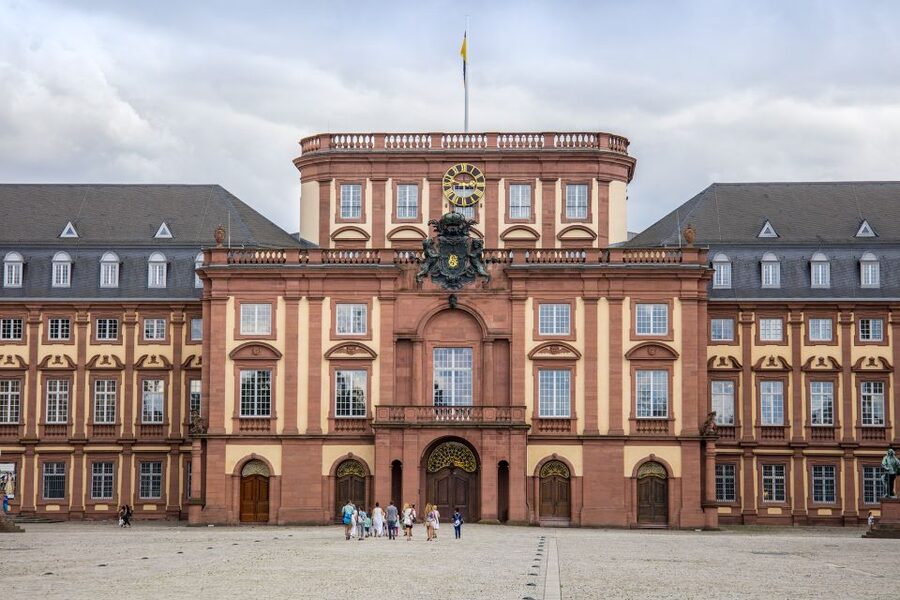
Mannheim’s story begins with a palace. This two-hour walk starts at Europe’s second-largest Baroque palace, then moves through churches, squares, museums, shopping streets, and the city’s famous water tower. It is a useful first look at a city that can seem orderly and modern until someone points out the stories beneath the streets and facades.
I like the tour’s compact route and its focus on both old and new Mannheim. I also like that the guide does not simply fire years and rulers at you. One especially positive comment described the storytelling as coherent, with some lived city history mixed into the facts. The main drawback is time: two hours can feel tight if you want long stops or detailed interior visits.
Key points to know before booking
- Start at the Baroque palace: Meet at the courtyard entrance of the former residence of the Wittelsbach prince-electors.
- See central Mannheim on foot: The route includes the Jesuit Church, Planken, Reiss-Engelhorn Museums, Friedrichsplatz, and the water tower.
- Hear history in a human way: The guide covers monuments and major events without relying only on long lists of dates.
- German is the tour language: A qualified, live guide leads the walk in German.
- Plan for all weather: The tour runs in rain or shine, so comfortable shoes and suitable clothing matter.
- Good value at $17: The price is modest for two hours of guided orientation, though food, drinks, and transportation are separate.
Starting beneath Mannheim’s Baroque palace
Your meeting point is in front of the entrance to the courtyard of Mannheim’s Baroque palace. This detail matters. The address, Bismarckstraße 14, includes several buildings, so do not stop at the first facade you see. Look specifically for the courtyard entrance, or use the supplied what3words location, futter.medizinerin.tiere, and the coordinates 49°29’02.8″N 8°27’46.0″E.
The palace gives the walk a strong opening. It was the former residence of the prince-electors of the House of Wittelsbach, and its scale helps explain Mannheim’s importance in the region. You are not beginning with a generic city street. You are starting at the seat of political power, where the city’s past has a clear physical shape.
The description calls it Europe’s second-largest Baroque palace. Even if you are not planning an interior visit, the exterior provides a useful first lesson in Mannheim’s grand ambitions. The guide can place the building within the city’s political story before you head into the center.
This is also a practical meeting point for a first-time visit. From here, the route moves into several central areas, so the walk can help you understand where the main sights sit in relation to one another. You will not need a transfer during the tour, but you must make your own way to the palace.
More Walking Tours in Swabia
- Ulm: City Center Walking Tour with Minster Visit
★ 4.7 · 831 reviews - Karlsruhe: Guided City History & Culture Walking Tour
★ 4.5 · 79 reviews - Ulm: Scavenger Hunt Self-Guided Walking Tour
★ 4.6 · 71 reviews
The Jesuit Church and Mannheim’s grand religious art
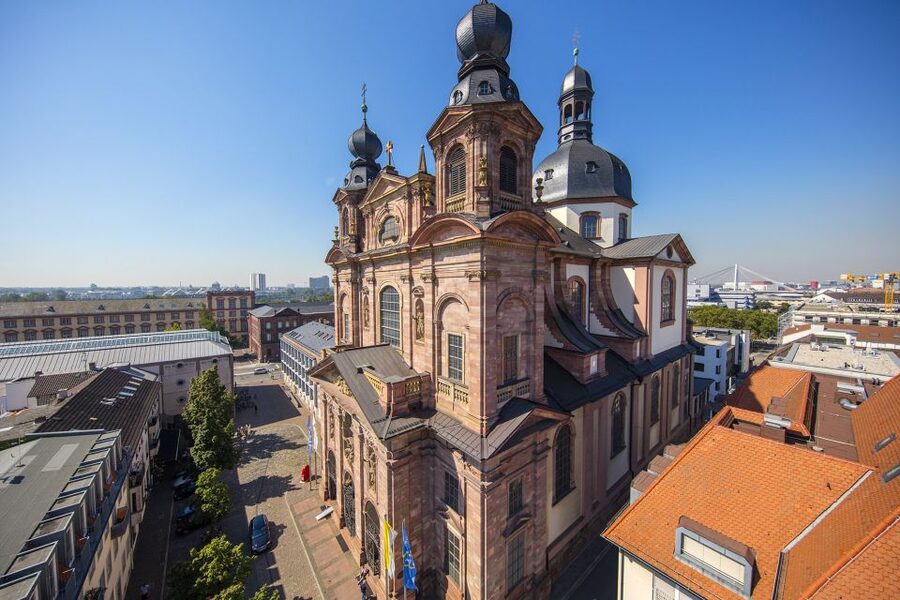
The next major stop is the Jesuit Church, located close to the palace. Its presence adds a different note to the tour. The palace represents government and court life, while the church points to the religious and artistic forces that shaped the historic center.
The visit is presented as a chance to learn more about the church rather than as a long architectural study. That makes it a good fit if you want the main story, the reason the building matters, and a sense of its place in Mannheim. You should not book this walk expecting an extended interior examination of every church detail. The route has several stops to cover.
The church also helps prevent the tour from becoming only a parade of shopping streets and civic buildings. You get a look at how power, faith, culture, and daily life met in the central city. A guide can make those connections in a way that is difficult to get from a map alone.
The exact amount of time at each stop can vary, and the two-hour schedule means the group must keep moving. If the church is your main interest, you may want to return on your own after the walk, provided opening conditions allow it. The tour’s purpose is orientation and interpretation, not a full specialist visit.
Planken, Mannheim’s main shopping street
From the historic sights, the walk continues into Planken, the main shopping street in the heart of Mannheim. This is where the city’s daily character comes forward. Instead of viewing Mannheim only as a former princely residence, you see a central street used for ordinary city life.
I like this part of the route because it gives the tour a useful change of pace. A palace can tell you about rulers. A shopping street tells you how the center works now. Planken helps connect the historic places with the modern city around them.
The guide also discusses Mannheim’s contemporary character and its food scene. That makes the walk more useful for the rest of your visit. You may come away with ideas for where to eat or which parts of the center deserve another look, though food and drinks are not included in the tour.
Do not expect a food tour. The gastronomic scene is discussed rather than sampled. If you want tastings or a meal, plan that separately after the walk. Still, knowing that the guide includes modern city life keeps the experience from feeling like a history lecture in motion.
Reiss-Engelhorn Museums and central city stories
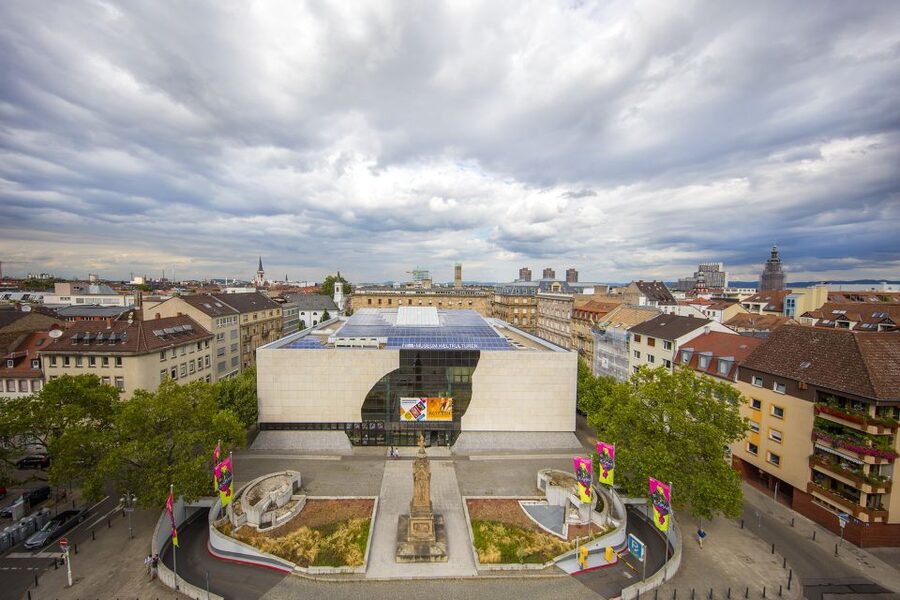
The route includes the assembled buildings of the Reiss-Engelhorn Museums. Their presence gives the guide another way to explain Mannheim’s cultural identity. Rather than focusing on one isolated museum entrance, the walk places the museum buildings within the wider center.
You will hear about monuments and memorials along the way, as well as key parts of Mannheim’s eventful past. The supplied feedback points to a style that mixes standard history with some personally experienced city stories. That is a real strength. Dates and names can tell you what happened, but a local perspective can make the city feel more legible.
The guide is described as qualified, but no guide name is provided. The language is German, and that is an important booking point. If you understand German comfortably, you can expect a live explanation of the city’s historic and present-day character. If you do not, the tour may not be a practical choice, since no other language is listed.
This stretch of the route is also where the tight timing may become noticeable. Mannheim offers several different subjects in a small period: court history, religious buildings, museums, shopping, memorials, food, art, and modern city life. The walk gives you a broad introduction, but it cannot give every subject equal attention.
Same city, a completely different kind of day:
- Sinsheim: Technik Museum Day Pass and IMAX 3D Ticket
★ 4.8 · 616 reviews - Karlsruhe: 24-Hour Hop-On Hop-Off Sightseeing Bus Ticket
★ 4.4 · 362 reviews - Heilbronn: 24h Hop-on Hop-off City Sightseeing Bus Tour
★ 4.3 · 85 reviews - Mannheim: Guided Street Art Walking Tour
★ 4.7 · 57 reviews
Friedrichsplatz, Art Nouveau, and a change of mood
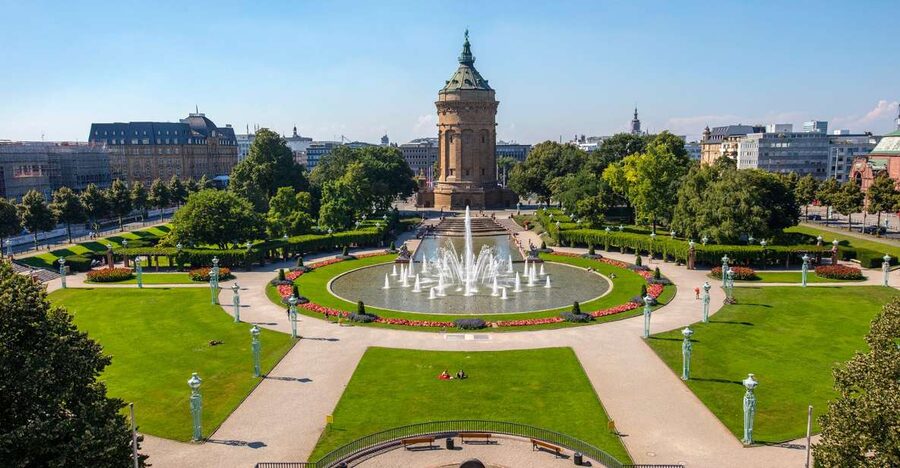
Friedrichsplatz brings a different architectural and artistic mood. The tour describes it as an atmospheric Art Nouveau square and highlights contemporary works of art there. This stop helps show that Mannheim is not frozen in its Baroque past.
I like the contrast. The palace and Jesuit Church introduce older forms of power and belief. Friedrichsplatz brings art and public space into the picture. You get a sense of a city that has continued to add new layers rather than simply preserving a single historic style.
The square is also a good place to think about how public spaces work. A city square can be a monument, a meeting place, an art setting, and part of the everyday route between neighborhoods. The guide’s comments about Mannheim’s modern spirit should make this part more than a quick photo stop.
The word atmospheric sets an expectation of place and mood, not a formal art tour. You will learn about the square and its works, but the experience is still a walking introduction. If contemporary art is your main reason for visiting Mannheim, you should allow extra time elsewhere for a closer look.
Finishing with the water tower
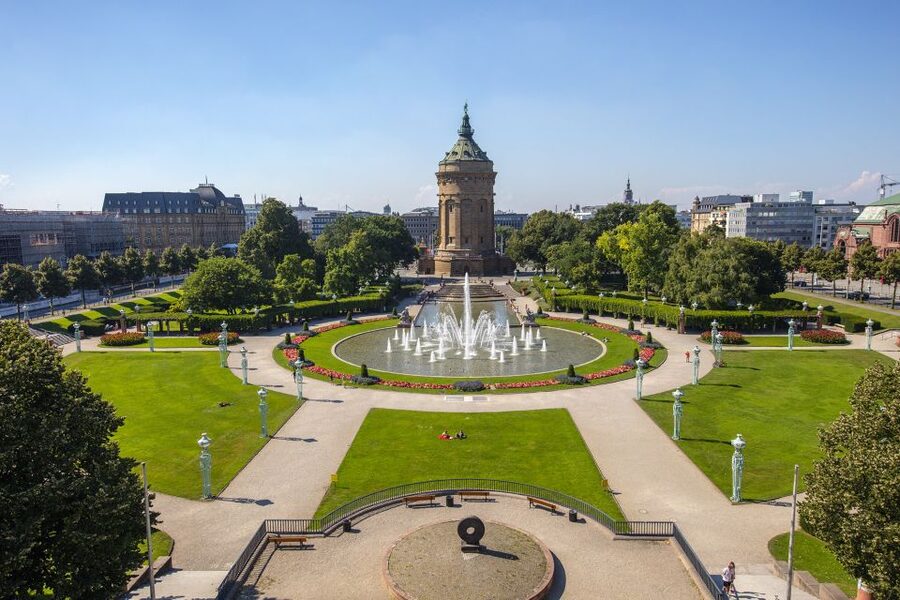
The walk ends with a view of Mannheim’s historic water tower, one of the city’s best-known landmarks. Ending here gives the route a clear visual finish. You begin with the palace, a symbol of court power, and finish with a structure that has become part of Mannheim’s public identity.
The water tower also provides a useful orientation point. From the historic center, it helps you understand the city’s layout and gives the walk a memorable final image. You may find it especially handy as a place to continue your own sightseeing after the guide says goodbye.
The tour description does not promise an interior visit or a climb, so plan on seeing and discussing the landmark from the route. That is another reason to view this experience as a city walk rather than a collection of full admissions. The guide helps you recognize what you are seeing and why it matters.
How the two-hour format affects your visit
Two hours is long enough to get a solid introduction, but short enough to fit into a busy day. I would schedule it near the beginning of your time in Mannheim, especially if you want help deciding what deserves a longer visit later.
The route covers a lot. You see the palace, Jesuit Church, central squares, museums, Planken, Friedrichsplatz, monuments, memorials, and the water tower. You also hear about food and Mannheim’s current character. That range is valuable, but it means you should expect a steady pace.
One German-language comment praised the way the walk avoided a constant stream of years and instead included some experienced city stories. Another gave the experience the highest mark without adding a complaint. At the same time, a separate comment made the useful point that the time felt too short. Put those points together and you get a fair picture: the format works well for a broad overview, but not for slow, detailed sightseeing.
Wear comfortable shoes. This is a real walking tour, not a short transfer between attractions. The tour takes place in rain or shine, so check the forecast and bring clothing that suits the conditions. You should also leave room for the group to move at the guide’s pace.
Dogs are not allowed on public tours. Food, drinks, and transportation to and from the meeting point are also not included. These are simple details, but they affect your planning, especially if you are fitting the walk between train arrivals, meals, or other appointments.
Is $17 a fair price for Mannheim?
At $17 per person, this is a reasonably priced way to get two hours of guided context in the city center. You are paying for the qualified guide and the route, not for admissions, food, or transportation. Since the walk includes several major sights, the value comes from the connections between them.
I would consider the price especially fair if Mannheim is new to you. A guide can show you how the palace, church, museums, shopping street, public squares, and water tower fit into one city story. That can save you time later and help you choose where to return.
The value is less obvious if you want access to interiors or a highly specialized subject. The walk does not list museum or church admissions, tastings, hotel pickup, or transport. You are buying interpretation and orientation rather than a package of extras.
Flexible booking also reduces the risk of planning too far ahead. You can reserve and pay later, and cancellation is free up to 24 hours before the start for a full refund. Check the available starting times before booking, since the duration is fixed at two hours but the schedule can vary.
Who will enjoy this city walk?
I would recommend it to first-time visitors who want a clear introduction to Mannheim without spending half a day on a formal sightseeing program. It also suits anyone interested in the connection between historic buildings and present-day city life.
German speakers will get the most from it, since German is the only listed tour language. The walk may suit couples, solo visitors, and small groups who prefer a guide’s explanation to reading every sign on their own.
It is less suitable for anyone looking for a food experience, a museum tour, or an in-depth architectural study of one building. It may also disappoint visitors who want plenty of free time at each stop. The route’s strength is its range, not its length at any single sight.
Families should note the no-pets rule, especially if a dog is part of your trip. Anyone with limited comfort walking in poor weather should also think carefully, since the tour runs in rain or shine and no indoor alternative is promised.
Should you book Discover Mannheim?
Book this tour if you want a short, affordable German-language overview with a good mix of palace history, religious architecture, shopping streets, public art, museums, and modern city life. The strongest reason to choose it is the storytelling style, which appears to favor clear explanations and lived city stories over a pile of dates.
Skip it if you need an English tour, a slow interior-focused visit, or included meals and admissions. For most German-speaking visitors with two hours to spare, $17 is a sensible price for getting your bearings and seeing Mannheim through one connected route. Just arrive at the correct palace courtyard, wear shoes meant for walking, and accept that the schedule may leave you wanting to return for a closer look.
FAQ
Where does the Mannheim walking tour begin?
Meet in front of the entrance to the courtyard of Mannheim’s Baroque palace. The address is Bismarckstraße 14, 68161 Mannheim, but it includes multiple buildings, so look for the courtyard directly.
How long does the tour last?
The walking tour lasts two hours.
What language is the tour conducted in?
The tour is conducted in German with a live guide.
What sights are included on the route?
The route includes the Baroque palace, Jesuit Church, central squares, the Reiss-Engelhorn Museums, Planken shopping street, monuments and memorials, Friedrichsplatz, and a view of the historic water tower.
Is transportation included?
No. You must arrange your own transportation to and from the meeting point.
Are food and drinks included?
No. Food and drinks are not included.
Are dogs allowed on the tour?
No. Pets are not allowed on public tours.
What should I bring?
Bring comfortable shoes and clothing suitable for the weather. The tour takes place in rain or shine.
Just added in Swabia
- Guided tasting of Cider★ 5.0 · 4 reviews
- Ulm Private Walking Tour With A Professional Guide★ 5.0 · 5 reviews
- Villingen-Schwenningen Scavenger Hunt and Sights Self-Guided Tour★ 4.5 · 3 reviews
- Premium Zone Lasertag in Göppingen★ 4.5 · 6 reviews
- Sigmaringen: Hohenzollern Castle Admission & Audio Guide★ 4.9 · 15 reviews
- Segway Tour: Old Town Hall, Water Tower & Ehrenhof★ 5.0 · 21 reviews
- Mannheim: Segway Tour along the Neckar River★ 5.0 · 15 reviews
- Segway Tour of Mannheim: Rhein, Waldpark, and Lindenhof★ 5.0 · 13 reviews
Walking Tours, compared.

Berlin’s Best: 2 Hour Walking Tour Third Reich and the Cold War
Read our review →
Third Reich Berlin: Hitler and WWII Walking Tour
Read our review →Browse the lists this tour appears in