
Reviewed · WINE TOURS
Koblenz: The Living Vineyard, Nature & Wine Enjoyment
The best part of this experience is the way wine tasting is tied to the living world around it. At Weingut Lunnebach, Bernd Doetsch leads you through Moselle vineyards, dry stone walls, meadows, fruit trees, and the Brauewald, explaining how plants, insects, reptiles, birds, and winemaking all fit together. A secco starts the outing, and three wines appear along the way.
I like the slow uphill pace, which gives you time to stop, look, and listen instead of racing from one tasting table to the next. I also like the personal touch provided by Bernd and his wife Bettina, whose lively explanations and generous pours earned especially warm praise. The main drawback is simple: the tour is conducted only in German, and the three-kilometer route is not suitable for wheelchair users or people with mobility impairments.
Key points at a glance
- A wine walk with a nature focus: Learn about flora, fauna, geology, and vineyard work in the same outing.
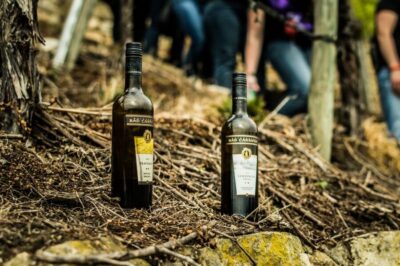
- Four drinks included: Begin with a welcome secco, then taste three selected wines from the cellar.
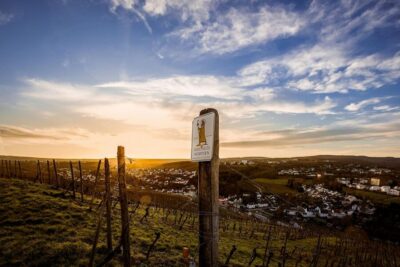
- A gentle climb above the Moselle: The route rises leisurely and ends with views toward Koblenz.
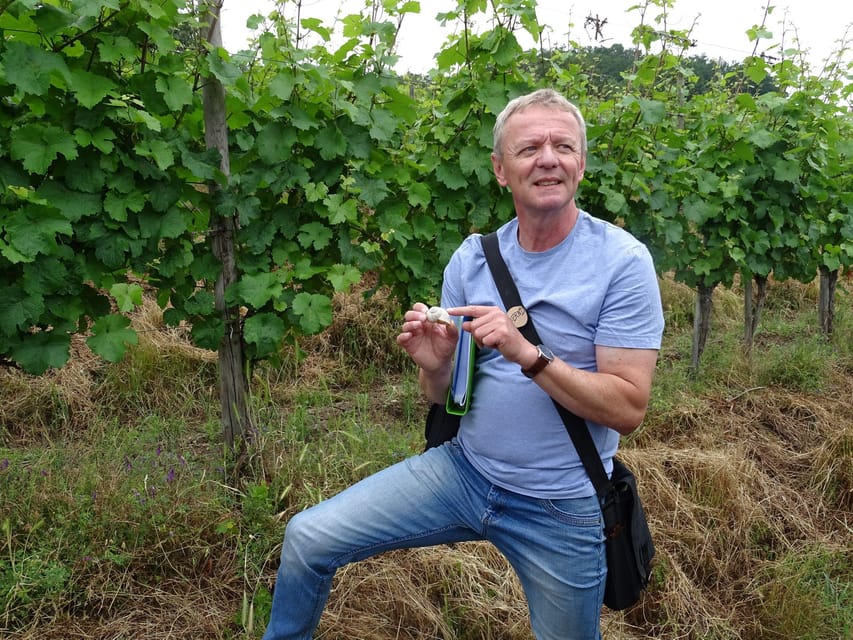
- A personal guide team: Bernd Doetsch leads the walk, with Bettina helping serve wine and snacks at stops.
- A German-only experience: The guide speaks German throughout, so language ability matters.
- Rain or shine: Bring comfortable shoes and clothing suited to the forecast.
Starting with secco at Weingut Lunnebach
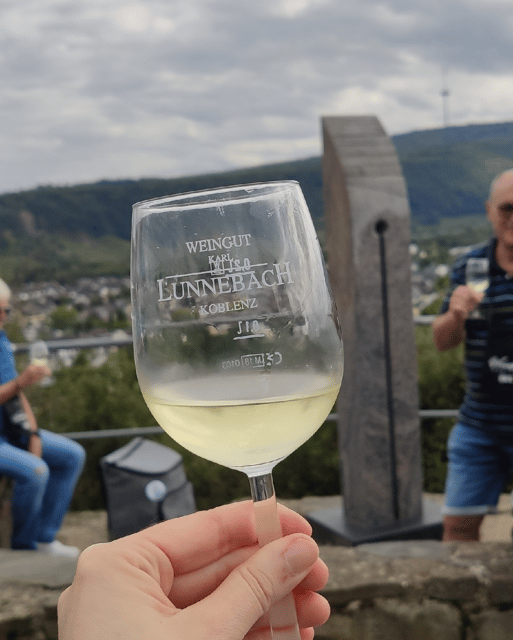
You meet at Weingut Lunnebach, where Riesling is the winery’s main grape. The welcome secco gives the tour an easy start. You receive a wine glass and a holder, allowing you to carry your drink as the walk begins rather than sitting through a formal tasting indoors.
That small detail shapes the whole outing. This is not a standard cellar visit followed by a short photo stop. The wine travels with you into the vineyard, where the setting helps explain what you are drinking.
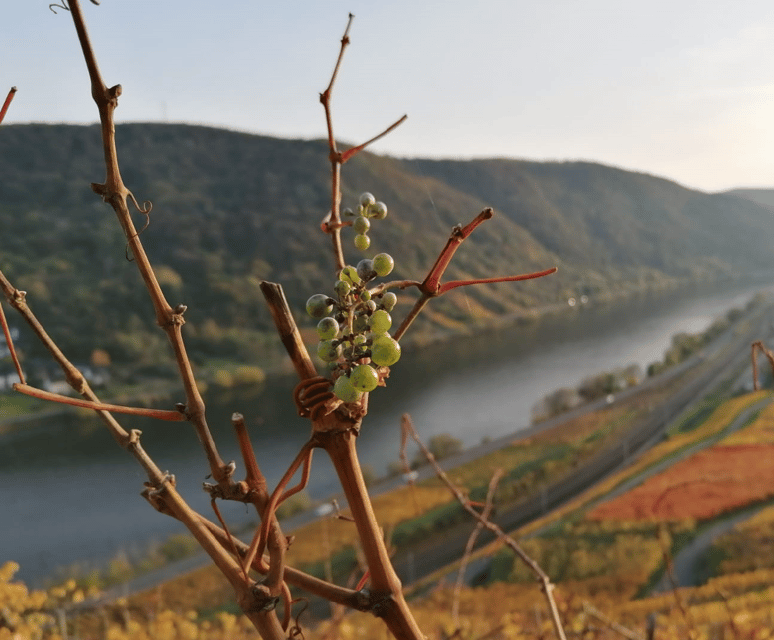
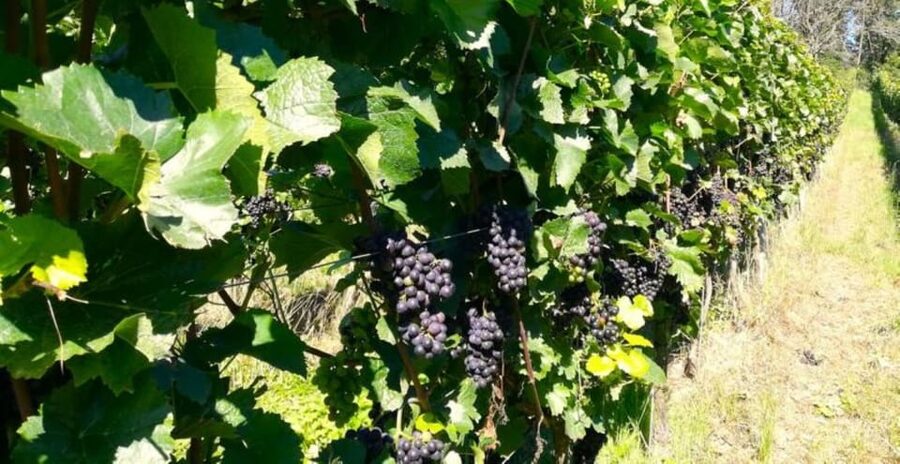
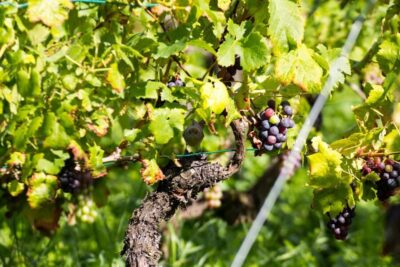
Lunnebach works with steep Moselle slopes and slate-based soils. The winery describes its wines as fruity and mineral, with sunlight and careful vineyard work playing an important role. You also hear about near-natural viticulture and the measures used to protect nature.
I find that approach useful because it connects the finished bottle to the ground beneath your feet. You are not simply told that Riesling is important here. You see the slopes, feel the climb, and learn why exposure and soil affect the grapes.
More Wine Tours in the Rhine Valley
- Koblenz: Christmas Boat Tour with Mulled Wine
★ 4.3 · 35 reviews - Winetasting / Weinprobe Koblenz
★ 4.3 · 31 reviews - Koblenz: Historical Sparkling Wine Museum Guided Tour
★ 4.6 · 28 reviews
The uphill path and Napoleon’s connection
The walk follows a path that Napoleon Bonaparte is said to have used. That historical detail adds character without turning the outing into a military history lesson. The main attraction remains the view and the changing terrain as you climb.
The route is about three kilometers in total and goes uphill at a leisurely pace. One participant described the climb as very manageable, with Bernd stopping every few meters to explain something. That rhythm is helpful. You get frequent pauses, and the walk feels more like a series of short discoveries than a fitness test.
You should still wear proper walking shoes. The route is not suitable for wheelchairs or people with mobility impairments, and the tour takes place in all weather. Comfortable clothing is also a sensible choice, especially since much of the activity takes place outdoors.
As the path rises, the view opens over the Moselle valley and toward Koblenz. The payoff is not just a single lookout at the end. You watch the view change gradually as the vines, walls, meadows, and wooded areas reveal themselves at different points.
From vines to dry stone walls and fruit trees
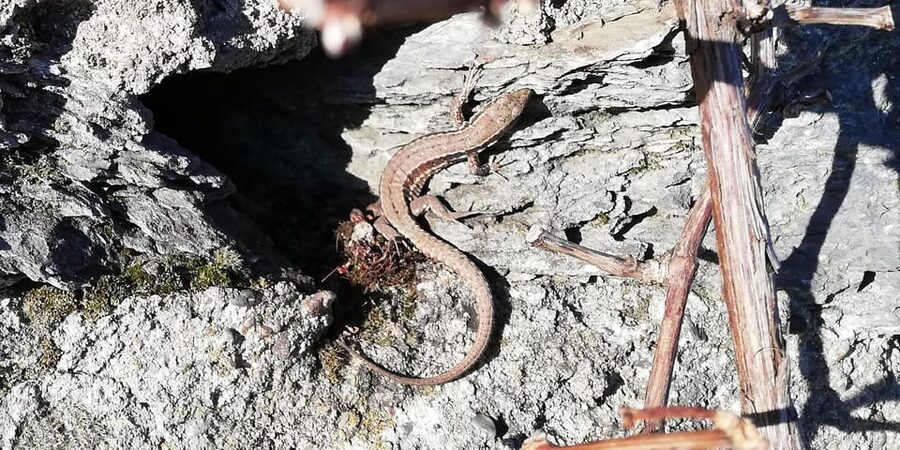
The tour’s strongest feature is its variety of habitats. You move through working vineyards, dry stone walls, fallow ground, meadows with fruit trees, and the Brauewald. Each area supports different plants and animals, giving Bernd plenty to point out.
You might learn about flowers and herbs growing beside the path, or hear how insects use the spaces between cultivated areas. Reptiles, mammals, and birds also form part of the discussion. The point is not to turn you into a field biologist in three hours. It is to help you notice how much life exists around a vineyard when the area is managed with care.
This makes the tour a good choice if you want more than a sequence of tastings. Wine is central, but nature is not decorative background. The plants, walls, soil, and animals are treated as part of the wine-growing system.
The dry stone walls are especially useful to understand in this setting. They are physical features of the slopes, but they also create small habitats and help give the old vineyard areas their character. Fallow land and meadows add another contrast to the neat lines of grapevines.
Wine tasting on the Moselle slope
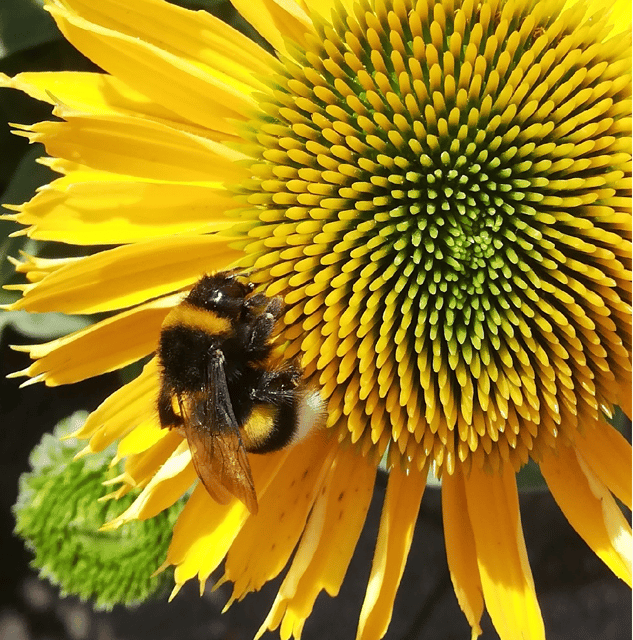
After the welcome secco, you taste three selected wines from the Lunnebach cellar. The tastings are spread through the walk, rather than saved for one final indoor session. That timing lets you enjoy each glass while standing among the vines and looking across the valley.
The winery grows Riesling in particular, calling it one of the world’s finest grape varieties. You learn about the slate soil, sunlight, vineyard care, and cellar work that shape the wines. Since the tasting is paired with explanations of the site, you get a clearer idea of why Moselle wines can show both fruit and mineral character.
The tasting is not presented as a technical exam. Bernd’s role is to explain the wine-growing process and answer questions, including questions that reach beyond the main subject. His style has been described as lively and informative, which matters during a three-hour walk. A dry recitation of grape varieties would make the climb feel longer.
Bettina helps make the stops feel generous and well supplied. At the final wine, small snacks accompany the drink, along with a particularly good view over the valley. The food is not described as a full meal, so you should not book this expecting lunch. Think of it as a pleasant addition to the tasting.
More Wine Tours in Koblenz:
- Discovery tour – cellar tour with wine tasting
★ 4.2 · 26 reviews - Trier: Guided City Walk with Wine Tasting
★ 4.8 · 979 reviews - Hamburg: Harbor Cruise with Wine and Cheese
★ 4.7 · 795 reviews - Trier: Discovery Tour – Germany’s Oldest Wine Cellar
★ 4.7 · 218 reviews
Why the guide makes a difference
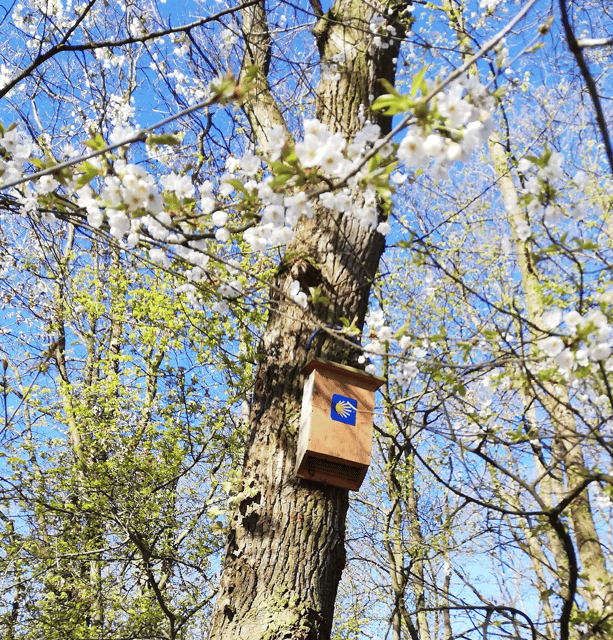
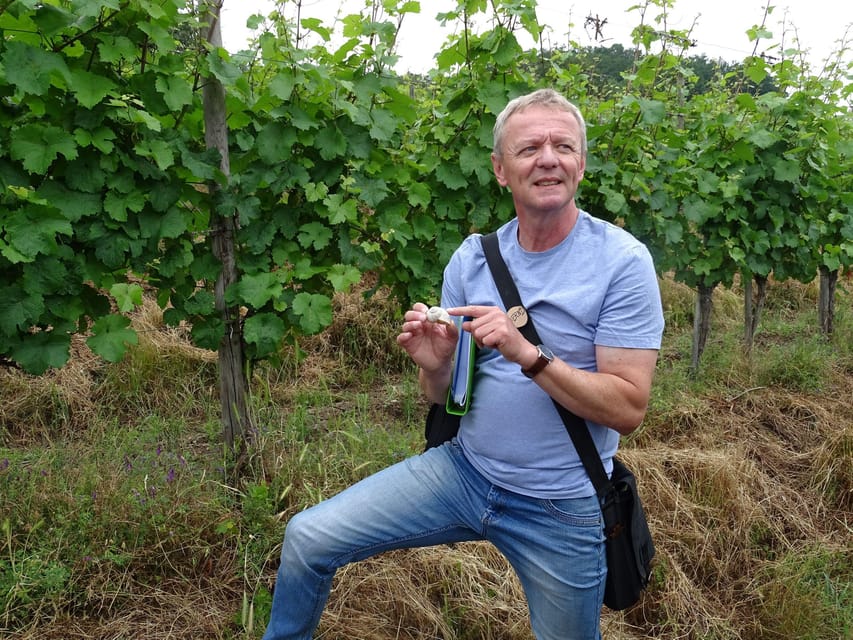
A small winery walk depends heavily on the person leading it. Bernd Doetsch is not just there to point toward the vines and pour wine. He explains regional wine, local history, geology, flora, and fauna, and he responds to questions outside the planned subject.
That flexibility is valuable. You may begin with a question about Riesling and end up discussing the rocks under the vineyard or a bird living near the path. The experience works best when you are curious and willing to look closely.
Bernd’s wife, Bettina, also plays an important part in the flow of the outing. She helps provide the wine and snacks at the various stops, so the tasting feels organized without becoming formal. One group of about 20 people found the tour easy to follow because Bernd kept the explanations moving at frequent stopping points.
The language deserves careful attention. This is a German-language tour, with a live German guide. If you do not understand German, you may miss the main value of the experience, since much of the outing depends on spoken explanation rather than simple sightseeing.
The final view toward Koblenz
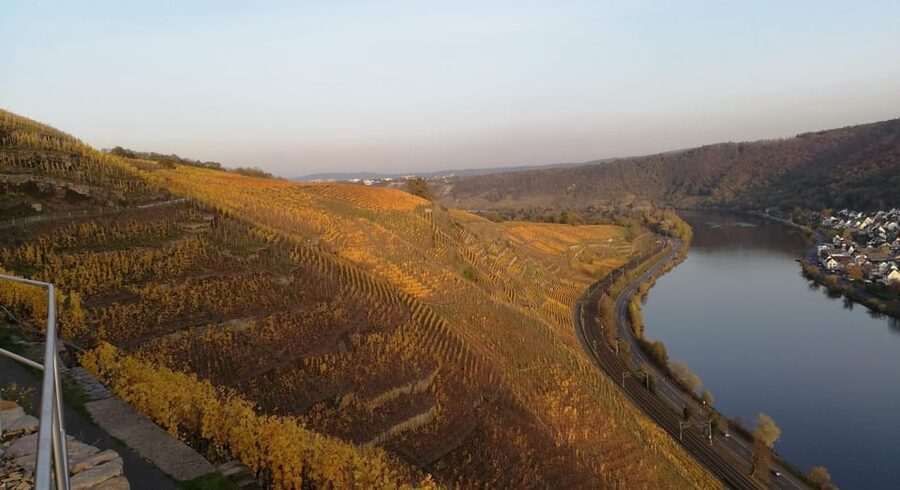
The return route brings you back toward Weingut Lunnebach, with a broad view over the Moselle valley and the city of Koblenz. This is a fitting finish because you can now read the setting differently. The vines are no longer just rows of plants. You have learned about their soil, exposure, surrounding habitats, and the work required to produce the wine.
The view also gives the tour a useful sense of place. Koblenz is not treated as an isolated city stop. You see how the city, river valley, wooded areas, slopes, and vineyards connect.
Do not expect a strenuous mountain hike or a wilderness expedition. The walk is leisurely, and the emphasis is on interpretation, conversation, and tasting. That makes it accessible to reasonably mobile walkers, but it does not remove the need for comfortable footwear or the ability to handle an uphill path.
Is $30 a good price?
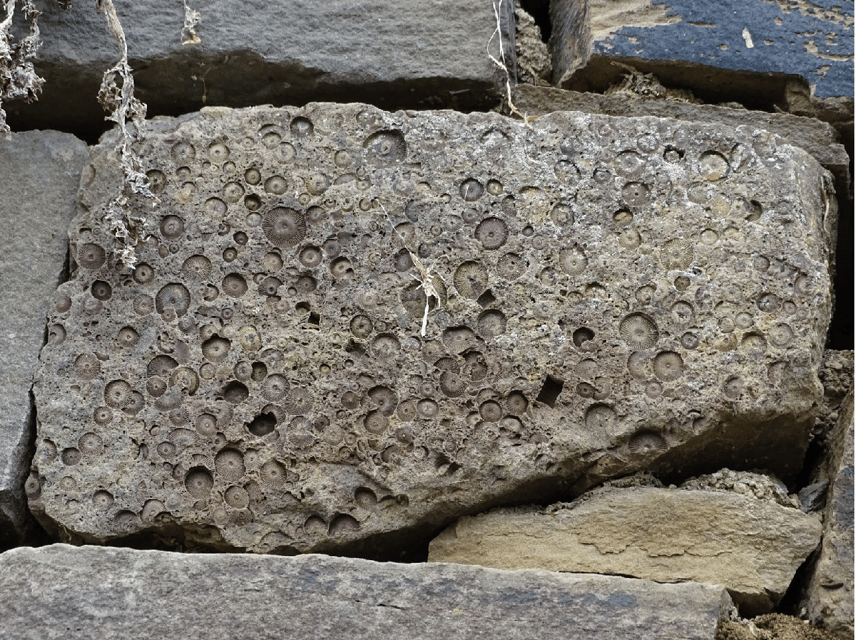
At $30 per person, the value is strong if you want a guided experience rather than just a glass of wine. The price includes about three hours with a live guide, one welcome secco, three selected wines, a walk through several habitats, and explanations of local wine production, geology, and nature.
You are also paying for access to a working winery setting and for the guide’s time between tastings. A casual tasting might cost less, but it would not usually include a three-kilometer guided route or this much attention to the surrounding environment.
The value is weaker if your main goal is a large meal, a long list of wines, or an English-language tour. The offering is focused: one secco, three wines, a few snacks at the final stop, and a German-speaking nature and wine walk.
Free cancellation up to 24 hours before the start and the option to reserve now and pay later make it easier to fit into a changing schedule. You still need to check the available starting times before booking, since the activity lasts three hours.
Who should book this walk?
I would recommend it to wine drinkers who want to understand where Moselle wine comes from, not just sample it. It also suits people who enjoy botany, birds, geology, or the small details of a rural setting.
The gentle pace makes it a good choice for a group with mixed walking habits, provided everyone can manage the uphill route. It may also work well for a team outing or family group with older children who can follow a German-language explanation, though no specific child age recommendation is provided.
You should think twice if you need English commentary, have limited mobility, or want a completely sheltered activity. The tour runs rain or shine, so weather can affect your comfort even though it does not cancel the walk.
Practical advice before you go
Wear comfortable shoes with enough grip for a vineyard path and bring clothing suitable for outdoor conditions. Since the tour takes place in all weather, check the forecast before leaving and prepare for sun, wind, or rain.
The glass holder is provided, but you will still be walking while carrying your drink. Keep your pace relaxed and use the stops to enjoy both the wine and the view.
Try to arrive ready for a talkative, interactive outing. Bernd’s strength is his ability to explain the area and answer questions, so you will get more from the experience if you ask about the grapes, soil, wildlife, or vineyard work.
Should you book it?
Book this tour if you want a small-scale Moselle wine experience that puts equal weight on the vineyard and the natural world around it. The price is fair for three hours, four included tastings, a guided walk, and views toward Koblenz.
Skip it if you need English, cannot manage a gentle uphill walk, or want a formal indoor tasting with a substantial meal. For German speakers who enjoy wine, walking, and local detail, Weingut Lunnebach offers a thoughtful way to see how the Moselle’s slopes produce more than a pretty view.
FAQ
Where does the tour begin and end?
The tour begins and ends at Weingut Lunnebach.
How long is the activity?
The experience lasts about three hours.
How long is the walking route?
The trail is about three kilometers long and goes leisurely uphill.
What wines are included?
You receive one welcome secco and taste three selected wines from the winery’s cellar.
Is the tour conducted in English?
No. The live tour guide speaks German, and the activity is conducted exclusively in German.
What should I wear?
Bring comfortable shoes and comfortable clothing suitable for an outdoor walk.
Does the tour run in bad weather?
Yes. The tour takes place rain or shine.
Is the route suitable for wheelchair users?
No. The activity is not suitable for wheelchair users or people with mobility impairments.
Just added in Koblenz
- Koblenz: Old Town Tour with the Ehrenbreitstein Fortress★ 4.8 · 4 reviews
- Koblenz: Private pub crawl with insider guide & free shots★ 5.0 · 5 reviews
- Koblenz: City & Rhine Valley Sightseeing Cruise★ 4.7 · 39 reviews
- Koblenz: Historical Sparkling Wine Museum Guided Tour★ 4.6 · 28 reviews
- Discovery tour – cellar tour with wine tasting★ 4.2 · 26 reviews
- Koblenz: Christmas Boat Tour with Mulled Wine★ 4.3 · 35 reviews
- Winetasting / Weinprobe Koblenz★ 4.3 · 31 reviews
- Koblenz: Panoramic Cruise on Moselle River to Winningen★ 4.4 · 283 reviews
Wine Tours, compared.
Advent Tour with Stollen Tasting and Mulled Wine
Read our review →Browse the lists this tour appears in