
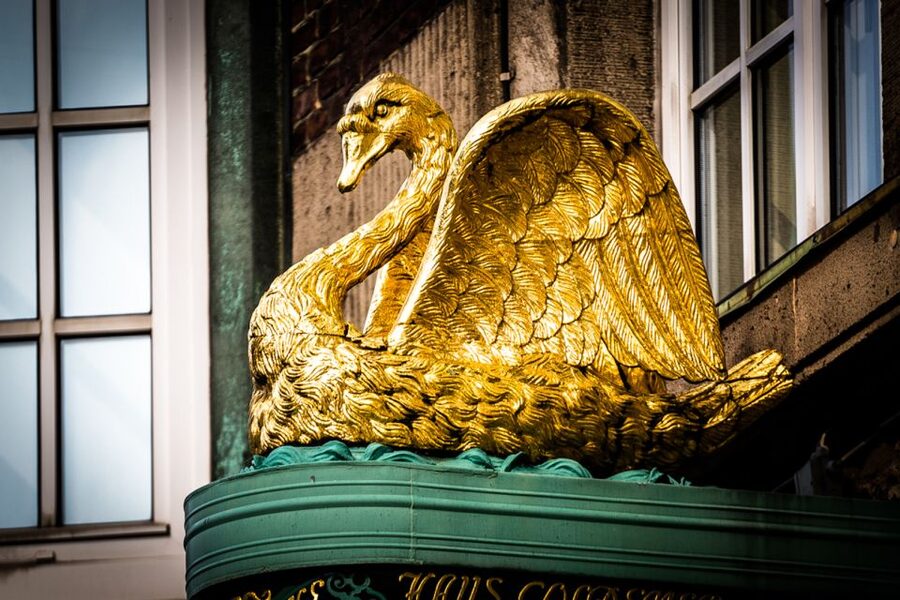
Reviewed · WALKING TOURS
Hamburg – Freemason Walking Tour in German
Hamburg’s Freemason walking tour looks at the city through a coded lens. From the memorial at St. Nikolai, you follow traces of a private society through old streets, civic buildings, and important gathering places, with the guide explaining how symbols and rituals connect to Hamburg.
I like the compact two-hour route and the way it links several central sights rather than sending you far across town. I also like the chance to see the present headquarters of the Hamburg Masonic Lodge, a detail that gives the subject a real place in the city.
The main caution is simple: this is a German-language tour, and its quality depends heavily on the guide’s balance between documented facts and storytelling. Some visitors found the route well organized and authentic, while others wanted more clear explanation of symbols on specific buildings.
Key points to know
- Start at St. Nikolai: Meet at the main entrance of the St. Nicholas Church memorial, a central and easy-to-identify starting point.
- Follow a city-center route: The walk includes Trostbrücke, Adolphsplatz, Hamburg Town Hall, Gänsemarkt, and areas around Stephansplatz.
- Focus on signs and rituals: The guide explains Masonic symbols and their meaning, rather than offering a general Hamburg sightseeing walk.
- See the lodge headquarters: The route includes the present headquarters of the Hamburg Masonic Lodge.
- German-language experience: You need enough German to follow a live two-hour talk.
- Good for curious older children: The recommended minimum age is 12, and the tour is wheelchair accessible.
Reading Hamburg Through Masonic Symbols
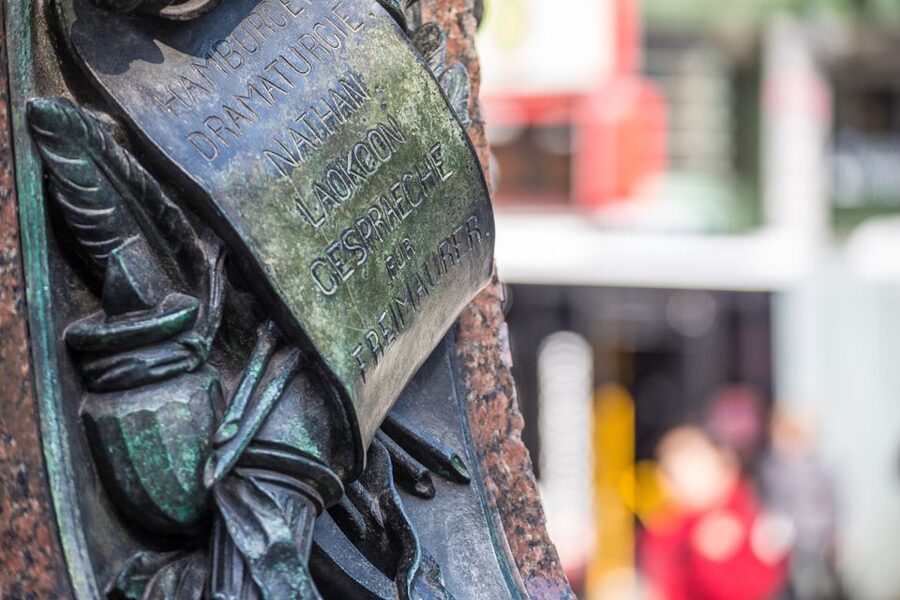
Freemasonry is often wrapped in mystery, but this walk is most useful when it brings the subject back to physical places. You are not simply hearing about a secret society in the abstract. You are moving through Hamburg and asking what its signs, buildings, and public spaces might reveal.
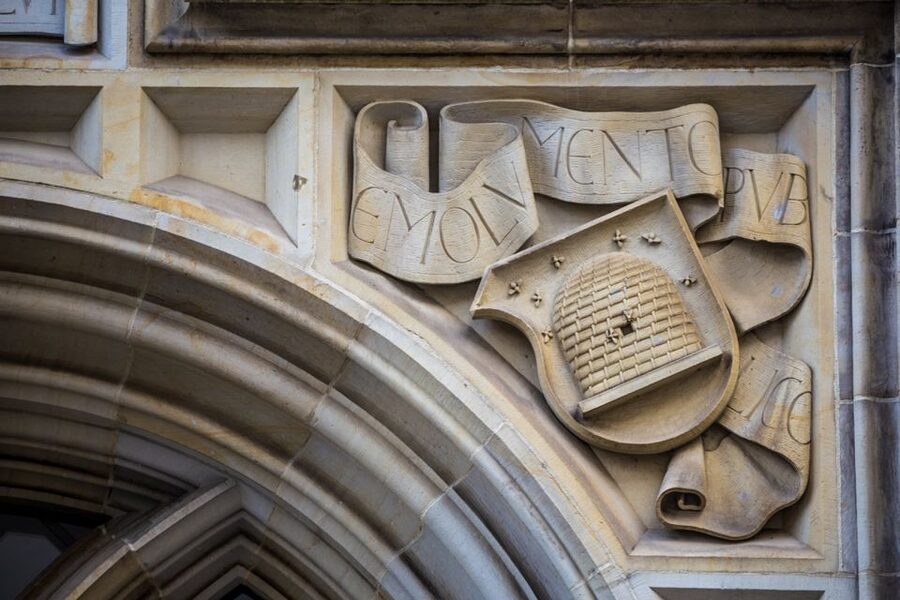
The tour covers the organization’s impact on Hamburg and introduces the symbols and rituals associated with it. That can change the way you look at older buildings after the walk. A doorway, ornament, emblem, or geometric detail may seem less like decoration and more like a clue worth examining.
You should keep your expectations grounded. The route is not presented as a hunt for sensational secrets, and the supplied information does not promise access inside private Masonic rooms. Its value lies in interpretation: your guide supplies context, points out locations, and explains why they matter.
That makes the experience a good match for you if you enjoy urban history, symbolism, and stories that sit just below the surface of ordinary sightseeing. It is less suitable if you want a broad introduction to Hamburg’s main attractions or a tour conducted in English.
More Walking Tours in Hamburg
- Hamburg: Guided Walking Tour for Magic Fans
★ 4.8 · 1,992 reviews - Reeperbahn Walking Tour with St. Pauli Local
★ 4.8 · 577 reviews - Hamburg: Speicherstadt Walking Tour with Coffee Tasting
★ 4.6 · 360 reviews
Starting at the St. Nikolai Memorial
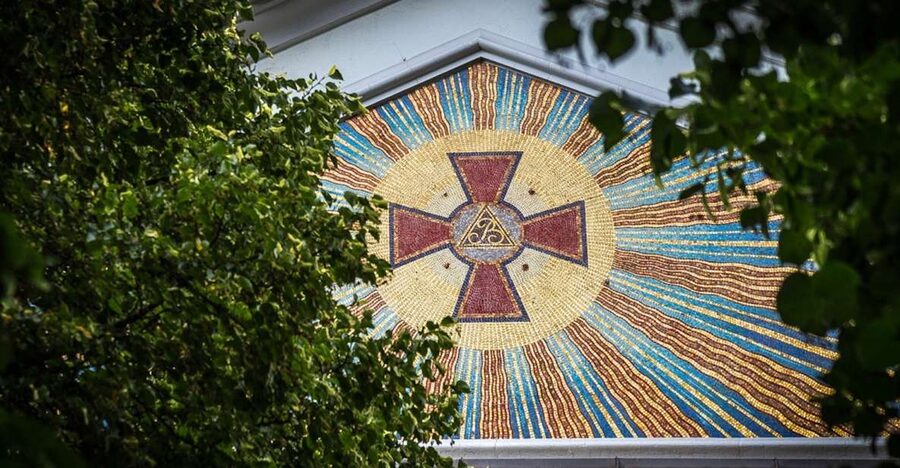
The meeting point is Am Mahnmal St. Nikolai, Haupteingang, at the main entrance of the St. Nicholas Church memorial. Make sure you go to the memorial entrance, not simply to another point associated with the church.
Starting here gives the tour a serious tone. St. Nikolai is a major Hamburg landmark, and the memorial provides a clear place to gather before the group begins walking. The tour then heads into the central city, using the streets themselves as part of the lesson.
A small practical advantage is that the first meeting point is not hidden behind a hotel or inside a business. Still, arrive with the exact German meeting-point name in hand. That is especially helpful if you are unfamiliar with Hamburg or if several church-related locations appear on your map.
The tour is wheelchair accessible, though the experience remains a walking route through central Hamburg. If you use a wheelchair, confirm the current route conditions when booking, since street surfaces and access around historic buildings can vary.
Trostbrücke and the First Clues
Trostbrücke is one of the early stops. Here, the guide begins connecting Hamburg’s city fabric with Freemasonry and its visual language.
A stop like this is useful because it gives you a point of reference before the tour reaches the larger civic buildings. You can start learning how the guide identifies a sign, explains its possible meaning, and separates established information from the more speculative side of Masonic lore.
That distinction matters. A good tour on secret societies should not treat every shape or carving as proof of a hidden message. The strongest parts of this experience are likely to be the ones that explain what is documented, what is interpreted, and what remains uncertain.
One criticism in the feedback was that some parts felt like filler and that the focus on Masonic signs on buildings was too limited. If that is your main reason for booking, listen closely at the beginning and ask the guide for specific examples. The tour is designed around the subject, but not every stop will necessarily deliver a dramatic symbol.
Adolphsplatz and Hamburg’s Civic Side
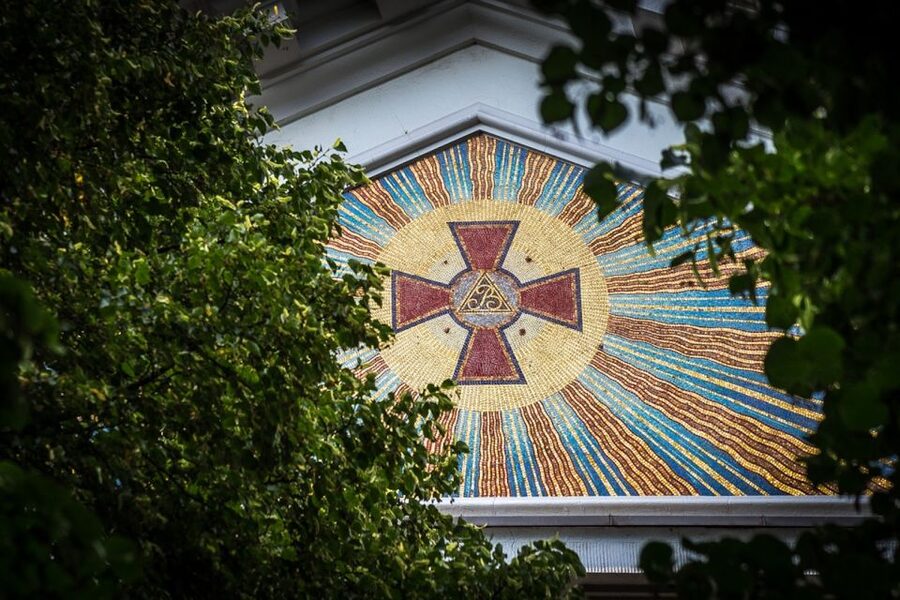
The route continues to Adolphsplatz, another guided stop before the Town Hall. This section helps shift the subject from private lodge life to the public identity of Hamburg.
The appeal here is the contrast. Freemasonry is commonly associated with private meetings and restricted membership, while Adolphsplatz is part of the city’s visible civic setting. The guide can use that contrast to explain how an organization with private rituals could still leave a mark on a public city.
You are likely to get more from this stop if you listen for connections rather than expecting a single revelation. The walk examines the organization’s place in Hamburg, so the larger question is how private groups interact with public institutions, architecture, and urban culture.
The feedback is notably mixed on the balance between facts and stories. Some people found the guide’s presentation well structured, while another person wanted more facts and less fiction. That is useful advice: treat the storytelling as a way into the subject, but pay attention to which claims are presented as historical evidence and which are framed as interpretation.
Same city, a completely different kind of day:
- Hamburg: Sex and Crime in St. Pauli Tour for Ages 18+
★ 4.7 · 15,447 reviews - Hamburg: 1.5-Hour Harbor and Speicherstadt Day Cruise
★ 4.6 · 14,200 reviews - Hamburg: 90-Minute Evening Lights Harbor Cruise
★ 4.5 · 7,728 reviews - Hamburg: 2-Hour XXL Port of Hamburg Cruise Tour
★ 4.7 · 6,979 reviews
Hamburg Town Hall: Public Power and Private Networks
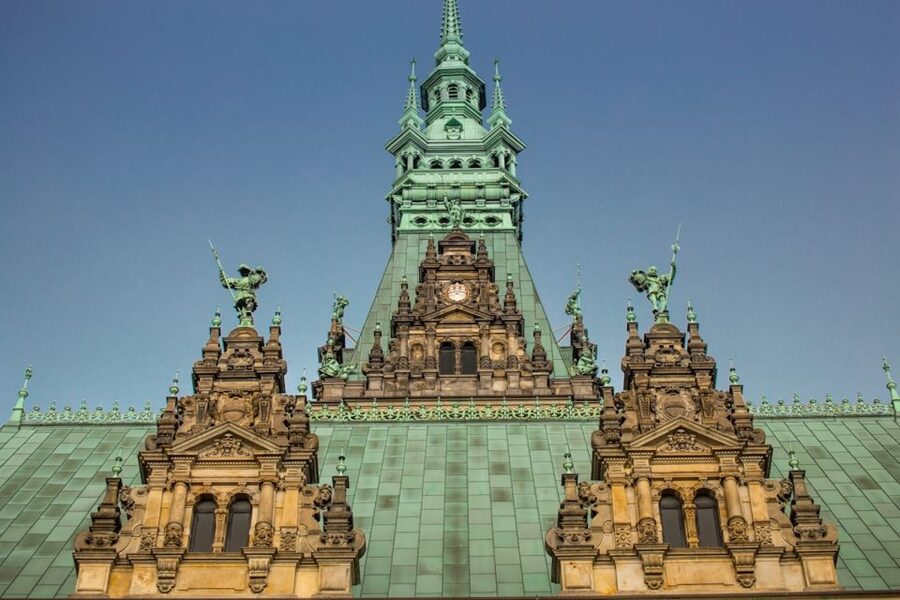
Hamburg Town Hall is one of the route’s most important stops. It is a natural setting for a discussion of civic power, prominent organizations, and the way private associations fit into a city’s public life.
The town hall also offers a strong visual anchor. Even if your interest in Freemasonry is modest, you are seeing one of Hamburg’s best-known civic buildings while learning how the guide reads its surroundings. The stop should help you connect the tour’s abstract ideas about influence, symbols, and institutions to a place you can actually see.
Do not expect the tour to replace a standard Town Hall visit. The focus is Freemasonry, not the building’s full architectural or political story. If you want a detailed account of Hamburg’s government, this will feel narrow. If you want one building examined through an unusual theme, it adds a fresh layer to a familiar sight.
This is also where the guide’s delivery matters most. A clear route and a visible thread from one stop to the next make the experience easier to follow. One highly positive response singled out the good structure and clear red thread of the tour, while another described it as chaotic. Your experience may depend on the guide leading your departure.
Gänsemarkt and the Central Walking Route
Gänsemarkt is another guided stop. By this point, the walk has moved through several central locations, and the route gives you a chance to see how the Masonic subject is spread across the city rather than tied to one isolated building.
A central route is a practical choice. You spend your time on foot in areas you may already want to visit, and the tour can fit into a day of sightseeing without requiring a long transfer. The two-hour length is long enough to develop a theme but short enough to leave room for museums, meals, or an evening event.
The route’s compact size also creates a limitation. You should not expect an exhaustive survey of every Masonic site in Hamburg. The stated program concentrates on several important locations, with Stephansplatz and nearby streets included as part of the wider route.
If you want a quick introduction, that focus is an advantage. If you already know a great deal about Freemasonry, you may want more depth at each location. The tour works best as a city walk with a specialized theme, not as an academic seminar.
Stephansplatz and the Lodge Headquarters
Stephansplatz and its surroundings form another key part of the experience. The area allows the guide to continue looking for signs and connections in the urban setting before bringing the tour to the present headquarters of the Hamburg Masonic Lodge.
The lodge headquarters is an important inclusion because it gives the tour a living endpoint. You are not only hearing about Freemasonry as something from the past. You are being shown where the Hamburg lodge is based today.
At the same time, you should be realistic about what this means. The information provided does not promise entry into the headquarters, an inside tour, or contact with lodge members. The value is in seeing the location and understanding its place in the route.
This stop may be especially interesting if you want the tour to connect historical discussion with the present day. It keeps the subject from becoming a collection of old stories and symbols. You finish with a better sense of where the organization exists in Hamburg now.
The Guide Makes or Breaks the Story
The activity includes an experienced live guide, and the feedback points to a wide range of reactions to presentation style. Kirsten received especially warm praise for making the subject interesting and for helping people look at older buildings with new eyes. Another positive response described the guide as authentic and the tour as well organized.
Those comments point to the best version of this experience: a guide who keeps a clear route, explains the subject in plain German, and shows how each stop relates to the next. A coherent structure matters because secret-society stories can easily become a jumble of names, symbols, theories, and historical claims.
You should also be ready for a more story-led approach. One response specifically asked for more facts and less fiction, while another criticized the tour for lacking a clear thread and giving too little attention to the meaning of symbols on buildings. That does not make the tour a poor choice, but it does mean you should book it for guided interpretation rather than guaranteed architectural evidence at every stop.
The strongest advice is to ask questions. If you see a sign or feature that interests you, ask what is known about it and what is interpretation. That can help you get the precise experience you want from a subject that naturally attracts speculation.
Is $29 a Fair Price?
At $29 per person, the tour sits in a reasonable range for a two-hour specialist walking experience. You are paying for a live German-speaking guide, a planned route through several central locations, and a souvenir.
The value is strongest if you are genuinely interested in Freemasonry, coded symbolism, or unusual angles on Hamburg. A standard city walk can show you the Town Hall and central streets, but this experience gives you a specific theme and a reason to look more carefully at the buildings around you.
The value is weaker if you are mainly seeking access to Masonic interiors or a large number of clearly identified symbols. No interior access is promised, and the feedback shows that the amount of detail devoted to signs can vary.
A 4.4 rating from 38 reviews suggests a generally positive experience with some clear differences in expectations. For me, that makes the price fair when you view the tour as a focused urban history walk, not as a sensational mystery outing.
Who Should Book This Hamburg Tour?
I would recommend it to you if you meet most of these conditions:
- You understand German well enough to follow a two-hour live tour.
- You enjoy history told through buildings, symbols, and local places.
- You have already seen some of central Hamburg and want a fresh angle.
- You are comfortable with a subject that may include interpretation as well as firm historical facts.
- You are at least 12 years old, or you are booking for someone who meets the recommended age.
I would choose a different tour if you need English, want a general overview of Hamburg, or expect guaranteed access inside the lodge headquarters. I would also be cautious if your main goal is to photograph a long list of unmistakable Masonic symbols on buildings.
The walk is likely to suit curious visitors who enjoy asking why a place looks the way it does. It gives you a theme to carry through the rest of your time in Hamburg, and that is often the best kind of city tour: one that keeps working after the guide has finished speaking.
Should You Book the Freemason Walking Tour?
Book this tour if you want a short, German-language walk that connects Hamburg’s central streets with Freemasonry, civic life, and symbolic details. The route is manageable, the price is fair, and the lodge headquarters gives the experience a useful present-day connection.
Go in with sensible expectations. You are buying a guided interpretation of Hamburg, not a secret initiation, an inside tour of the lodge, or a guarantee that every building will reveal a Masonic sign. If the guide keeps the clear structure praised by some participants, you can finish the walk seeing familiar Hamburg streets in a more questioning way.
FAQ
Where does the Freemason walking tour meet?
The meeting point is at the main entrance of the St. Nicholas Church memorial, listed as Am Mahnmal St. Nikolai, Haupteingang.
How long does the tour last?
The walking tour lasts two hours.
What language is the tour conducted in?
The live guide conducts the tour in German.
How much does the tour cost?
The listed price is $29 per person.
Which places are included on the route?
The route begins at St. Nicholas Church and includes Trostbrücke, Adolphsplatz, Hamburg Town Hall, Gänsemarkt, and Stephansplatz and its surroundings. It also includes the present headquarters of the Hamburg Masonic Lodge.
Is the tour wheelchair accessible?
Yes, the activity is listed as wheelchair accessible.
What is the recommended minimum age?
The tour is recommended for people aged 12 and older.
Can I cancel the booking for a refund?
You can cancel up to 24 hours before the tour for a full refund. You can also reserve now and pay later.
Just added in Hamburg
- Hamburg: St. Pauli Food and Bier Tour★ 4.7 · 5 reviews
- Hamburg: Private Tour Red Light District Walking Tour★ 4.7 · 227 reviews
- St. Pauli Tour: Drag-Attack with Barbie Stupid & Lee Jackson★ 4.8 · 280 reviews
- St. Michael’s, Elbe Tunnel & Harbor 2-Hour Hamburg Tour★ 4.9 · 21 reviews
- Hamburg: Safari tour in St. Pauli★ 4.9 · 11 reviews
- Satt Pauli – der kulinarische Rundgang durch St. Pauli★ 4.8 · 12 reviews
- Radtour um die Alster & durch traumhafte Alsterviertel★ 4.9 · 34 reviews
- Hamburg: Reeperbahn Comedy Club★ 4.3 · 53 reviews
Walking Tours, compared.




Berlin’s Best: 2 Hour Walking Tour Third Reich and the Cold War
Read our review →


Third Reich Berlin: Hitler and WWII Walking Tour
Read our review →Browse the lists this tour appears in