
Reviewed · CONCENTRATION CAMP MEMORIALS
From Munich: Dachau Memorial Site Tour in Spanish
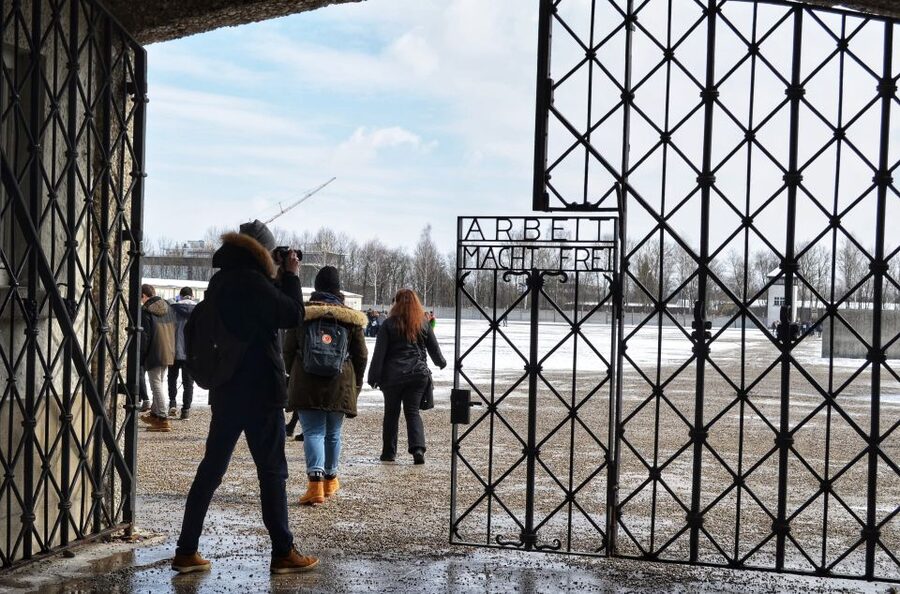
Dachau is not a sightseeing stop in the usual sense. It is a place of memory, grief, and hard facts, and this five-hour Spanish-language tour gives you time to face its history without rushing from Munich. You’ll travel by train and walk through the former camp grounds with an official memorial guide.
I like two things here: the guide explains both the surviving buildings and the stories of the people imprisoned there, and the tour includes the permanent exhibition, original structures, reconstructions, and memorials. The main consideration is the subject itself. This is a serious, emotionally heavy visit, and children under 13 cannot join.
- Spanish-speaking official memorial guide: Receive historical context and explanations in Spanish throughout the visit.
- Train journey from Munich: Meet under Karlstor Gate at Karlsplatz, then travel together to Dachau.
- Permanent exhibition: Learn the camp’s history through the main museum display.
- Original buildings and reconstructions: See the roll-call area, bunkers, barracks, and crematorium.
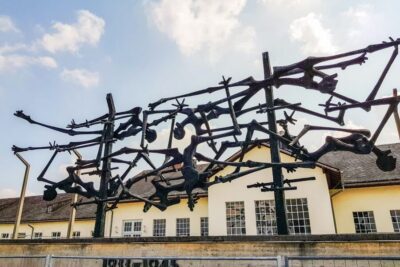
- International and religious memorials: Allow time for reflection beyond the main exhibition.
- Five-hour format: The length gives the guide room to explain the site rather than hurry you through it.
Why Dachau Requires More Than a Quick Visit
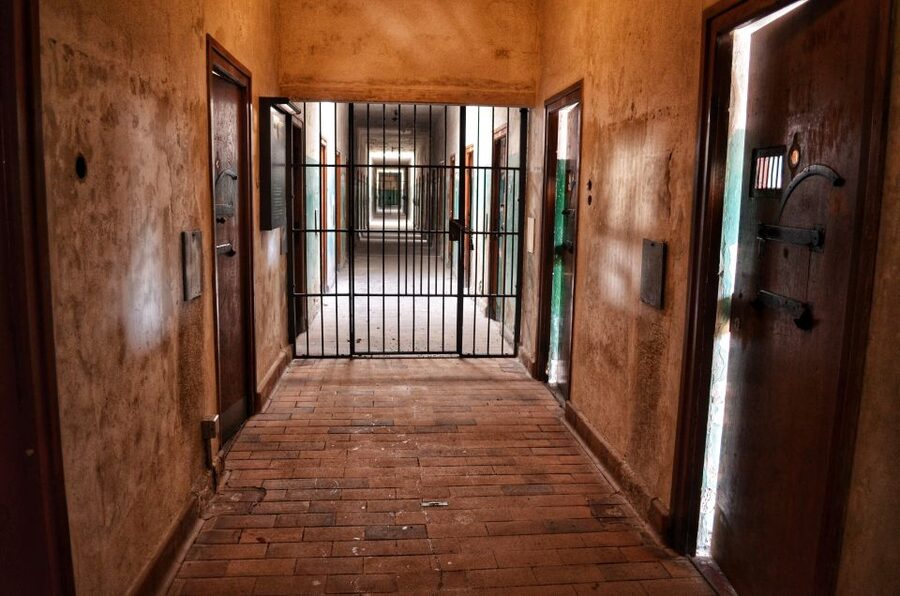
The Dachau Memorial Site is a place where the physical remains matter. The buildings, open grounds, bunkers, barracks, and crematorium are not simply historic sights to check off. Together, they show how an organized system of imprisonment operated and how ordinary spaces were turned into places of fear and suffering.
I find a guided visit especially useful here because the site can feel stark and difficult to read on your own. An official memorial guide can explain what you are seeing, place the remaining structures in context, and connect the wider history to the people who were imprisoned there.
The tour is conducted exclusively in Spanish. That is a real benefit if you are comfortable in the language, since you can follow the explanations and ask questions without depending on translation. It also means the tour is not suitable for anyone who does not speak Spanish.
Meeting at Karlstor and Taking the Train
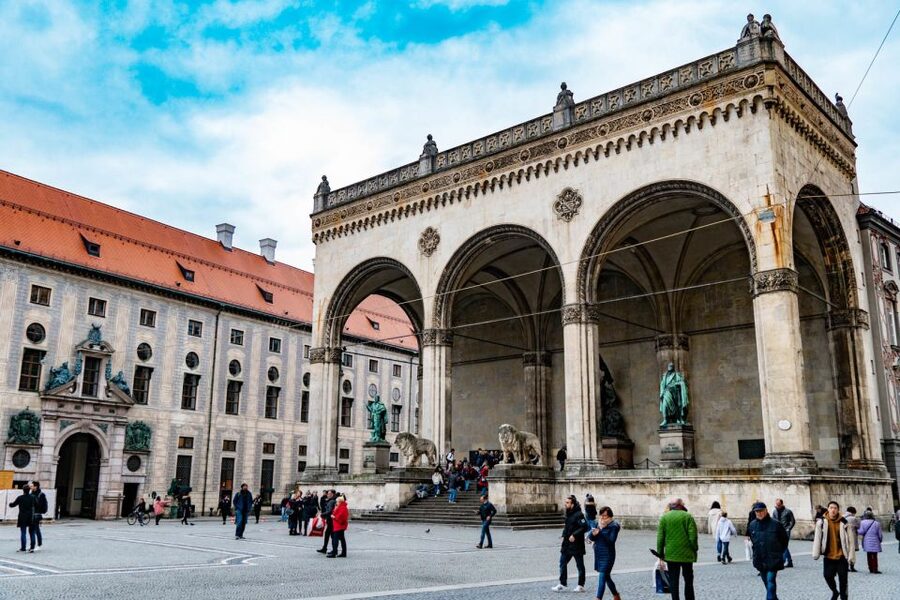
Your day begins under Karlstor Gate at Karlsplatz in central Munich. Arrive 10 minutes before the scheduled start time. The meeting instruction is unusually specific: do not look for a bus or board one. Find the guide waiting beneath the Karlstor arch.
From there, the group travels by train to the memorial site. The transport ticket is not included in the $40 price, so you need to budget separately for that cost. The train ride also means this is not a door-to-door excursion. There is no hotel pickup or drop-off.
That may sound like a small detail, but it affects how you plan the morning. You need to reach central Munich on your own, identify the correct meeting point, and arrive with enough time to find the guide. The advantage is that you travel as part of the group from the beginning rather than trying to locate the memorial site independently.
Wear comfortable shoes. The visit involves walking around the memorial grounds and moving between several areas, so practical footwear matters more than dressing for a city outing.
More Concentration Camp Memorials in Munich
- Dachau Concentration Camp Memorial Site Tour from Munich by Train
★ 4.5 · 5,637 reviews - From Munich: Dachau Memorial Site Day Tour
★ 4.8 · 2,723 reviews - From Munich: Dachau Memorial Site Half-Day Trip
★ 4.7 · 2,526 reviews
The Permanent Exhibition Sets the Context
The permanent exhibition provides the main historical framework for the visit. Rather than seeing isolated buildings with no explanation, you learn how Dachau Concentration Camp developed and what happened to the people held there.
This part of the tour is valuable because the site can otherwise feel visually spare. Some original buildings remain, while other parts have been reconstructed or marked out. The exhibition helps you understand the difference between what survives, what has been rebuilt, and what is represented through memorial design.
The guide also discusses the victims. That human focus matters. Dachau is not only a story about structures, dates, and political events. The visit is intended to help you understand the lives affected by the camp and the suffering represented by the grounds.
A comment from a recent Spanish-speaking participant described the guide’s explanations as clear, patient, and broad in scope. That matches what you should want from this kind of visit: not dramatic storytelling, but calm guidance that helps you follow difficult material.
Roll-Call Area, Bunkers, and Barracks
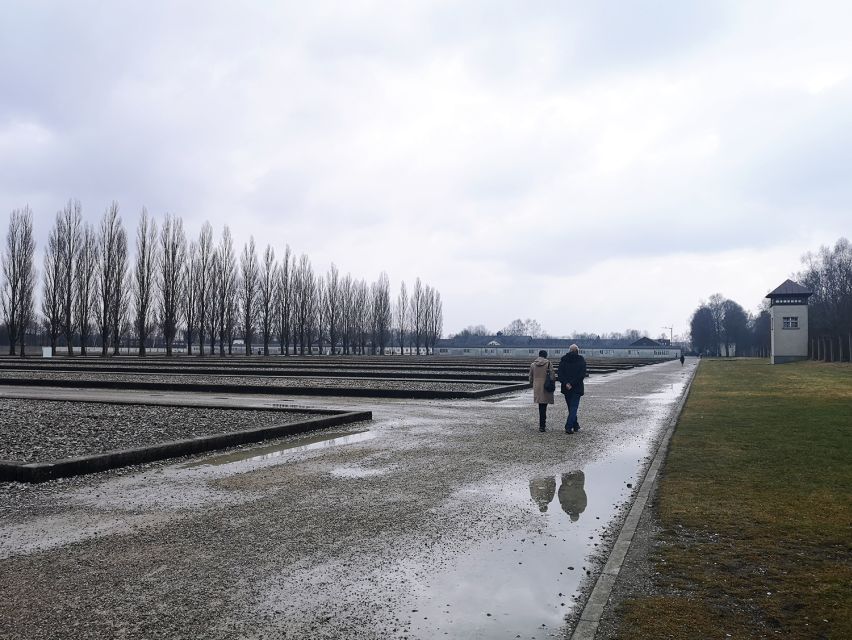
The roll-call area is one of the places where the scale and routine of the camp become easier to grasp. The name refers to the repeated process of assembling prisoners for counting, often under harsh conditions. Seeing the space while hearing how it was used connects the camp’s daily system to the physical ground beneath your feet.
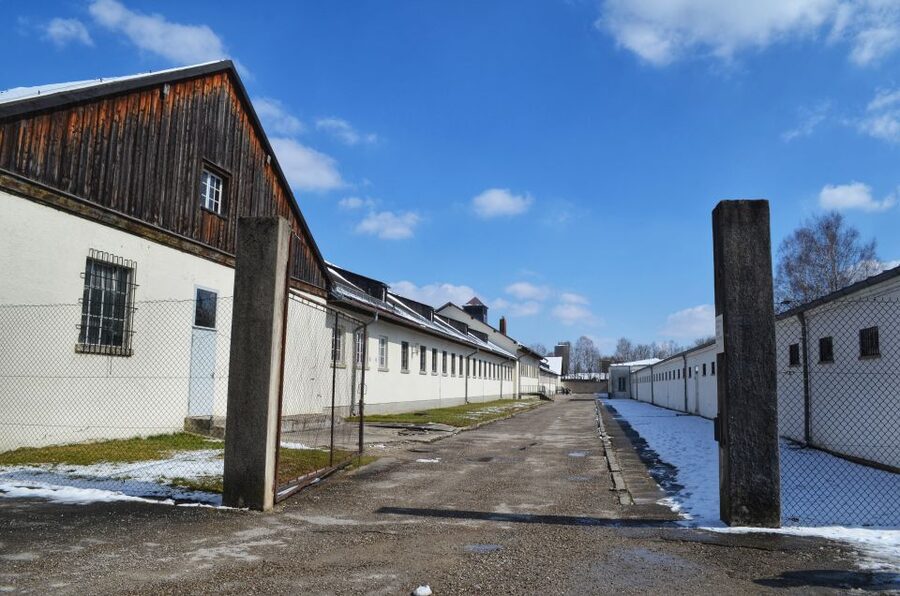
The bunkers and barracks show different sides of imprisonment. The bunker area is tied to detention and punishment, while the barracks point to the cramped and controlled living conditions imposed on prisoners. Some buildings are original, and others are reconstructions. Your guide explains the difference and places each area within the history of the camp.
This is where the guided format earns its keep. A solo visit might give you time to walk through the grounds, but an official guide can explain why each area matters and how it fits into the whole site. You are not left to guess at the meaning of a building or memorial.
Expect the pace to be thoughtful rather than fast. The five-hour duration allows time for explanations at several stops, but it also means you should not treat this as a quick half-day photo outing. Photography should never be the focus here, and the serious setting calls for quiet attention.
The Crematorium and the Weight of the Visit
The crematorium is among the most difficult areas on the tour. It is included as part of the visit, along with the rest of the former camp grounds. Your guide provides historical background and explains the role of the facilities in the camp system.
This section can be emotionally powerful, even for people who have visited other sites connected with Nazi persecution. The tour description rightly presents the visit as moving and sensitive. You should give yourself room to process what you see rather than expect to feel normal immediately afterward.
The subject makes this tour unsuitable for young children, and no one under 13 may participate. That restriction is clear and sensible. Older teenagers may be able to engage with the history, but families should think carefully about the child’s maturity and the emotional effect of the visit.
Food is not allowed, and large bags or luggage are not permitted. That is useful to know before you leave your hotel. Bring only what you need for the tour, along with comfortable shoes.
Same city, a completely different kind of day:
- Munich: Third Reich & WWII Walking Tour
★ 4.6 · 6,181 reviews - Third Reich Walking Tour Munich
★ 4.5 · 4,291 reviews - Munich Hop-On Hop-Off Tour: 1-Day or 2-Day Ticket
★ 4.3 · 4,161 reviews - Munich: Old Town & Viktualienmarkt City Walk in German
★ 4.7 · 2,304 reviews
International and Religious Memorials
The International Memorial is another important part of the visit. Its presence gives the grounds a shared, public place of remembrance and reflects the fact that prisoners came from many backgrounds.
You will also see other religious memorials within the former camp. These offer different forms of remembrance and reflection, and they prevent the visit from becoming only a sequence of historical displays. The site makes space for grief, faith, and remembrance alongside factual interpretation.
I appreciate this balance. The exhibition and buildings explain what happened, while the memorials ask you to consider how people and communities have chosen to remember it. Your guide can help connect these elements, but you should also expect quiet moments where there is no need for a long explanation.
A Spanish Tour With a Careful Pace
The strongest praise attached to this experience focuses on the guide’s manner. One Spanish-speaking participant described the explanation as very clear and patient, while another praised the guide’s kindness and attention to the whole group. Those details matter more here than theatrical delivery.
You want a guide who can explain difficult material without turning it into a performance. The tour is designed around historical background, facts, and stories of victims, with sensitivity toward the place and the people connected to it.
The language requirement helps keep the group focused. If you speak Spanish, you can listen to the full explanations as they are given. If you do not speak Spanish, do not book this tour expecting to follow along in another language. The experience is exclusively in Spanish, and non-Spanish speakers are not allowed to participate.
The minimum operating requirement is four participants. If fewer than four people book, the local partner will contact you and offer an alternative. That rule provides some flexibility, but you should still keep your plans adaptable, especially if this visit is tied to a tight onward schedule.
Is $40 Good Value?
At $40 per person, the price is reasonable for a five-hour guided visit from central Munich, but it is not an all-inclusive excursion. You pay separately for the train ticket, and there is no food, drink, hotel pickup, or drop-off.
The value comes from the official Spanish-speaking guide and the time spent at the memorial site. You could visit independently, but then you would need to arrange the train journey, work through the exhibition alone, and interpret the remaining structures and memorials without a guide leading you through them.
For a first visit, the guided explanation is the main reason to pay for this tour. The guide helps you understand the site as a connected historical place rather than a set of separate stops. If you already have strong knowledge of Dachau and prefer to explore at your own pace, an independent visit may offer more freedom.
The price also includes a useful practical advantage: you travel from Munich with the group instead of navigating the full trip alone. That is worth considering if you are concerned about finding the memorial site or want the day organized around a clear meeting point.
Who Should Book This Experience?
This tour is best for Spanish speakers who want structured historical interpretation and are prepared for a serious visit. It suits adults, older teenagers who can handle the subject, history-minded visitors, and anyone who wants more context than a self-guided walk can provide.
It is not a good fit if you want a light excursion, a flexible schedule, or a family outing with young children. It also does not suit visitors who do not speak Spanish, since there is no alternative language option.
The tour’s high 4.9 out of 5 rating from 300 ratings reflects the qualities that matter most here: clear explanations, a patient guide, and careful attention to the group. The most useful takeaway is not that the day is easy or cheerful. It is that the experience gives you a respectful way to confront a difficult place and understand what you are seeing.
Cancellation is free up to 24 hours before the start, and you can reserve now and pay later. Those options help if your Munich plans are still moving, though the four-person minimum means the operator may need to offer an alternative if the tour cannot run.
Should You Book the Dachau Tour in Spanish?
Book it if you speak Spanish and want a serious, guided visit with time for the exhibition, barracks, bunkers, crematorium, and memorials. The official guide, patient explanations, and train journey from central Munich make it a practical choice for a first visit.
Skip it if you do not speak Spanish, are traveling with a child under 13, or would rather explore independently. Most importantly, book only if you are ready for an emotionally difficult day. Dachau is not entertainment, but this tour offers a clear and respectful way to learn from the site.
FAQ
Is the Dachau tour conducted in Spanish?
Yes. The tour has a live Spanish-speaking guide and is exclusively for Spanish speakers. Non-Spanish speakers are not allowed to book.
How long does the tour last?
The activity lasts five hours, including travel from Munich to the Dachau Memorial Site and the guided visit.
Where do I meet the guide in Munich?
Meet under Karlstor Gate at Karlsplatz, 10 minutes before the activity begins. Look for the guide under the arch, not for a bus.
Is transportation included in the price?
The tour includes group travel by train from Munich, but the transport ticket is not included in the $40 price.
Can children join the tour?
Children under 13 are not allowed to participate in the guided tour.
What parts of the memorial site will I visit?
The tour includes the permanent exhibition, roll-call area, bunkers, barracks, crematorium, International Memorial, other religious memorials, and remaining original buildings and reconstructions.
What should I bring to the tour?
Bring comfortable shoes. Pets, food, luggage, and large bags are not allowed.
Just added in Munich
- Private transfer: Vilshofen to Munich with 2h sightseeing stop★ 5.0 · 6 reviews
- Pub crawl incl. Oktoberfest museum guided tour with beer tasting (private)★ 5.0 · 5 reviews
- South Tyrolean specialties and wine tasting★ 5.0 · 5 reviews
- Size Matters Beer Tour Munich★ 4.6 · 105 reviews
- Short & sweet: Tasting the Viktualienmarkt★ 4.8 · 37 reviews
- Secret Food Tours Munich★ 4.8 · 5 reviews
- Munich: Romantic Wine Experience for Two at Viktualienmarkt★ 4.2 · 14 reviews
- Munich: Resistance against Hitler – Historical Walking Tour★ 5.0 · 5 reviews
Concentration Camp Memorials, compared.
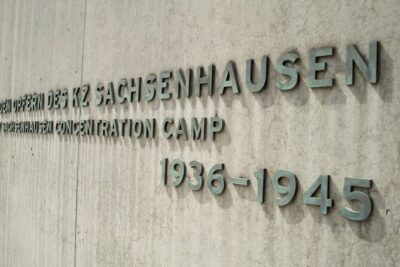
Sachsenhausen Concentration Camp Tour in English
Read our review →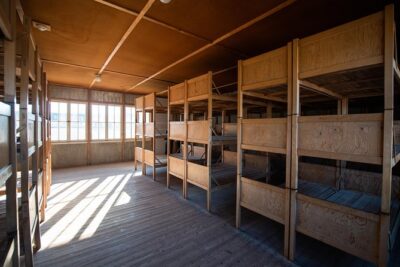
Dachau Concentration Camp Memorial Site Tour from Munich by Train
Read our review →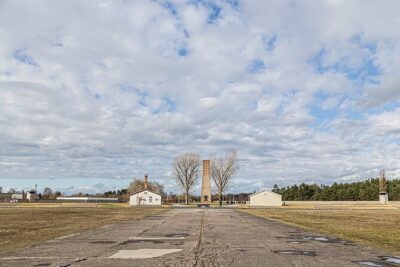
Sachsenhausen Concentration Camp Memorial Tour
Read our review →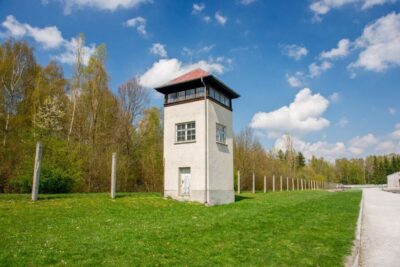
From Munich: Dachau Memorial Site Half-Day Trip
Read our review →
Sachsenhausen Concentration Camp Bus Tour in English from Berlin
Read our review →Sachsenhausen Concentration Camp Tour in English
Read our review →
Sachsenhausen Concentration Camp Memorial Tour (Max. 15 Guests)
Read our review →Browse the lists this tour appears in