
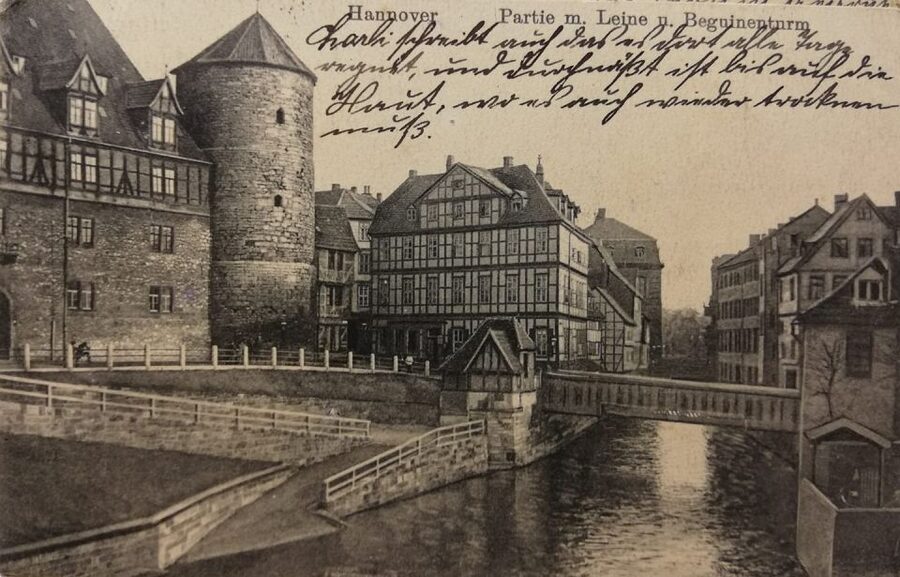
Reviewed · HANOVER TOURS
Fritz Haarmann – Die Mördertour
Fritz Haarmann’s story is not just a grisly crime tale. This two-hour walk shows how his murders, exposed in 1924, became a public scandal that reached far beyond Hannover. You follow the case from the main train station area into the Altstadt, then visit places tied to the crimes and their aftermath.
I like the tour’s place-based storytelling and its effort to explain the political and social conditions of the time, not just list violent acts. I also like the chance to ask questions, a detail that matters when the subject is this grim and complex. The main drawback is clear: the tour is conducted in German, so you need a strong command of the language to follow the full story.
Key points at a glance
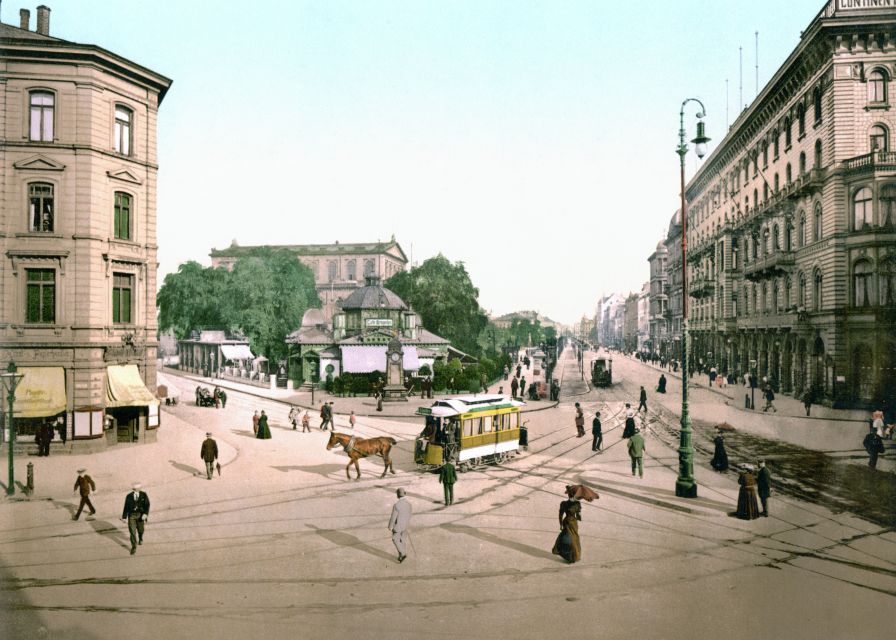
- Begins at the Ernst-August statue: Meet at Unterm Schwanz, beneath the horse’s tail, outside Hannover’s main station area.
- Walks into the Altstadt: The route connects the station with historic central Hannover.
- Visits the former murder house site: The location gives the case a firm physical setting.
- Explains the 1924 scandal: The story includes the discovery that at least 24 Hannover citizens had been killed.
- Adds social and political context: The case affected more than the criminal justice system.
- Runs for two hours in German: The tour is wheelchair accessible, with optional drinks available for €3.50 per person.
Why Fritz Haarmann’s case still shapes Hannover’s story
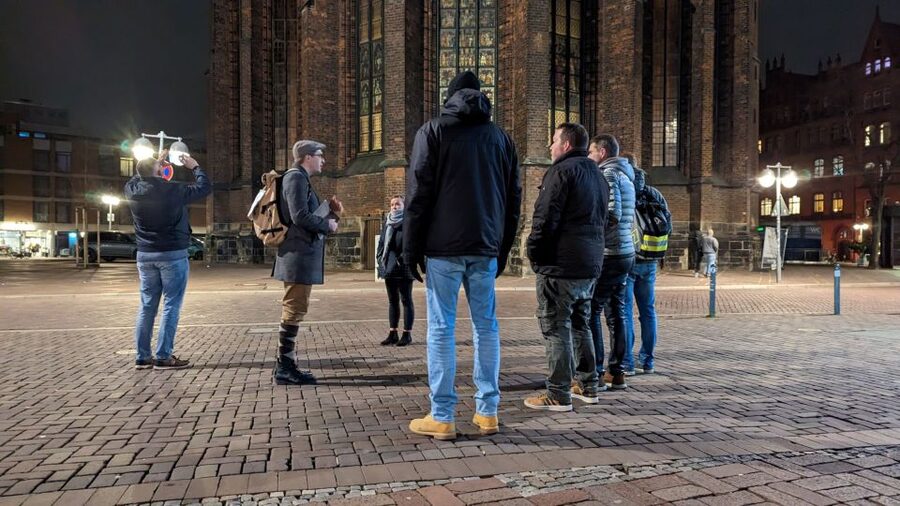
Fritz Haarmann is one of Germany’s best-known serial killers, and his case remains tied to Hannover’s public memory. The murders reached their grim climax in 1924, when authorities and the public learned that at least 24 citizens of Hannover had been killed.
That number gives the story its scale, but the tour aims to do more than count victims. It also examines the world in which Haarmann lived and operated, including the conditions that helped the case become heavily politicised. For you, that means the walk is not simply a sequence of frightening anecdotes. It places the crimes within the broader history of Germany at the beginning of the 20th century.
This distinction matters. A crime walk can easily become a parade of shocking details, with little effort to explain what the events meant for the city. Here, the historical setting is part of the subject. The guide connects Haarmann’s life and crimes with the political concerns of the period, giving you more to think about after the walk ends.
Haarmann received several grim nicknames, including the Butcher of Hannover. The labels help explain how the public came to view him, but they can also turn a real criminal case into a lurid legend. I appreciate that the tour’s stated focus includes the political and social background, since that helps keep the story grounded.
A few more half-days in Hanover worth comparing
- Soltau: Heide Park Resort Day Ticket
★ 4.6 · 1,160 reviews - Hannover: Guided Old Town Walking Tour
★ 4.5 · 338 reviews - Hannover: 24-Hour Hop-On Hop-Off Sightseeing Bus Ticket
★ 4.2 · 298 reviews
Starting beneath the horse’s tail
The meeting point is easy to identify if you know the local nickname. You meet at the Ernst-August statue, beneath the horse’s tail, a spot also called Unterm Schwanz. It is at Hannover’s main station area, and the group then walks together toward the Altstadt.
Arrive at least five minutes before the start. That small margin is useful because the group leaves the meeting point on foot, and you do not want to join late after the guide has begun the route.
Starting near the station gives the tour a practical shape. You do not have to make your own way to a remote starting point in the old city. Instead, the walk connects a modern transport hub with the historic center, setting up the move from present-day Hannover to the city of the 1920s.
The route is a city walk, not a seated lecture. You should be ready to walk through Hannover’s Altstadt while listening to the guide. Since the tour lasts two hours, comfortable shoes are a sensible choice, even though the supplied information does not give a precise distance or number of stops.
Walking into Hannover’s Altstadt
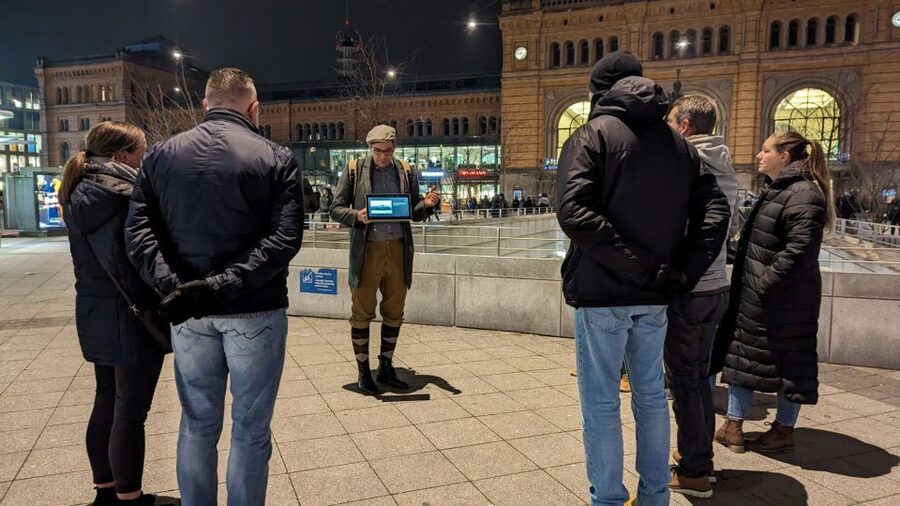
The Altstadt provides the setting for the main part of the story. Rather than discussing Haarmann in an abstract room, the guide takes you through central Hannover and links the case to actual places.
I find that approach useful for historical subjects. A location does not automatically explain the past, but it gives the guide a starting point for showing how a city’s streets, buildings, and public spaces fit into an event. You can better understand the scale of the case when the story is connected to the city where it happened.
The walk focuses on Haarmann’s life and crimes, while also explaining why the case had such a large public impact. The story drew international attention after the 1924 revelations, and the tour treats that attention as part of the historical record.
Expect a serious tone. The subject involves murder, victims, and the suffering of real people. This is not a playful mystery game or a theatrical ghost walk. If you prefer crime history presented with context and restraint, the subject may suit you. If you want light sightseeing, it may feel too heavy.
The former murder house site
One of the main stops is the place where the murder house used to be. The wording matters: you are visiting a site connected with the case, not necessarily entering an original building. The value comes from understanding where the central events took place and how that location fits into Hannover’s urban story.
At this stop, the guide can give the case a clear physical focus. You are no longer hearing only about a name and a date. You are standing at a place connected with the murders, while the guide explains what happened and how the case came to public attention.
The attraction of this stop is also its limitation. The murder house itself no longer provides a preserved interior or a museum display, so do not expect rooms filled with original objects. The experience depends on the guide’s spoken account and your willingness to picture the past through explanation.
That is why the guide’s delivery matters so much. The supplied feedback describes the presentation as informative, vivid, and easy to follow. One German-language assessment specifically praised the way the guide connected the case with the conditions of the period. That is the kind of explanation you should hope to hear at a site where the physical evidence is limited.
Same city, a completely different kind of day:
- Hanover: Crime Walking Tour
★ 4.5 · 243 reviews - Hanover: SEA LIFE Entry Ticket
★ 4.1 · 160 reviews - SEA LIFE Hannover Ticket
★ 4.0 · 96 reviews - Hanover: Royal Gardens of Herrenhausen Guided Tour
★ 4.6 · 78 reviews
The place linked to the victims’ bones
The walk also goes to the place where Haarmann buried the bones of his victims. This is likely to be the most difficult stop emotionally, because it brings the story closer to the fate of the people who were killed.
The guide’s job here is not only to repeat a shocking fact. The larger purpose is to show how the discovery and investigation exposed the scale of the crime. The case involved at least 24 citizens of Hannover, and the burial site helps explain why the story became such a powerful public event.
You should expect the material to be disturbing. The tour’s subject is inherently graphic, even if the supplied information does not specify how much visual detail the guide uses. If you are sensitive to true crime or murder stories, consider that carefully before booking.
At the same time, the stop may give the tour a needed human weight. The story is not only about Haarmann, his nicknames, or the drama of the investigation. It is also about the victims and the city’s reaction to what had happened.
A guide-led story with room for questions
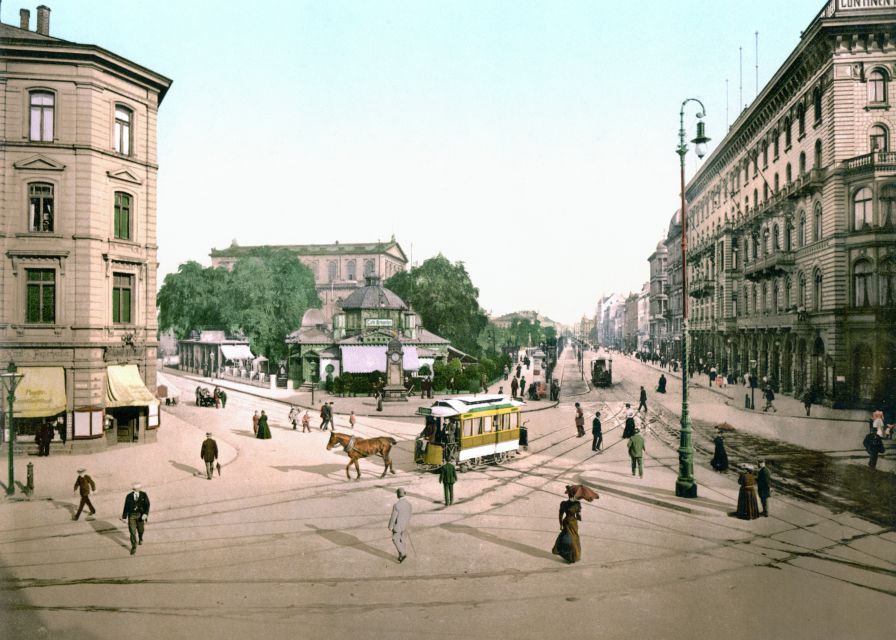
The experience includes a live guide in German. The provider is Hendrik Seiffert, but no individual guide names are supplied for a particular departure, so you should not expect to book a specific guide unless that is confirmed separately.
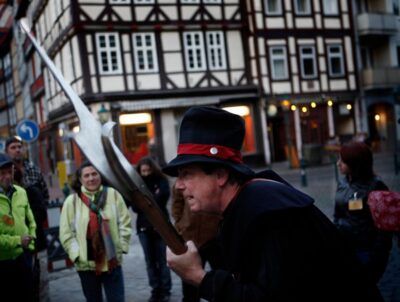
The strongest part of the tour, based on the available feedback, is the way the story is told. The descriptions repeatedly point to an informative and engaging presentation, with enough background to make the case understandable rather than merely sensational. One account also noted that an additional guide was present when a group became large and was split into two sections.
That detail is worth noting. Group size can change how well you hear a city guide, especially when you are standing outdoors or moving through public streets. If a departure is large, the use of an extra guide and separate groups can help keep the walk workable. It also means the precise feel of the tour may vary from one date to another.
Time for questions is another useful feature. A case this complex can raise questions about the investigation, the city, and the political setting. You are not limited to listening silently as the guide moves from one stop to the next.
The feedback also suggests that the tour can feel short in the best sense: focused, well paced, and easy to follow. One person said they could have listened for hours, but the scheduled experience remains two hours. That is long enough for substance without taking up an entire day in Hannover.
What the $35 price buys you
The price is $35 per person and covers the guided tour. To judge the value, I would compare it with what you are getting: two hours of live interpretation, a route through the Altstadt, several locations tied to the case, and historical context about a major German criminal scandal.
This is not a ticketed museum visit with rooms, displays, or an audio guide that you can explore at your own speed. You are paying for the guide’s research, structure, and ability to make locations meaningful. If the German narration works for you and you have an interest in crime history, the cost can be reasonable for a focused city walk.
The value is weaker if you understand little German. A translated summary cannot replace the full detail of a live talk, and the tour has no stated English-language option. In that case, you may be paying for an experience you cannot fully follow.
Beer or sparkling wine can be served for an additional €3.50 per person. That option is not part of the guided-tour price, and it may not suit the tone of every group. I would treat it as an optional extra rather than a reason to book.
Who should book this walk
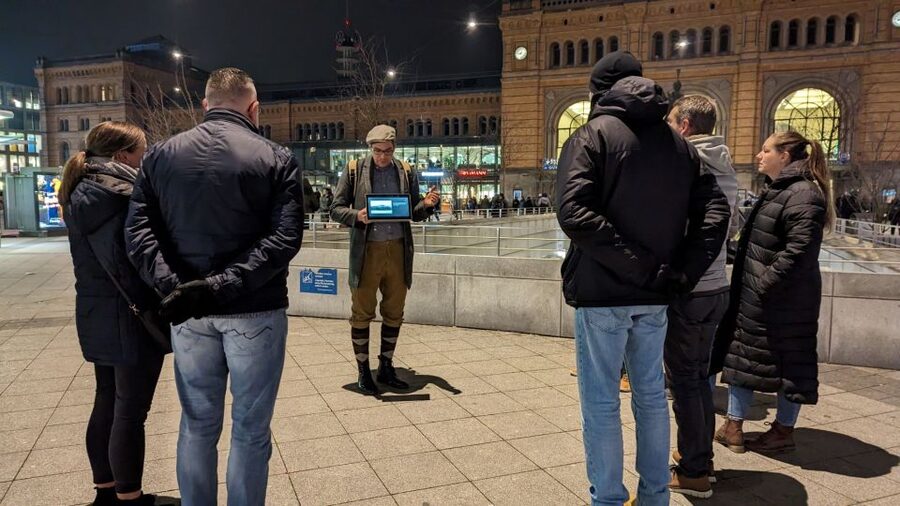
This tour is best for you if you have a serious interest in German history, true crime, or the way notorious cases affect a city’s public life. It also suits people who prefer a guide to connect several locations rather than visit one formal museum.
You will get the most from it if you can follow German comfortably. The guide’s explanations carry the detail, and the tour’s value depends on understanding the connections between Haarmann’s life, the murders, the victims, and the political response.
The walk can also suit repeat visitors to Hannover who want a subject beyond the usual central sights. Since it begins near the main station and continues into the Altstadt, it can fit neatly into a day spent exploring central Hannover.
I would think twice if you are looking for cheerful sightseeing, family entertainment, or a light evening activity. The topic is violent and upsetting, and the tour focuses on a serial killer rather than the city’s art, architecture, or food.
The experience is listed as wheelchair accessible. Since it takes place on city streets and the exact route details are not provided, you may still want to confirm the current path and any site-specific access needs before booking.
Booking, timing, and cancellation
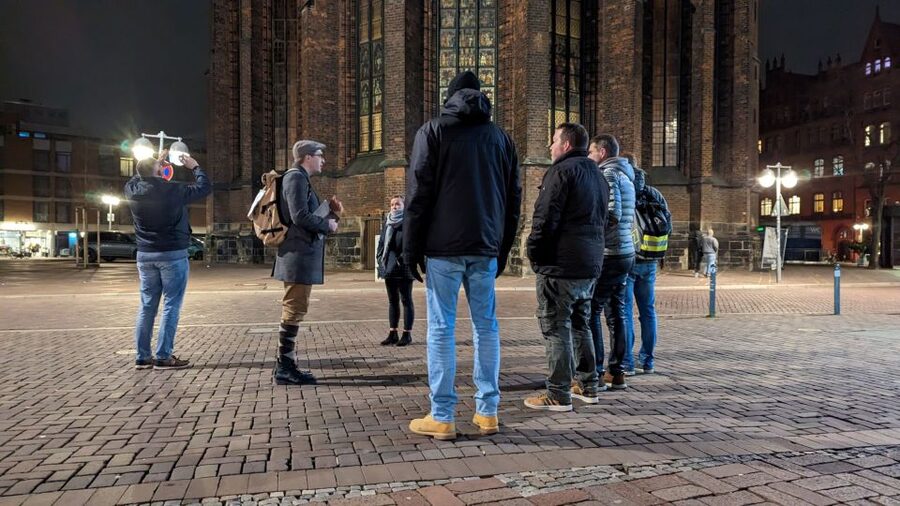
The tour lasts two hours, with starting times available according to the selected date. You should arrive at the Ernst-August statue five minutes early, using the horse’s tail as the meeting-point landmark.
You can cancel up to 24 hours before the start for a full refund. The reserve-now-and-pay-later option lets you hold a place without paying immediately, which is useful when your Hannover plans are still shifting.
The tour is offered in German, and the provider lists wheelchair accessibility. Those are the key practical points to check before you commit, especially if language access or mobility is important for your group.
Should you book Fritz Haarmann, Die Mördertour?
Book it if you want a carefully guided look at one of Hannover’s darkest historical cases and can follow German well. The best reasons are the route through the Altstadt, the former murder house site, the burial location, and the attention given to the political setting of the 1920s.
Skip it if you want a relaxed city tour or if murder stories are not for you. The experience is serious, and the €35 price makes the most sense when you value a live, detailed German-language guide rather than a standard sightseeing loop.
For the right audience, this is a focused way to understand how one criminal case became part of Hannover’s identity and Germany’s wider history.
FAQ
Where does the tour meet?
The meeting point is the Ernst-August statue near Hannover’s main station, at Unterm Schwanz, beneath the horse’s tail.
How early should I arrive?
You should be at the Ernst-August statue five minutes before the tour begins.
How long does the tour last?
The walking tour lasts two hours.
What language is the tour in?
The live tour guide speaks German.
What places connected to the case does the tour visit?
The route includes the place where the murder house used to be and the place where Haarmann buried the bones of his victims.
Is the tour wheelchair accessible?
Yes, the activity is listed as wheelchair accessible.
How much does the guided tour cost?
The listed price is $35 per person, and it includes the guided tour.
Can I cancel for a full refund?
Yes. You can cancel up to 24 hours before the tour for a full refund.
Just added in Hanover
- Hanover Center: Outdoor Escape Game★ 4.7 · 13 reviews
- Hanover: Old Town Historical Walking Tour by Geo Epoche★ 4.4 · 11 reviews
- Hanover: Crime Tour by Bike★ 4.8 · 25 reviews
- Hanover: Linden-Limmer Krimi-Rätsel-Tour★ 4.5 · 15 reviews
- Hannover: Private pub crawl with insider-guide & free shots★ 4.0 · 11 reviews
- Hannover: Culinary walking tour district List/Oststadt★ 4.6 · 28 reviews
- Hannover: Guided tour of the Berggarten★ 4.1 · 4 reviews
- Hanover: Guided Walking Tour of the Linden-Limmer District★ 5.0 · 6 reviews
Hanover Tours, compared.





Browse the lists this tour appears in