
Reviewed · LEIPZIG TOURS
Leipzig: Guided tour of the Federal Administrative Court
The most striking part of this Leipzig tour is the setting: you walk through the former Imperial Court building, a grand public monument now used by Germany’s Federal Administrative Court. The dome hall, formal meeting rooms, judges’ ancestral gallery, and presidential apartment give the legal story a physical shape.
I like the mix of architecture and civic history, and I like that the tour reaches rooms most people would otherwise never see. The main catch is that the live tour is in German, with some content presented in its original language, so you will get the most from it if you understand German.
Key points
- The former Imperial Court building: See a monumental Leipzig building that now houses the Federal Administrative Court.
- The dome hall and meeting rooms: Visit formal spaces tied to the work of the court.
- The president’s apartment: Enter the ballroom in a part of the building that feels more domestic and ceremonial.
- The judges’ ancestral gallery: Learn about the people connected with the court through a dedicated display.
- A 90-minute guided visit: Certified guides explain the court’s earlier role and its work today.
- Practical limits: The tour is German-language, and backpacks, bags, food, and drinks are not allowed.
Why this court tour is different from a standard Leipzig sightseeing stop
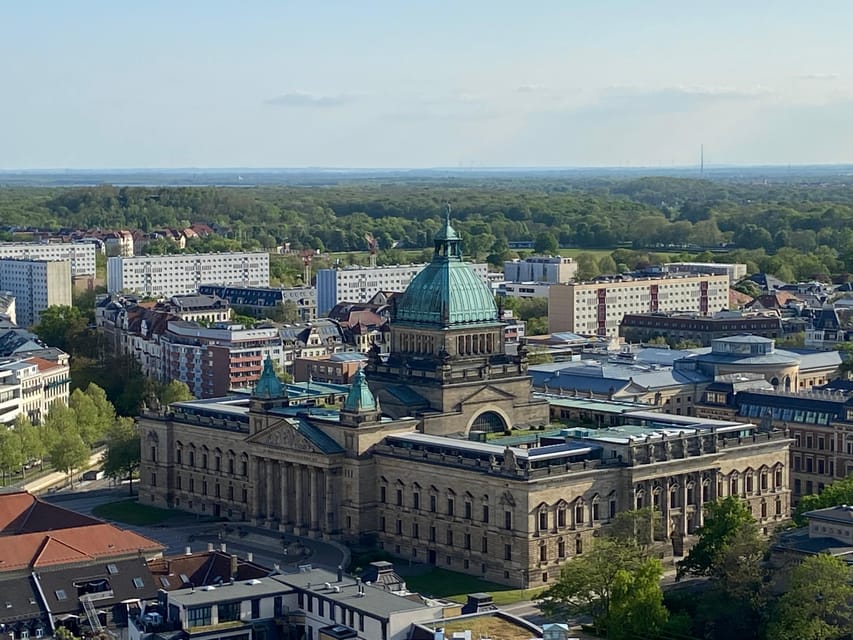
Leipzig has plenty of grand buildings, but this one asks you to look at architecture through the lens of government and law. The building was created as a monumental symbol of the third power in the state, and its decoration was meant to communicate authority. Today, the same setting serves a working federal court.
That contrast gives the visit its main appeal. You are not simply looking at a historic facade or walking through a museum. You are learning how an important legal institution functioned in the past and how it operates now, inside rooms designed to make government feel weighty and permanent.
I would choose this tour if you have already seen some of Leipzig’s central sights and want a more focused look at the city. It also suits you if architecture, political history, or the workings of courts hold your interest. If you want a fast overview of Leipzig, this is probably too specialized.
The tour lasts 1.5 hours, which is long enough to give the rooms proper attention without taking over your day. At $16 per person, the price is reasonable for a guided visit to an active court building, especially since the route includes several areas rather than only an exterior view.
A few more half-days in Leipzig worth comparing
- Leipzig: City History Canal Sightseeing Tour on a Motorboat
★ 4.7 · 6,232 reviews - Leipzig: 1.5-Hour Public Tour with Night Watchman Bremme
★ 4.6 · 3,116 reviews - Combo Tour in Leipzig: Guided City Tour & City Sightseeing
★ 4.7 · 2,317 reviews
Starting at Simsonplatz 1
You meet at the main entrance of the Federal Administrative Court at Simsonplatz 1, 04107 Leipzig. That point matters because this is not a general city walking tour with a loose meeting area. You need to go directly to the court’s main entrance.
The building itself begins the tour before the guide says a word. Its monumental design prepares you for a visit built around official spaces, decoration, and public authority. Bring enough time to find the entrance, but remember that backpacks and bags are not permitted.
The supplied information does not name individual guides, so you should not expect to choose a particular guide. The tour is led by certified guides from Leipzig Erleben GmbH, and the live language is German.
The dome hall sets the tone
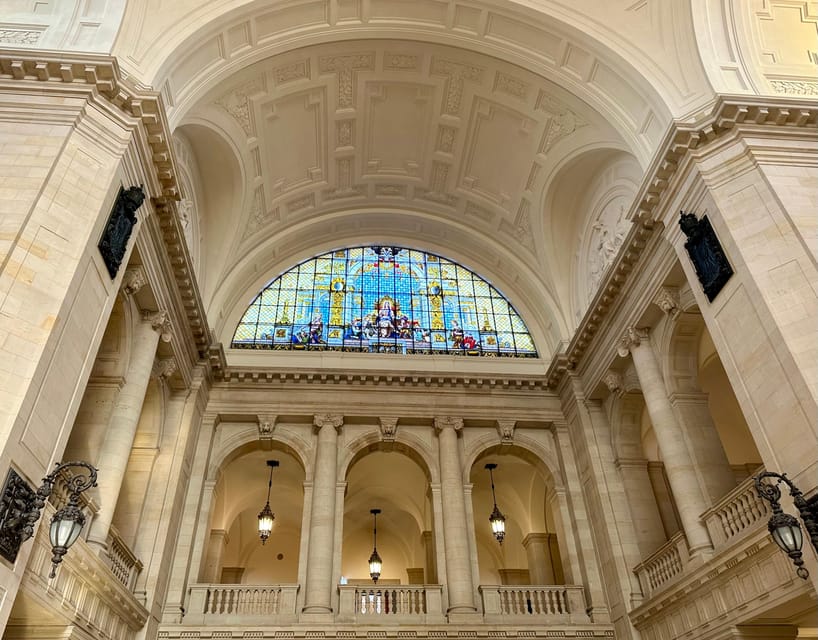
The dome hall is one of the main reasons to book this experience. You get to see the scale of the building from inside, along with the decorative details that helped give the court its formal character.
A space like this does more than provide a dramatic backdrop. It helps explain how public buildings once presented the legal system to citizens. High ceilings, grand decoration, and careful design can make the state feel permanent and powerful. The guide connects those visual choices with the former and current role of the court.
You should give yourself time to look upward and around rather than treating the hall as a quick passage. The tour is most rewarding when you pay attention to how the building’s design supports its purpose.
Photography rules are not provided in the activity information, so do not assume that every room allows photographs. Follow the guide’s instructions inside the court.
Historic meeting rooms and the work of law
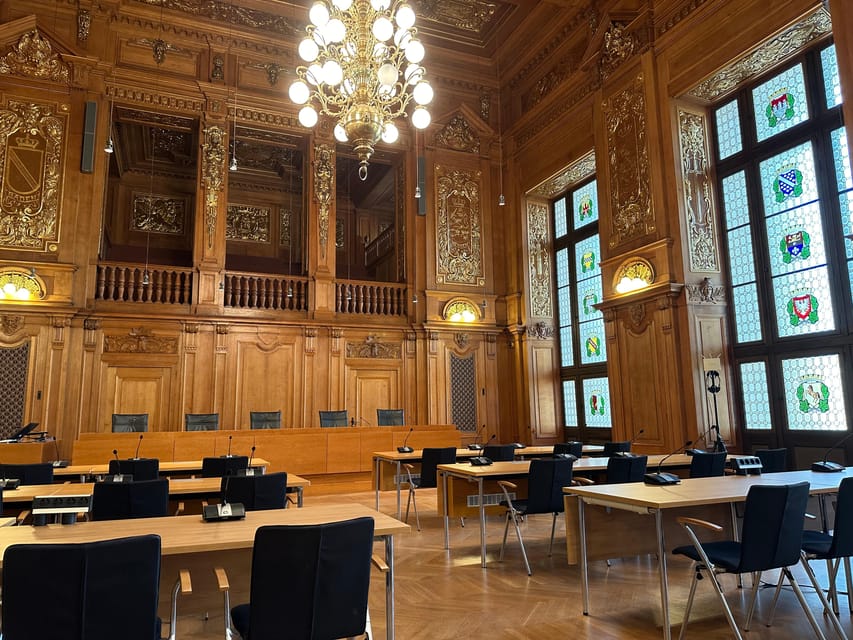
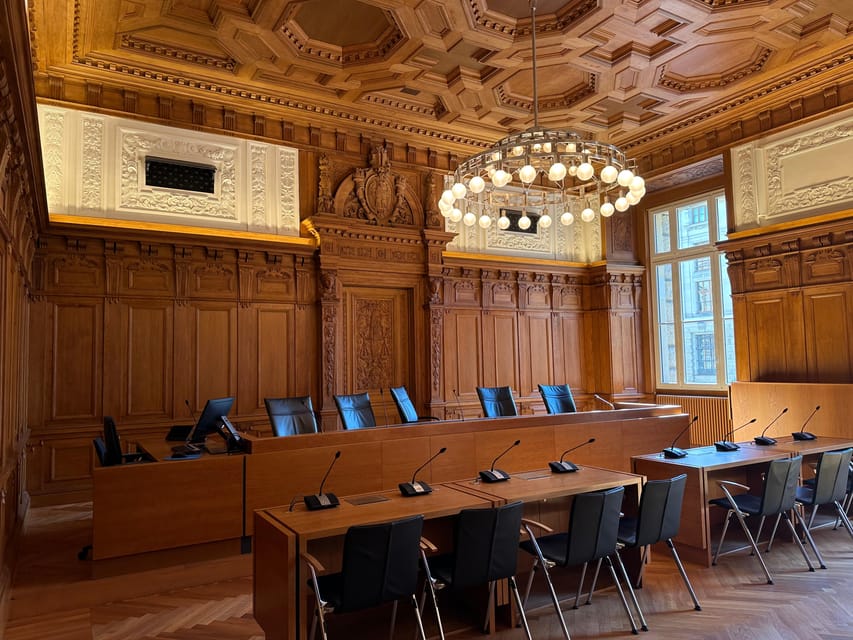
The historic meeting rooms provide a more direct connection to legal procedure. Here, the tour shifts from grand architecture to the practical rooms where important discussions and decisions took place.
The value of this stop depends on the guide’s explanation. You learn how the court used to work and how it works today, giving you a bridge between the building’s original purpose and its current role. That comparison makes the visit more useful than a simple tour of old interiors.
The activity does not promise access to every room in the building, and the court remains an important working institution. You should expect a controlled visit rather than the freedom to wander. That limitation is understandable, but it also means the guide’s route and timing shape the experience.
If legal terms are difficult for you in German, the historical and architectural parts may be easier to follow than the more technical explanations. You can still appreciate the rooms, but language ability will affect how much you take away from the court’s legal role.
Same city, a completely different kind of day:
- Leipzig: 1.5-Hour Historical Walking Tour in German
★ 4.7 · 2,217 reviews - Leipzig: 2-Hour Guided Walking Tour in German
★ 4.8 · 1,612 reviews - Leipzig: 13-Stop Hop-on/Hop-off Bus Ticket
★ 4.6 · 1,468 reviews - Gruseltour Leipzig: A Haunted Guided Tour
★ 4.5 · 1,385 reviews
The judges’ ancestral gallery
The ancestral gallery of judges adds a human element to the tour. Instead of discussing the court only as an institution, the guide presents the judges connected with its history.
This kind of display can help you place the court’s work in a longer sequence. Names and portraits give shape to an institution that might otherwise feel abstract. You can consider how the court changed over time, who served within it, and how past legal work connects with the present system.
The information provided does not specify the number of judges shown or give a full list of names. You should therefore treat the gallery as a guided presentation rather than a detailed independent exhibit.
For visitors who enjoy architecture more than law, this section keeps the visit from becoming only a discussion of court structure. For visitors with a strong interest in jurisprudence, it offers another way to think about the people behind the decisions.
The president’s apartment and its ballroom
The ballroom in the president’s apartment is one of the tour’s more unusual stops. It shifts the mood from formal legal business to the ceremonial and residential side of the building.
This is where the court’s architecture may feel most surprising. A presidential apartment suggests a different kind of use from a meeting room or courtroom, and the ballroom shows how the building accommodated formal social functions as well as official work.
The tour does not promise access to the entire apartment, so expect to see the ballroom rather than explore private quarters. Even so, this stop gives the building greater range. You are seeing more than a single-purpose office complex.
I especially like this part for visitors who want details beyond legal procedure. The room helps you understand how authority was expressed not only through decisions and meetings, but also through grand settings for official life.
From Imperial Court to Federal Administrative Court
The central lesson of the tour is the building’s changing role. It began as the Imperial Court building and now houses the Federal Administrative Court. The guide explains the role of the former court and the current court within the legal system.
That historical shift is important because the building did not lose its meaning when its institution changed. Its decoration and scale still communicate the importance of law and government, while its present use gives the historic structure a current purpose.
You will hear about historical negotiations as well as the way the court operates today. The activity description does not give a detailed legal syllabus, so expect a broad guided explanation rather than a specialist seminar.
This makes the tour a good fit for a curious visitor who wants context without committing to a full academic program. It also gives you something to watch for during the visit: notice how old rooms are explained in relation to present-day public service.
A quiet, exclusive feeling at the right time
One useful detail comes from a Sunday tour held outside normal business hours. With the building empty, the visit felt more exclusive and the architecture appeared even more imposing.
That does not guarantee the same atmosphere on every departure. Still, a weekend or off-hours visit may appeal to you if you prefer a quieter setting. The activity information does not list exact departure times, so you need to check availability before booking.
A quiet building can make the tour feel more focused. You may have an easier time listening to the guide and taking in the decorative details without the usual movement of a busy public building.
On the other hand, the court’s working character is part of its interest. A quieter visit may feel more atmospheric, while a busier period could better remind you that this remains a functioning institution.
What the $16 price gives you
At $16, this is a modestly priced specialist tour. You are paying for 90 minutes with a certified guide, access to the dome hall and historic meeting rooms, the judges’ ancestral gallery, and the ballroom in the president’s apartment.
The value is strongest if you would not be satisfied with viewing the building from outside. The guide supplies the connection between rooms, history, and the legal system. Without that explanation, the building might remain impressive but hard to interpret.
The price is less compelling if your German is limited and you mainly want visual access. Some content is shown in its original language, and the live tour is German. You can still enjoy the architecture, but the educational value will depend on your ability to follow the guide.
A free cancellation policy up to 24 hours before the tour reduces the risk of booking ahead. You can also reserve now and pay later, which helps if you are arranging several Leipzig activities and want to keep your plans flexible.
Access, language, and what to leave behind
The tour is wheelchair accessible, an important point for visitors who need step-free access. The available information does not provide detailed measurements or explain every part of the route, so contact the provider if you need specific access information.
The tour language is German. Some content is presented in its original language, so you should not count on an English-language presentation. If you do not speak German, check your comfort level before booking rather than assuming the architecture alone will carry the visit.
Several items are not allowed inside:
- Backpacks
- Bags
- Food and drinks
- Pets, except assistance dogs
- Bachelor and bachelorette party groups
The restriction on bags is especially practical. Plan what you carry before arriving, since the information does not specify storage arrangements. Assistance dogs are allowed, but ordinary pets are not.
These rules fit the setting. You are entering a court building rather than a casual attraction, and the controlled environment is part of what makes the tour feel different from a normal city walk.
Who should book this Leipzig experience
I would recommend this tour to you if you enjoy buildings with a clear public purpose. It gives you architecture, legal history, institutional context, and access to rooms that are not part of a normal Leipzig stroll.
It is also a good choice for repeat visitors. If you have already covered the city’s most familiar sights, a guided look at the Federal Administrative Court can add a less obvious side of Leipzig.
Students and visitors interested in law may find the court’s former and current roles especially useful. Architecture fans should pay close attention to the dome hall, decorations, meeting rooms, and ballroom. The tour also suits curious visitors who like seeing how historic buildings continue to be used.
I would think twice if you need an English tour, dislike formal institutional settings, or want a flexible visit with lots of time for independent photography. The German-only format and restrictions on bags and food make this more structured than a typical attraction.
My booking advice
Book this tour if you want to go inside Leipzig’s former Imperial Court building and understand why its design matters. The $16 price is fair for a guided 90-minute visit that includes several significant interior spaces, not just a look at the exterior.
Choose an off-hours departure if available and if you like quieter visits. The Sunday experience described in the tour information suggests that an empty building can make the architecture feel particularly grand.
Skip it if you cannot follow German and your main goal is a fully explained historical tour in English. For everyone else, this is a focused, affordable way to see Leipzig’s legal past and present in the same imposing setting.
FAQ
Where does the tour meet?
The meeting point is the main entrance of the Federal Administrative Court at Simsonplatz 1, 04107 Leipzig.
How long does the guided tour last?
The tour lasts 1.5 hours, or 90 minutes.
How much does the tour cost?
The listed price is $16 per person.
What language is the tour in?
The live tour guide speaks German. Some content is shown in its original language.
Is the tour wheelchair accessible?
Yes, the activity is listed as wheelchair accessible.
What rooms are included in the visit?
The tour includes the dome hall, historic meeting rooms, the ancestral gallery of judges, and the ballroom in the president’s apartment.
Can I cancel the booking?
Yes. You can cancel up to 24 hours in advance for a full refund.
Can I bring a bag, backpack, food, or drink?
No. Backpacks, bags, food, and drinks are not allowed. Pets are also not allowed, although assistance dogs are permitted.
Just added in Leipzig
- City tour on foot, by S-Bahn and tram★ 4.5 · 12 reviews
- Schkeuditz: 4-Hour Vintage East German Trabant Rental★ 4.9 · 15 reviews
- Leipzig City Centre: Scavenger Hunt Self-Guided Tour★ 4.4 · 114 reviews
- Tour on Lake Cospuden★ 4.7 · 58 reviews
- Leipzig: True or false? Walking Tour and Interactive Game★ 4.8 · 28 reviews
- Leipzig: “SoKO Leipzig”, unique Escape Room, 60 minutes★ 4.6 · 20 reviews
- Leipzig Spirits Manufacture: Guided Tour and Tasting★ 4.8 · 79 reviews
- Leipzig: Scavenger Hunt Self-Guided Tour★ 4.7 · 11 reviews
Leipzig Tours, compared.
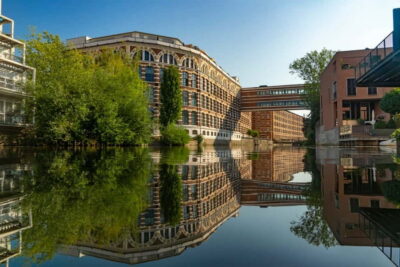
City History Canal Sightseeing Tour on a Motorboat
Read our review →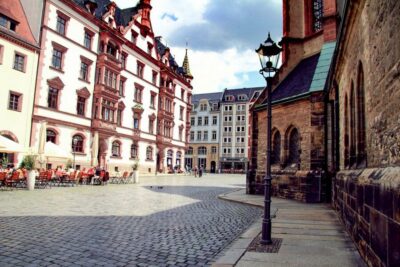





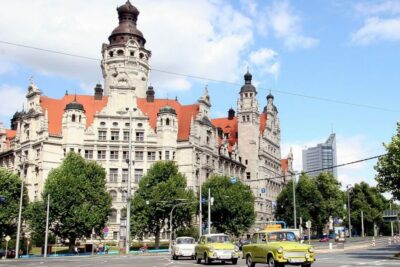
Browse the lists this tour appears in