
Reviewed · HAMBURG TOURS
Hamburg: Private Tour Down Town around City Hall
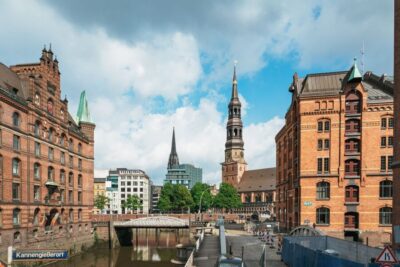
Hamburg’s past is unusually easy to read in its streets. On this private tour, you move from the old harbor and medieval bridges to Chilehaus, shopping streets, war-era bunkers, and the grand Rathaus. I especially like the stop at the old pneumatic post, put into service in 1864, and the story of Hamburg’s underground bunker network, with more than 700 bunkers.
I also like the way the tour links big events to ordinary city details, including the Great Fire of 1842 and the rebuilding that changed Hamburg from a maze of narrow lanes into a modern commercial center. The main caution is pace: two hours covers a lot, so you get a strong overview rather than long visits inside every church or landmark.
Key points
- Hamburg’s Great Fire explained on the ground: Learn how the four-day fire of 1842 changed the shape of the old town.
- Chilehaus and the Kontorhausviertel: See one of Hamburg’s most striking office buildings and understand the city’s trading past.
- A private group of up to 15: Your party gets a guide focused on your group rather than a large public crowd.
- Odd details beyond the usual sights: Hear about the 1864 pneumatic post and Hamburg’s extensive underground bunker system.
- A central route with major landmarks: The tour connects Mönckebergstraße, churches, Trostbrücke, the Chamber of Commerce, and the Rathaus.
A two-hour route through Hamburg’s changing city center
This tour works best as a compact introduction to central Hamburg. It brings together medieval traces, nineteenth-century rebuilding, twentieth-century commerce, and wartime history without asking you to cross the whole city.
You begin at one of the designated StadtRAD starting points, with the exact meeting place depending on the option booked. The route then heads through Hamburg’s central streets toward the Rathaus, with drop-off at the Rathaus area. Since the stops are close enough to form one central sightseeing route, comfortable shoes and weather protection will make the experience easier.
The private format matters. Up to 15 people can join your group, and the guide can speak English, Spanish, French, or German. A private tour is particularly useful if your group has a shared interest in architecture, trade, local history, or the Second World War. At the full group size, the $294 price works out to about $19.60 per person. For two people, it is a much larger spend, so the value depends on how much you want a personal guide rather than a lower-cost group walk.
A few more half-days in Hamburg worth comparing
- Hamburg: Sex and Crime in St. Pauli Tour for Ages 18+
★ 4.7 · 15,447 reviews - Hamburg: 1.5-Hour Harbor and Speicherstadt Day Cruise
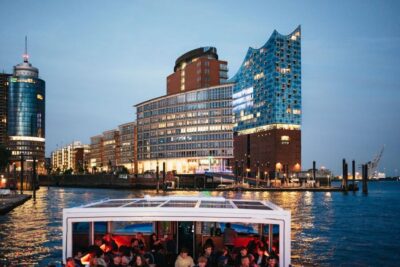
★ 4.6 · 14,200 reviews - Hamburg: 90-Minute Evening Lights Harbor Cruise
★ 4.5 · 7,728 reviews
Mönckebergstraße and the modern commercial city
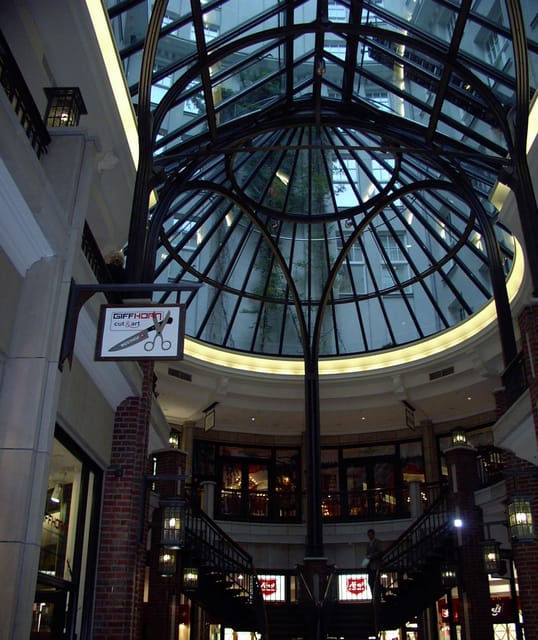
Mönckebergstraße is a good opening point because it shows Hamburg as a working commercial city, not only as an old port. Locals shorten the name to Mö, and the street is one of the city center’s best-known shopping promenades.
Your guide uses this area to explain how Hamburg changed after the Great Fire of 1842. The fire burned for four days and destroyed large sections of the old town. The rebuilding brought wider streets, new commercial buildings, and a different urban style, replacing much of the earlier pattern of half-timbered houses and narrow passageways.
The scheduled introduction here is brief, about 10 minutes. That is enough to establish the theme, but not enough for a detailed shopping stop. Think of Mönckebergstraße as a visual starting point and orientation point, not a dedicated retail tour.
St. James’ Church and the old town churches
St. James’ Church, or St. Jacobi, adds a religious and medieval layer to the route. The visit lasts about 10 minutes, so you should expect an explained stop rather than a long interior visit.
The value here is the setting. Hamburg’s central churches help you see how the city developed around trade, civic power, and religion. They also give the tour a change of rhythm after the broad commercial feel of Mönckebergstraße.
St. Peter’s Church appears later, with another short guided stop. Together, the two churches help fill in the old town’s structure. If church interiors are your main interest, you may want extra time before or after the tour, since the two-hour schedule is built around many separate landmarks.
Kontorhausviertel and the sharp prow of Chilehaus
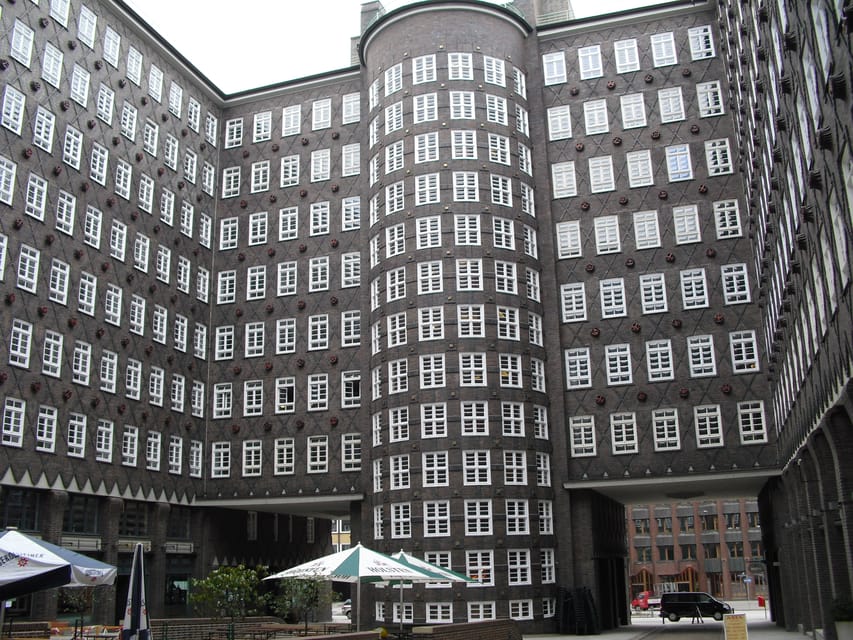
The Kontorhausviertel is one of the tour’s strongest sections. This district grew from Hamburg’s commercial importance, with office buildings designed for trading companies and firms connected to the port.
The highlight is Chilehaus, a building famous for its pointed shape. Its prow-like corner gives it an almost ship-like appearance, a fitting image in a city shaped by maritime trade. The guided stop lasts about 10 minutes, enough to admire the exterior and hear why the building matters.
I like this part because it moves beyond the standard old-town story. Hamburg is not only red-brick churches and historic bridges. It is also a city of business, shipping, warehouses, offices, and bold architecture. The nearby Sprinkenhof and Reichenstraßen area add to that sense of a commercial quarter built on a large scale.
This is also one of the best places for photographs. The angles around Chilehaus are distinctive, and the building’s strong lines give you something more memorable than a typical square or street view. The schedule does not promise an interior visit, so plan on seeing the architecture from outside.
Same city, a completely different kind of day:
- Hamburg: 2-Hour XXL Port of Hamburg Cruise Tour
★ 4.7 · 6,979 reviews - Hamburg: Line A Sightseeing Hop-On Hop-Off Bus Tour
★ 4.6 · 6,958 reviews - Hamburg: Elbphilharmonie Plaza Guided Tour
★ 4.7 · 5,882 reviews - Hamburg: Hamburg Dungeon Admission Ticket
★ 4.7 · 5,745 reviews
Africa House and the city’s global connections
The Africa House is included along the route, adding an international note to Hamburg’s trading story. The stop helps show that the city’s commercial world was connected to places far beyond northern Germany.
The tour description gives the Africa House a short appearance rather than a separate extended visit. You will likely get context from the guide and a chance to look closely at the building as part of the surrounding streets. This is useful for understanding Hamburg’s overseas links, though it is not presented as a museum visit.
For me, this kind of stop is valuable because it keeps the tour from becoming a simple list of famous buildings. Hamburg’s wealth and identity grew through international trade, and the Africa House helps connect the city center to that wider story.
St. Nicholas’ Church and the Great Fire of 1842
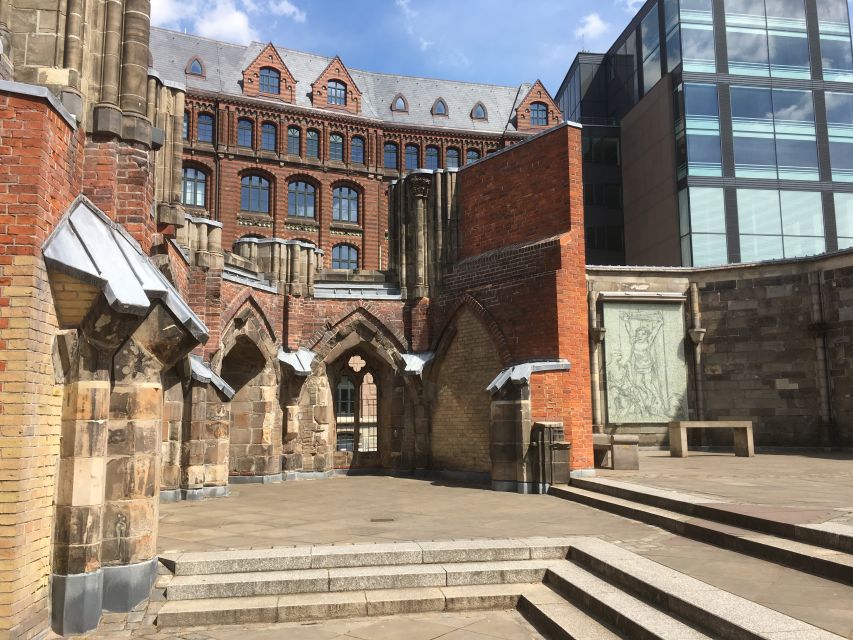
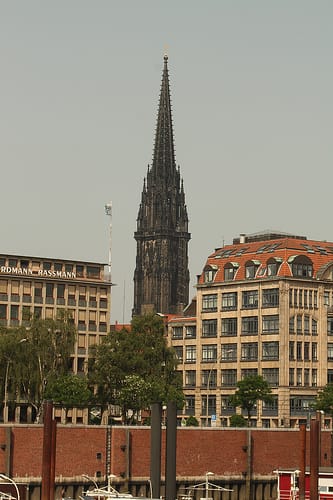
St. Nicholas’ Church is one of the most important historical stops. Its damaged tower and remains recall both the city’s wartime destruction and the older disasters that shaped Hamburg.
The Great Fire of 1842 is a central part of the tour’s story. It destroyed much of the old town and forced Hamburg to rethink its streets, buildings, and commercial center. As you move through the area, the guide explains why the city changed so quickly from tight lanes and half-timbered structures to a more modern business city.
This is where the tour’s historical method works well. Instead of treating the fire as a date to memorize, you see how it affected the city’s physical form. The streets around you become evidence of decisions made after catastrophe.
The church stop is listed at about 15 minutes, longer than several other locations. Even so, the full experience remains an overview. If you want a detailed account of Hamburg during the Second World War or a long visit to the church site, you should set aside additional time elsewhere.
Trostbrücke and Hamburg’s older memory
Trostbrücke is a small but meaningful stop. Bridges often tell you where a city once needed to connect neighborhoods, waterways, and trading routes, and this one offers a more intimate view of old Hamburg than the grand Rathaus.
The stop is scheduled for around 10 minutes. That may sound brief, but it gives your guide room to explain the bridge and its place in the old town before the route moves on. I like this pause because it slows the tour down after the larger commercial buildings and churches.
It is also a good example of what a local guide adds. Without explanation, a bridge can look like a simple crossing. With context, it becomes part of the city’s memory and a reminder that Hamburg developed around water, trade, and movement.
The Rathaus and the center of civic power
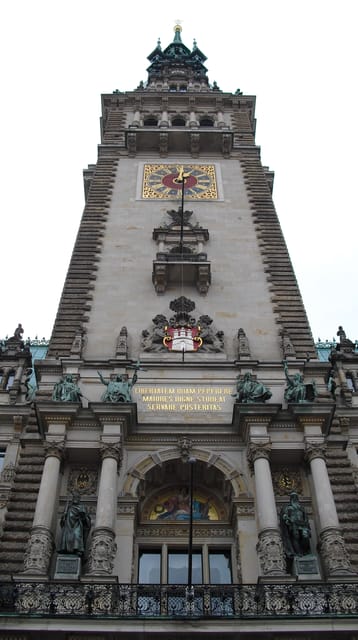
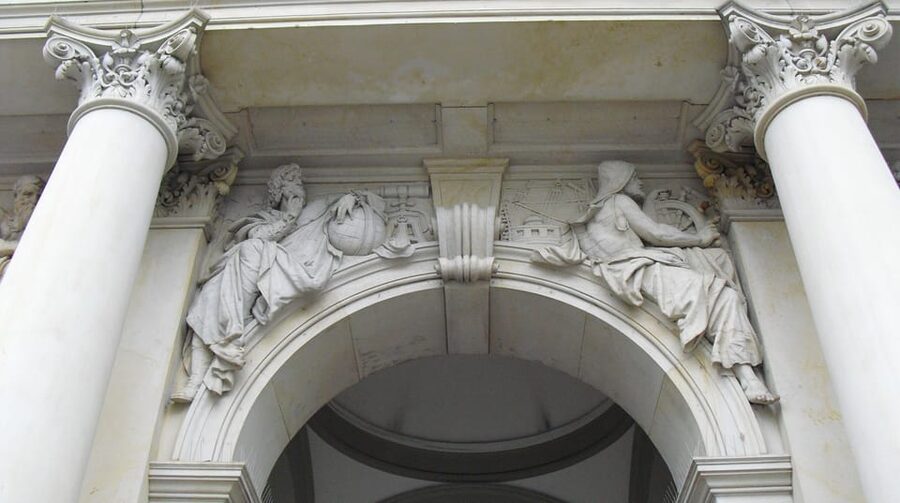
Hamburg’s Rathaus is the natural finish. The building gives the tour a grand civic endpoint after the narrower streets and commercial quarters.
The guided stop lasts about 15 minutes, so you should expect an explanation of the building and its role in Hamburg rather than a full, leisurely interior tour. The Rathaus area is also the stated end zone, which makes it convenient if you want to continue sightseeing from the center afterward.
This final stop ties the route together. The city’s merchants, churches, trading offices, bridges, and streets all lead back to civic power and public identity. The Rathaus also makes a strong last photograph, especially after you have seen how different Hamburg looked before the Great Fire and how much rebuilding followed.
The unusual details: pneumatic post and underground bunkers
Many city tours focus only on major buildings. This one adds two less obvious subjects that make the route more memorable.
Hamburg’s first pneumatic post went into operation on October 24, 1864. The system carried messages through tubes, an early answer to the problem of moving information quickly through a busy commercial city. It is a small detail, but it explains how trade and administration worked before modern communication.
The underground bunker system offers a darker chapter. Hamburg has more than 700 bunkers, making the city’s wartime infrastructure unusually extensive. The tour does not promise entry into a bunker, so you should expect historical explanation rather than an underground visit. Still, learning about what lies beneath the streets changes the way you see the city above them.
These details are part of the tour’s strength. They give you facts you are less likely to pick up from a quick walk between famous sights.
Guides, language, and the tone of the experience
The tour is led by a professional guide, with English, German, French, and Spanish available. Guides named in past bookings include Birgit, Jörn Löding, and Frau Stange. You cannot assume a particular guide will be assigned, but the feedback connected with these guides highlights humor, strong preparation, clear historical explanation, and an easy connection between Hamburg’s past and present.
That tone matters in a two-hour tour. A dry list of dates would make the route feel crowded. The best version of this experience uses the streets and buildings as prompts for stories, and the available feedback points to guides who make the history feel tangible and keep the group engaged.
The private setup also gives you a better chance to ask questions than you would on a large public walk. At the same time, the maximum group size is 15, not just one or two people, so the experience can still feel like a small group tour if you book at capacity.
Who gets the best value from the $294 price
The price is easiest to justify for a family, group of friends, or private party that can divide the cost. At 15 people, the per-person figure is modest for a two-hour guided introduction in central Hamburg. At two or three people, the same price becomes a premium purchase.
I would choose this tour if you want a focused history lesson, have limited time in Hamburg, or prefer a private guide who can connect many sights in one route. It also suits first-time visitors who want to understand why the center looks the way it does.
I would think twice if you want long museum visits, extensive church interiors, or a slow architecture walk. The route has many stops, and each one receives only a short explanation. Its strength is connection and context, not depth at a single site.
Free cancellation is available up to 24 hours before the tour, and you can reserve now and pay later. Starting times depend on availability, with alternative times available by request. The meeting point also varies by the option you book, so check that detail carefully before setting out.
My call: book it for context, not for long visits
I recommend this tour if you want Hamburg to make sense quickly. The combination of Mönckebergstraße, Chilehaus, St. Nicholas’ Church, Trostbrücke, the Rathaus, the pneumatic post, and the bunker story gives you a clear picture of a city rebuilt, traded through, and shaped by major crises.
Book it for the guide’s storytelling and the private format, especially if you are sharing the cost with a larger group. Skip it if you prefer to spend two hours inside one museum or landmark. For a compact first look at Hamburg’s old town and commercial center, it offers a useful route with plenty of good photo stops and several details you may otherwise miss.
FAQ
How long does the Hamburg private tour last?
The tour lasts two hours.
What is the price of the tour?
The price is $294 per private group of up to 15 people.
What languages are available?
The live guide can conduct the tour in English, Spanish, French, or German.
Is this a private group tour?
Yes. The activity is offered as a private group tour, with up to 15 people per group.
Where does the tour start?
There are two listed starting options at StadtRAD. The exact meeting point may vary depending on the option you book.
Where does the tour finish?
The listed drop-off location is the Hamburg Rathaus area, with two Rathaus options shown.
Which Hamburg sights are included?
The route includes Mönckebergstraße, St. James’ Church, the Kontorhausviertel, Chilehaus, Reichenstraßen, Africa House, St. Nicholas’ Church, Trostbrücke, the Chamber of Commerce, and Hamburg Rathaus. St. Peter’s Church is also included as a guided stop.
Does the tour include information about Hamburg’s bunker system?
Yes. The guide discusses Hamburg’s underground bunker system, which contains more than 700 bunkers. The activity information does not promise entry into a bunker.
Can I cancel the booking?
You can cancel up to 24 hours in advance for a full refund. You can also reserve now and pay later, and alternative tour times can be requested.
Just added in Hamburg
- Hamburg: St. Pauli Food and Bier Tour★ 4.7 · 5 reviews
- Hamburg: Private Tour Red Light District Walking Tour★ 4.7 · 227 reviews
- St. Pauli Tour: Drag-Attack with Barbie Stupid & Lee Jackson★ 4.8 · 280 reviews
- St. Michael’s, Elbe Tunnel & Harbor 2-Hour Hamburg Tour★ 4.9 · 21 reviews
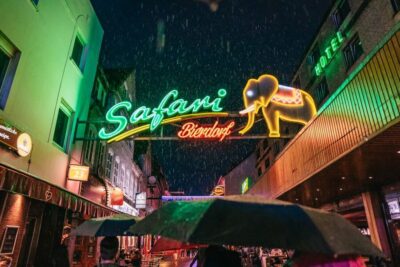
- Hamburg: Safari tour in St. Pauli★ 4.9 · 11 reviews
- Satt Pauli – der kulinarische Rundgang durch St. Pauli★ 4.8 · 12 reviews
- Radtour um die Alster & durch traumhafte Alsterviertel★ 4.9 · 34 reviews
- Hamburg: Reeperbahn Comedy Club★ 4.3 · 53 reviews
Hamburg Tours, compared.


Browse the lists this tour appears in