
Reviewed · CATHEDRALS AND CHURCHES
Ulm: City Center Walking Tour with Minster Visit
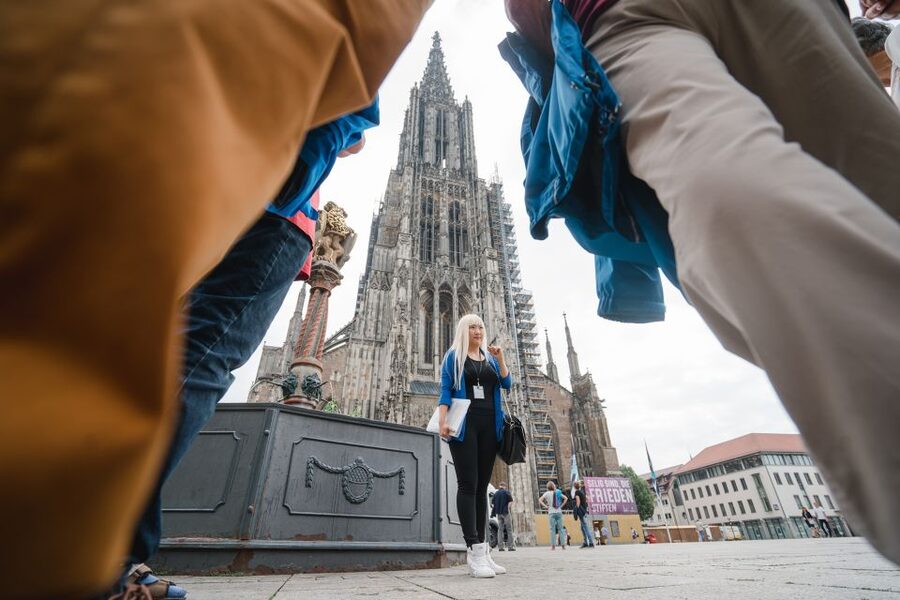
Ulm’s best story is told through its contrasts: half-timbered lanes and river bridges on one side, bold new buildings on the other. This 90-minute walk ties those pieces together, ending at the Ulm Minster, home to Germany’s tallest church tower.
I like the clear route through the Fishermen’s and Tanners’ Quarter, and I like the guide’s use of local anecdotes and humor. The $11 price is also easy to justify for a first look at central Ulm, especially if you want context before exploring alone.
The main consideration is the Minster visit. It is possible only when no event is taking place, and from January 7, 2026, until Easter 2026, construction means the tour can view the cathedral only from outside.
Key points to know before you book
- Germany’s tallest church tower: See Ulm Minster and learn how its construction developed over time.
- Medieval lanes by the water: Walk through the Fishermen’s and Tanners’ Quarter, with narrow streets, bridges, and jetties.
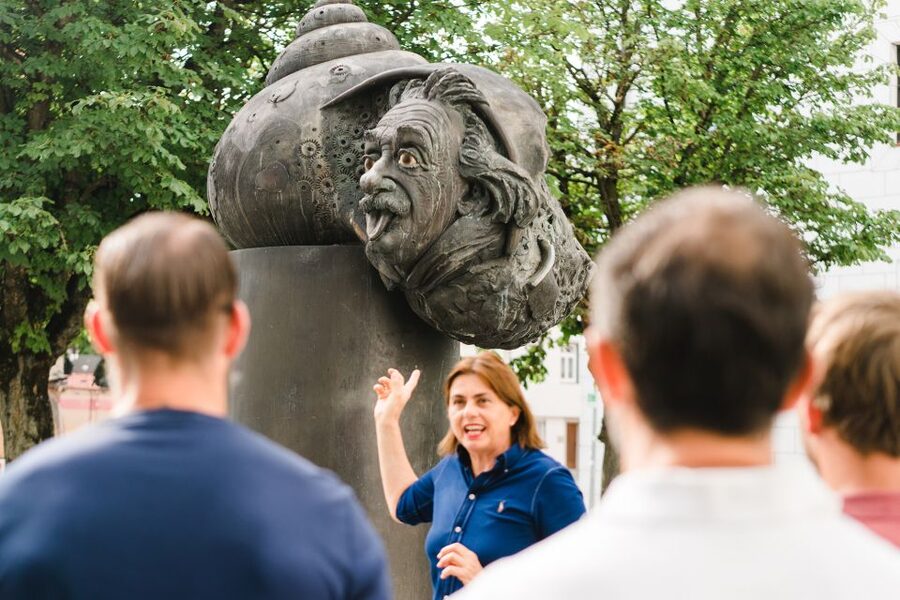
- A sharp old and new contrast: Compare Ulm’s historic center with recently built modern architecture.
- A detailed town hall stop: See the ornate facade and its astronomical clock.
- Short, useful introduction: The 1.5-hour route works well at the start of a city visit.
- English or German guiding: Meet at Tourist Information Ulm, arriving 15 minutes early.
Why Ulm works so well as a walking tour
Ulm is compact enough to understand on foot, but its character can be easy to miss if you simply wander from the station to the Minster. The city has a layered story, and this tour gives you a basic map of it in a short time.
You will hear about both Ulm and Neu-Ulm, the two cities linked across the Danube. The focus stays on the historic center, but the guide also points out how Ulm has rebuilt and reshaped its central streets in recent years.
That balance is useful. You are not getting only old buildings and dates. You are also seeing how a German city has made room for new architecture beside medieval streets.
At $11 per person, this is priced more like an orientation walk than a major sightseeing event. You are paying for a professional guide and a well-planned route, not for transport, food, or a long museum visit. For a first afternoon in Ulm, the value is strong because the tour helps you decide where to spend the rest of your time.
More Walking Tours in Swabia
- Karlsruhe: Guided City History & Culture Walking Tour
★ 4.5 · 79 reviews - Ulm: Scavenger Hunt Self-Guided Walking Tour
★ 4.6 · 71 reviews - Mannheim, guided Walking Tour: Discover Mannheim
★ 4.5 · 62 reviews
Starting at Tourist Information Ulm
The meeting point is Tourist Information Ulm. Arrive 15 minutes before the scheduled start, since the tour lasts only 90 minutes and does not have much spare time for late arrivals.
The route is a walking tour through the city center, so wear shoes suited to ordinary urban streets and older narrow lanes. The activity takes place in rain or shine. A light rain jacket is a sensible choice, since waiting for better weather is not part of the plan.
Large bags and luggage are not allowed. If you are coming directly from a train or changing hotels, arrange storage before meeting the guide. This small point matters because a short walking tour is much more pleasant when your hands and shoulders are free.
The experience is wheelchair accessible. Still, the route includes historic parts of the city with narrow streets, bridges, and jetties, so anyone who needs specific access information should confirm details before booking.
Ulm Town Hall and its astronomical clock

One of the early highlights is Ulm’s historic town hall. Its facade has elaborate painting, giving the building a lively appearance rather than the plain civic look you might expect from a government office.
The astronomical clock is another reason to pause here. The guide explains the clock and places the building within Ulm’s civic story. This is the kind of stop that benefits from a local guide because the details are easy to pass without noticing on your own.
Look closely at the exterior painting and the ornament around the clock. You will get more from the stop if you take a moment to study how the building presents the city’s past. The guide’s job here is not simply to identify the town hall, but to explain why it matters.
The visit also sets up one of the tour’s central themes: Ulm is not preserved as a frozen medieval scene. It is a working city that uses old buildings, new construction, and public spaces together.
Medieval Meets Modern in central Ulm
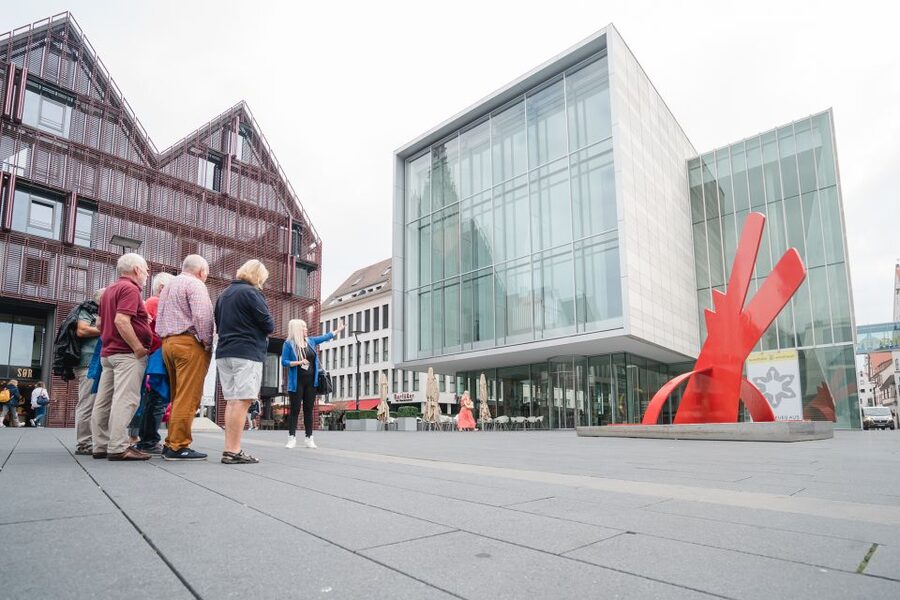
The tour then turns toward newer buildings in the heart of Ulm. These projects are described through the idea of Medieval Meets Modern, and the contrast is easy to see as you move between older streets and contemporary designs.
This part is especially helpful if you are interested in architecture. The modern buildings are presented as part of Ulm’s new center, not as unrelated additions. You will learn how recent construction has changed the visual character of the central area while keeping the historic core close at hand.
I like this portion because it prevents the tour from becoming a parade of old facades. Ulm’s present-day identity matters as much as its medieval one. You can look at the shapes, materials, and placement of the new buildings, then compare them with the town hall and older quarters nearby.
Do not expect a long architectural lecture. The tour has to cover several districts and the Minster in 90 minutes. Instead, expect a concise introduction that helps you notice the city’s newer design choices as you continue walking.
More Cathedral Tours in Swabia:
- Dresden: Church of Our Lady Guided Tour of Gallery
★ 4.7 · 2,421 reviews - Cologne City Tour Experience cathedral city on the Rhine
★ 5.0 · 852 reviews - Dresden: Complete Walking Tour with Frauenkirche Visit
★ 4.8 · 700 reviews - Cologne Cathedral and Old Town Tour with 1 Kölsch
★ 4.8 · 674 reviews
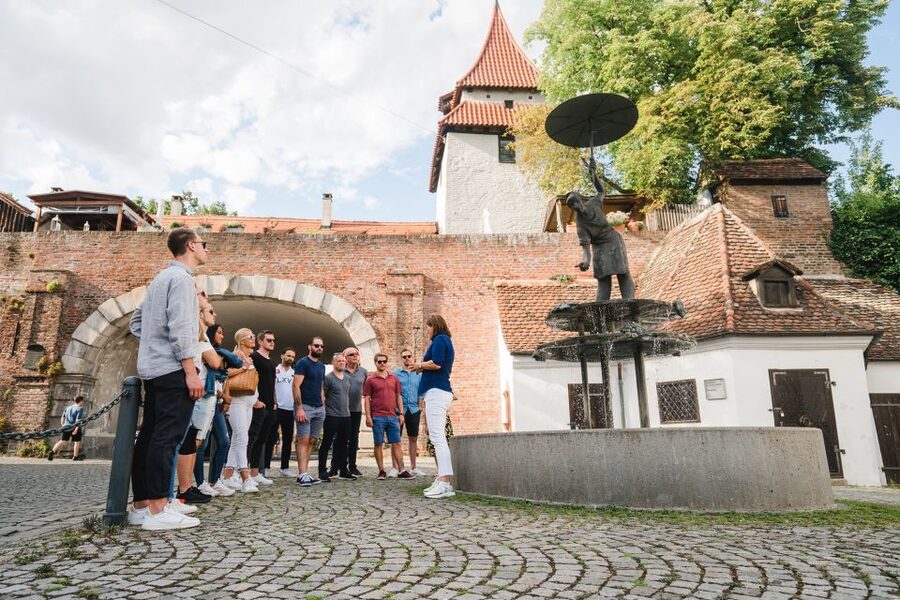
Through the Fishermen’s and Tanners’ Quarter
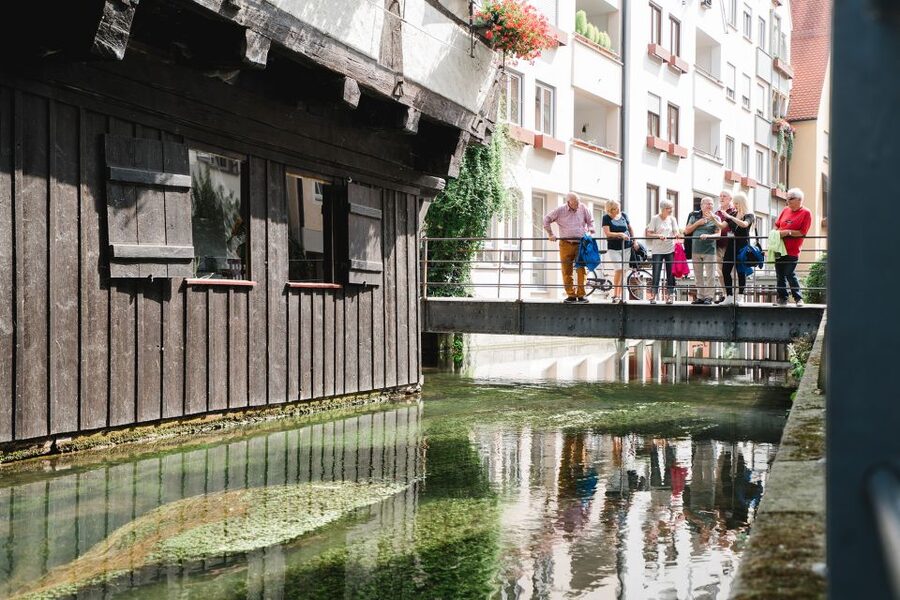
The Fishermen’s and Tanners’ Quarter is the most atmospheric part of the route. Narrow streets, bridges, and jetties create a close, human scale that feels far removed from the broader modern center.
This district helps you picture how Ulm looked during the Middle Ages. The setting is not just a collection of attractive old buildings. Its lanes and water connections show how work, movement, and daily life were tied to the river.
The guide explains the local history as you walk, so pay attention to how the quarter fits into the wider city. You will have a better sense of why this area survived as such an important part of central Ulm.
The walking pace here should be comfortable, but the streets are narrow and the route may include uneven older surfaces. You are not racing through a checklist. Take a few seconds to look over a bridge or along a jetty, then let the guide connect the scene to Ulm’s past.
This is also where the tour feels most distinct from a standard city-center orientation. The town hall and Minster are major landmarks, but the Fishermen’s and Tanners’ Quarter gives you the texture between them.
Inside Ulm Minster, when conditions allow
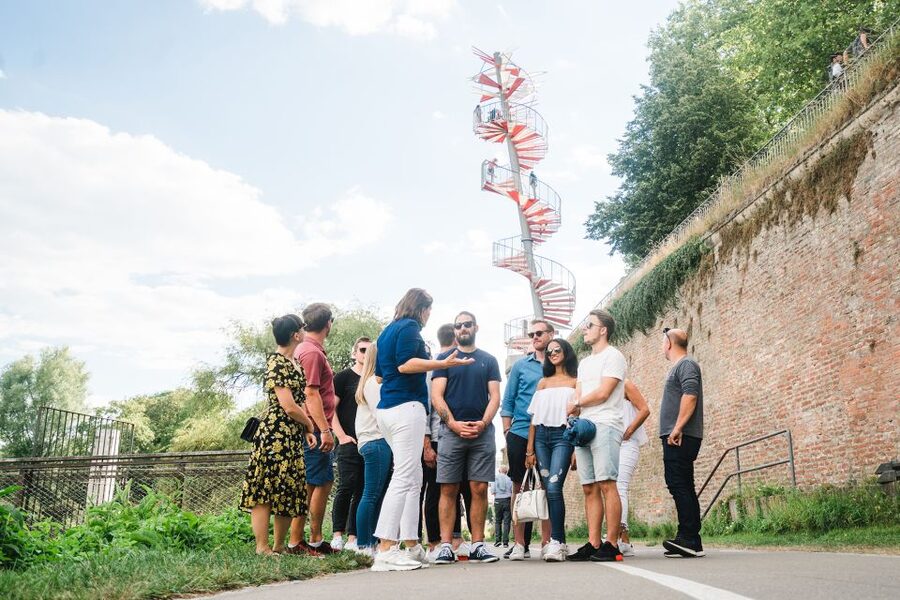
The final major stop is Ulm Minster, a Lutheran church with the highest church tower in Germany. The tower is the obvious outside landmark, but the interior gives the guide more room to explain the building’s construction and religious purpose.
You will learn how the Minster developed and why its scale is so striking. Even without climbing the tower, the building makes a strong impression from ground level. The guide helps you read the structure rather than simply take a photograph and move on.
The interior visit depends on the church calendar. If an event is taking place, the guided visit inside is not possible. In that case, the guide can still discuss the Minster from outside, but the experience is less complete.
There is also a specific construction restriction to keep in mind. Between January 7, 2026, and Easter 2026, guided cathedral tours are not possible because of construction work. During that period, the Minster can be viewed from the exterior only.
That limitation is important for anyone booking mainly for the church interior. If your schedule is flexible, choose a date outside that construction window. If you are visiting during it, treat the Minster stop as an exterior architecture visit rather than an interior tour.
The guide’s style and the pace of the route
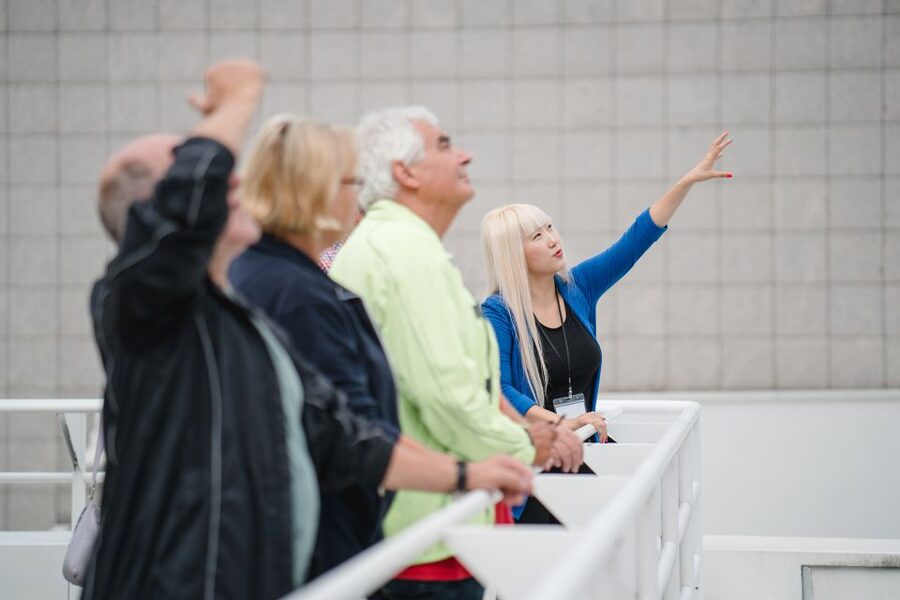
The tour is led in German or English by a live professional guide. The strongest descriptions of the experience point to a good supply of information, humor, and local anecdotes. That combination suits Ulm well, since the route moves between civic buildings, modern architecture, medieval streets, and a major church.
A guide who adds stories can make a short route feel fuller. You will hear more than names and dates, but the exact style may vary with the person leading your group. No guide names are provided, so you should book for the route and subject rather than for a specific individual.
Ninety minutes is a practical length. It is long enough to reach the key districts without taking over your day, but short enough to fit around a train connection or another city visit. The tradeoff is that individual stops cannot receive unlimited attention.
If you enjoy slow photography, shopping, or long interior visits, you will need extra time after the tour. Think of this as a well-paced introduction. It gives you the framework, then lets you return to the places that caught your interest.
Who will get the most from this tour
I would choose this walk if you have only a few hours in Ulm, are visiting for the first time, or want historical context before exploring without a guide. It is also a good fit if you want to compare old and new city design in one compact route.
Families may appreciate the short duration and the changing scenery. The astronomical clock, painted town hall, bridges, waterways, and tall Minster all give children different things to look at, though the guide’s historical detail may suit older children best.
Architecture fans will value the contrast between the historic quarter and the newer central buildings. Church enthusiasts should confirm the date carefully because construction or events can change the Minster portion.
This is less suitable if you want a long specialist tour, a tower climb, or a museum-focused experience. None of those are included. The professional guide, city walk, and Minster visit are the core offering.
Practical value at $11
The $11 cost is modest for a guided introduction that covers several of Ulm’s main sights. You are not paying for a full-day program, but the route packs a useful amount into 90 minutes.
The strongest value comes from the combination of locations. A walk focused only on the Minster would leave out the Fishermen’s and Tanners’ Quarter. A historic-quarter walk alone would miss the modern center and the church’s construction story. This route connects them.
The price is also easier to accept because you can cancel up to 24 hours before the activity for a full refund, and you can reserve now and pay later. Those policies make it simpler to fit the tour into a changing German itinerary.
Book with realistic expectations. The tour will not reveal every corner of Ulm, and the Minster interior is not guaranteed. But for a low-cost, short introduction with a live English or German guide, it offers a sensible way to get oriented.
Should you book the Ulm walking tour?
Book it if you want a compact first look at Ulm that combines the town hall, modern center, Fishermen’s and Tanners’ Quarter, and Ulm Minster. The $11 price, short schedule, wheelchair accessibility, and English or German guiding make it easy to add to a city visit.
Check the Minster conditions before booking if the church interior is your main reason for going. Outside the January 7, 2026 to Easter 2026 construction period, the tour is a strong choice for seeing Ulm’s major contrasts in one walk. During that period, book only if an exterior Minster visit still fits your plans.
FAQ
Where does the Ulm walking tour meet?
The meeting point is Tourist Information Ulm. You should arrive 15 minutes before the activity starts.
How long does the tour last?
The walking tour lasts 1.5 hours.
Which languages are available?
The live guide can lead the tour in German or English.
Is the tour wheelchair accessible?
Yes, the activity is wheelchair accessible.
Can I visit the inside of Ulm Minster?
The guided interior visit is possible only when no events are taking place. Between January 7, 2026, and Easter 2026, construction work means the cathedral can be viewed from outside only.
What happens if it rains?
The tour takes place rain or shine. Large bags and luggage are not allowed.
Just added in Swabia
- Guided tasting of Cider★ 5.0 · 4 reviews
- Ulm Private Walking Tour With A Professional Guide★ 5.0 · 5 reviews
- Villingen-Schwenningen Scavenger Hunt and Sights Self-Guided Tour★ 4.5 · 3 reviews
- Premium Zone Lasertag in Göppingen★ 4.5 · 6 reviews
- Sigmaringen: Hohenzollern Castle Admission & Audio Guide★ 4.9 · 15 reviews
- Segway Tour: Old Town Hall, Water Tower & Ehrenhof★ 5.0 · 21 reviews
- Mannheim: Segway Tour along the Neckar River★ 5.0 · 15 reviews
- Segway Tour of Mannheim: Rhein, Waldpark, and Lindenhof★ 5.0 · 13 reviews
Cathedrals and Churches, compared.

Cologne City Tour Experience cathedral city on the Rhine
Read our review →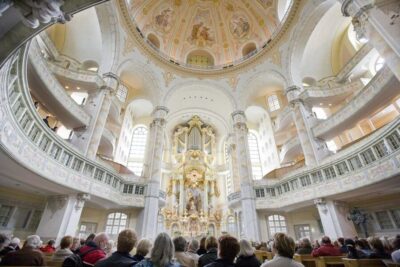

Cologne Cathedral and Old Town Tour with 1 Kölsch
Read our review →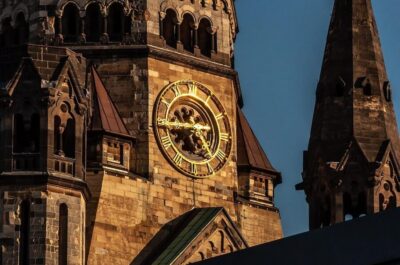
Classical Concert at Kaiser Wilhelm Memorial Church
Read our review →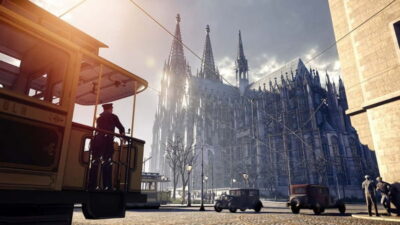
Cologne Cathedral Walking Tour around the cathedral with VR
Read our review →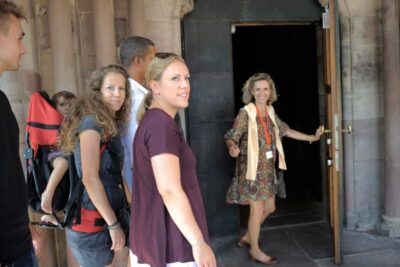
Freiburg City Tour: with visit of the Freiburg Minster
Read our review →Browse the lists this tour appears in