
Reviewed · STUTTGART TOURS
Stuttgart: Culinary Excursion through Bad Cannstatt
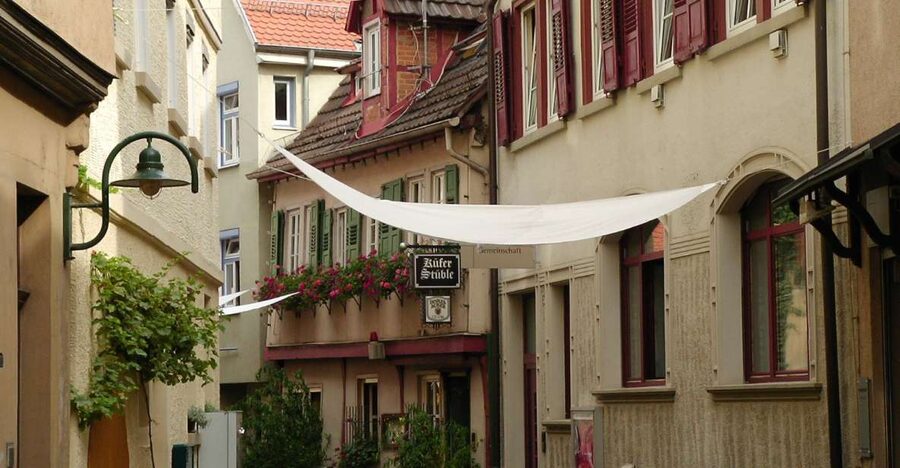
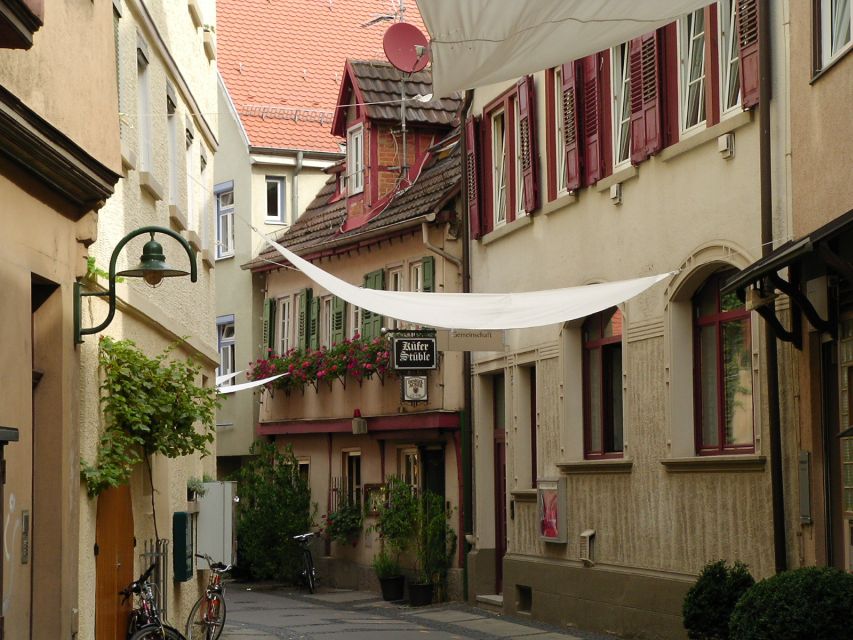
Bad Cannstatt gives you a different view of Stuttgart. Instead of staying with the city center’s best-known sights, you walk through the city’s oldest and largest district, pairing local stories with tastes of Swabian food. The tour takes in the old town, the city church, and the Cannstatt Wells, with a guide adding the sort of local detail you would miss on your own.
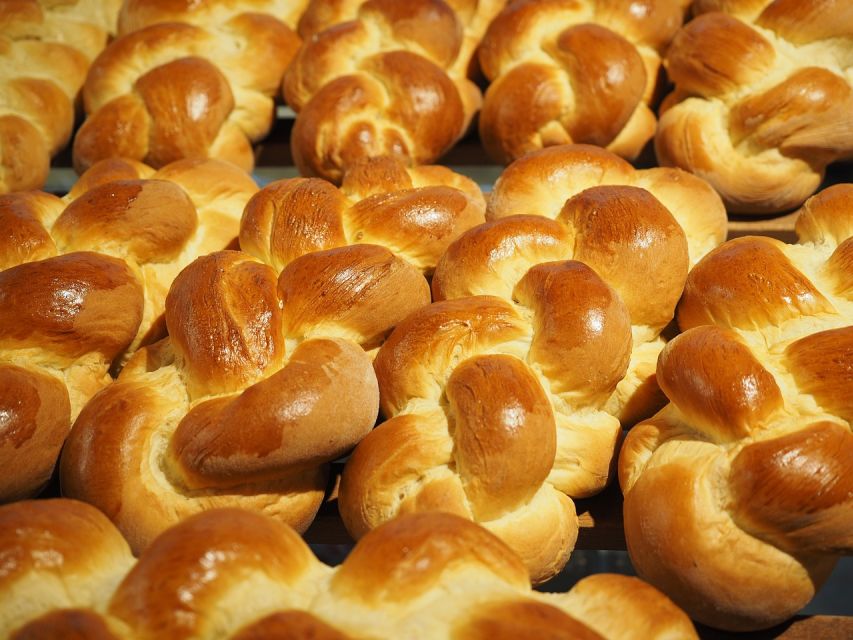
I like the short walking route of about 2 kilometers, which keeps the outing manageable, and I like that the food is tied to the region rather than chosen as generic sightseeing snacks. You may taste Hefezopf, a braided sweet bread, and Maultaschen, Swabian filled pasta served in clear soup. The main limitation is simple: at $46 per person, this is a tasting tour with history, not a full meal, and it is conducted in German.
Key points at a glance
- Bad Cannstatt in a compact 150 minutes: See the old town without giving up half a day.
- Swabian food with local context: Try Hefezopf and Maultaschen while learning where they fit into regional eating.
- A walk of roughly 2 kilometers: The route is active but not a long-distance hike.
- City sights along the way: Expect attention to the city church and Cannstatt Wells.
- A lively German-speaking guide: The best part is the entertaining delivery and local stories.
- Good value for the right appetite: You pay for guided history plus tastings, not a restaurant lunch.
Why Bad Cannstatt makes a good food walk
Bad Cannstatt is not simply another stop in Stuttgart. It is the city’s oldest and largest district, and the tour uses that setting to connect everyday food with local identity. You get a look at the old town while hearing stories and amusing details about Cannstatt.
That combination matters. A food tasting on its own can feel thin after the first bite. A history walk without food can become a string of dates and names. Here, the two subjects support each other. You see a place, hear about it, and then try something associated with the wider Swabian region.
The experience is also a useful choice if you have already seen central Stuttgart and want another side of the city. Bad Cannstatt has its own character, and the tour is built around seeing the district on foot rather than checking off major monuments from a bus.
You should keep your expectations in the right place. The word culinary does not mean a long succession of courses. The food element is a series of tasting sessions, with traditional items such as Hefezopf and Maultaschen. One participant felt the culinary side was lighter than expected, so book this for a mixture of food and place, not as your main lunch or dinner.
A few more half-days in Stuttgart worth comparing
- Stuttgart 24-Hour Hop-On Hop-Off Sightseeing Bus Tour
★ 4.4 · 1,647 reviews - Stuttgart: Mercedes-Benz Museum Entry Ticket
★ 4.8 · 1,400 reviews - Tickets SWR Fernsehturm Stuttgart
★ 4.5 · 674 reviews
Starting at the Schreinerei parking lot
The meeting point is the parking lot of Restaurant Schreinerei, at the corner of Zaisgasse and Überkinger Straße. That exact location matters because the tour begins outside the central Stuttgart sightseeing core. You will want to check the route to the meeting point before setting out, rather than assuming the tour starts at a famous square or railway station.
The supplied information does not give a guide’s name, and the tour is offered in German. That makes language ability the first practical question. If you understand German well enough to follow spoken stories and food explanations, the format should feel natural. If you do not, the sights and tastings remain, but much of the value will be harder to catch.
The meeting point also tells you something about the style of the outing. This is a neighborhood walk, not a polished departure from a large visitor center. You begin close to local streets and move into the old town with the guide leading the way.
Walking the old town for about 2 kilometers
The total route is about 2 kilometers, based on the experience described by one participant. Over 150 minutes, that is an easy pace on paper, with plenty of time for stops, explanations, and tasting sessions.
You should still wear comfortable shoes. The point is not to race between sights. The guide pauses to explain the district and its past, and the tour’s value depends on listening as much as walking. The compact route is especially useful if you want to fit another Stuttgart activity into the same day.
The old town portion gives the tour its strongest sense of place. You are not just being handed regional food in a room. You are eating and listening in the district connected to the stories being told. That makes the tasting feel less like a sample tray and more like part of a local introduction.
The walk may also suit you if you prefer a small amount of exercise with your sightseeing. It is long enough to give the district shape, but short enough for most people who are comfortable walking around town. The exact route and pace can depend on the guide and the day, so do not treat the 2 kilometers as a timed itinerary.
The city church and Cannstatt Wells
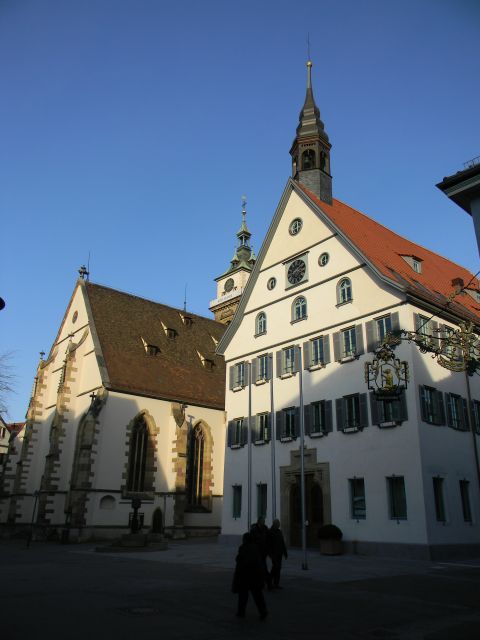
The city church is one of the named sights included in the tour’s highlights. The information does not promise a long interior visit or a formal architectural lecture, so you should think of it as a stop within the broader walk. The guide’s explanation is what turns the building into part of Bad Cannstatt’s story.
The Cannstatt Wells add another distinctive subject. Even the name points to an important local feature, and the tour uses the wells as one of the places where you pause and look more closely at the district.
These stops are useful because they break up the food tastings. You are not spending the entire time focused on what is on the plate. Instead, the tour shifts between streets, landmarks, local history, and regional food. That rhythm is likely to work best for you if you enjoy learning through a mix of short stops.
The supplied details do not specify every sight or the exact order. Treat the city church and Cannstatt Wells as featured points rather than a guaranteed minute-by-minute program.
Same city, a completely different kind of day:
- Stuttgart: Guided Ghost Walking Tour
★ 4.5 · 662 reviews - Stuttgart: Museum of Illusions Entry Ticket
★ 4.2 · 507 reviews - Stuttgart: Vineyard Tour by Covered Wagon
★ 4.1 · 217 reviews - Stuttgart: City Highlights – Guided Walking Tour
★ 4.7 · 189 reviews
Hefezopf, Maultaschen, and Swabian flavor
The most clearly identified tasting is Hefezopf, a braided yeast bread. It is the sort of food that helps explain regional habits in a simple way: familiar ingredients, a traditional form, and a taste tied to the area.
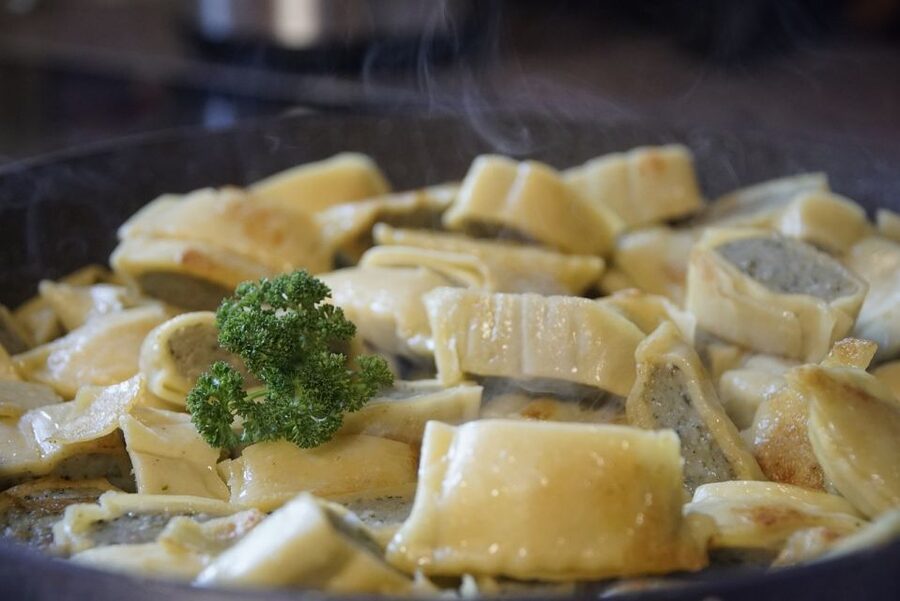
You may also try Maultaschen, one of Swabia’s best-known dishes. These are pasta squares filled with meat or cheese and served in clear soup. The description gives you a useful picture of what to expect, especially if you have never encountered them before. They are not merely stuffed pasta served dry, but part of a warm, soup-based dish.
The tour may include both items, although the wording says you can taste them rather than guaranteeing every tasting in every format. That distinction is worth noting if you are booking mainly for one specific food.
I like this approach because the food has a strong regional link. You are not sampling random snacks selected only because they are easy to serve. At the same time, the culinary side appears modest. One participant expected more from the food component, so you should plan another meal if you need a full serving or want a broad tasting menu.
The guide’s role: stories, humor, and local detail
The guide is central to this experience. The tour promises an entertaining and amusing walk, with anecdotes and city history delivered along the way. Several ratings praise the guide’s friendly, lively, and competent presentation, and one especially memorable description says the guide lives Cannstatt. That is the quality you want here: someone who makes a neighborhood feel personal rather than reciting a dry list of facts.
The strongest praise focuses on how the information is delivered. The history is described as lively, brief, and easy to follow. That matters during a walking tour because too much detail can slow the group, while too little leaves you with nothing but photographs.
There is one useful caution in the feedback. One participant felt the tour assumed a fair amount of local knowledge from the group. If you know little about Stuttgart or German regional history, ask questions when something is unclear. The tour appears to reward curiosity, and the guide’s local knowledge is one of the main reasons to choose it.
Because the tour is in German, the guide’s humor and anecdotes may be harder to appreciate if you only have basic German. This is not a bilingual tour. Check your comfort with spoken German before paying for the food portion and storytelling together.
Is $46 a fair price?
At $46 per person, the price is reasonable if you want two experiences combined: a guided walk through Bad Cannstatt and several regional tastings. You are paying for 150 minutes of a live tour, not simply for food. The history, neighborhood interpretation, and guide’s local anecdotes are a large part of the package.
The value is weaker if you measure the price only by how much you eat. The information does not state the number or size of tastings, and one participant expected more from the culinary side. You should not book this as a bargain meal.
I would compare it with the cost of a separate city walk plus buying Swabian specialties on your own. The tour gives you structure and explanation, and it takes you to sights you might otherwise pass without understanding. For someone who wants context with the food, $46 can make sense. For someone who wants a large meal or a chef-led tasting, it may not.
The overall rating is 4.7 from 82 ratings, with praise especially directed at the guides, information, and traditional food. That supports choosing the tour for its atmosphere and local interpretation, while keeping the limited food detail in mind.
Who will enjoy this Cannstatt outing?
I would recommend this tour to you if you like walking, local stories, and traditional food in equal measure. It suits a first visit to Bad Cannstatt, but it can also work for someone who has already seen central Stuttgart and wants a more neighborhood-focused experience.
It is a good fit for:
- Visitors who want a short, structured introduction to Bad Cannstatt
- Food-minded people who want to try Maultaschen or Hefezopf
- German speakers who enjoy humor and local anecdotes
- Anyone who prefers a small walking route to a long full-day excursion
- People who value context more than a large number of tastings
I would hesitate if you want a self-guided food crawl, a full meal, or an English-language tour. The format depends heavily on the German-speaking guide, and the tasting sessions are only part of the 150 minutes.
Practical details before you book
The tour lasts 150 minutes, or two and a half hours. Starting times vary, so you need to check availability for your chosen date. The meeting point is the Restaurant Schreinerei parking lot at Zaisgasse and Überkinger Straße.
Free cancellation is available up to three days before the tour for a full refund. That gives you some flexibility, but the cutoff is not last-minute, so check the date before confirming.
The provider is Cool-Tours StattReisen Stuttgart. The live guide speaks German, and the listed inclusions are the tour and tasting sessions. No separate transport, full meal, or additional language service is stated.
Should you book it?
Book this tour if you want Bad Cannstatt explained by a lively local guide and you are happy with a few traditional tastings rather than a full meal. The combination of a roughly 2-kilometer walk, city sights, Cannstatt stories, Hefezopf, and Maultaschen gives you a practical introduction to a part of Stuttgart many short visits skip.
Skip it if you need English, want a detailed food itinerary, or judge value mainly by portion size. For the right audience, the strongest reason to go is not the quantity of food. It is the way the tastings give shape to a compact, entertaining look at Cannstatt.
FAQ
Where does the Bad Cannstatt culinary tour meet?
The meeting point is the parking lot of Restaurant Schreinerei, at the corner of Zaisgasse and Überkinger Straße.
How long does the tour last?
The tour lasts 150 minutes, or two and a half hours.
How much does the tour cost?
The listed price is $46 per person.
What language is the tour conducted in?
The live tour guide speaks German, and German is the listed tour language.
How far do you walk?
The route is approximately 2 kilometers in total, based on the walking distance given for the experience.
What food can you taste?
The tour includes tasting sessions with regional specialties such as Hefezopf and Maultaschen.
What is Hefezopf?
Hefezopf is a classic braided bread made with yeast.
What are Maultaschen?
Maultaschen are pasta squares filled with meat or cheese and served in a clear soup.
Which sights are included?
The tour explores Bad Cannstatt’s old town and includes a look at the city church and the Cannstatt Wells.
Can you cancel for a full refund?
Yes. You can cancel up to three days in advance for a full refund.
Just added in Stuttgart
- Stuttgart: Landesmuseum Württemberg Old Castle Entry Ticket★ 4.5 · 15 reviews
- Stuttgart: Walking Custom Tour with a Local Guide★ 3.8 · 4 reviews
- Stuttgart: Winter Sunday Brunch Buffet★ 4.6 · 16 reviews
- Stuttgart: Wine Tour with wines of the best winemakers★ 4.0 · 7 reviews
- Stuttgart: Exklusive Floßboote Finne & Fischle★ 4.5 · 23 reviews
- Stuttgart: Swabian Cuisine Guided Walking Tour with Tastings★ 4.0 · 7 reviews
- Stuttgart: Stand Up Paddling Rental★ 4.6 · 55 reviews
- SUP Yoga with Guide★ 4.1 · 4 reviews
Stuttgart Tours, compared.

Stuttgart 24-Hour Hop-On Hop-Off Sightseeing Bus Tour
Read our review →




Browse the lists this tour appears in