
Reviewed · BALTIC COAST TOURS
Stralsund: Factory Tour with Fermented and Organic Tastings
The most interesting part of this Stralsund tour is the chance to see fermentation as a working craft, not just a food trend. At Ostsee-Probiotika GmbH, products are made with lactic acid bacteria, herbs, berries, roots, and spices, using ingredients that are BIO certified or approved for organic farming. You go beyond the sales area and enter production rooms normally closed to the public.
I like the small family-business setting and the way the tour connects food with products for animals and soil care. I also like the tasting at the end, especially since the handmade mustard has earned a special mention. A one-hour visit for $11 gives you a useful look at a specialist producer without taking up half your day.
The main drawback is that this is a focused factory visit, not a large food museum or a full meal. The one-star rating in the available feedback suggests the experience will not suit everyone, and the strict rules against photography and video recording may disappoint visitors who want lots of pictures.
Key Points Before You Book
- See working production rooms: The tour takes you into parts of the factory that are normally closed to the public.
- Learn about nine lactic acid bacteria strains: Your guide explains how these cultures fit into the company’s production methods.
- Taste the products on site: The tasting lets you judge the flavors for yourself, including products such as mustard.
- Look beyond food: Ostsee-Probiotika also makes products for animals and for improving garden soil.
- Keep the visit compact: The tour lasts one hour and is limited to six participants.
- Plan around the factory rules: Photography, video recording, smoking, alcohol, drugs, drones, weapons, and sharp objects are not allowed.
What Makes This Stralsund Factory Tour Different
Many food tours focus on finished products. This one puts the process first. You learn how ingredients move through a production system shaped by natural fermentation and organic sourcing.
The company works with nine different strains of lactic acid bacteria. That detail gives the tour some substance. You are not simply told that a product is fermented. You hear about the organisms involved and the role they play in the recipes.
The ingredient list also gives the visit a clear local-producer feel. Handpicked herbs, special berries, roots, and spices are part of the story. The exact recipes are not listed, but the guide explains which principles guide the company’s daily work and which stages products pass through before reaching customers.
I find that useful because fermentation can sound vague when it is discussed only in health-food language. Here, you can connect the idea to rooms, equipment, ingredients, and finished goods. You see how an abstract process becomes something bottled, packaged, and tasted.
The company’s work also extends past human food. Products are made for animals and for soil preparation, with the goal of supporting healthy plants. That wider purpose adds an unusual angle for gardeners, animal owners, and anyone curious about organic production.
A few more half-days in the Baltic Coast worth comparing
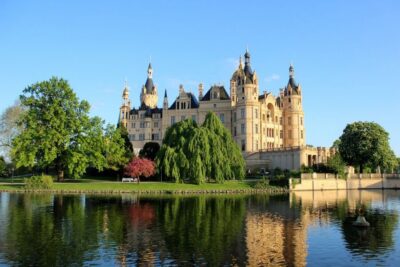
- Schwerin: City Highlights Guided Tour
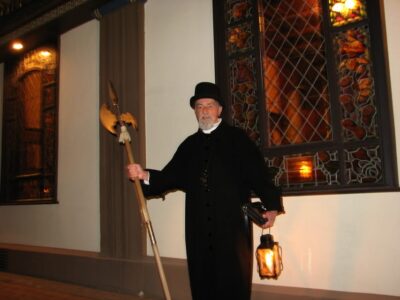
★ 4.7 · 541 reviews - Schwerin: Tour with the Night Watchman
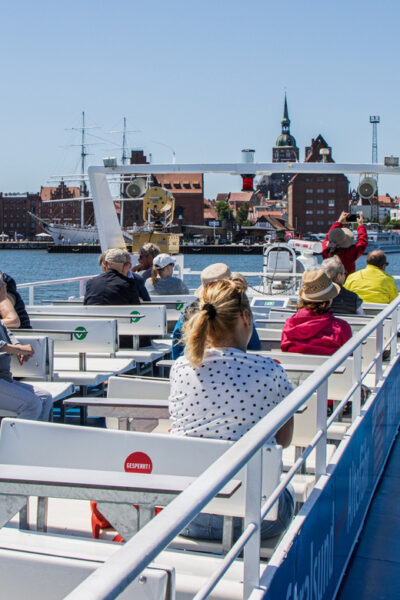
★ 4.5 · 366 reviews - Stralsund: 1-Hour Harbor Cruise
★ 4.6 · 365 reviews
Entering the Production Rooms
The tour begins with a guided walk through the factory. Since the group is limited to six people, you should have a better chance to hear the explanation and ask questions than you would on a large commercial tour.
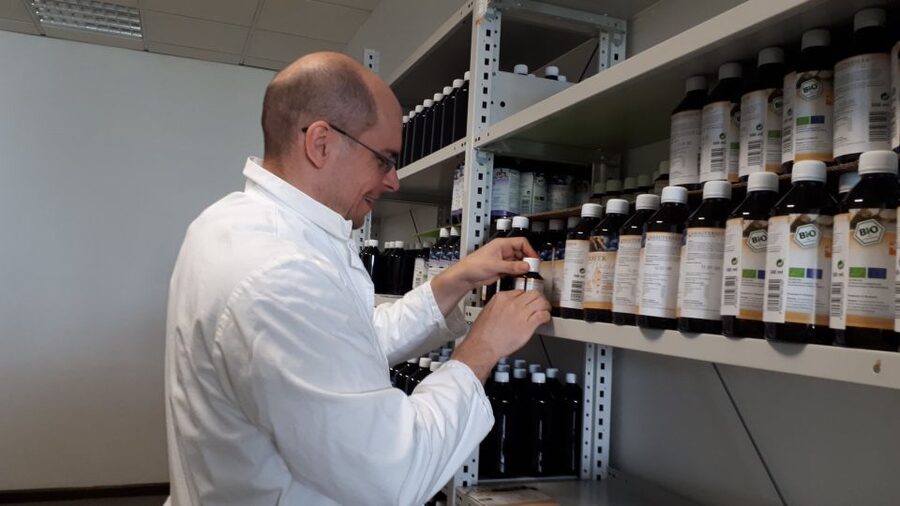
The production rooms are the main reason to book. They are normally closed to the public, so the visit gives you access to the practical side of the business rather than only a shop display. You may see large equipment and the spaces where the company prepares its fermented products, though the available information does not specify every machine or stage shown during each visit.
Your guide explains what makes the products different and how the company uses natural processes. The emphasis is on organic ingredients and careful preparation rather than industrial shortcuts. That does not mean the tour presents a scientific lecture. The tone appears to be friendly and informal, with one account praising the combination of useful information and relaxed humor.
You should expect a conversation-led tour rather than a dramatic show. There are no promises of live demonstrations, working tastings from every production stage, or a long walk through a huge factory. The appeal lies in seeing a small producer at work and understanding its methods.
One practical point matters here: photography and video recording are forbidden inside. If you like documenting every stop, this rule may feel restrictive. I would treat it as a chance to listen closely and remember the process through the guide’s explanation instead of through your phone.
From Organic Ingredients to Finished Products
The guide’s explanation covers the path each product takes before it reaches your hands. The available details do not provide a fixed step-by-step production schedule, so you should not expect a precise recipe lesson for each item. You will, however, learn about the basic ingredients, fermentation cultures, and principles behind the products.
The organic focus is central. All products are described as BIO certified or approved for organic farming. That matters if you are interested in how certification and organic sourcing connect with small-scale production, though the tour details do not identify individual certification marks or explain the full approval process.
The ingredient choices give the explanation some variety. Herbs and berries suggest familiar food applications, while roots and spices broaden the flavor profile. The handpicked herbs are another reminder that the company’s approach is more hands-on than mass-produced food manufacturing.
I would listen for the connection between flavor and function. Fermentation affects taste, but this business also presents its products as useful for the stomach, animals, and garden soil. The tour gives you a chance to ask how the different product lines relate to one another, although you should keep medical expectations in check. The phrase good gut feeling is part of the company’s message, not proof that the products treat a health condition.
That distinction is important. You can be interested in fermented foods without accepting every health claim attached to them. The tour is most valuable when you approach it as a look at ingredients and production methods, then decide what you think of the products during the tasting.
The Tasting: A Short but Important Finish
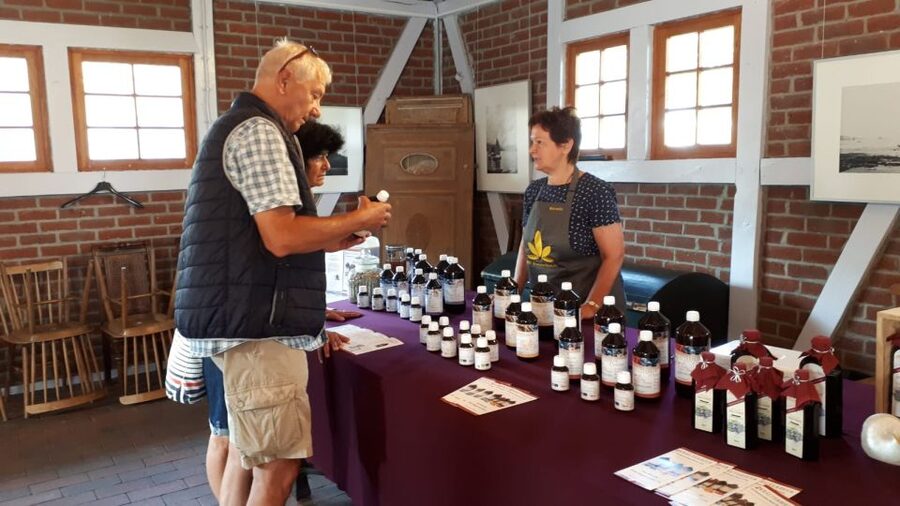
The final tasting changes the visit from a production lesson into a sensory experience. You get to try the company’s products on site, which is more useful than simply hearing a description of their flavor.
The available feedback singles out the mustard as tasty. That suggests the tasting may include a familiar condiment alongside less familiar fermented products, though the exact tasting menu is not provided and may vary. Do not arrive expecting a full lunch. This is a product tasting included with the tour.
I like this format because fermentation can be difficult to judge from a label. You may understand the ingredients, hear about the bacteria, and see the equipment, but taste is what tells you if a product suits you. The tasting lets you compare the company’s ideas with your own palate.
The tasting also gives you a practical reason to visit even if you are not deeply interested in fermentation science. You can enjoy the factory story, try something new, and decide which products appeal to you. If you have a sensitive palate, expect fermented flavors to vary in sharpness, acidity, spice, or earthiness. The supplied information does not describe the exact samples, so the guide will be your best source for what is being served that day.
Same city, a completely different kind of day:
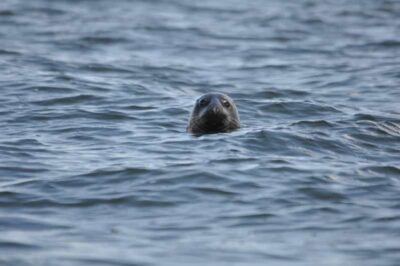
- Baabe on Rügen: Seal-Spotting Cruise in the Baltic
★ 3.4 · 129 reviews - Flensburg: E-Boat rent
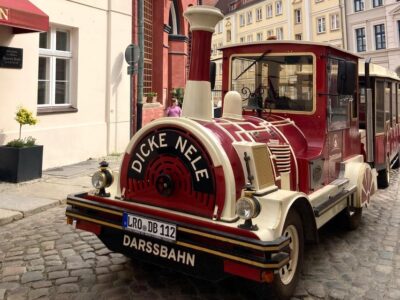
★ 4.8 · 75 reviews - Stralsund: Stadtrundfahrt durch die historische Altstadt
★ 4.0 · 45 reviews - Usedom: Sailing tour on exclusive tall ship Thursday
★ 4.8 · 25 reviews
The Family-Business Feel
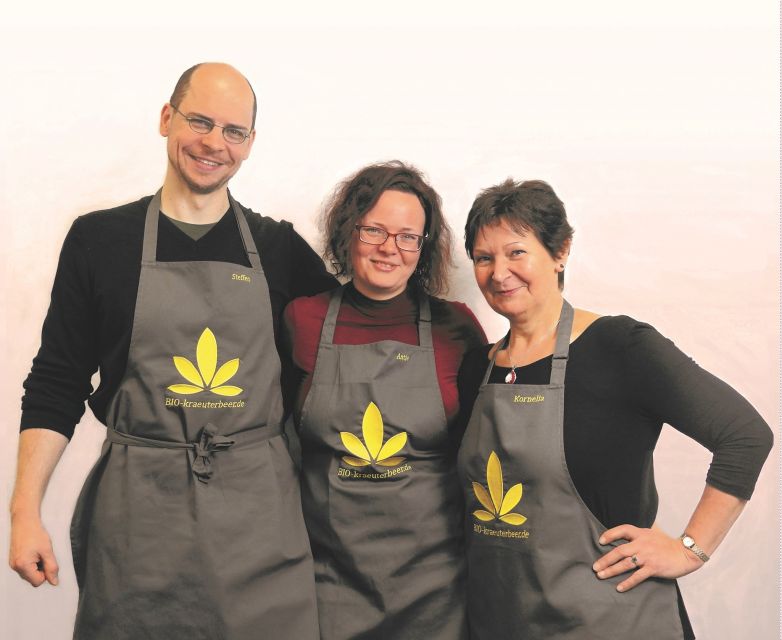
The strongest impression from the available feedback is the warmth of the small family operation. The business is described as producing goods by hand, with care and attention rather than factory-line anonymity.
That atmosphere can make a short tour feel personal. One group arrived late after traveling from Berlin, and the team waited for them. You should not assume this will happen every time, but it suggests a flexible, human approach when circumstances allow. Still, I would aim to arrive on time. A small group has less room for delays than a large scheduled tour.
The friendly style matters because the subject can get technical. Lactic acid bacteria, organic approvals, animal products, and soil preparation could easily become dry topics. The guide’s relaxed humor helps keep the hour approachable, according to the available comments.
No individual guide names are provided, so you cannot request a particular host. Tours are offered in German, English, and French. If language is important to your decision, confirm the available language at your chosen time rather than assuming every session offers all three.
Is $11 Good Value for One Hour?
At $11 per person, I consider this a solid value if you are curious about food production, organic goods, or small manufacturers. The price includes both the guided tour and the tasting, so you are paying for access, explanation, and samples rather than only a talk.
The value is strongest for visitors who would not otherwise get inside a production facility. You see rooms normally closed to the public, learn about the company’s working principles, and sample the finished products. That is a good package for one hour.
The price is less compelling if you want a major attraction with lots of exhibits, a long meal, or a large selection of samples. This is a specialist stop. You are paying for a close look at one company’s approach, not for an all-day food experience.
The small group helps justify the cost. With a maximum of six participants, you can stay close to the guide and ask questions without shouting across a crowd. The tour is also wheelchair accessible, which makes it easier for more visitors to take part, though the available details do not describe the exact layout of every production area.
Who Will Enjoy This Experience Most?
I would recommend the tour to food-curious visitors who like to understand how products are made. It is also a good fit for anyone interested in fermentation, organic farming, natural ingredients, gardening, or animal care.
Gardeners may appreciate the discussion of soil preparation. People who own animals may be interested in the product line designed for them. Visitors who already buy fermented foods can use the tour to learn more about the cultures and ingredients behind the label.
Families may find the visit worthwhile if children are interested in food science, but the one-hour format and factory rules require attention. Since bare feet are not allowed and sharp objects, weapons, alcohol, drugs, smoking, drones, photography, and video recording are prohibited, this is a controlled production environment rather than a free-moving attraction.
I would be more cautious about booking if you mainly want photographs, a broad history of Stralsund, or a generous food portion. The experience is about one producer and its methods. It is not a city sightseeing tour, brewery-style social event, or restaurant meal.
Timing, Languages, and Booking Flexibility
The tour lasts one hour, with starting times based on availability. That makes it easy to fit into a day of sightseeing, though you should leave enough time to reach the factory and arrive promptly.
Tours are available in German, English, and French. The group size is capped at six, which is a useful detail for solo visitors and couples who prefer a quieter visit. It also means spaces may be limited on popular dates.
You can cancel up to 24 hours in advance for a full refund, and the reserve-now, pay-later option lets you hold a place without paying immediately. Those terms are helpful if your Northern Germany plans are still changing.
Should You Book the Ostsee-Probiotika Tour?
Book it if you want a short, affordable look at organic fermentation from inside a small producer. The strongest reasons are the production-room access, the nine lactic acid bacteria strains, the unusual animal and soil products, and the included tasting.
Skip it if you need a large attraction, extensive photography, or a full meal. The factory rules are strict, the tour is specialized, and the tasting details are not fixed in advance.
For the right visitor, $11 is an easy price to justify. You get a personal one-hour introduction to a family-run operation, a chance to ask questions in a group of no more than six, and a taste of the work itself. I would book this as a focused side visit in Stralsund, especially if the words organic and fermented already catch your interest.
FAQ
How long does the factory tour last?
The tour lasts one hour.
What is included in the price?
The price includes the guided factory tour and a tasting of the company’s products.
How much does the experience cost?
The listed price is $11 per person.
Which languages are available?
The tour is offered in German, English, and French.
How large is the group?
The experience is limited to six participants.
Is the tour wheelchair accessible?
Yes, the experience is wheelchair accessible.
Can I cancel for a full refund?
Yes. You can cancel up to 24 hours in advance for a full refund.
Can I take photographs or record video inside?
No. Photography and video recording inside are not allowed.
Just added in the Baltic Coast
- Highlights-Tour★ 4.8 · 9 reviews
- Stralsund: Old Town Highlights Private Walking Tour★ 5.0 · 5 reviews
- Schwerin: Private Guided Walking Tour★ 4.9 · 14 reviews
- Schleswig: Highlights tour (cathedral, old town, Holm, city harbor)★ 4.8 · 7 reviews
- About Vikings, kings and cheeky monks (Medieval Schleswig)★ 4.9 · 11 reviews
- Flensburg: Private Guided Walking Tour★ 4.0 · 4 reviews
- Kiel: City Highlights Express Walking Tour with a Local★ 3.3 · 4 reviews
- The shadows of history – “Schleswig’s dark secrets★ 4.6 · 7 reviews
Baltic Coast Tours, compared.
Baabe on Rügen: Seal-Spotting Cruise in the Baltic
Read our review →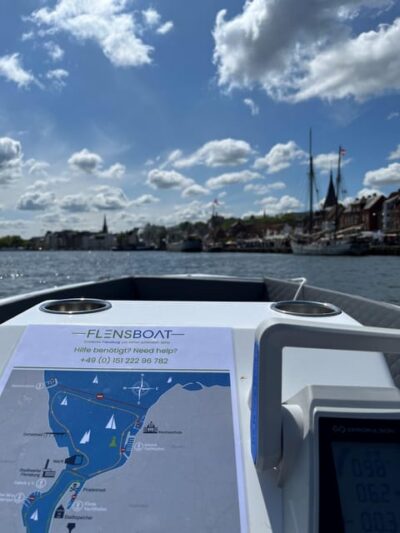
Stralsund: Stadtrundfahrt durch die historische Altstadt
Read our review →
Usedom: Sailing tour on exclusive tall ship Thursday
Read our review →
Browse the lists this tour appears in